
Tim Hortons is more than a coffee chain. For many people, it is a marker of routine, nostalgia, convenience, and changing taste.
Why Tim Hortons Still Matters Across Generations
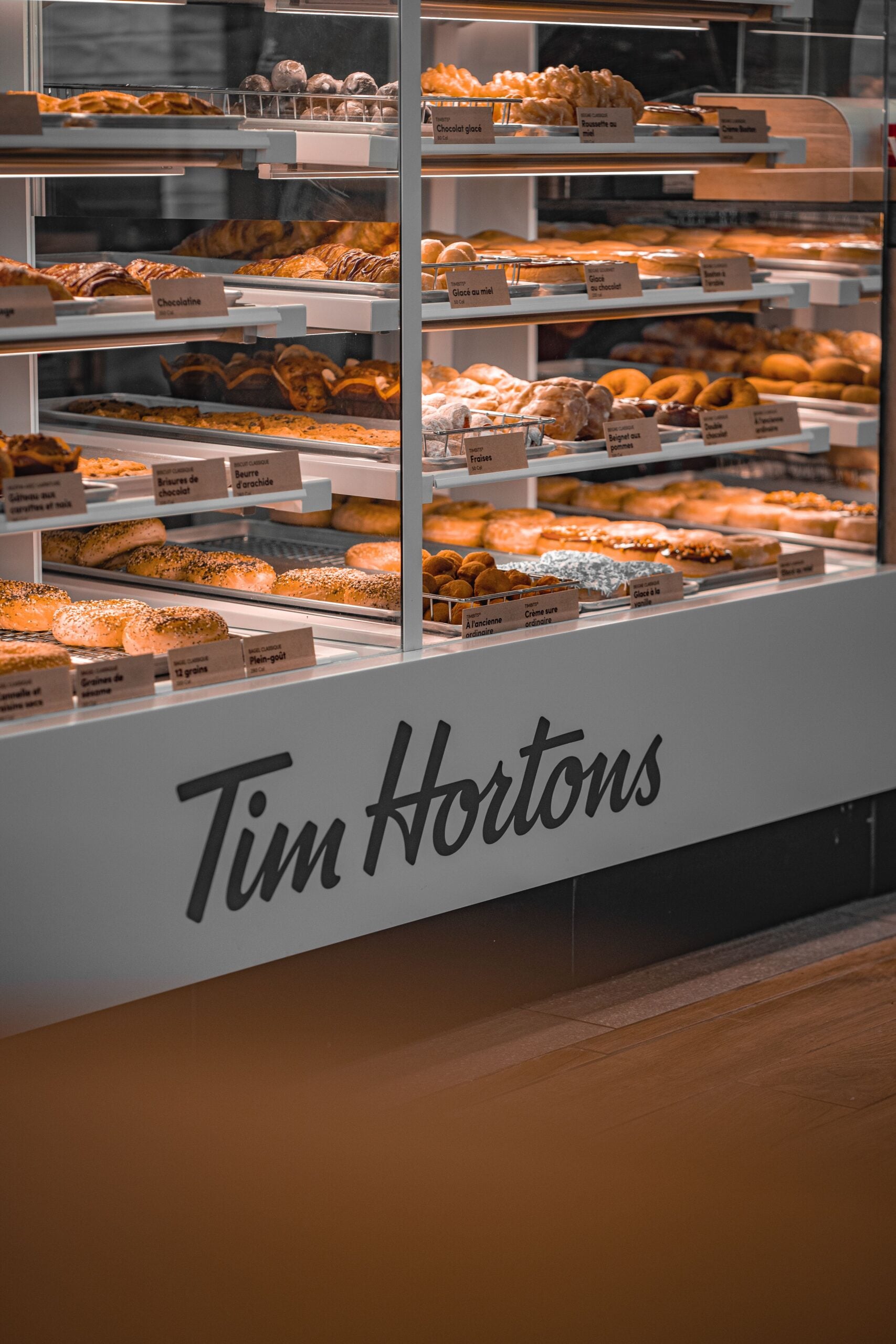
Few brands occupy everyday life in Canada the way Tim Hortons does. Its reach is practical, but its emotional role is just as important. Morning commutes, hockey practices, road trips, and quick lunch breaks have all helped make the chain part of a shared national rhythm.
That broad presence is why generational opinions are so revealing. A Boomer may judge Tim Hortons by consistency and familiarity, while a Millennial may weigh value and speed, and Gen Z may focus on customization, social relevance, and whether the brand still feels current.
Market researchers have long noted that food brands become cultural symbols when they are tied to habit. Tim Hortons fits that pattern exactly. What people think of it is often about more than the coffee itself. It is also about memory, price sensitivity, convenience, and what people expect from fast food in 2026.
What Boomers Told Us About Tradition, Coffee, and Comfort
For many Boomers, Tim Hortons remains closely linked to reliability. They often described it as the place they know they can count on, especially for a regular coffee, a simple breakfast, or a familiar stop during errands and travel. The strongest word in their feedback was consistency.
Many in this group also spoke about the brand in emotional terms. They remember an earlier Tim Hortons centered on straightforward coffee, donuts, and community presence. In smaller towns and suburbs especially, the chain still represents a comfortable routine rather than a lifestyle statement or social media brand.
At the same time, Boomers were not uncritical. Some said portions feel different, prices are noticeably higher, and certain baked goods no longer taste the way they remember. Even loyal customers pointed to the broader challenge facing legacy chains: preserving a sense of trust while adapting to new operating pressures and broader menus.
How Millennials Balance Nostalgia With Expectations
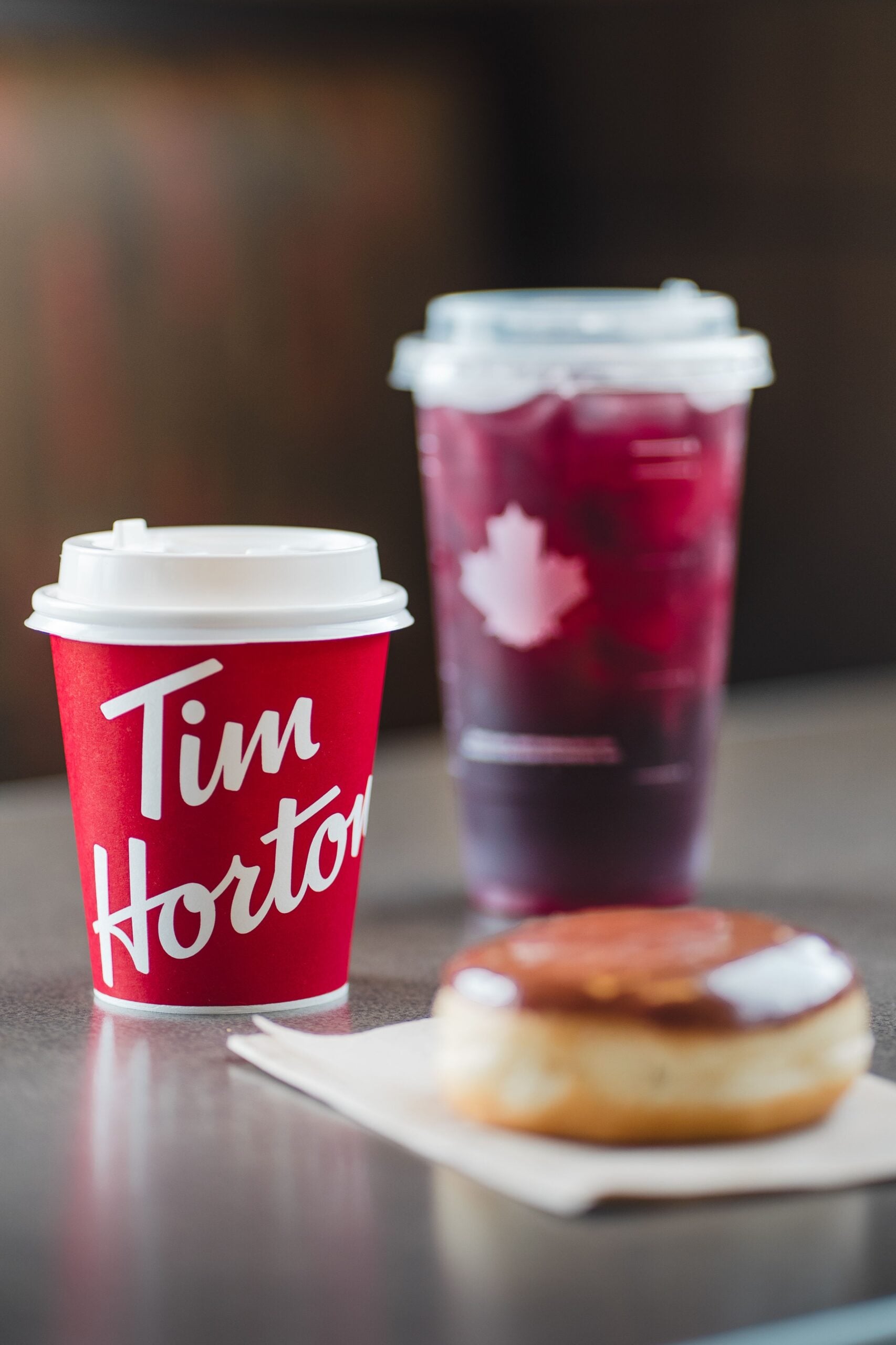
Millennials often described Tim Hortons with mixed affection. They grew up with Timbits after sports, steeped tea on cold mornings, and drive-thru runs during school or early work years. For this generation, the chain is familiar, but familiarity alone is no longer enough to secure loyalty.
This group tends to judge Tim Hortons against a more competitive food landscape. Specialty coffee chains, delivery apps, and improved convenience-store coffee have changed the benchmark. Millennials frequently mentioned speed, app usability, breakfast quality, and whether a visit feels worth the price compared with other quick-service options.
Value came up repeatedly in their responses. Many said Tim Hortons still works best when it is easy, fast, and reasonably priced. But they also noticed inconsistency between locations. That matters to Millennials, who generally expect national chains to deliver a dependable experience whether they order in person, through the app, or at the drive-thru.
What Gen Z Said About Customization, Brand Energy, and Quality
Gen Z approached Tim Hortons less as an institution and more as a choice among many. This generation has grown up with endless drink options, strong visual branding, and rapid food trends. As a result, they are less likely to give legacy brands the benefit of the doubt.
Customization mattered a great deal in their feedback. They want drinks and snacks that feel specific to their taste, whether that means iced beverages, flavor add-ons, limited-time items, or more flexible menu combinations. They also notice presentation, packaging, and whether a product looks appealing enough to share online.
Still, Gen Z was not dismissive. Many said Tim Hortons remains convenient and affordable relative to premium coffee chains. But they were quick to point out where the brand can feel behind the moment, especially on freshness, menu excitement, and digital experience. For them, relevance must be earned repeatedly.
Where the Generations Agreed Most
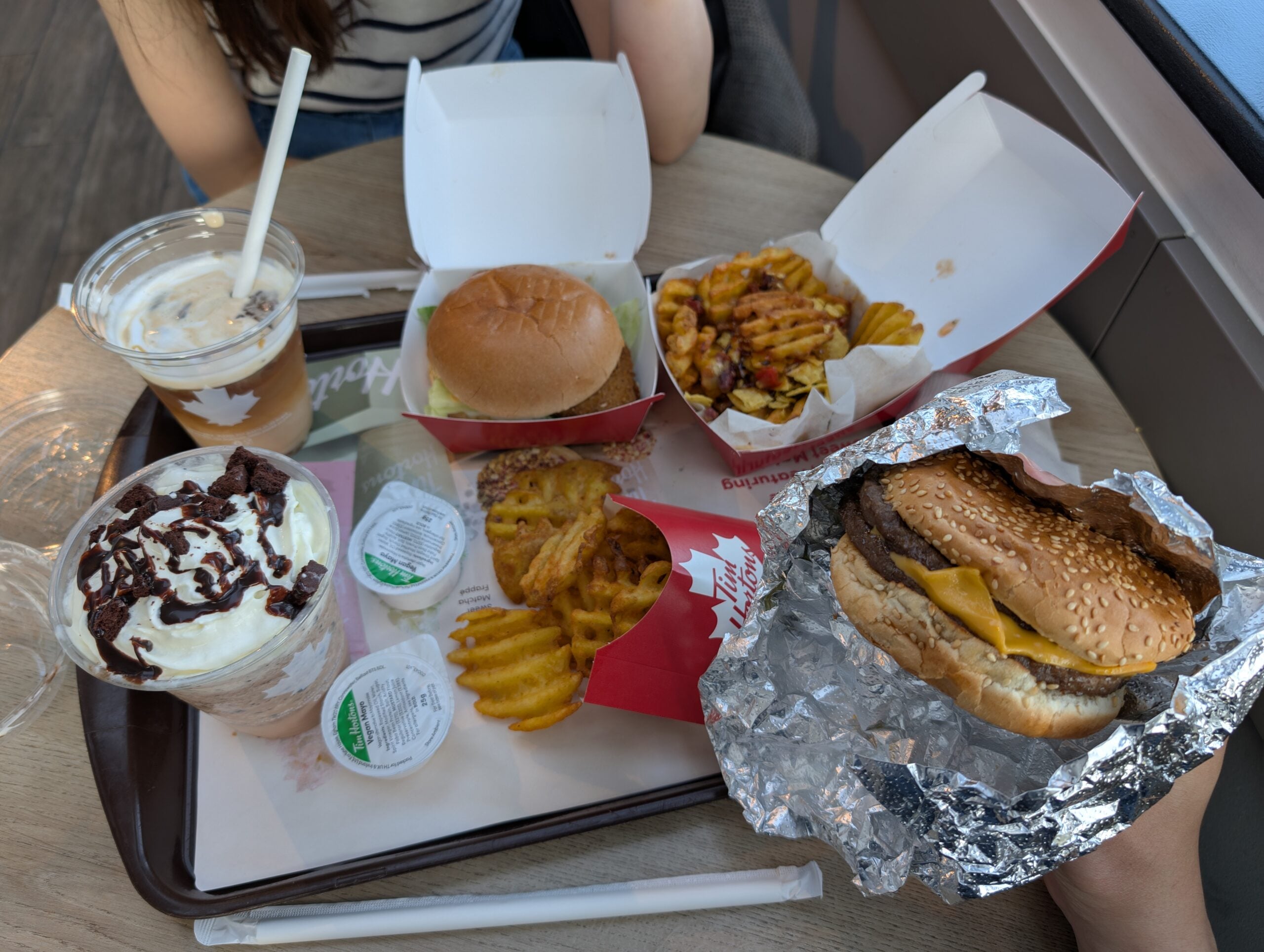
Despite clear differences, there was surprising overlap in what all three generations said. Convenience remains Tim Hortons' biggest strength. Whether people were 22, 42, or 72, they recognized the chain's ubiquity, quick access, and role as a dependable stop in a busy day.
Price was another shared concern. Even customers who still visit regularly said affordability feels more fragile than it once did. That reflects a wider food-service reality as inflation, labor costs, and ingredient costs reshape what consumers perceive as fair value in quick-service dining.
Quality consistency also stood out as a unifying issue. Across generations, people said one excellent location can build trust while one disappointing visit can damage it quickly. In an era when customer reviews travel fast and alternatives are plentiful, consistency is not a minor operational detail. It is central to brand strength.
What Tim Hortons Can Learn From This Generational Divide
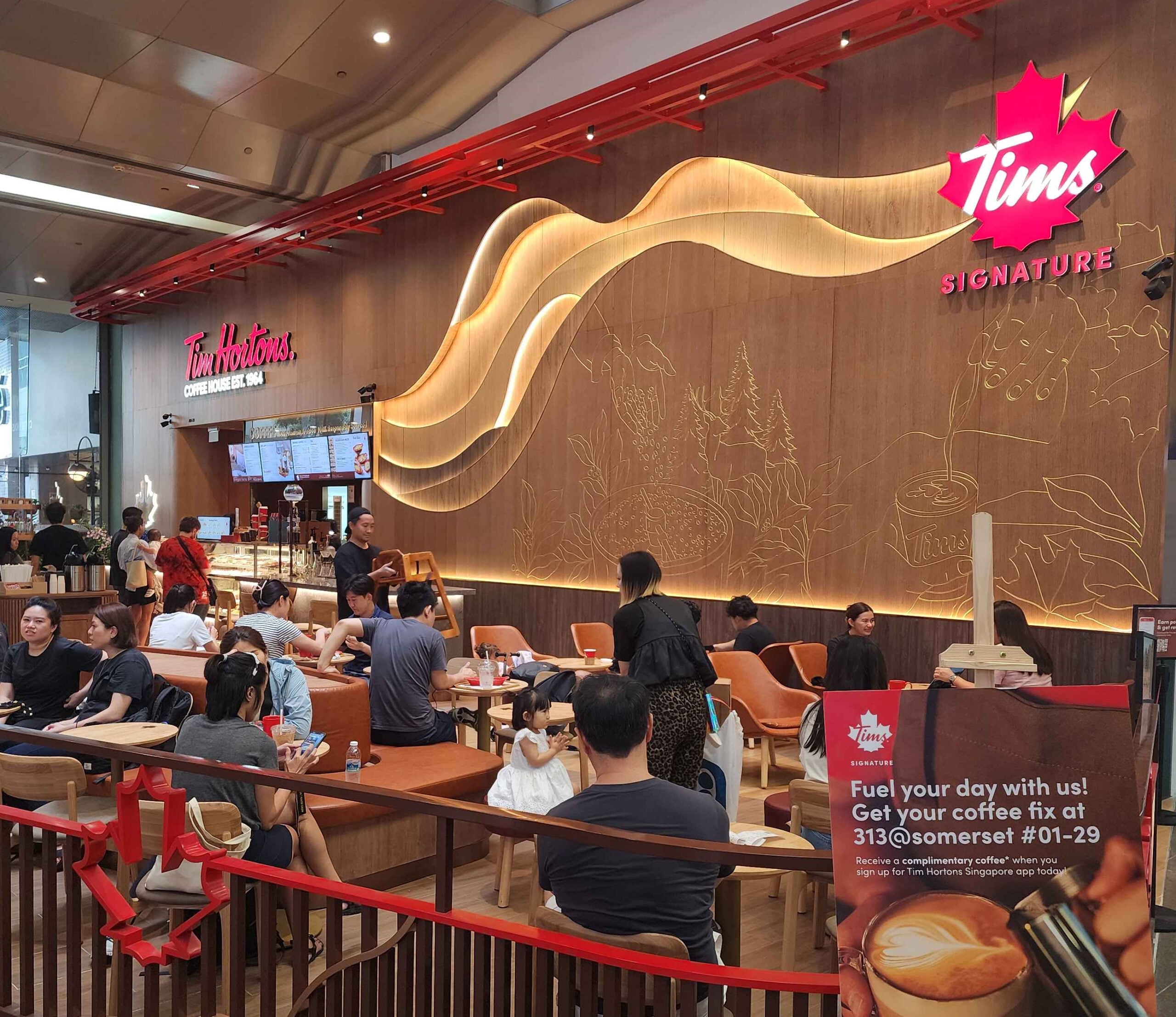
The clearest lesson is that Tim Hortons serves different emotional needs at once. For Boomers, it is comfort and continuity. For Millennials, it is convenience that must still justify the spend. For Gen Z, it is a brand that has to prove it belongs in a crowded, highly visual, choice-rich market.
That does not mean the company needs three separate identities. It means the fundamentals matter more than ever: hot coffee served properly, dependable food quality, sensible pricing, a smooth app experience, and selective innovation that feels credible rather than forced.
In the end, each generation is asking for a version of the same thing. They want Tim Hortons to feel worth the stop. When the chain delivers familiarity, value, and consistency at once, it still holds a place that few competitors can easily replace.




Leave a Reply