
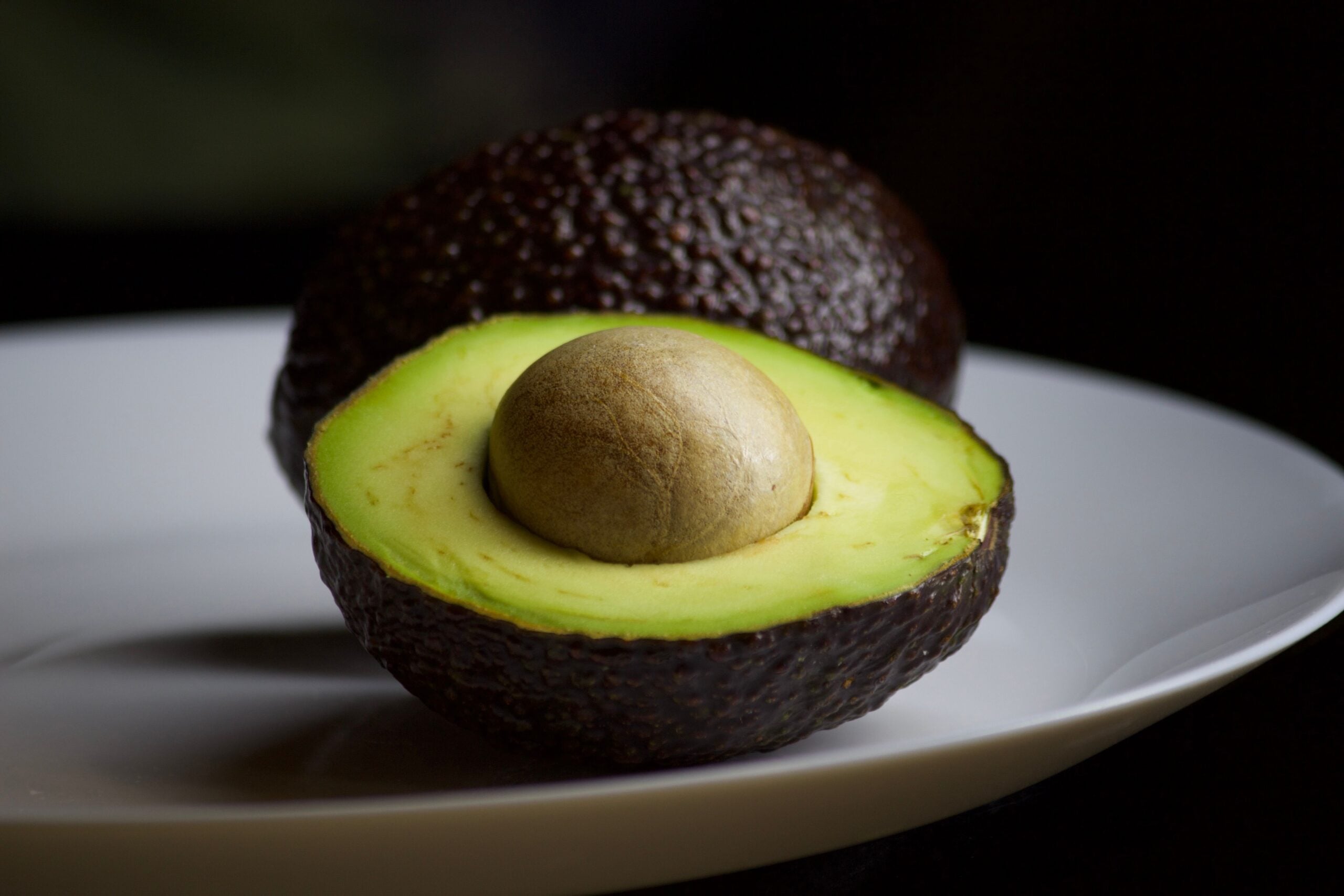
Avocados have earned their healthy reputation for good reason. But even nutrient-dense foods can become less helpful when portion sizes quietly grow too large.
Digestive discomfort can show up faster than you expect
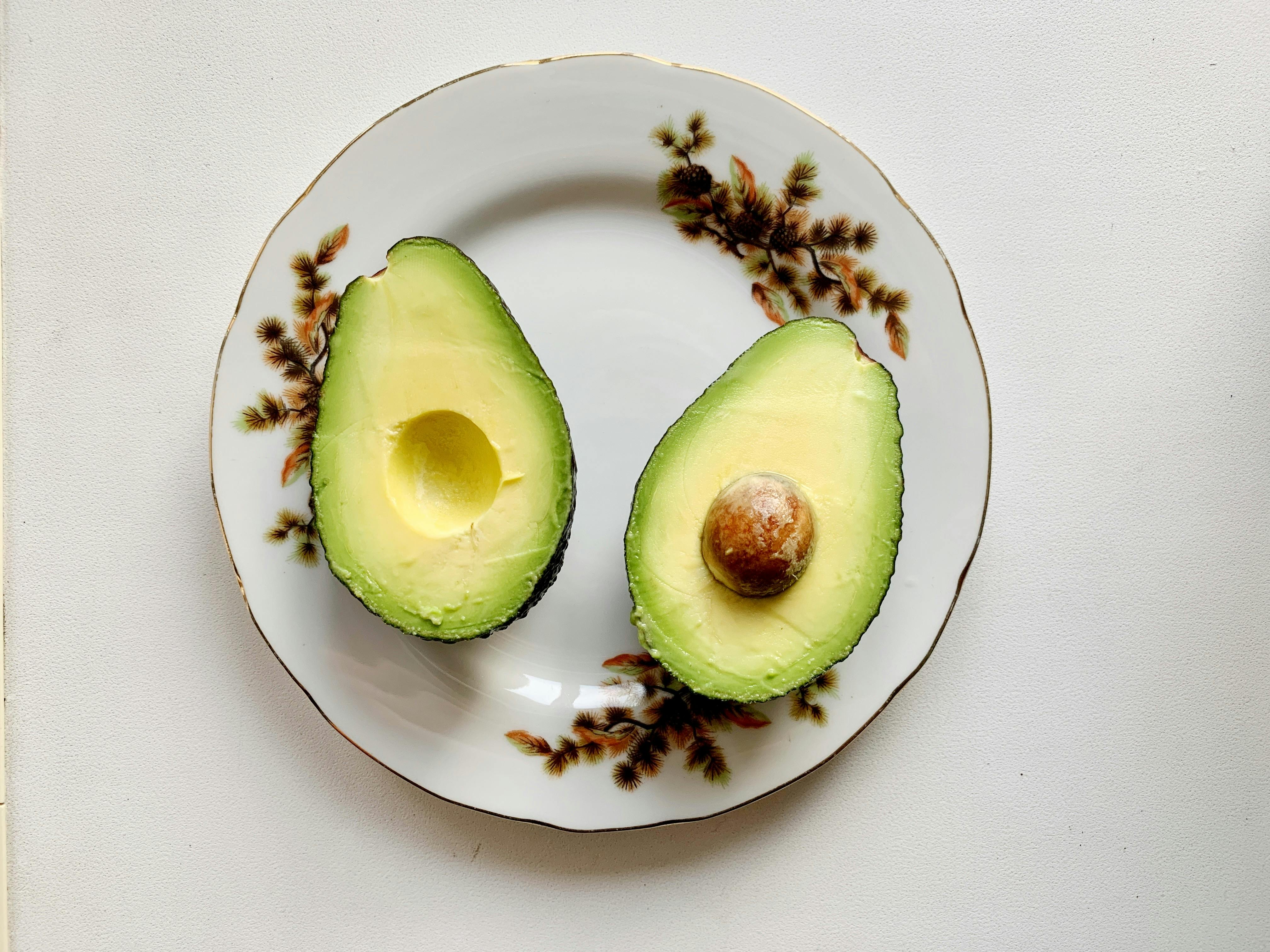
Avocados are rich in fiber, and that is usually a benefit for heart health, blood sugar control, and regular digestion. A medium avocado can provide around 10 grams of fiber, which is a sizable amount for one food.
The problem starts when your digestive system gets more fiber than it is used to handling in a short period. Bloating, gas, abdominal pressure, and changes in bowel habits can follow, especially if the rest of your diet is already high in beans, whole grains, fruits, and vegetables.
Some people are also more sensitive to polyols and other fermentable carbohydrates that can trigger digestive symptoms. If you notice discomfort after large servings of avocado, the issue may be quantity rather than the fruit itself.
Calories can add up even when the food is considered healthy
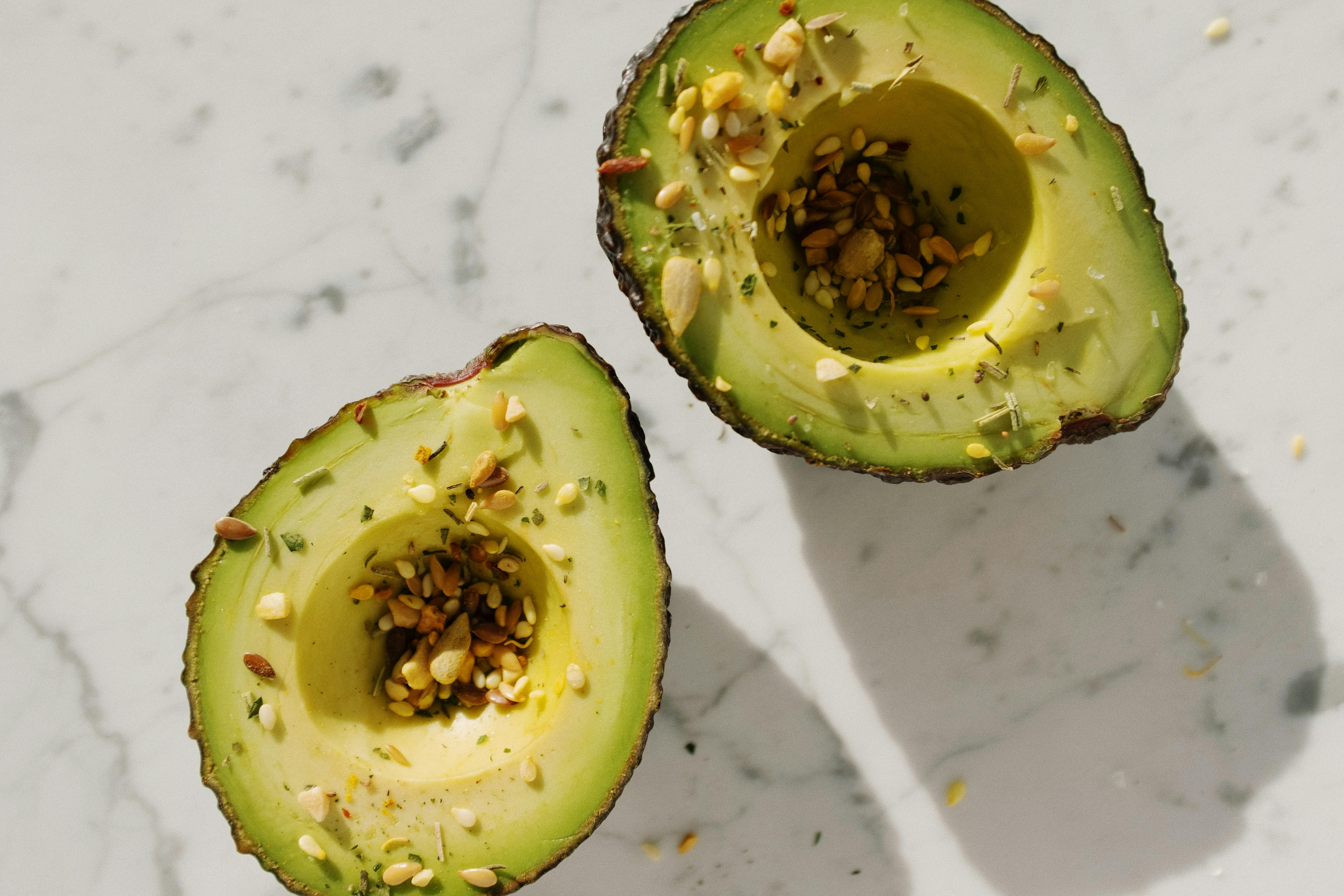
One reason avocados are so satisfying is their fat content. Most of that fat is monounsaturated, the same type linked to better cardiovascular health when it replaces saturated fat in the diet.
Still, healthy fat is not low-calorie fat. One whole avocado can contain roughly 240 to 320 calories depending on size, and that number rises quickly when avocado is added to toast, salads, burritos, smoothies, and dips in the same day.
According to nutrition experts, weight gain rarely comes from one food alone. But if avocados are eaten generously on top of your normal intake rather than replacing other calorie sources, they can quietly push daily energy intake beyond what your body needs.
Too much fat may worsen reflux or stomach upset in some people

Avocados are often gentle on the stomach, but that is not true for everyone. For people prone to acid reflux, indigestion, or delayed stomach emptying, larger high-fat meals can sometimes make symptoms worse.
Fat slows digestion, which can leave food sitting in the stomach longer. In practical terms, that may increase feelings of fullness, nausea, belching, or burning discomfort, particularly when avocado is paired with cheese, fried foods, or spicy meals.
This does not mean avocados cause reflux in all people. It means portion size and meal composition matter, and anyone with ongoing gastrointestinal symptoms should pay attention to patterns after richer meals.
Vitamin K can interfere with certain blood-thinning medications

Here is a side effect many people never consider because it is not really about avocado being unhealthy. It is about how avocado fits into a medical treatment plan.
Avocados contain vitamin K, a nutrient that helps the body regulate blood clotting. For most people, that is beneficial, but for those taking warfarin or similar blood-thinning medication, sudden changes in vitamin K intake can affect how the drug works.
Doctors usually do not tell patients to avoid vitamin K foods completely. Instead, they stress consistency. If you rarely eat avocado and then begin having large amounts daily, your medication balance may need closer monitoring.
Allergic reactions and latex cross-reactivity are possible
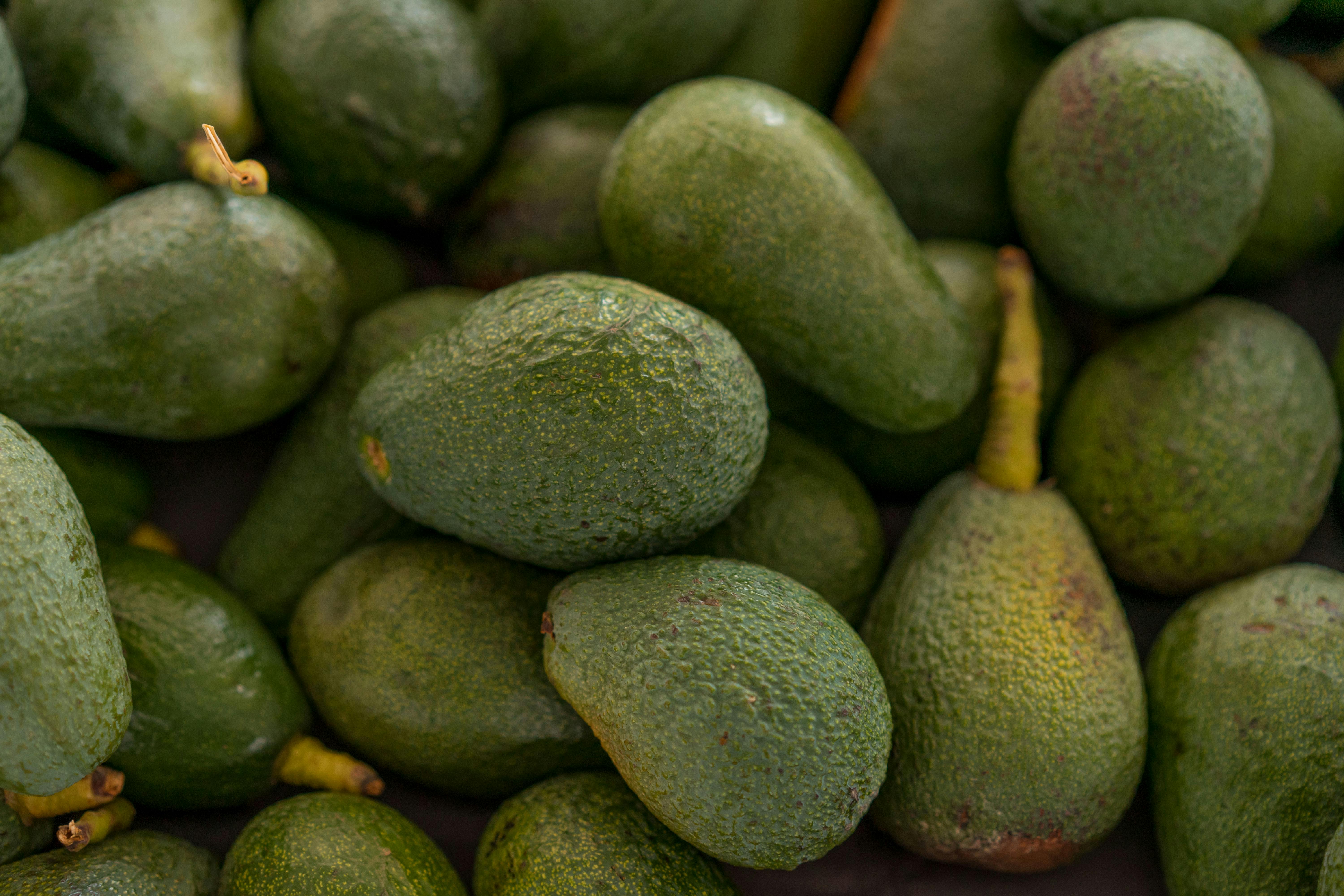
For a small number of people, avocado is more than a rich fruit. It is a trigger. Symptoms can range from mild itching in the mouth to hives, stomach cramps, nasal symptoms, or more serious allergic reactions.
There is also a well-documented connection between latex allergy and reactions to certain foods, including avocado. This happens because some proteins are similar enough to confuse the immune system, a pattern often called latex-fruit syndrome.
If avocado repeatedly causes tingling, swelling, or digestive distress, it is worth taking seriously rather than brushing it off. An allergist can help determine whether the reaction is a true allergy, an intolerance, or part of a broader cross-reactive pattern.




Leave a Reply