
Canada still grows more food than most countries could ever hope to produce. The problem is that growing it is no longer the same as winning in world markets.
Canada's export strength is real, but its position is slipping
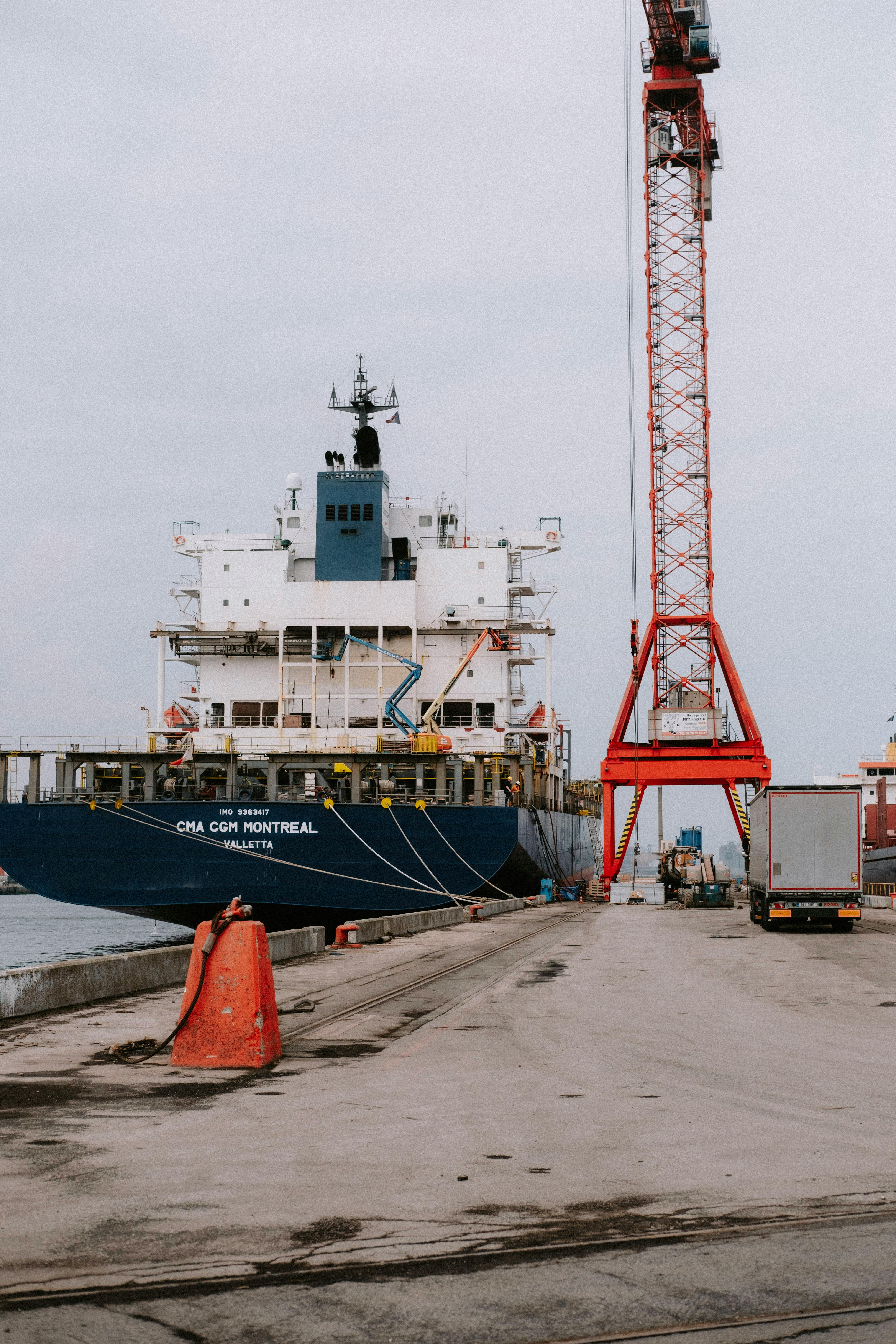
Canada is still a heavyweight in canola, wheat, pulses, pork, and seafood. It has a reputation for safe food, reliable quality, and large-scale production. For decades, those strengths helped the country punch above its size in agricultural trade.
But market share is about momentum, not just volume. Global food demand has kept rising, especially in Asia, Africa, and the Middle East, while competing exporters such as Brazil, the United States, Australia, and parts of the European Union have often expanded faster. In several categories, Canada is selling more in absolute terms while still losing relative ground.
That matters because global market share shapes pricing power, buyer loyalty, and future contracts. When importers build supply chains around rival exporters, Canada can be left competing harder for business it once captured more easily. According to trade analysts and industry groups, that erosion is subtle at first, then expensive.
The costs begin on the farm and spread outward
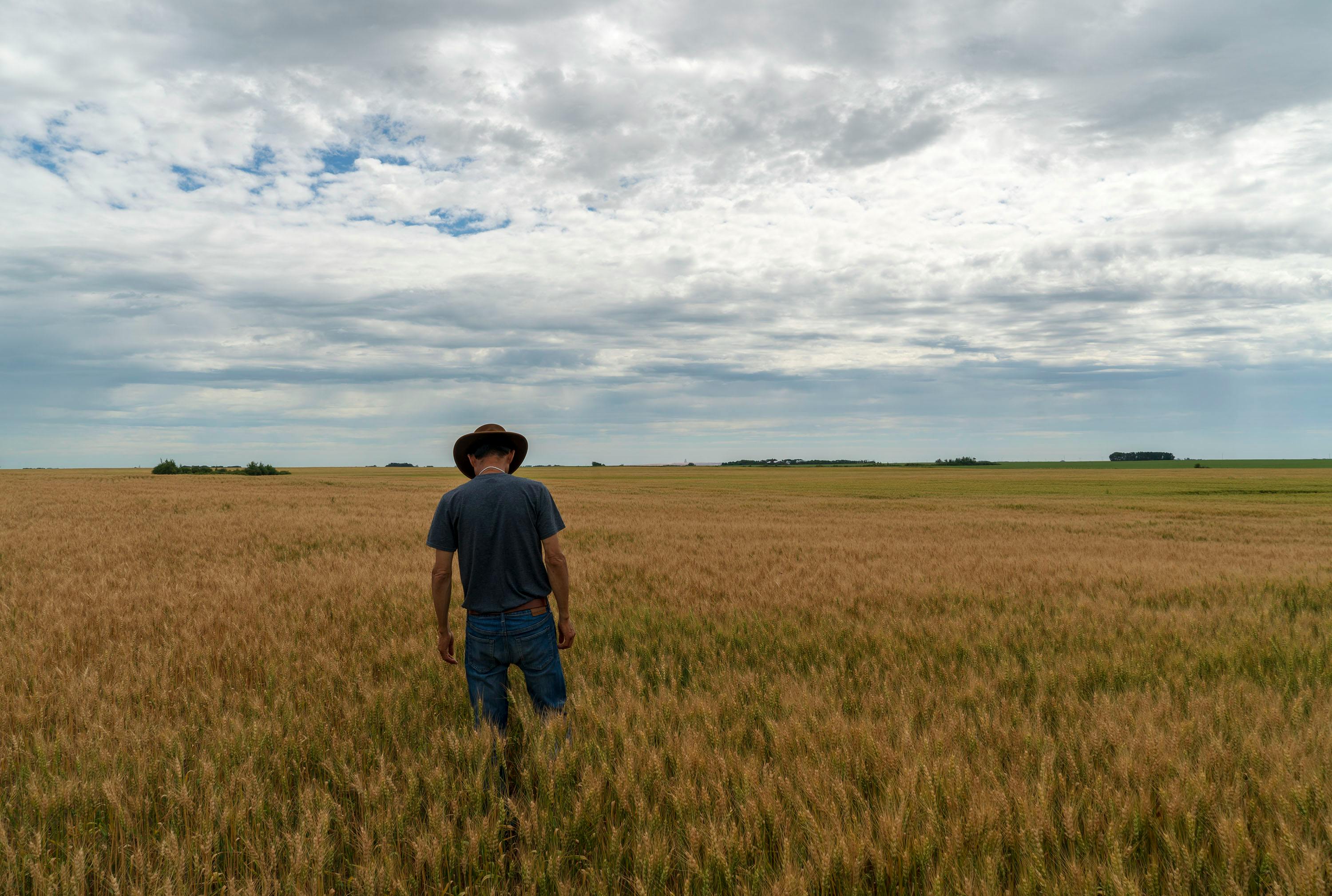
The first hit lands with producers. When Canada loses share in export markets, farmers face weaker bargaining power, more volatile basis levels, and fewer premium opportunities for crops and livestock that must move abroad to earn top value.
Those pressures spread quickly beyond the farm gate. Grain handling companies, meat processors, food manufacturers, cold storage operators, trucking fleets, railways, and port terminals all depend on strong export flow. If sales growth lags global demand, those businesses lose throughput, margins, and reasons to expand in Canada.
The wider economy pays as well. Food exports support rural tax bases, equipment purchases, research activity, and thousands of jobs in communities that do not have many alternative industries. Every missed shipment is not just a trade statistic. It is foregone income, lower investment, and less resilience across the supply chain.
Infrastructure bottlenecks are one of the biggest hidden penalties
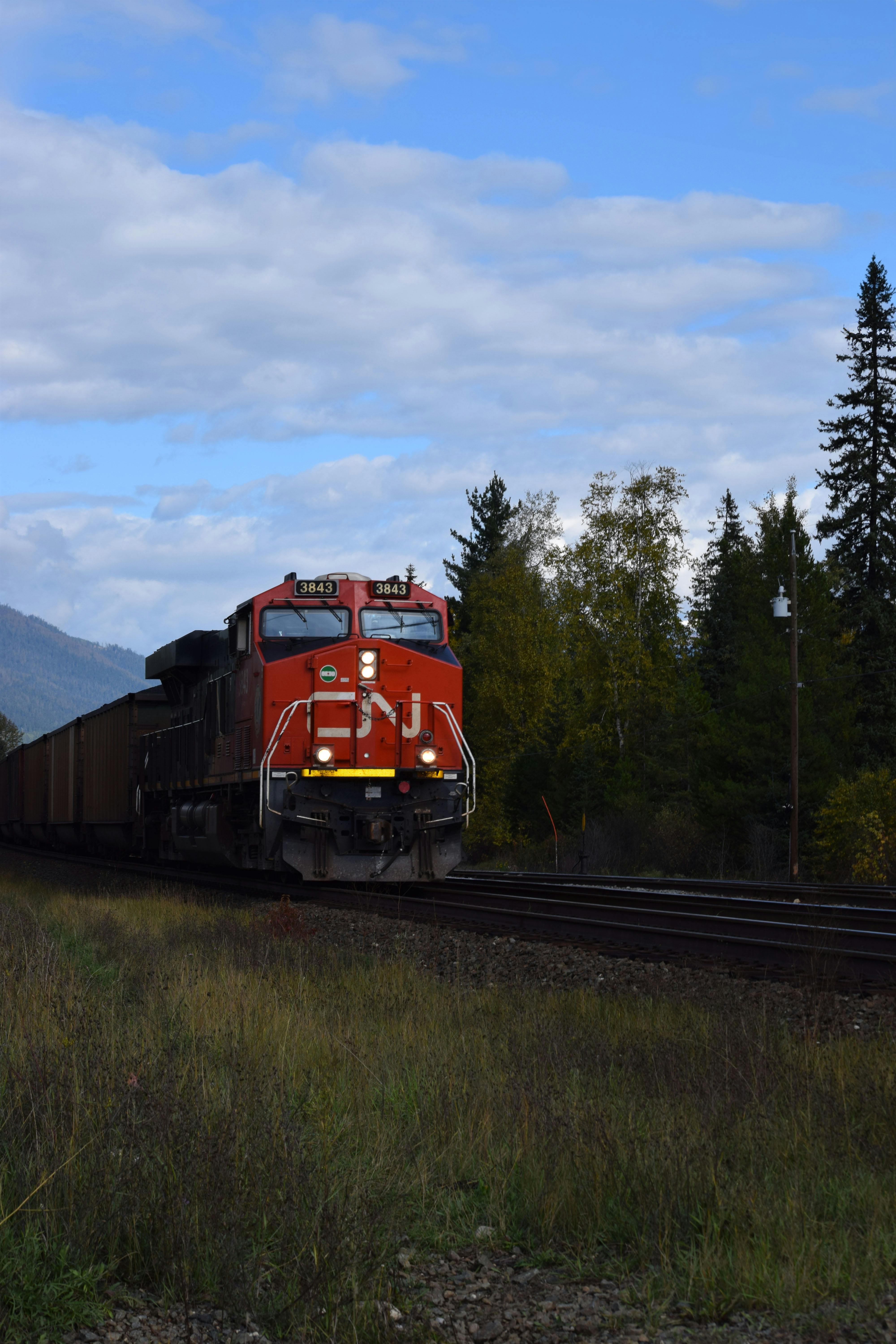
A country can produce efficiently and still lose customers if it cannot ship dependably. That is one of Canada's recurring problems. Rail congestion, port delays, labor disruptions, weather shocks, and capacity strains have all made delivery less predictable than major buyers want.
Importers value consistency almost as much as price. A crusher in Asia or a flour mill in North Africa needs cargoes to arrive on schedule, not merely eventually. When Canadian shipments are delayed, buyers often turn to suppliers with deeper port networks or more flexible inland logistics.
The penalty is larger than a single lost sale. Once a competitor becomes the dependable backup supplier, it can become the preferred supplier. That shift weakens Canada's long-term commercial relationships and raises the discount exporters may need to offer to keep business.
Trade access exists, but competitors are moving faster
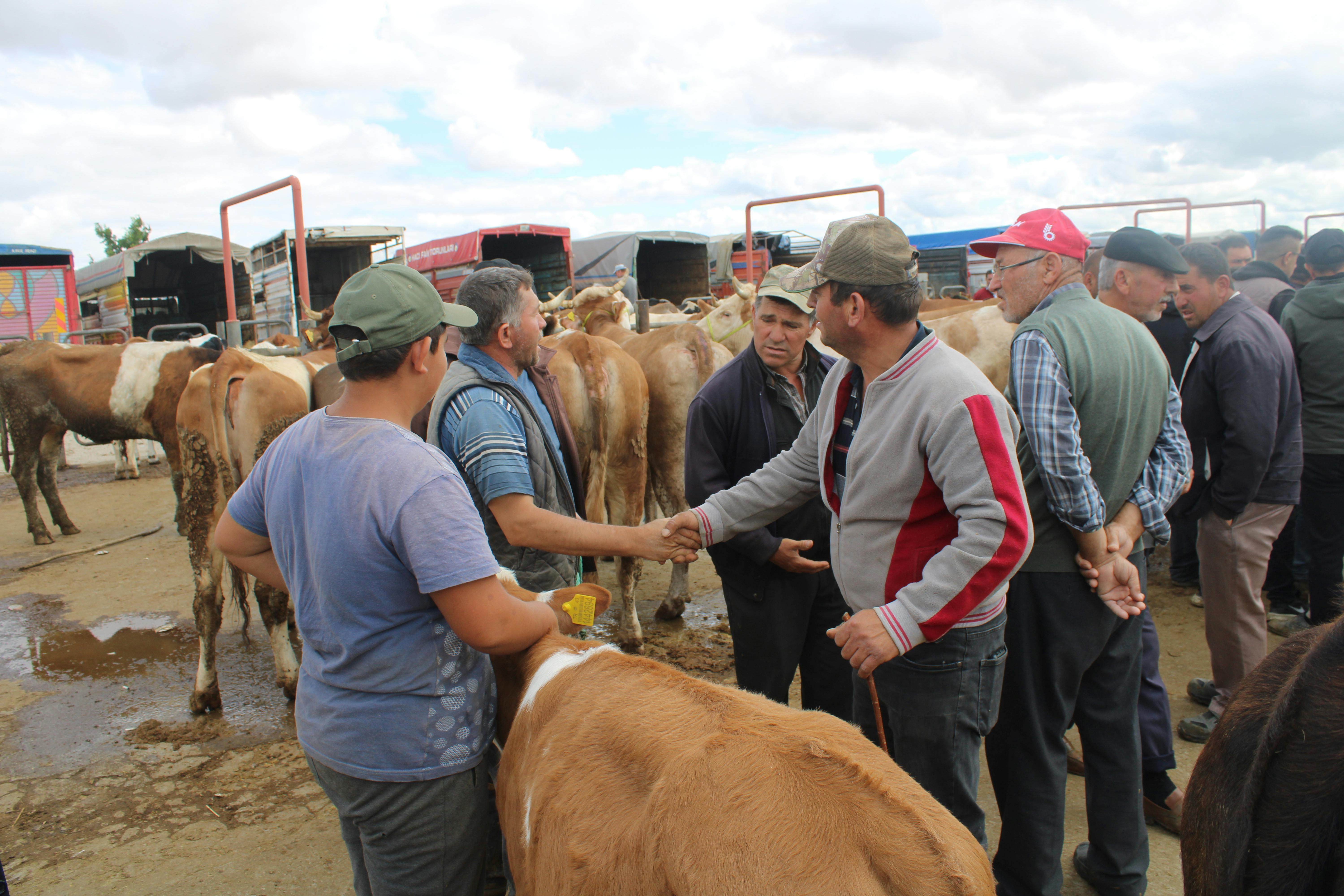
Canada has signed important trade deals and enjoys access advantages in several markets. Agreements covering Europe and the Asia-Pacific region should have created more room for food exporters to grow. In theory, that gives Canada a strong platform.
In practice, access on paper is not the same as market capture. Non-tariff barriers, slow regulatory approvals, shifting sanitary rules, and country-specific certification demands often limit how fully exporters can use those agreements. Competitors that move faster on diplomacy and market development can take the lead.
Brazil offers a clear example of speed and scale. It has expanded aggressively in soy, beef, poultry, and corn, backed by infrastructure investment and persistent market-building. Australia has also sharpened its premium export strategy in Asia. Canada, by contrast, has too often relied on reputation when execution needed to improve.
Processing and value-added opportunities are also at risk
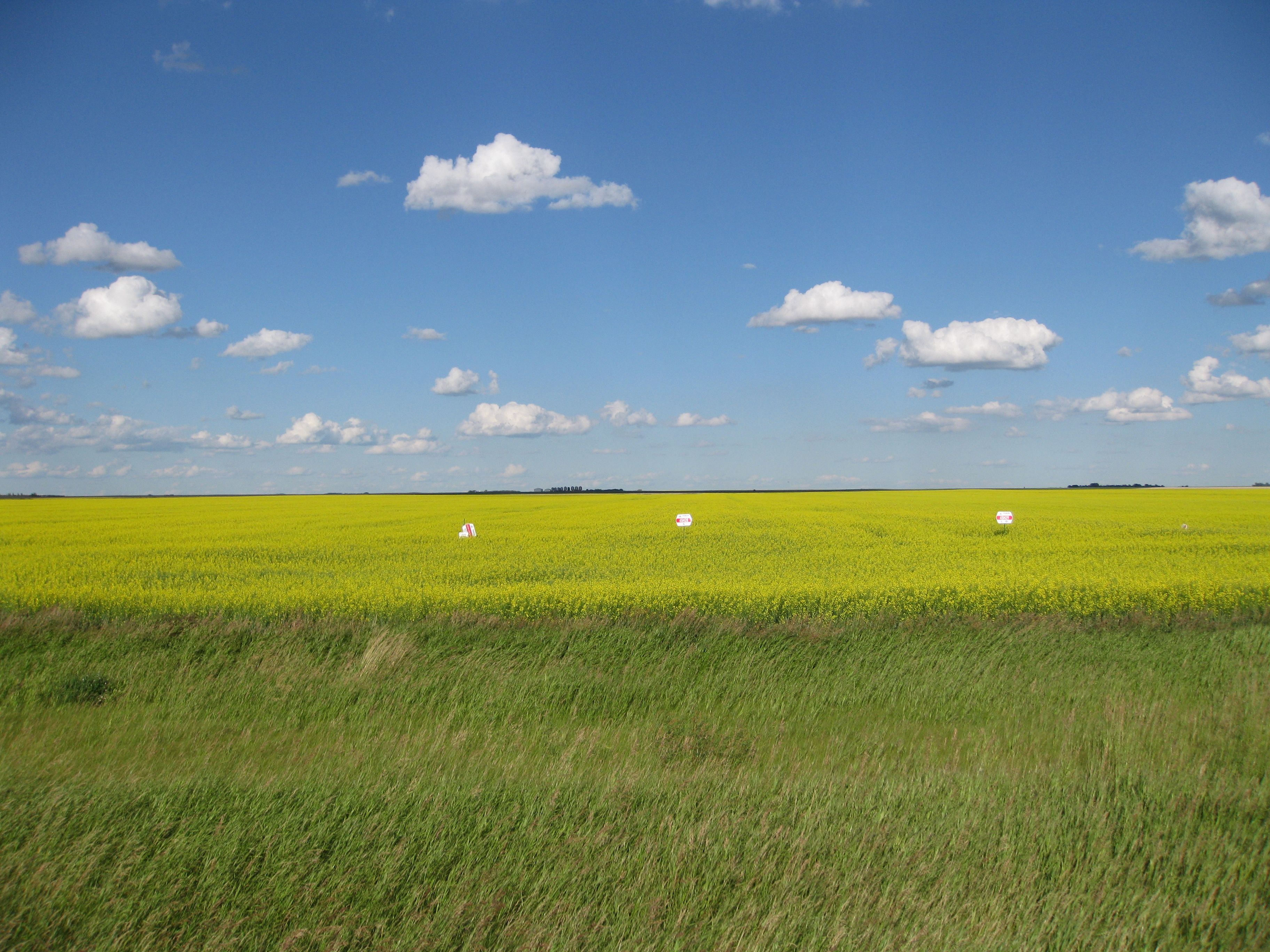
The biggest prize in food trade is not always raw commodity volume. It is value-added processing, where more of the profit stays at home through crushing, refining, packaging, ingredient manufacturing, and branded food production.
When Canada loses export share or appears less reliable, investors notice. A company deciding where to build a canola crush plant, protein fractionation facility, or meat processing expansion looks at logistics, policy certainty, labor availability, and export access. If another country appears easier to operate in, capital moves there instead.
That has lasting consequences. Value-added plants create higher-paying jobs and deeper industrial ecosystems than bulk exports alone. They also generate byproducts, innovation, and local demand for farm output. Losing those projects means losing future tax revenue, technical capacity, and a stronger position in global food manufacturing.
What Canada must do to stop the slide
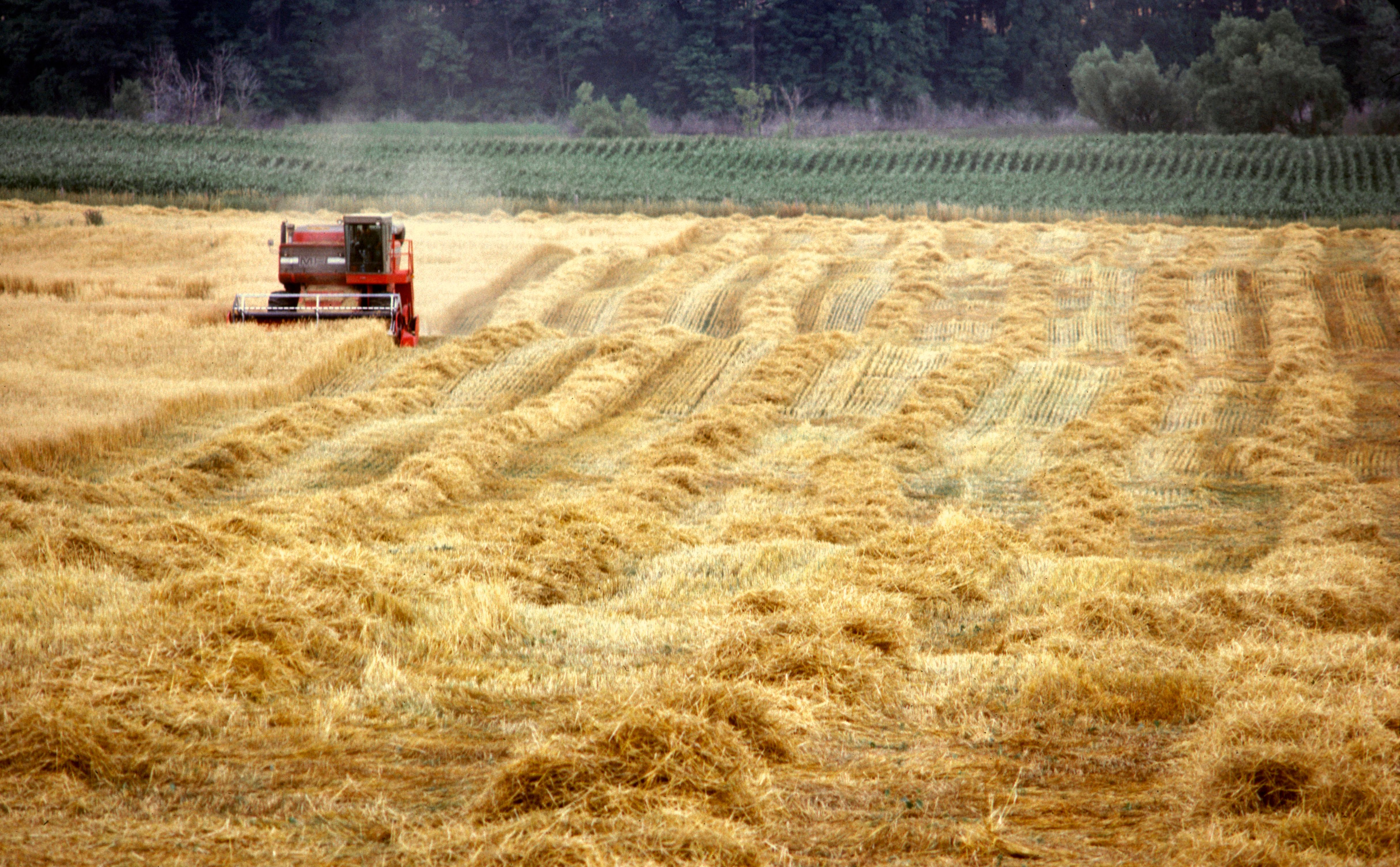
The starting point is practical, not symbolic. Canada needs more reliable trade infrastructure, faster regulatory coordination, and fewer disruptions across rail, ports, and border systems. Buyers will pay for quality, but they do not reward uncertainty for long.
The next step is sharper market strategy. That means targeted promotion in high-growth regions, quicker responses to trade irritants, and stronger support for exporters navigating foreign rules. It also means treating food exports as strategic economic policy, not as a background success story that runs on autopilot.
Finally, Canada must compete for investment as aggressively as it competes for sales. If governments and industry can improve certainty, logistics, and processing capacity, the country can regain lost ground. If not, the cost will keep mounting in jobs, income, and influence across one of Canada's most important sectors.




Leave a Reply