
Canada's restaurant industry is serving plenty of meals, but many owners say the money left over at the end of the day is shrinking. The headline finding that ⅔ of Canadian restaurant owners report lower profits than a year ago reflects a deeper squeeze that touches nearly every part of the business.
A busy dining room no longer guarantees a healthy bottom line

A full restaurant can look like a sign of success, yet owners know traffic and profit are very different things. According to industry surveys and reporting from groups such as Restaurants Canada, many operators say sales may be stable or even improving slightly while margins continue to erode.
That happens because revenue is being eaten away by rising input costs. Beef, cooking oil, dairy, produce, cleaning supplies, packaging, and utilities have all become more expensive over the past two years, even as some food inflation has cooled from its peak.
The result is a harsh arithmetic problem. A restaurant might sell more meals than last year and still earn less, because every plate carries higher labor, ingredient, rent, and financing costs than before.
Consumers are still spending, but they are trading down

The first major pressure point is the customer. Canadian households continue to face high housing costs, elevated borrowing rates, and stretched grocery budgets, which has changed the way many people dine out.
Instead of cutting restaurant visits entirely, many diners are reducing the size of the bill. They may skip appetizers, share desserts, avoid alcoholic drinks, or choose quick-service chains over full-service restaurants. For independent operators, that behavior can sharply reduce average cheque size.
This trade-down effect matters because beverage sales and add-ons often carry better margins than main dishes. When consumers become more cautious, restaurants lose some of the most profitable parts of each order, even if foot traffic remains respectable.
Labor costs are rising faster than many menus can keep up
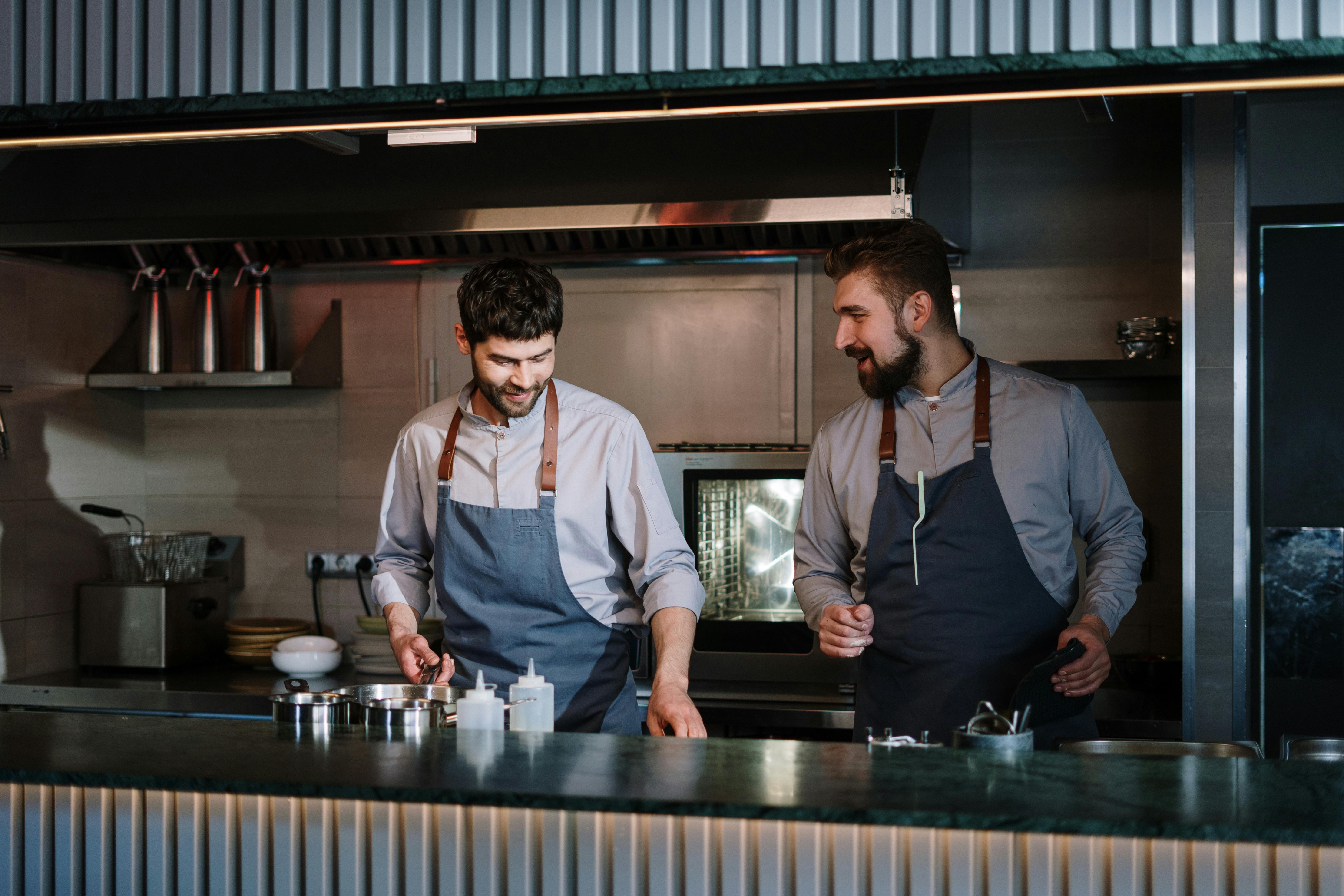
Every restaurant depends on labor, and that line item has become heavier. Minimum wage increases in several provinces, ongoing competition for experienced kitchen staff, and pressure to offer more predictable scheduling have pushed payroll costs upward.
Owners also face hidden labor expenses beyond hourly wages. Employer contributions, vacation pay, training, overtime, and retention efforts all add to the final bill. In a tight labor market, replacing a cook or server is costly and disruptive.
Many operators cannot simply raise prices enough to offset those increases. If menu prices jump too far or too often, customers notice immediately and may cut back, especially when they already feel financially strained.
Debt, rent, and fixed costs are making the squeeze worse

For some restaurant owners, the most damaging costs are the ones that do not fall when business slows. Commercial rent, insurance, equipment leases, point-of-sale systems, waste removal, and property-related charges remain due every month.
Borrowing costs have added another layer of stress. Restaurants that took on debt during the pandemic, or relied on credit lines to cover cash flow gaps, have been hit by higher interest rates. What was once manageable financing can now consume a much larger share of monthly income.
This is particularly hard on independents and small regional chains. Large brands may have stronger purchasing power and more room to spread overhead across many locations, while single-unit operators absorb shocks with far less flexibility.
Owners are adapting, but there are limits to what efficiency can do

Many restaurateurs are not standing still. They are shrinking menus, renegotiating supplier contracts, using reservation and inventory software more carefully, and redesigning staffing plans to reduce waste and improve table turnover.
Some are also leaning into higher-margin categories such as breakfast, takeout bundles, catering, or alcohol-free specialty drinks. Others are simplifying dishes so kitchens can run with fewer staff and lower prep complexity during slower periods.
These tactics help, but they do not solve everything. There is only so much trimming a restaurant can do before service suffers, menu quality slips, or the guest experience starts to feel noticeably thinner.
What this means for Canada's food scene going forward
The fact that ⅔ of restaurant owners say profits are down should be read as a warning sign, not just a difficult business statistic. Restaurants are major employers, neighborhood anchors, and an important part of Canada's tourism and social life.
If low profitability persists, consumers may see more reduced hours, smaller menus, postponed renovations, and in some cases permanent closures. That can be especially damaging in smaller communities and urban main streets where independent dining options help define local identity.
The broader lesson is simple. Even when restaurants appear busy, the economics underneath can be fragile. Until costs ease meaningfully or consumers regain stronger spending power, many Canadian operators will remain stuck in a cycle of hard work without adequate return.




Leave a Reply