
Some ultra-processed foods are obvious. Others hide behind health halos, convenience, or clever packaging.
Flavored Yogurt Cups

Yogurt sounds wholesome, and plain yogurt often is. But many single-serve flavored cups are closer to dessert than a simple cultured dairy food. Nutritionists often point to the long ingredient lists in these products, which can include modified starches, gums, colorings, flavor systems, and multiple sweeteners layered in to control texture and taste.
A 2024 wave of consumer label reviews found that many fruit-on-the-bottom and kids' yogurts contain far more added sugar than people expect from a breakfast item. Some also rely on fruit preparations rather than substantial fruit, which means concentrates, pectin, syrups, and stabilizers are doing much of the work. The result is a product engineered for consistency, shelf life, and sweetness.
That does not make every flavored yogurt unhealthy in every context. It does mean shoppers should compare plain Greek yogurt with a flavored version side by side. Nutritionists usually suggest choosing plain yogurt and adding real berries, cinnamon, or ½ teaspoon of honey if needed.
Whole-Grain Breakfast Cereals
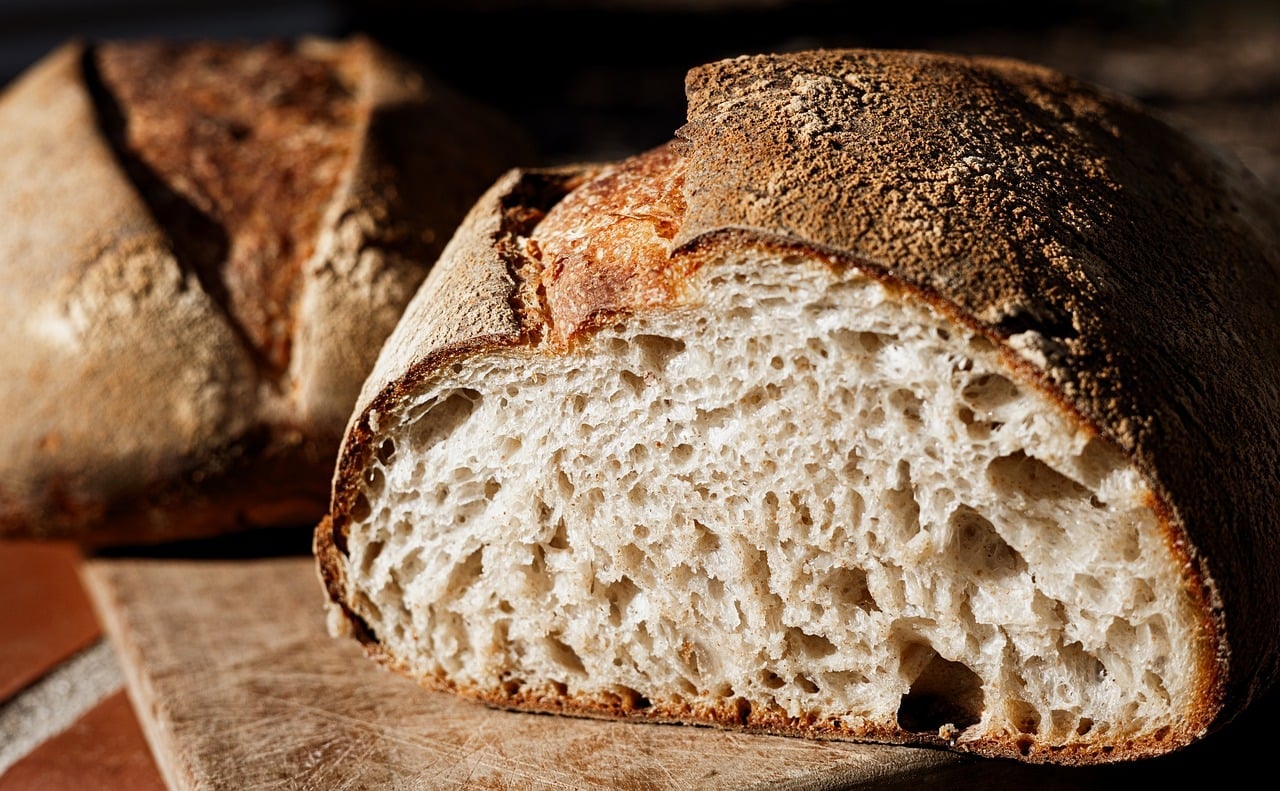
A box stamped with whole grain claims can still hold an ultra-processed product. Many breakfast cereals begin with milled grain fractions that are then extruded, puffed, sweetened, colored, and fortified after processing. Experts say this industrial sequence matters because it creates a food very different from intact oats, wheat berries, or minimally processed muesli.
Manufacturers often add vitamins and minerals back in, which can make the nutrition panel look impressive. But fortification does not erase heavy refining, added sugars, or the use of flavor coatings and texture aids. Some cereals marketed to adults also contain syrups, isolates, and natural flavors that make them more palatable and more processed than their front labels suggest.
A useful real-world test is chewing time. Steel-cut oats and old-fashioned rolled oats demand more texture and less sweetness, while many boxed cereals dissolve quickly and encourage larger portions. Nutritionists generally recommend looking for short ingredient lists and lower sugar totals, especially for foods eaten daily.
Plant-Based Meat Alternatives
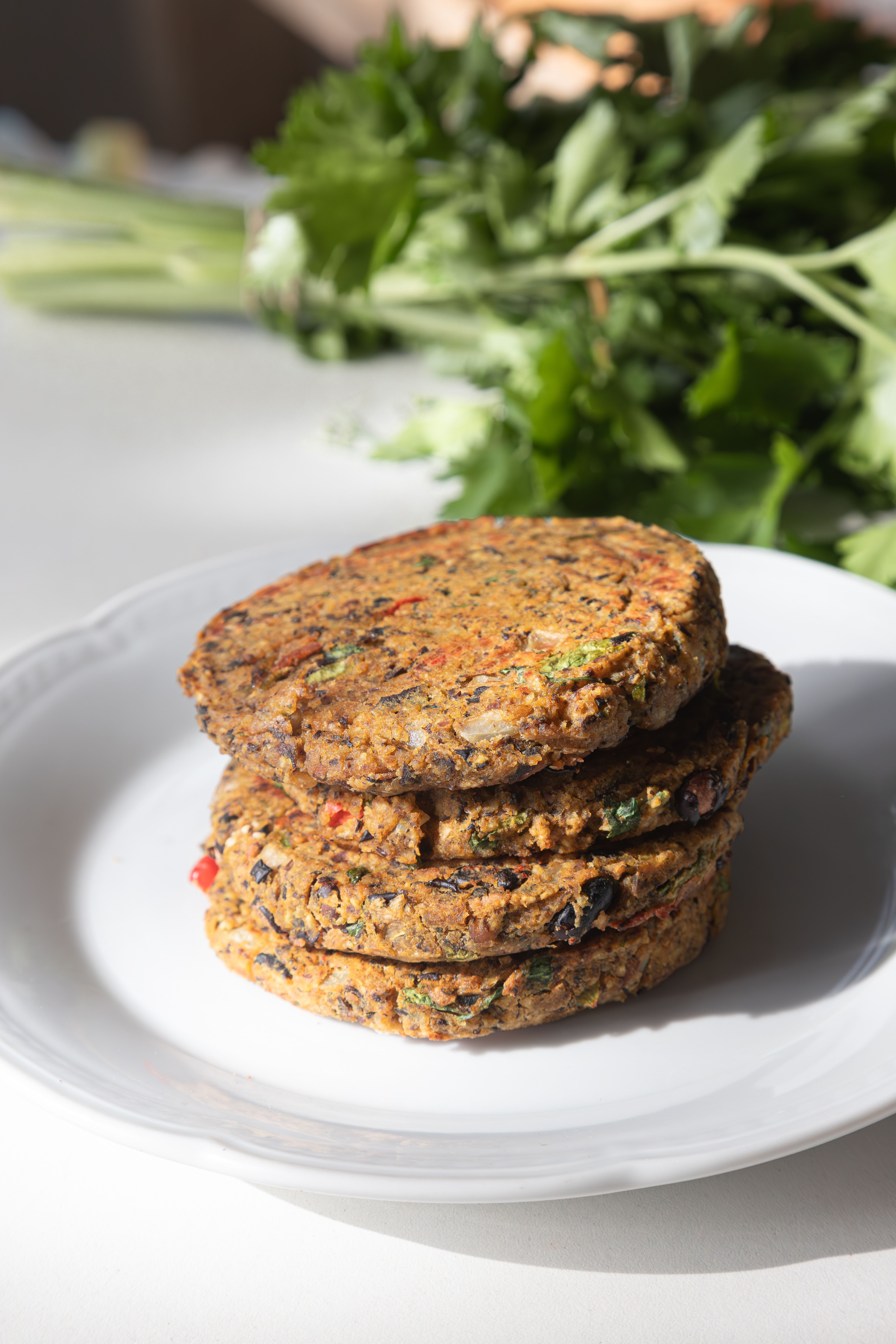
Meat-free burgers and nuggets can help people reduce red meat, but they are often classic ultra-processed foods. Many are built from protein isolates, seed oils, methylcellulose, starch blends, yeast extracts, flavorings, and color compounds designed to imitate meat. Dietitians note that these items are technological achievements, not simply vegetables formed into patties.
This category often confuses shoppers because the products may be high in protein and marketed as sustainable. Both points can be true while the food remains heavily processed. Some products also carry sodium levels comparable to fast food, which matters for people monitoring blood pressure or overall intake.
Nutritionists usually separate bean burgers from engineered meat analogues. A patty made mostly from black beans, quinoa, mushrooms, and spices is very different from one built in a lab-like ingredient system. If convenience is the goal, experts suggest balancing these products with minimally processed proteins across the rest of the week.
Protein Bars

Protein bars are sold as fuel, recovery food, or smart snacking. Yet many are ultra-processed mixtures of isolates, syrups, fibers, emulsifiers, sugar alcohols, and coatings that create a candy-bar texture with a wellness image. Nutrition professionals often warn that the bar aisle is one of the easiest places to confuse marketing language with food quality.
A bar can advertise 20 grams of protein while still being built from highly manipulated ingredients. Common examples include soy protein isolate, whey protein isolate, chicory root fiber, glycerin, palm kernel oil, and artificial or natural flavor blends. These ingredients can be useful in manufacturing, but they usually signal a product designed more by formulation than by traditional cooking.
For busy days, a protein bar may still be practical. The smarter move is to treat it as a backup option rather than a daily staple. Many nutritionists recommend comparing it against simpler snacks like cottage cheese, roasted chickpeas, nuts, or a boiled egg with fruit.
Bottled Smoothies and Juice Blends
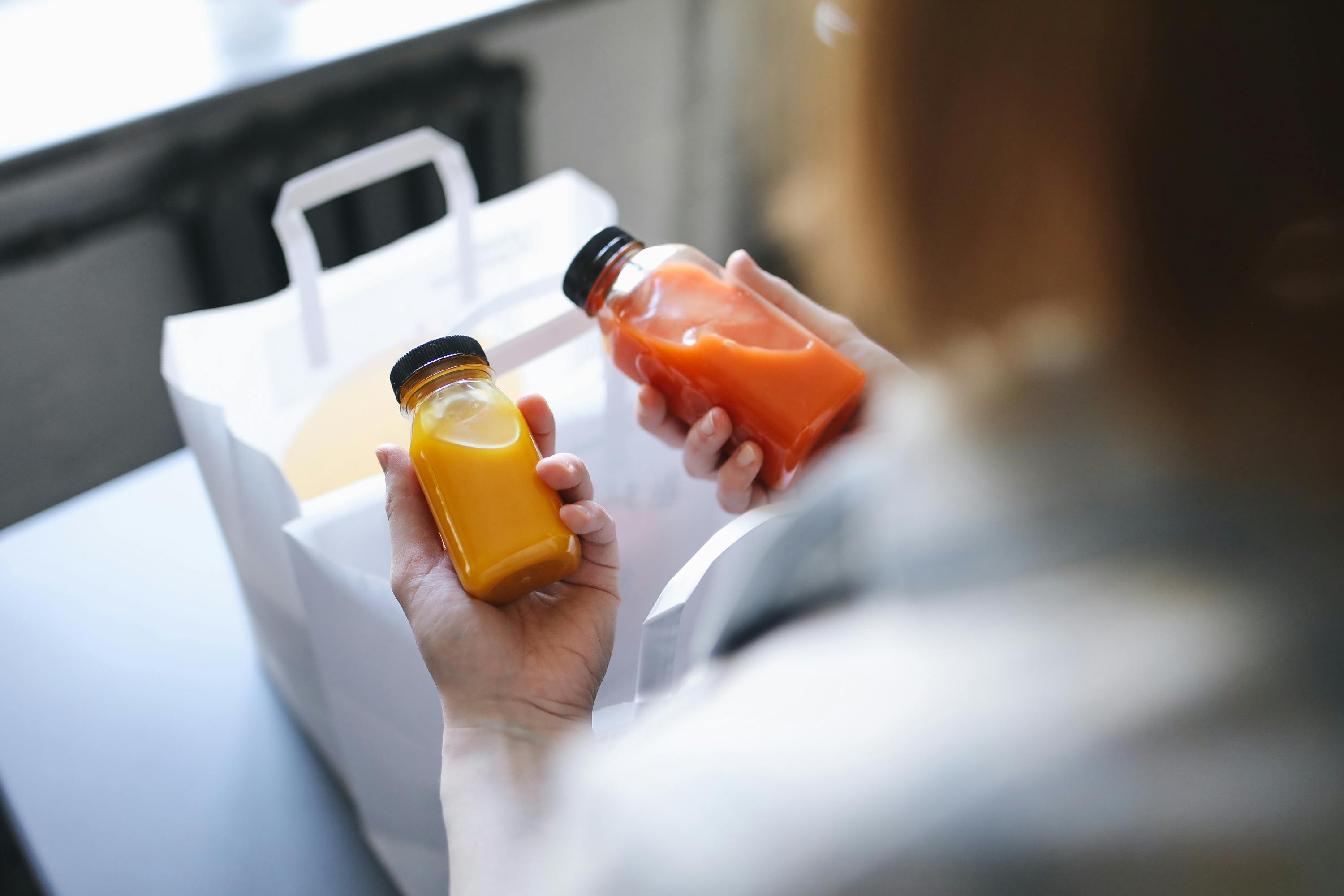
A bottled smoothie can look like a shortcut to better nutrition. Bright labels, fruit imagery, and words like green, probiotic, or immune often create a strong health halo. But many packaged smoothies and juice blends are ultra-processed beverages made with purees, concentrates, added fibers, flavor packs, and stabilizers that keep the drink uniform for weeks.
The problem is not just sugar, though that can be substantial. It is also the speed and ease with which these drinks are consumed compared with eating whole fruit or blending a fresh smoothie at home. Liquids generally deliver less satiety, so people may take in more calories without feeling as full.
Nutritionists often tell clients to inspect whether vegetables or whole-food ingredients actually lead the label. A refrigerated bottle made from mostly apple juice concentrate is not nutritionally equivalent to spinach, berries, yogurt, and chia blended in a kitchen. Packaging can flatten those differences in a hurry.
Packaged Gluten-Free Bread
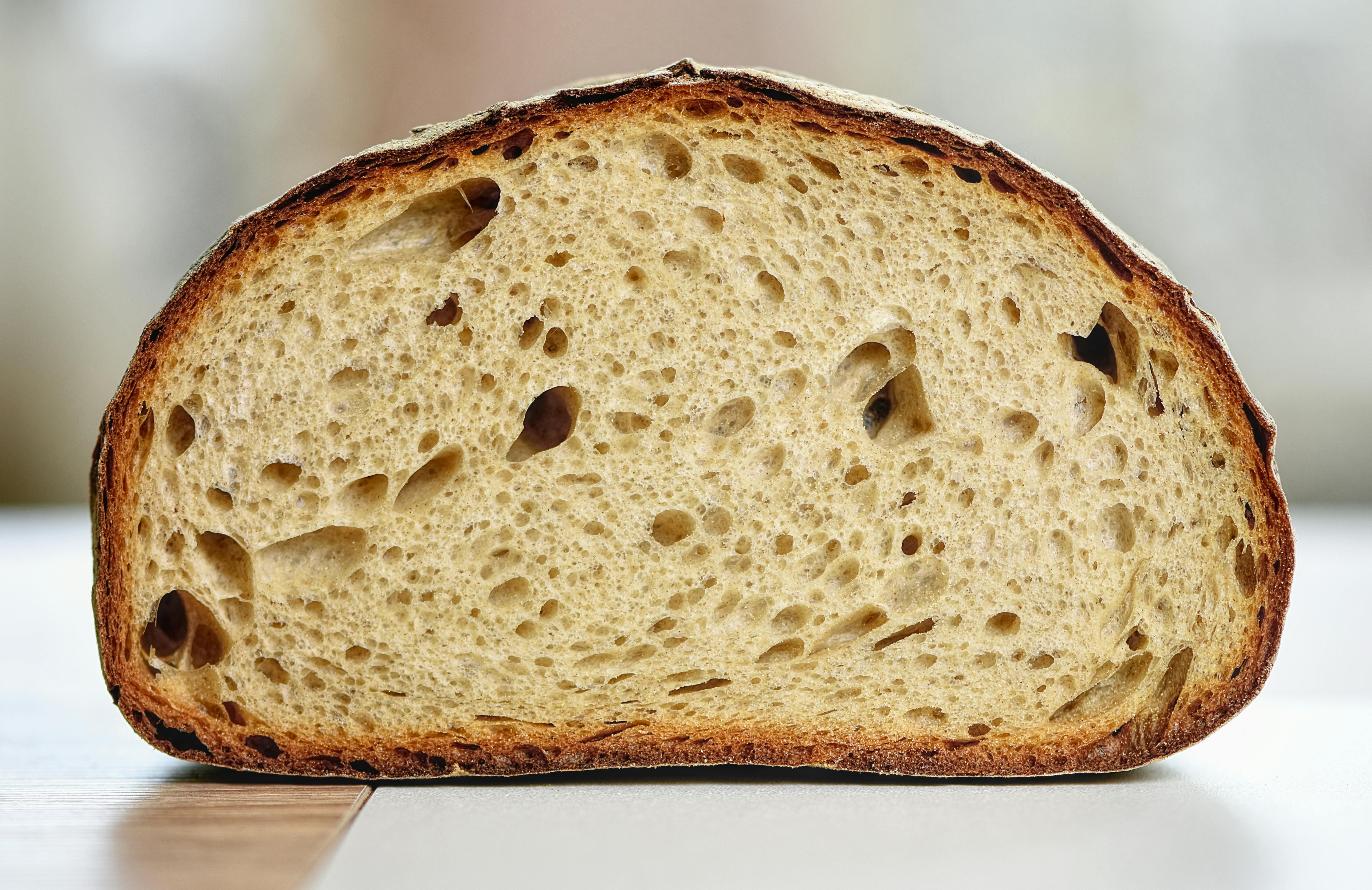
Gluten-free bread is essential for people with celiac disease and helpful for some with gluten sensitivity. Still, many packaged loaves are ultra-processed because they depend on refined starches such as tapioca, potato, rice flour, and corn starch plus gums, emulsifiers, and preservatives to imitate the structure gluten normally provides.
That formulation can produce bread that is soft and stable but nutritionally thinner than consumers expect. Several market analyses have shown gluten-free packaged products often contain less fiber and protein than standard whole-grain bread, while delivering a similar or higher glycemic impact. The healthy aura around gluten-free eating can blur those tradeoffs.
Nutritionists stress that gluten-free does not automatically mean better. For people who do not medically need it, choosing a minimally processed whole-grain loaf may be the stronger option. For those who do, labels still matter, especially ingredients, fiber content, and sodium per slice.
Frozen Diet Meals

Portion-controlled frozen meals have long been marketed as disciplined, balanced eating. Yet many are ultra-processed assemblies of restructured proteins, refined grains, sauces, modified starches, flavor enhancers, and preservatives. Nutrition experts say the issue is not freezing itself, which can preserve food well, but the industrial formulation behind many of these trays.
These meals are designed to survive manufacturing, transport, freezer storage, and microwave reheating while tasting consistent every time. That often requires sodium, gums, and texture-management ingredients that home cooking rarely uses in the same way. Some meals do offer decent calorie control, but that does not automatically make them minimally processed.
A practical benchmark is whether the meal resembles ingredients you could combine in your own kitchen. A frozen grain bowl with vegetables, beans, and a simple sauce is different from a creamy pasta tray with a dense ingredient panel. Nutritionists usually advise using frozen meals strategically, not habitually.




Leave a Reply