
Dinner alone is no longer enough. Across the industry, restaurants are redesigning the entire outing so guests feel they are buying an experience, not just a plate of food.
Eating out is now competing with everything

A restaurant used to compete mainly with the place down the street. Today it competes with streaming, food delivery, grocery meal kits, sporting events, and the simple convenience of staying home. That shift has forced operators to think beyond the menu and ask a harder question: what gets someone to leave the couch in the first place?
The answer, increasingly, is entertainment. Bowling lanes, arcade games, golf simulators, trivia nights, live music, karaoke rooms, and social gaming all give diners a reason to visit that cannot be replicated by takeout. According to industry reporting from Reuters and restaurant analysts, these additions are not side attractions. They are becoming central traffic drivers.
This strategy is especially important as inflation has made consumers more selective. When people spend on a night out, they want the outing to feel fuller and more memorable. A burger and fries may be easy to compare on price, but a burger served inside a lively venue with games, events, and a group atmosphere becomes harder to reduce to a simple cost calculation.
Bowling and games keep people in the building longer
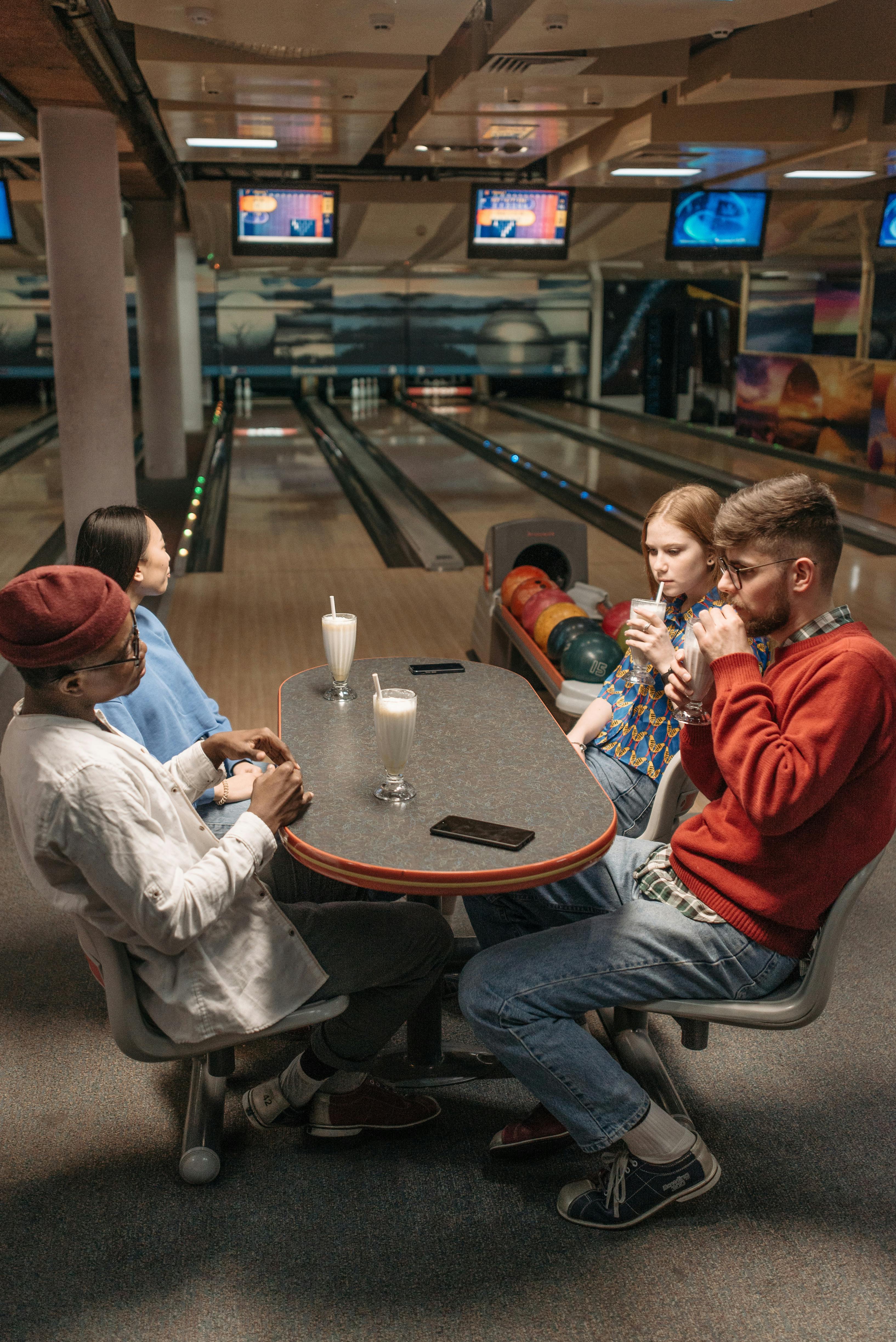
One of the biggest advantages of entertainment is time. A traditional restaurant may turn a table in 45 to 90 minutes, but a venue with bowling, darts, or interactive games can keep a party on site for much longer. That extra dwell time often translates into more food, more drinks, and a higher total check.
Chains built around this model have shown why it works. Dave & Buster's, Topgolf, Punch Bowl Social, and bowling-restaurant hybrids have long treated food as one piece of a wider revenue engine. What more operators now recognize is that the format can work at different scales, from a suburban family complex to a neighborhood bar with a few premium game installations.
There is also a social advantage. Games reduce the pressure that sometimes comes with dining out, especially for families, coworkers, or groups who want an activity to anchor the visit. Instead of eating and leaving, guests are more likely to order another round, add dessert, or return for birthdays, work gatherings, and weekend meetups.
Retail gives restaurants another way to sell the brand

Some restaurants are finding that shoppers can become diners and diners can become shoppers. Retail shelves stocked with sauces, branded merchandise, cookbooks, pantry goods, candles, or local products give customers a second way to engage with the business. It also extends the brand into the home after the meal is over.
This is not a random add-on. Retail can improve margins because packaged goods and branded items often have different economics than prepared food. A busy café might sell beans, mugs, bottled syrups, or bakery mixes. A barbecue restaurant might move rubs, sauces, and apparel. Even small purchases can raise average spend without requiring another table turn.
The model also taps into consumer behavior that already exists. People increasingly want souvenirs, gifts, and products tied to places they enjoy. Restaurants that build a clear identity can convert that affection into sales. In effect, the venue becomes part dining room, part showroom, and part lifestyle brand.
The economics are tough, so operators need more revenue streams
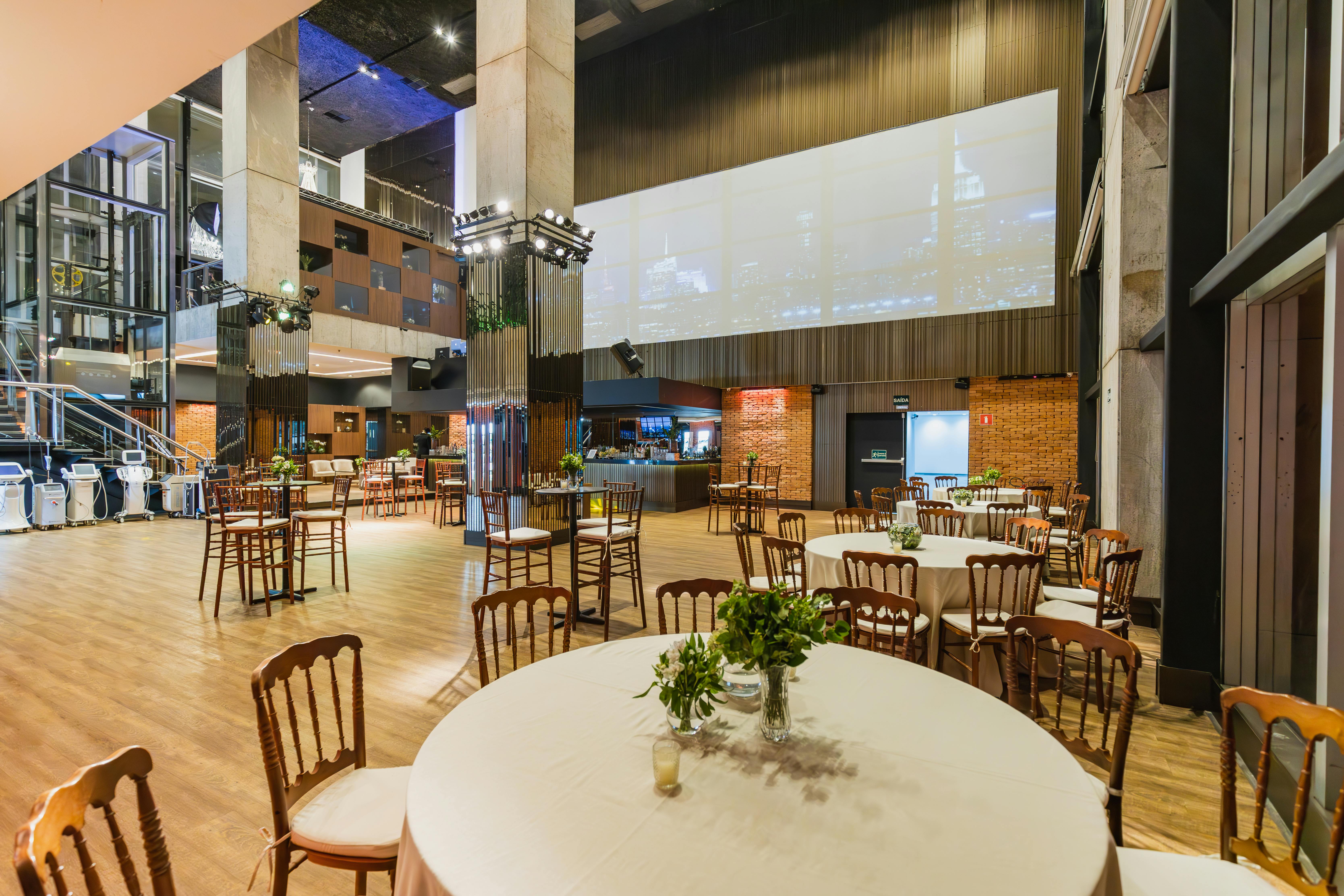
Behind the fun is a serious financial reality. Restaurant margins are notoriously thin, and operators face persistent pressure from labor costs, rent, insurance, utilities, and food inflation. Adding entertainment or retail is often less about novelty than survival. It spreads revenue across more categories and reduces dependence on the dinner rush alone.
A venue with multiple income streams can perform better across the day and week. Lunch may bring office workers, afternoons may attract remote workers or families, and evenings may fill with events, leagues, or parties. Private bookings, game fees, merchandise, and alcohol sales can help smooth the volatility that comes with relying only on entrées.
Investors and landlords often like these concepts for the same reason. Experience-based venues can generate destination traffic, filling large footprints that ordinary restaurants may struggle to support. In mixed-use developments and suburban centers, a food-and-fun tenant can act as an anchor, drawing people who then spend money elsewhere in the property.
Not every concept works, and execution matters
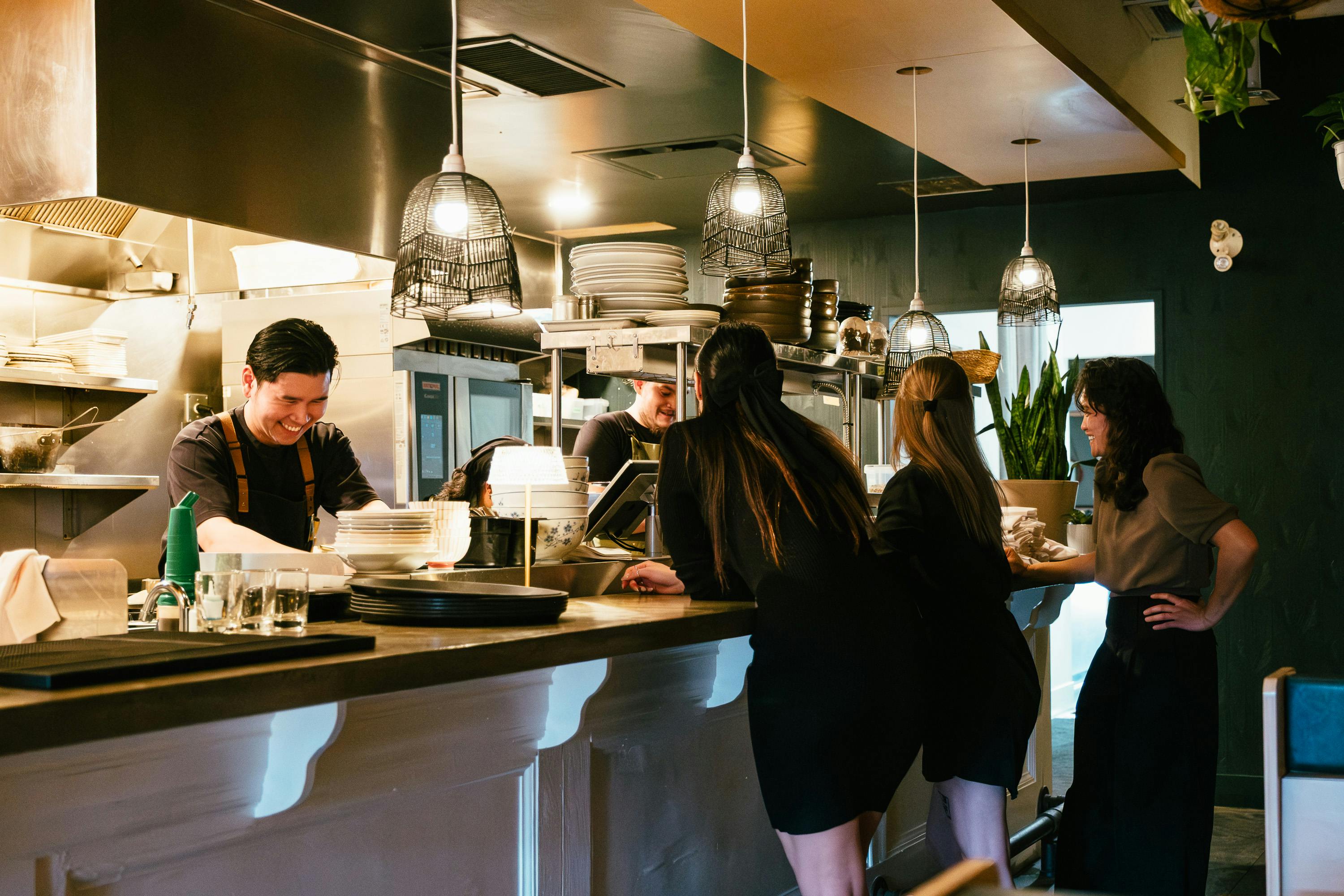
More attractions do not automatically create a better business. If the food is weak, service is slow, or the entertainment feels like an afterthought, customers notice quickly. The most successful operators build around a coherent identity where dining, activity, and atmosphere support one another instead of competing for attention.
There are practical challenges as well. Bowling lanes, simulators, and arcade systems require significant upfront investment, maintenance, staffing, and space. Retail requires inventory planning and merchandising discipline. Operators also have to manage noise, traffic flow, and guest expectations so families, date-night diners, and large groups can all feel comfortable.
That is why many restaurants are choosing targeted additions rather than giant overhauls. A wine bar may add curated retail. A brewery may add lawn games and live programming. A casual restaurant may develop a private event room with interactive features. The goal is not to become everything at once, but to create one or two strong reasons to visit.
The future of dining looks more like a hybrid experience

The broader trend is clear: restaurants are becoming multi-use social spaces. Consumers are asking for value, connection, and a reason to make the trip worthwhile. Food still matters, deeply, but it is increasingly part of a larger package that includes entertainment, convenience, discovery, and identity.
This helps explain why so many operators are investing in formats that blur old boundaries. A restaurant can now resemble a club, a family recreation center, a boutique shop, or an event venue, sometimes all in the same night. What once seemed like a gimmick is quickly becoming a practical response to how people actually choose where to spend time and money.
In the years ahead, the winners will likely be the brands that understand one simple truth: going out has to feel worth it. Great food remains the foundation, but in a crowded market, the businesses that create a fuller experience are giving customers a better answer to why they should walk through the door.



Leave a Reply