
Canada can be read through its table as clearly as through its map. If every province were a food, the answer would be less about stereotypes and more about climate, agriculture, immigration, and identity.
Atlantic beginnings on the plate

Start on the East Coast, where food is often practical first and celebratory second. In Newfoundland and Labrador, the clearest match is fish and brewis, a salt-cod-and-hard-bread staple that reflects centuries of North Atlantic fishing, preservation, and endurance. It is humble, filling, and inseparable from place.
Prince Edward Island is potato chowder, or simply the potato itself in cooked form. The province produces some of Canada's most famous potatoes, thanks to red soil, maritime conditions, and a farm economy shaped by generations of growers. A creamy chowder fits especially well because it turns a field crop into something warm, familiar, and distinctly local.
Nova Scotia suits a lobster roll. Lobster is not just a tourism symbol there, but a major economic driver tied to coastal communities, export markets, and strict seasonal rhythms. New Brunswick, meanwhile, feels most like fiddleheads: brief, seasonal, and closely tied to river valleys and spring foraging traditions that remain unusually visible in everyday food culture.
Quebec and Ontario as national heavyweights
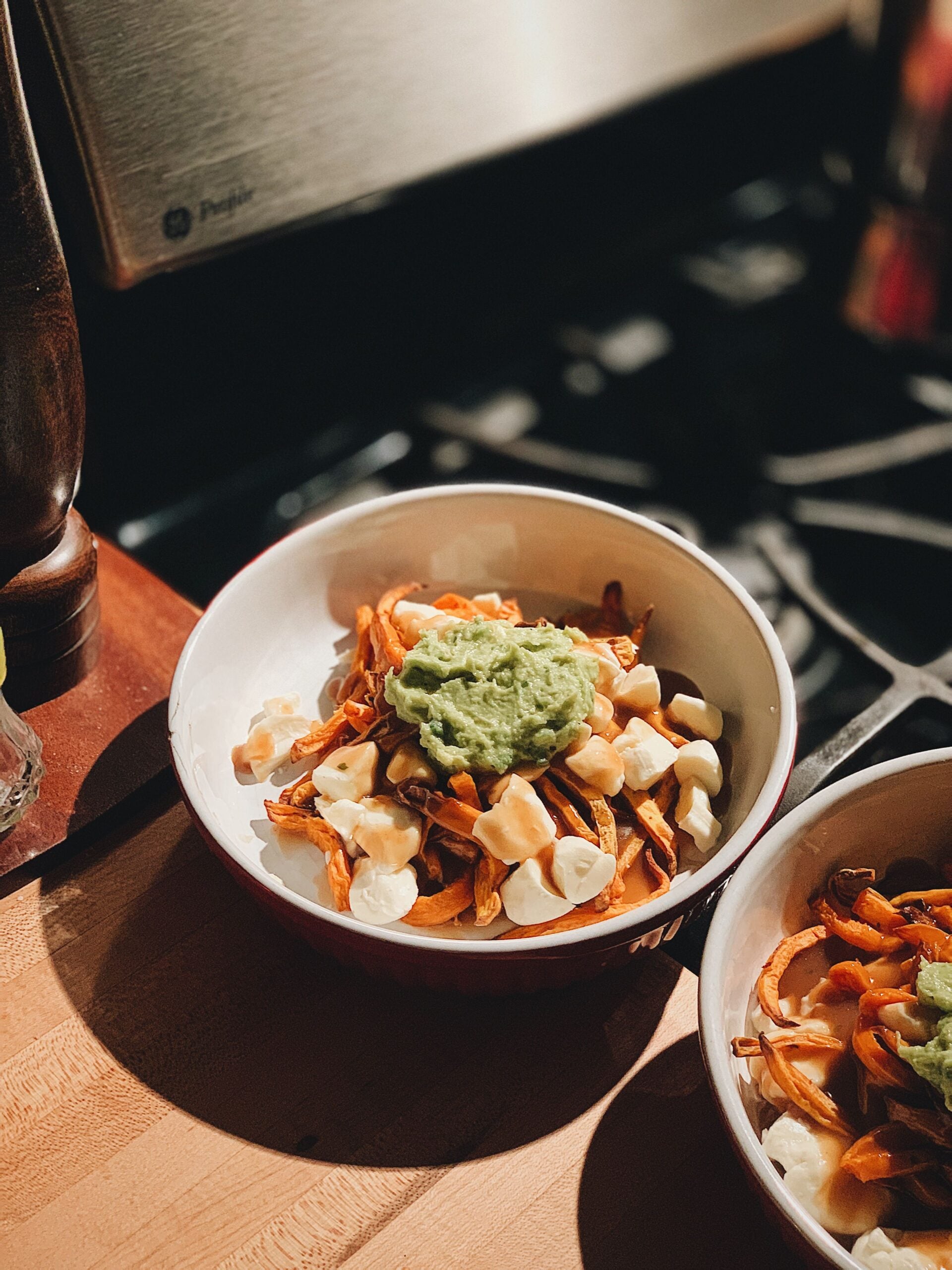
Quebec is poutine, and no other answer comes close. The dish carries rural casse-croûte roots, a precise requirement for fresh cheese curds, and a journey from regional specialty to global shorthand for French Canadian comfort food. It is rich, debated, beloved, and more culturally layered than its simple ingredients suggest.
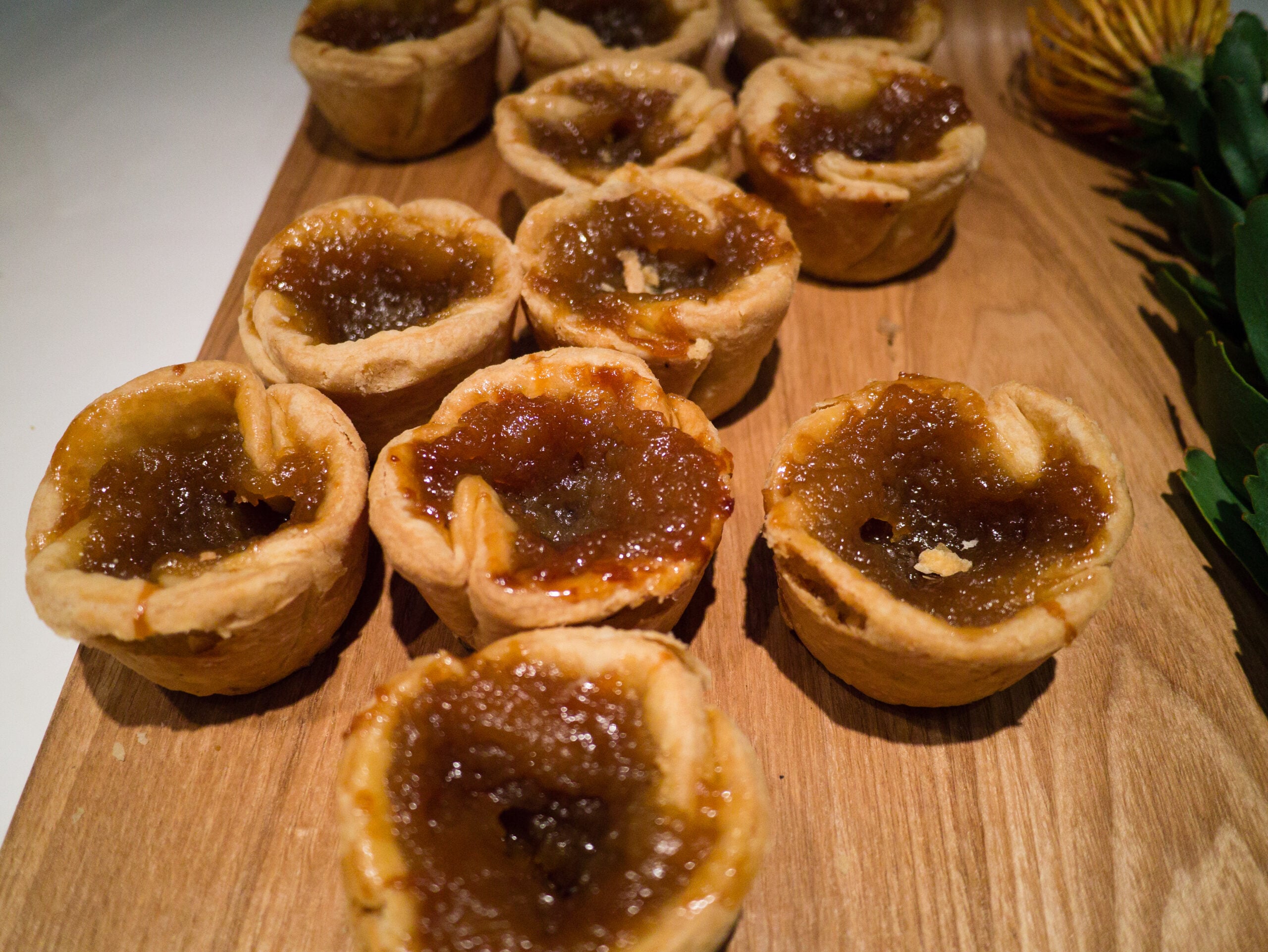
Ontario is a butter tart. The province has long claimed the tart as part of its baking identity, and local festivals, bakery rivalries, and old community cookbooks keep that claim alive. Like Ontario itself, the butter tart can seem straightforward at first, yet every town insists its version is the standard.
These two provinces dominate population and economic output, and their food matches are similarly central in the national imagination. Poutine and butter tarts appear in diners, high-end restaurants, and home kitchens alike, showing how regional foods become shared Canadian language without losing their provincial accent.
The Prairie provinces in sturdy, generous dishes
Manitoba is honey dill sauce. Few condiments are as specifically regional, and this sweet-creamy dip, often served with chicken fingers, has become a marker of local attachment and prairie nostalgia. It is the kind of food choice that surprises outsiders but instantly signals belonging to people who grew up with it.
Saskatchewan is perogies. Ukrainian settlement left a lasting mark on the province's farms, churches, community halls, and family tables, and perogies remain one of the most recognizable expressions of that history. They also suit Saskatchewan because they are practical, filling, and built from ingredients associated with grain country and mixed farming.
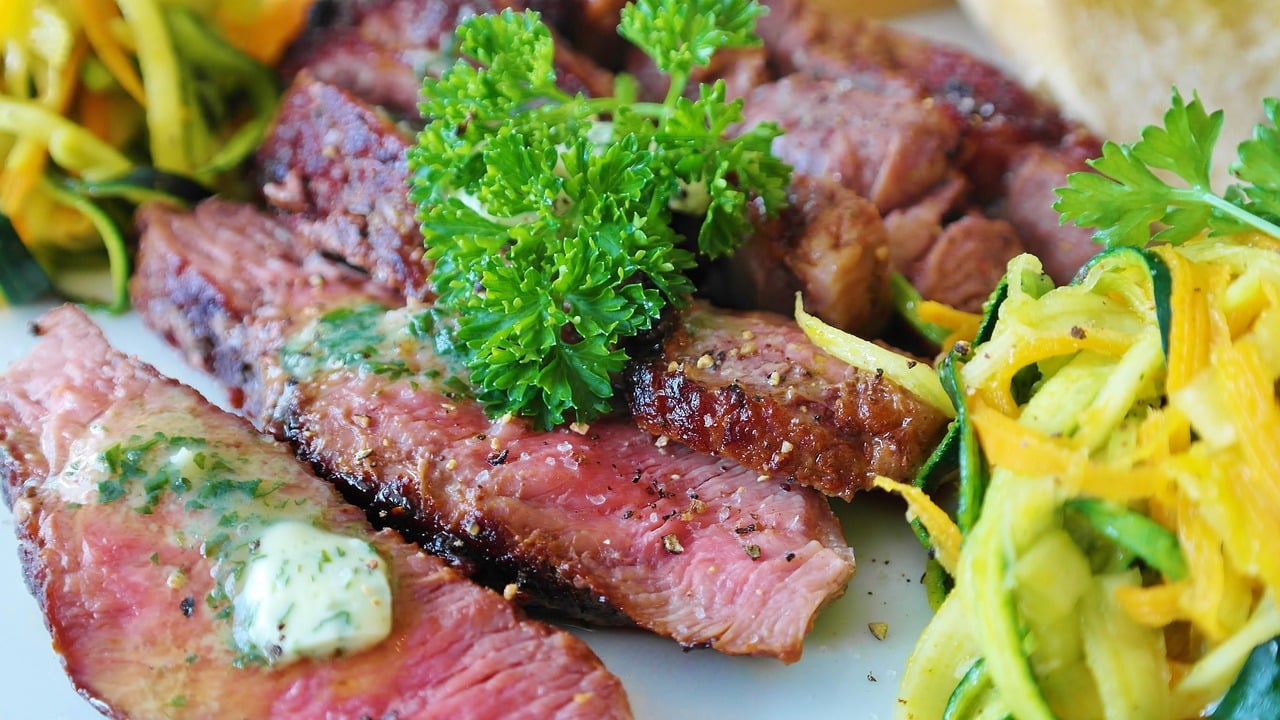
Alberta is beef, most vividly a steak. Ranching has helped define the province's image for well over a century, and Alberta beef remains a powerful brand associated with open land, feed efficiency, and export quality. If Saskatchewan is a community supper, Alberta is a steakhouse plate served with confidence and scale.
British Columbia and the taste of the Pacific edge

British Columbia is wild salmon. The match works historically, ecologically, and culturally, especially when one considers the central role of salmon in Indigenous foodways long before the modern province existed. Salmon also captures British Columbia's mix of wilderness symbolism, coastal economy, and restaurant sophistication.
A second strong contender would be sushi, not because it is native to the province, but because Vancouver helped normalize it as everyday food in Canada. Immigration, Pacific trade, and urban dining habits turned sushi from specialty cuisine into lunch-counter routine. That evolution says a great deal about British Columbia's global orientation.
What makes the province distinctive is that its food identity is layered rather than singular. You see it in spot prawns, Okanagan fruit, wine country cuisine, and mushroom foraging on the coast. Still, salmon wins because it ties together geography, ecology, and cultural memory with unusual force.
Why these foods make sense beyond cliché
A good province-to-food match should rest on more than marketing. Climate determines what grows well, migration shapes what people cook, and local economies decide which dishes become symbolic enough to endure. In that sense, these pairings are small case studies in how food records settlement patterns and regional adaptation.
They also show that Canadian food is not one thing. It includes preserved fish born of necessity, potato farming elevated into identity, Indigenous food traditions, immigrant recipes turned mainstream, and luxury products that still depend on fragile natural systems. Each province's food tells a story about both survival and reinvention.
That is why the most convincing picks are not always the fanciest ones. Fish and brewis, fiddleheads, honey dill, and butter tarts all reflect ordinary life more than culinary spectacle. They endure because people keep making them, serving them, and arguing affectionately about what counts as the best version.
The full menu of provincial identities
If every province were a food, the final menu would read like this: Newfoundland and Labrador, fish and brewis; Prince Edward Island, potato chowder; Nova Scotia, lobster roll; New Brunswick, fiddleheads. Quebec is poutine, Ontario is a butter tart, Manitoba is honey dill sauce, Saskatchewan is perogies, Alberta is steak, and British Columbia is wild salmon.
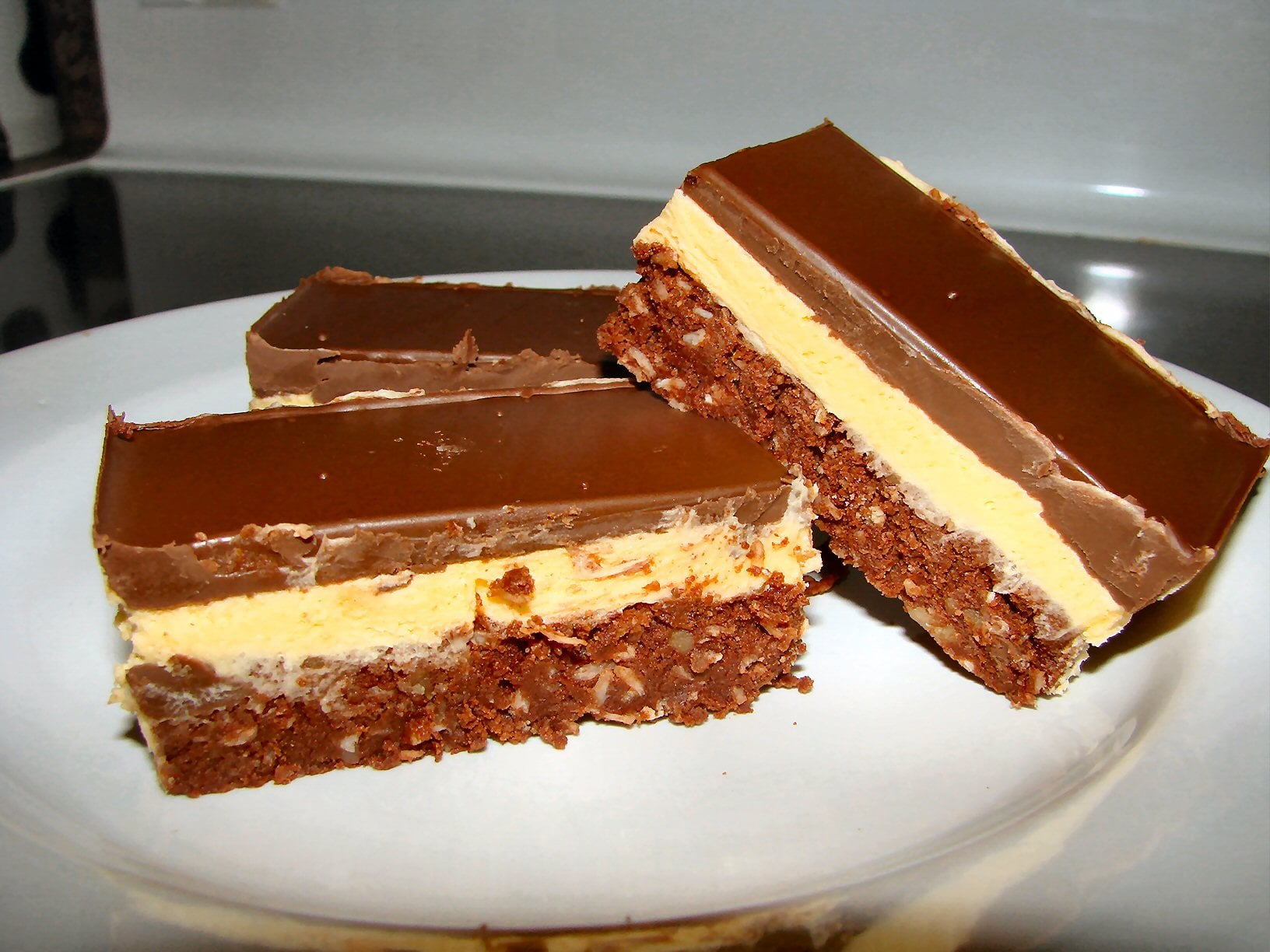
No single list can satisfy everyone, because food identity is personal as well as regional. Some would choose tourtière for Quebec, Nanaimo bars for British Columbia, or donair for Nova Scotia, and each argument would have merit. That tension is part of the fun, and part of the truth.
In the end, the best answer is the one that captures both taste and territory. Canada's provinces are different for reasons rooted in land, labor, language, and memory, and their foods reveal those differences clearly. Read the map however you like, but tasting it may be the most memorable way.


Leave a Reply