
Restaurants are full of people, yet many owners are making less money than ever. The industry looks busy from the dining room, but the real pressure is showing up in the books.
The cost base has changed faster than menus can keep up
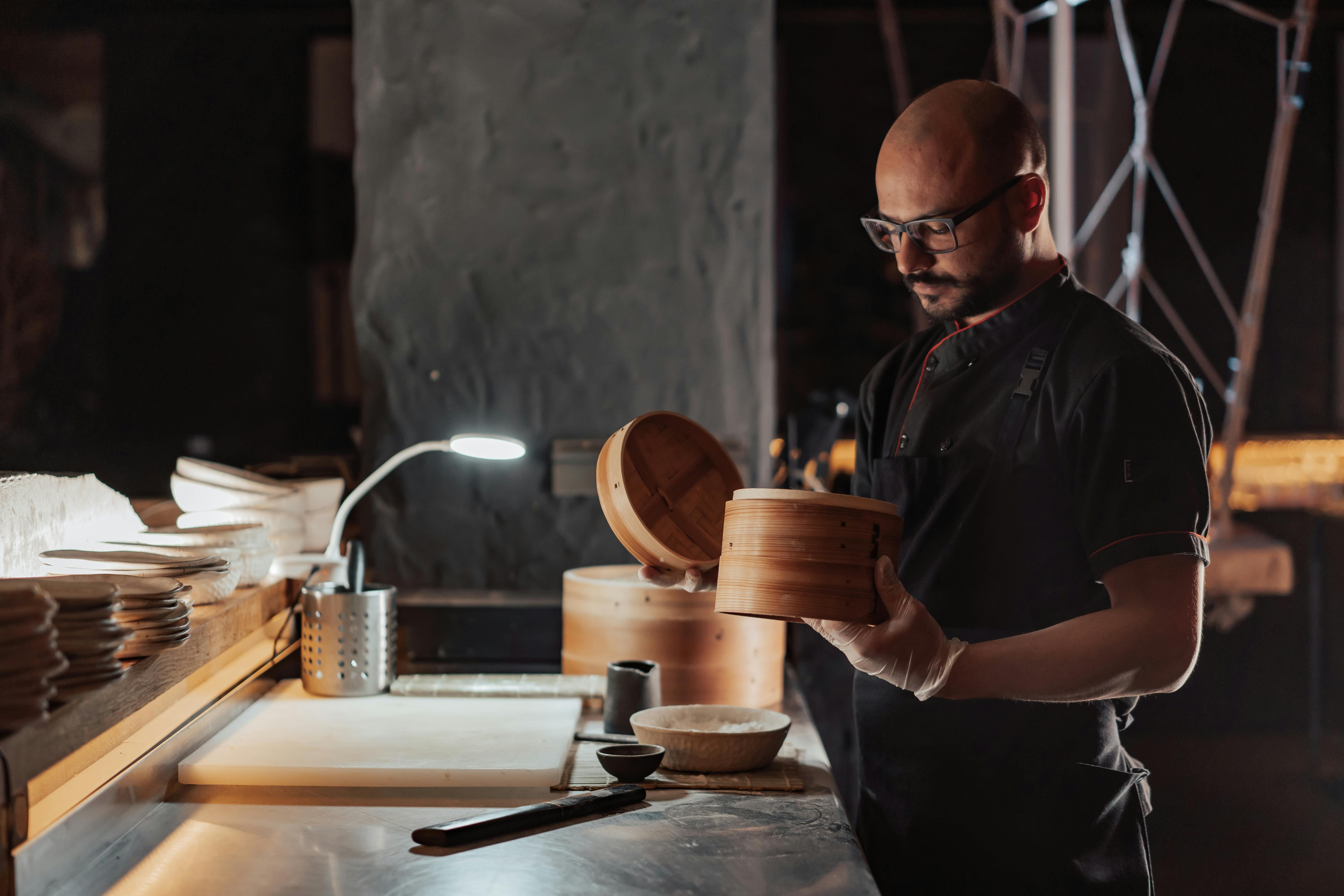
The old math of running a restaurant no longer works. Operators who once built menus around predictable food and labor ratios now face weekly swings in ingredient invoices, delivery fees, and utility bills. According to U.S. inflation data and repeated industry surveys, staples such as beef, dairy, cooking oil, and eggs have posted sharp price volatility over the past few years, making cost control far more difficult than it used to be.
Labor is an equally heavy burden, even when higher wages are justified. Restaurants are competing for cooks, servers, dishwashers, and managers in a labor market that has stayed tight since the pandemic recovery. Overtime, training costs, turnover, and employee benefits all raise the real cost of staffing beyond the hourly wage printed on a schedule.
Then there are occupancy costs that do not bend when sales soften. Rent escalations, insurance premiums, maintenance contracts, and local taxes continue climbing in many markets. A restaurant can be packed on Friday night and still struggle if its fixed costs rose 15% while average customer spending barely moved.
Diners are more cautious than the crowds suggest
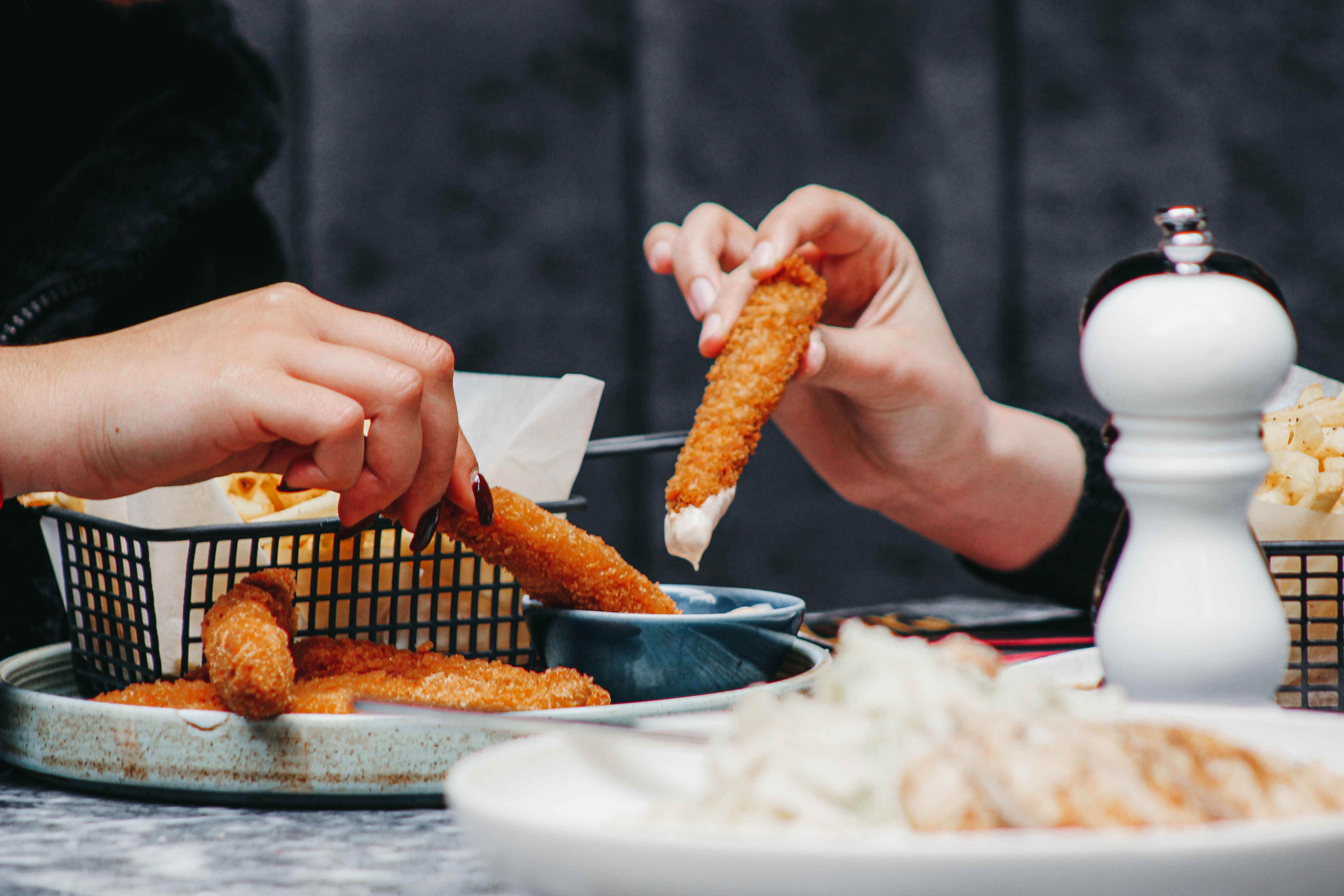
A full dining room does not automatically mean healthy demand. Many consumers still want the experience of eating out, but they are making smaller, more calculated choices once they sit down. Industry tracking has shown guests skipping appetizers, ordering fewer desserts, sharing entrees, and drinking less alcohol, which has traditionally been one of the strongest margin drivers for independent restaurants.
This behavior reflects broader household stress. Grocery bills, housing costs, car payments, and credit card balances have all increased pressure on family budgets. Even customers with stable incomes are becoming more sensitive to the final check, especially when taxes, service charges, and suggested tips push a simple meal well beyond what they expected to spend.
That creates a difficult illusion for owners. Traffic may hold up, but average check growth can stall or even weaken in real terms once inflation is considered. In other words, restaurants can serve the same number of guests and still end up worse off than before.
Raising prices is necessary, but also dangerous
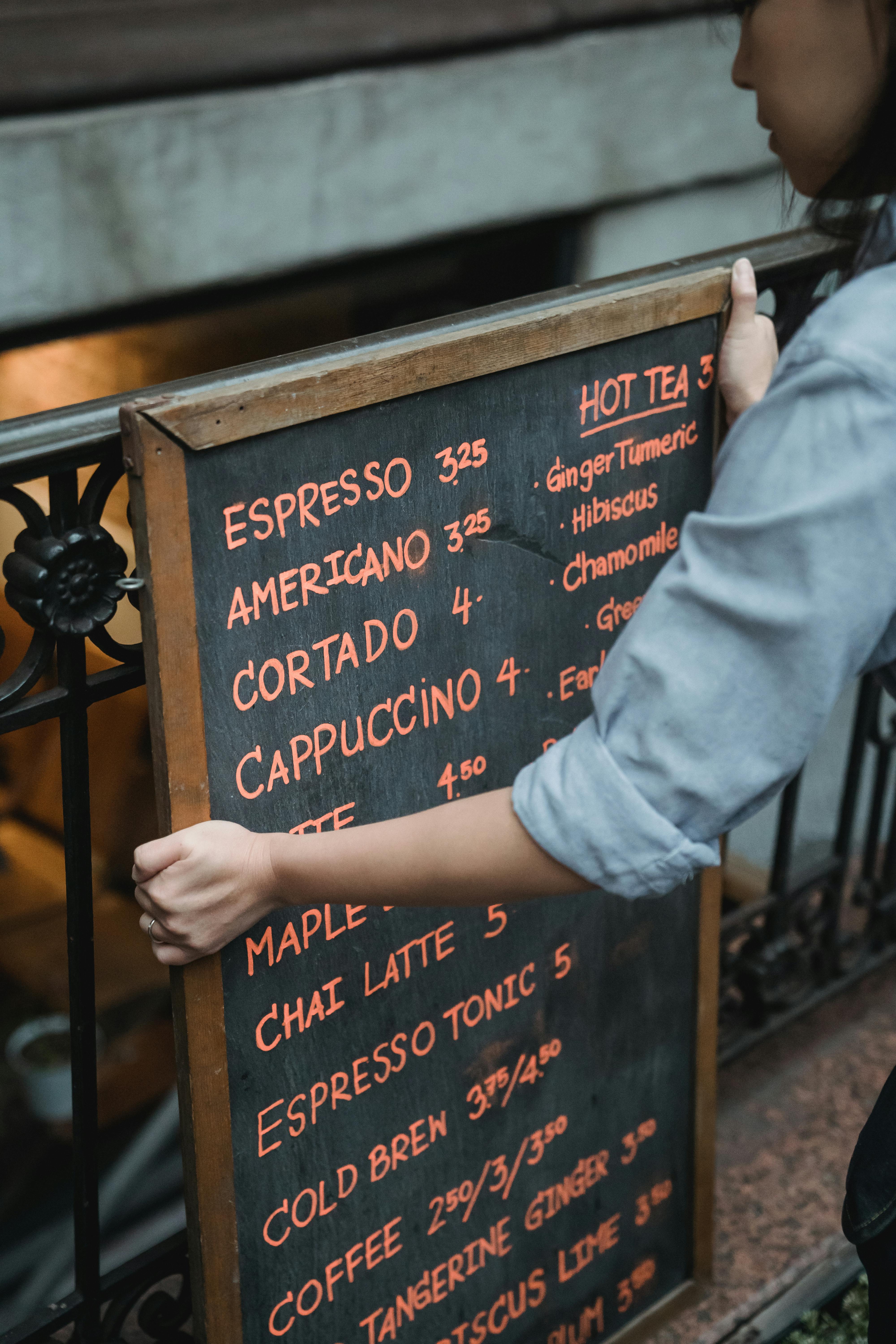
Most restaurant owners know they cannot absorb every increase forever. At some point menu prices have to rise, or the business begins losing money on dishes that appear popular. Yet pricing has become one of the most delicate decisions in hospitality because customers compare value instantly, whether they are ordering a burger, a bowl of pasta, or a takeout salad.
The backlash can be swift. Diners notice when a favorite item jumps from $16 to $21, especially if the portion looks smaller or the service feels rushed. Social media has amplified these reactions, and stories about "overpriced" meals now travel fast, shaping local reputation long before an owner can explain higher supplier bills or payroll costs.
Large chains often handle this better because they have purchasing power and deeper data. Independents usually do not. A single-location restaurant cannot negotiate commodity contracts like a national brand, which means price increases land harder both on the business and on the customer.
Owners are cutting quietly to protect the guest experience
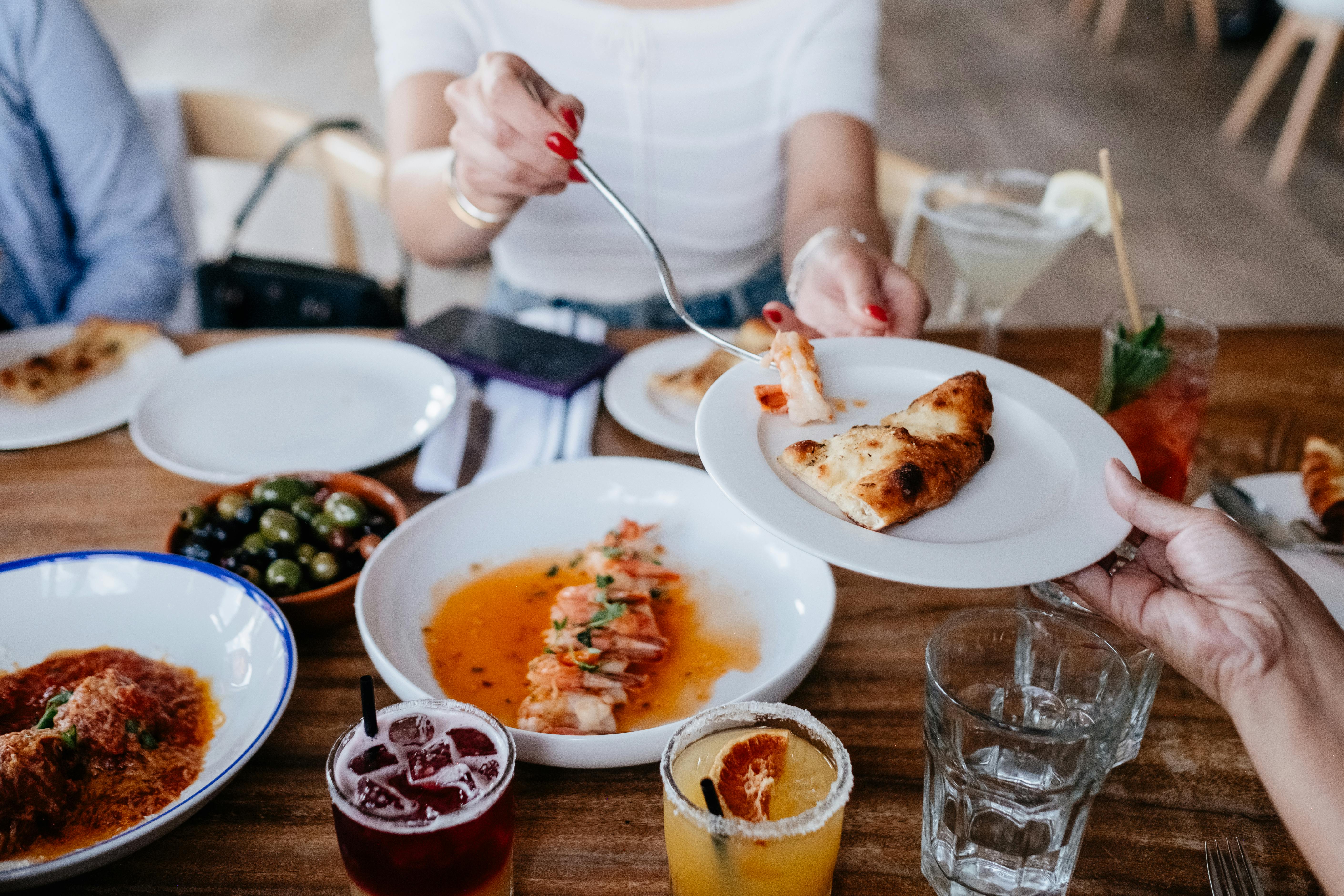
Because visible price hikes are risky, many operators are making quieter adjustments behind the scenes. They simplify menus, reduce low-selling items, switch to cheaper cuts or seasonal produce, and tighten portion control. These changes can help, but they also require careful execution because one bad substitution can damage trust faster than a printed menu increase.
Technology has offered some relief, though not always cheaply. Scheduling software, handheld payment devices, online reservation tools, and inventory systems can improve efficiency and reduce waste. But subscriptions add up, and restaurants often pay for third-party delivery platforms that bring sales while taking a meaningful bite out of already thin margins.
Some owners are also redesigning service itself. Counter ordering, QR code menus, smaller teams, and limited lunch hours are all signs of adaptation. These choices are not always about innovation for its own sake. Often they are simply the only way to keep the doors open without passing every extra cost directly to the guest.
Independent restaurants feel the squeeze most sharply
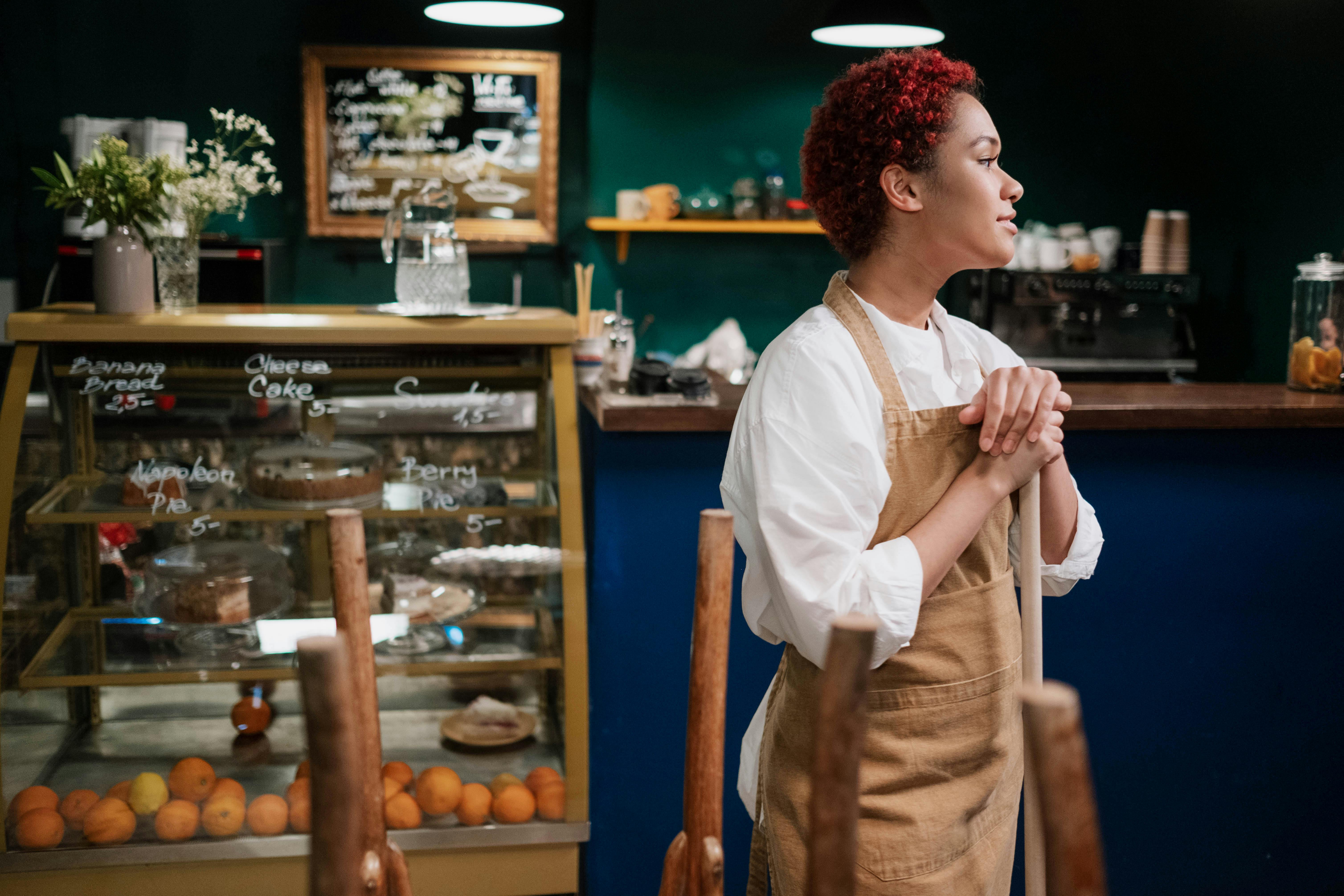
The pressure is not evenly distributed across the industry. Independent restaurants, family-run diners, neighborhood cafes, and single-unit ethnic concepts usually have the least room to maneuver. They buy in smaller volumes, have less access to capital, and depend heavily on a loyal local customer base that may love the business but still have a ceiling on what it will pay.
A 2024 National Restaurant Association outlook noted that many operators still named food costs and labor costs as top concerns, while access to profitability remained fragile. In practice, that means one broken freezer, one rent increase, or one weak season can push a marginal business into crisis. Chains can spread risk; independents often absorb it personally.
That personal risk matters. Many owners sign leases themselves, back loans with their savings, and work long hours to replace positions they cannot afford to fill. When margins vanish, the problem is not just corporate performance. It is household stability, family wealth, and the survival of local institutions.
Survival will depend on value, discipline, and trust
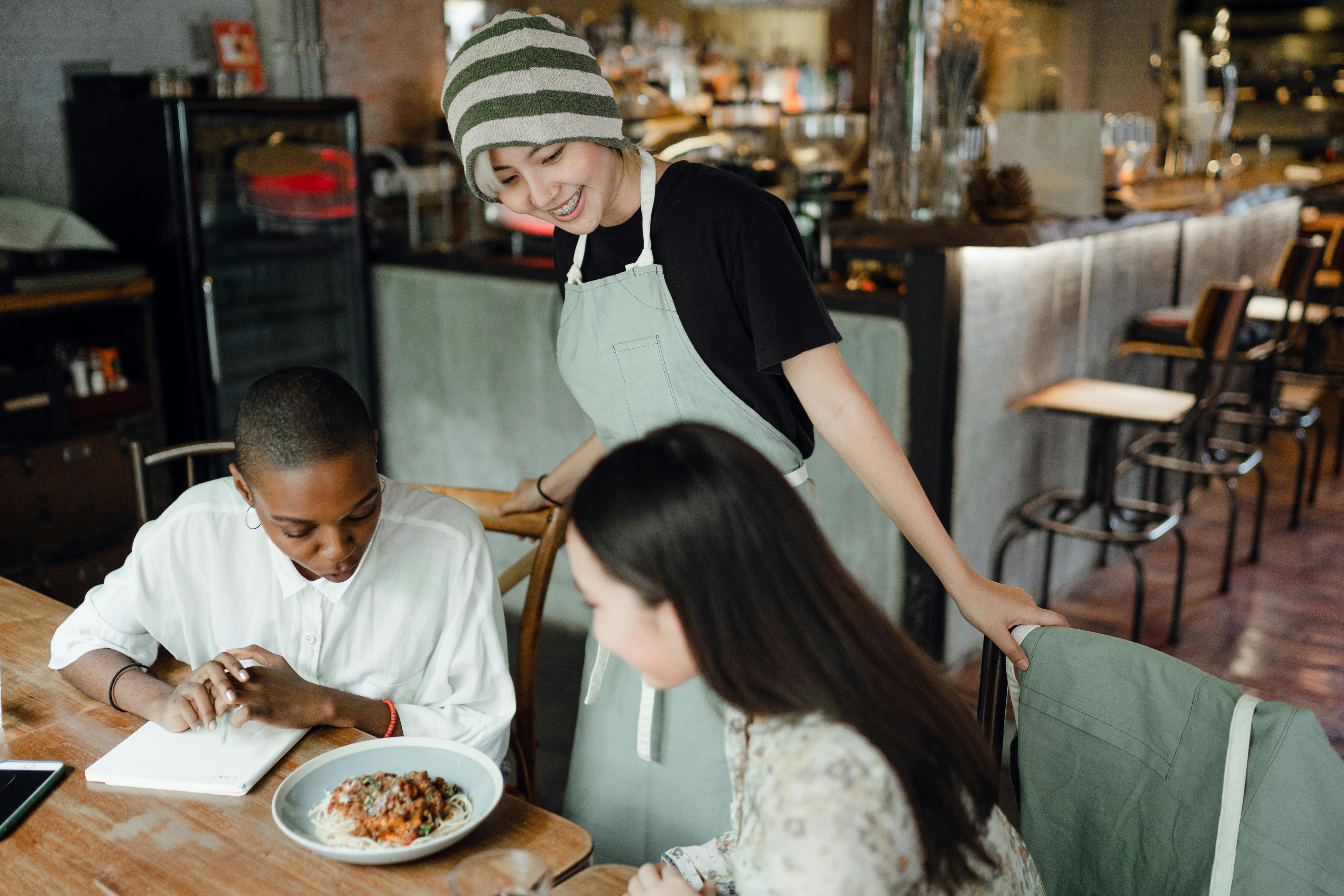
There is no single fix for this squeeze. Restaurants that endure will likely be the ones that sharpen their identity, understand their numbers deeply, and communicate value clearly. That may mean smaller menus, stronger signature items, smarter purchasing, and more disciplined scheduling rather than trying to be everything to everyone.
Customers still spend when they feel a meal is worth it. Value does not always mean cheap. It means consistency, hospitality, fair portions, and a sense that the experience matches the price. Owners who preserve those basics have a better chance of keeping guests even as they make necessary adjustments.
The broader lesson is uncomfortable but clear. The restaurant business is no longer being tested only by competition or taste. It is being tested by a consumer economy that resists higher prices at the exact moment operating costs demand them, leaving owners trapped in one of the toughest balancing acts in modern hospitality.



Leave a Reply