
The numbers look contradictory at first glance. But once you separate sales from survival, the restaurant industry's strange boom-and-bust reality becomes much easier to understand.
Sales are rising, but that does not mean restaurants are healthier
At the top line, many restaurants are indeed ringing up more money than ever. Industry sales have climbed as menu prices increased, traffic shifted back from home cooking, and consumers kept spending on convenience and experiences. According to industry trackers and major public chains, nominal sales have been boosted strongly by inflation, not just by more customers walking through the door.
That distinction matters. A burger that sold for $12 a few years ago may now sell for $16, so revenue rises even if guest counts barely move. In many markets, operators are serving roughly the same number of meals, or even fewer, while posting record receipts. Higher sales totals can therefore mask a fragile business underneath.
Restaurant owners know this better than anyone. Revenue is the loud number, but profit is the one that determines survival. A store can report its best sales year ever and still close if payroll, rent, utilities, insurance, food, and debt costs rise even faster.
Inflation has lifted checks while squeezing margins
The simplest explanation is that inflation inflates restaurant sales by definition. When food, labor, and operating costs rise, owners raise prices to protect margins. That pushes industrywide sales higher in dollar terms, even when real growth is weak.
But passing costs on to diners only works up to a point. Customers absorb a few increases, then start trading down, skipping appetizers, ordering fewer drinks, or visiting less often. That weakens the mix of profitable items that many full-service restaurants rely on.
At the same time, core costs remain stubborn. Beef, eggs, dairy, cooking oil, packaging, repairs, and merchant processing fees have all pressured operators in recent years. Labor has been especially challenging, with wage competition forcing restaurants to pay more just to stay staffed.
The industry is splitting between strong players and weak ones
One of the clearest trends is concentration. Large chains with scale, data systems, supply contracts, loyalty programs, and delivery integration are often capturing outsized growth. Smaller independents, especially those with thin cash reserves, have had much less room to absorb shocks.
That means record sales can coexist with record closures because the gains are not evenly distributed. If a national chain opens efficient locations and lifts average unit volumes, total industry sales may climb sharply even while hundreds of single-site operators shut their doors. The aggregate number hides the pain underneath.
Location quality also matters more than ever. Restaurants in high-income suburbs, busy travel corridors, and dense mixed-use neighborhoods have often recovered better than those in downtown office districts still affected by remote work patterns. Geography is now a major separator between winners and losers.
Debt, rent, and delayed pressures are catching up
Some closures reflect problems that were postponed, not newly created. During the pandemic and its aftermath, many restaurants survived through loans, landlord concessions, tax deferrals, or temporary relief. Those buffers bought time, but they did not erase the underlying obligations.
Now the bill is coming due. Operators are facing lease renewals at much higher rents, debt repayments on emergency borrowing, and equipment replacement after years of delayed maintenance. A restaurant can look busy every night and still buckle under fixed costs that no longer fit the business.
This is why closures can rise late in a recovery. Strong sales may keep the lights on for a while, but accumulated liabilities eventually force a reckoning. In practice, many restaurant failures are balance-sheet failures as much as operating failures.
Consumer behavior is helping some formats and hurting others
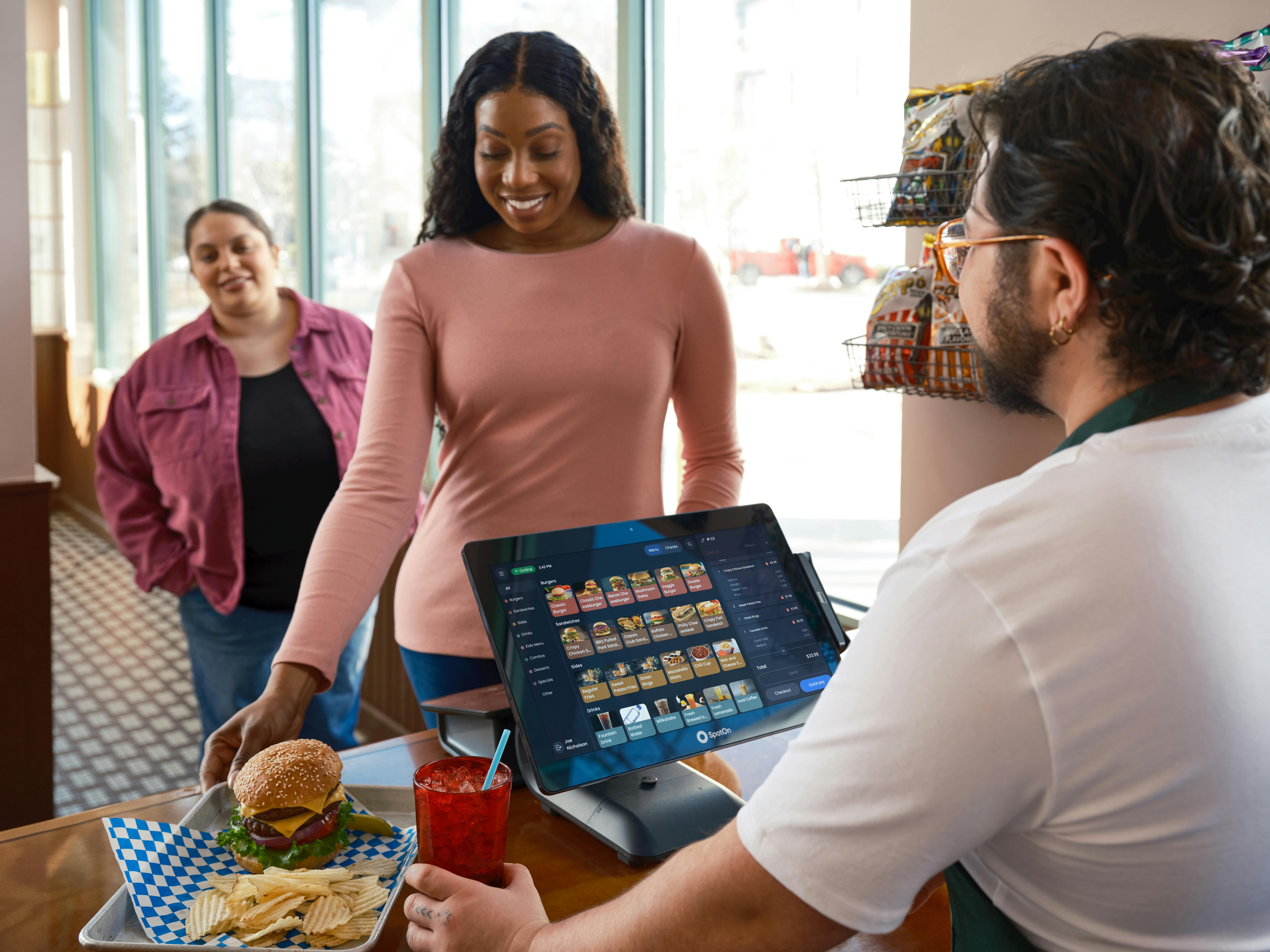
Diners have not stopped spending, but they have become more selective. Quick-service, fast-casual, coffee, takeout, and drive-thru concepts fit current habits well because they offer speed, predictability, and lower average tickets. That has helped many brands post impressive systemwide sales.
Full-service restaurants face a more complicated environment. They depend more heavily on labor, higher-margin beverages, and longer visits, all of which are vulnerable when households grow cautious. If consumers still want restaurant food but want it faster and cheaper, traffic can migrate away from traditional sit-down places.
Off-premise sales have also reshaped the math. Delivery and pickup create revenue, but third-party fees, packaging costs, and lower beverage attachment can reduce profitability. More orders do not automatically translate into healthier unit economics.
What record sales and record closures really tell us
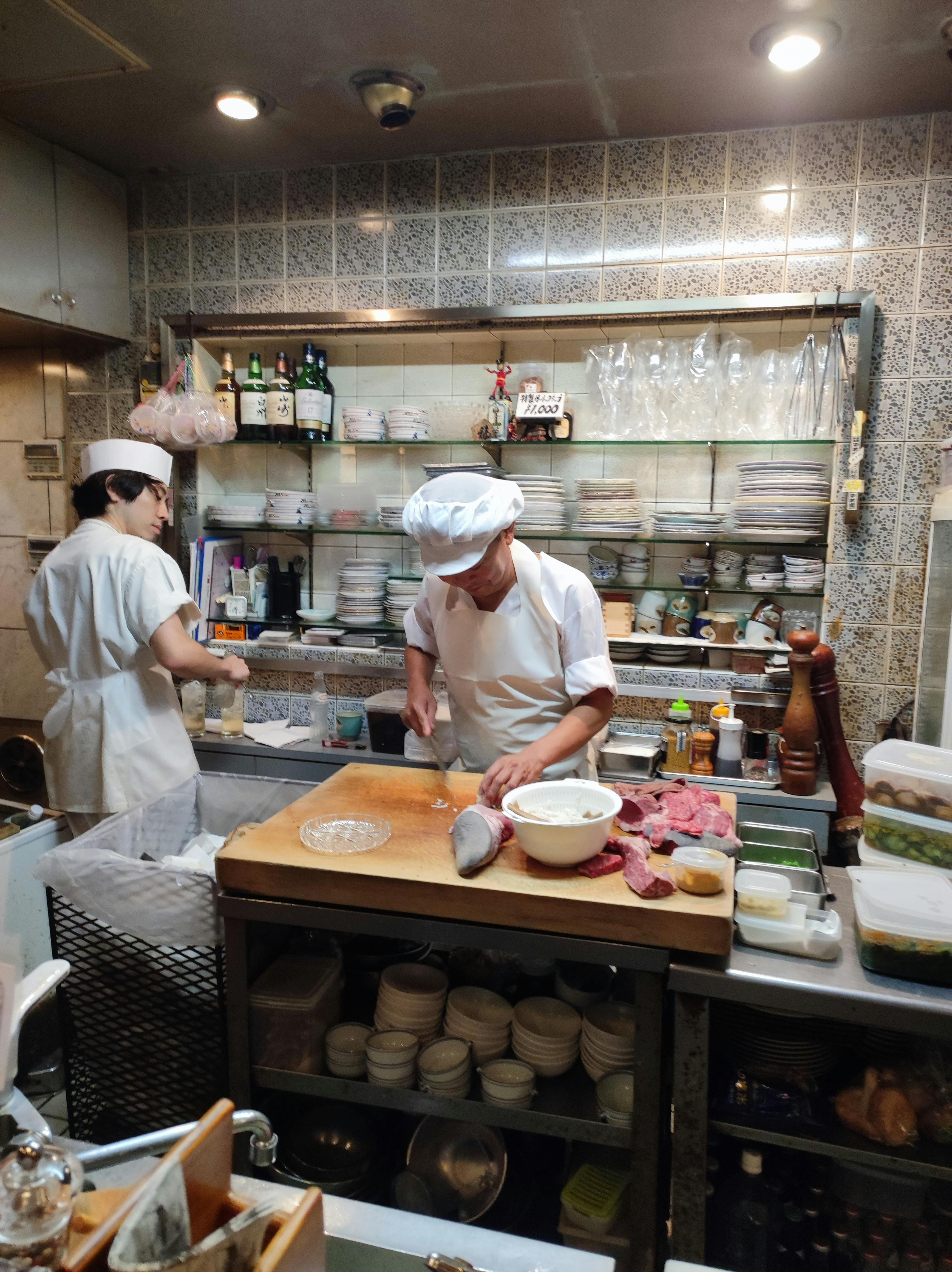
The apparent contradiction is actually a sign of transition. Americans are still spending heavily on food away from home, which supports record nominal sales. But the cost of running a restaurant has risen so much, and the competitive gap has widened so sharply, that many operators can no longer make the numbers work.
In other words, the industry is growing and thinning at the same time. Efficient chains, strong local brands, and well-capitalized groups are expanding into demand that weaker operators leave behind. That is why booming sales and rising closures are not opposites. They are two sides of the same restaurant economy.



Leave a Reply