
Food inflation has changed everyday shopping habits across Canada. People are not just buying less, they are buying differently.
Potatoes
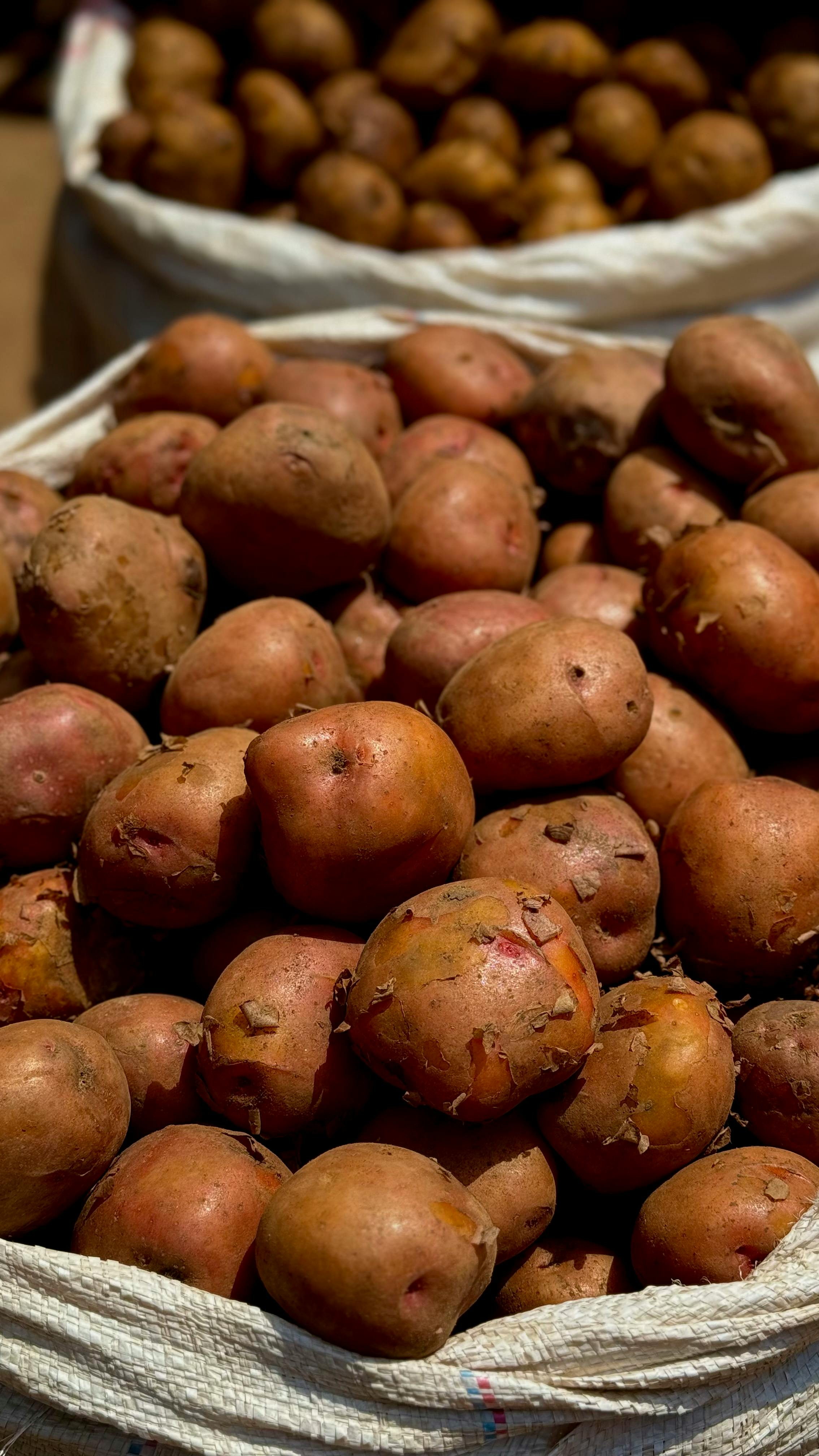
Few foods stretch a grocery dollar like potatoes. When prices rise across meat, produce, and packaged meals, potatoes become an easy fallback because they are filling, versatile, and usually cheaper by the pound than many fresh side dishes.
Canadian shoppers also like that potatoes work across multiple meals. A single bag can become roasted wedges, mashed potatoes, soup, breakfast hash, or a base for stew. That kind of flexibility matters more when households are trying to cut waste and make every purchase count.
Retail patterns have reflected that value logic. Budget-focused shoppers often compare cost per serving, and potatoes tend to perform well on that measure. They also store reasonably well when kept in a cool, dark place, which helps families avoid extra trips to the store and reduces spoilage losses.
Another reason potatoes are gaining ground is substitution. When pricier convenience foods or restaurant takeout become harder to justify, households cook more basic meals at home. Potatoes fit neatly into that shift because they pair with nearly anything and help make modest portions feel more substantial.
Rice
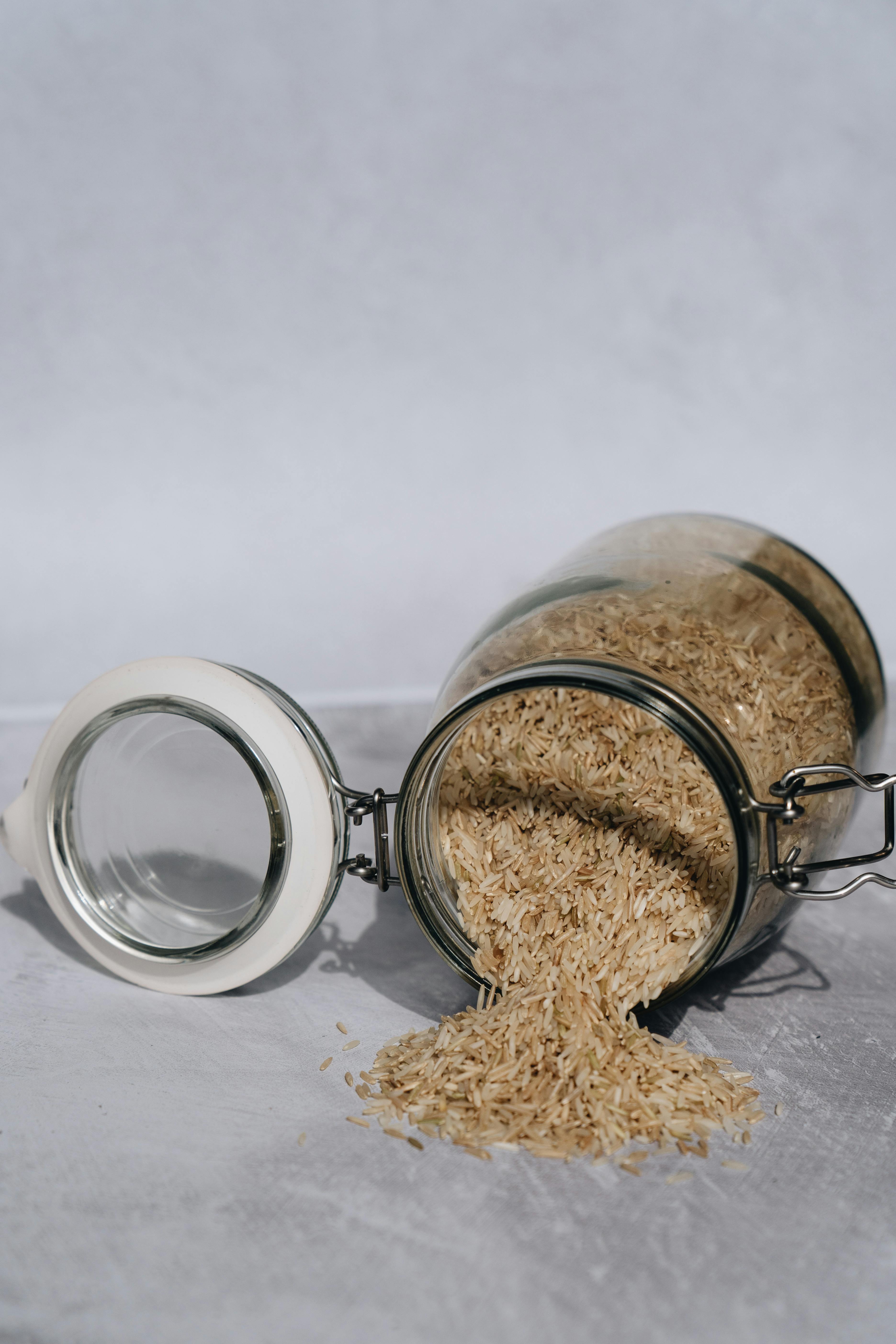
Rice has long been a pantry staple, but high grocery prices have made it even more attractive. It offers one of the lowest costs per serving in the store, especially when bought in larger bags, and it can anchor lunches and dinners for days at a time.
What makes rice especially useful is how easily it absorbs flavor. Canadians can turn a simple pot of rice into stir-fry, burrito bowls, soup add-ins, casseroles, or fried rice using leftovers, vegetables, eggs, and small amounts of meat. That allows households to build meals around what is already on hand.
There is also a shelf-life advantage. Unlike more perishable staples, dry rice can sit in the pantry for long periods without losing usefulness. In a period when shoppers are trying to stock up during sales and avoid waste, that reliability makes rice a practical buy.
The popularity of rice also reflects a broader move away from expensive single-use products. Rather than buying prepared grain sides or frozen entrées, consumers can cook rice in bulk and portion it across the week. It is a classic example of low-cost planning replacing higher-cost convenience.
Pasta

Pasta tends to do well whenever people feel squeezed, and that pattern is showing again. It is inexpensive, widely available, and easy for busy households to turn into a full meal without needing many extra ingredients.
One reason pasta sales rise during inflation is that it supports low-cost meal building. A box can feed several people and works with canned tomatoes, butter, frozen vegetables, beans, lentils, or a small amount of ground meat. Even a simple sauce can feel satisfying when budgets are tight.
Pasta also benefits from being familiar. Shoppers do not need special skills or equipment, and children generally accept it without much resistance. That matters for families trying to balance food costs without constantly negotiating meals that may go uneaten.
Store brands have strengthened pasta's appeal even more. In many Canadian supermarkets, private-label pasta offers a clear savings over premium brands with little practical difference for everyday use. When consumers are scanning shelves for easy cuts, pasta is one of the most obvious places to save without much sacrifice.
Eggs

Eggs occupy a useful middle ground between affordability and nutrition. Even when egg prices fluctuate, they often remain cheaper per serving than many meats, making them a common substitute for households looking to lower protein costs.
Their versatility is a major reason Canadians buy more of them when grocery budgets tighten. Eggs can become breakfast, lunch, dinner, or baking ingredients. Omelets, frittatas, egg salad sandwiches, fried rice, and shakshuka all let shoppers turn small amounts of produce or leftovers into complete meals.
Nutrition plays a role as well. Eggs provide protein and several essential nutrients in a compact form, which appeals to shoppers trying to preserve food quality while reducing total spending. For many families, they are one of the simplest ways to avoid overreliance on pricier packaged protein products.
Eggs also help explain a wider shift toward ingredient cooking. Instead of buying ready-made breakfasts or deli items, consumers can prepare meals from scratch at lower cost. That trend has benefited foods like eggs that are quick to cook, broadly useful, and easy to fit into a weekly plan.
Dried Beans

Dried beans are getting renewed attention because they are one of the most economical proteins available. When beef, chicken, and processed foods rise in price, beans become an obvious value choice for soups, stews, chili, salads, and side dishes.
The price advantage is hard to ignore. A bag of dried beans can produce multiple meals at a cost that is often far below animal protein. For shoppers willing to soak and cook them, the savings can be meaningful over the course of a month.
Beans also support healthier budget eating. They offer fiber, plant protein, and staying power, helping meals feel substantial without leaning heavily on expensive ingredients. That is especially useful for households trying to protect both their finances and nutrition at the same time.
Another factor is cultural familiarity. In many Canadian homes, beans are already part of established cooking traditions, whether in Caribbean, Latin American, Middle Eastern, or South Asian dishes. Inflation has simply pushed more people to revisit these dependable, low-cost staples and use them more often.
Lentils

Lentils have become a standout budget food because they cook faster than many other legumes and still deliver strong nutritional value. For shoppers watching both utility bills and prep time, that shorter cooking window adds to their appeal.
They are also remarkably adaptable. Lentils can bulk up soups, replace part of the ground meat in sauces, fill wraps, or serve as the base for curries and grain bowls. That makes them useful not just as a substitute food, but as a strategic extender in more expensive recipes.
Canadian consumers are increasingly aware of lentils' value thanks in part to the country's role as a major pulse producer. Prairie-grown lentils are widely available, and that domestic connection can help keep supply steady while giving shoppers a practical local option during volatile food markets.
Lentils also fit the current preference for meals that are simple but nourishing. They provide protein, fiber, and minerals at a low cost per serving, which is exactly what budget-conscious households are looking for when every grocery decision feels more consequential.
Oats
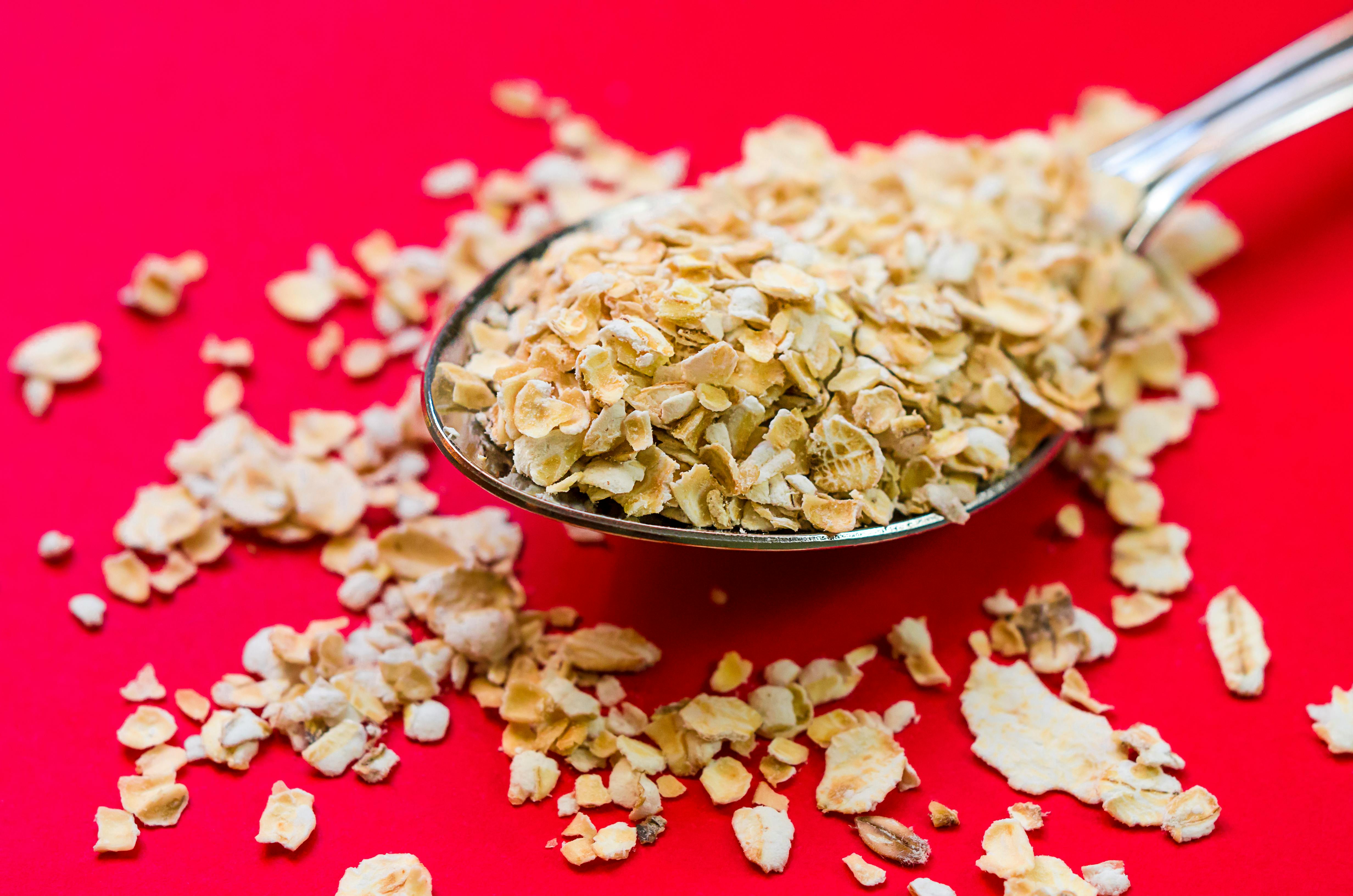
Oats are rising in importance because they offer one of the cheapest and most reliable breakfasts in the store. A large bag or canister goes a long way, and the cost per bowl remains low compared with cereal, pastries, or grab-and-go breakfast foods.
The appeal goes beyond hot oatmeal. Canadians use oats in overnight oats, baking, smoothies, homemade granola, and as a filler in meatloaf or veggie burgers. That flexibility helps households get more use from a single product, which is a major advantage during a period of higher prices.
There is also a nutrition argument. Oats are filling, widely recognized for their fiber content, and easy to customize with fruit, cinnamon, peanut butter, or yogurt. Shoppers trying to reduce food spending often look for items that keep people satisfied longer, and oats do that well.
Another reason oat purchases rise is substitution away from heavily processed breakfast foods. When boxed cereals and breakfast bars feel expensive for what they deliver, oats look like the smarter buy. They are simple, dependable, and easy to turn into several affordable meal options.
Frozen Vegetables

Frozen vegetables are benefiting from a practical reality of expensive groceries. When fresh produce prices jump or spoilage becomes harder to tolerate, frozen vegetables offer a lower-risk way to keep vegetables in the house without worrying about waste.
Their value comes from convenience and control. Shoppers can pour out exactly what they need, whether for soup, pasta, stir-fry, or a side dish, then return the rest to the freezer. That matters when households are trying to use every bit of what they buy.
Frozen produce can also compare well on nutrition because it is typically processed soon after harvest. For consumers choosing between costly fresh items and affordable frozen blends, the frozen option often feels like the better compromise between price, quality, and practicality.
This category has also gained from meal planning habits. People cooking more at home want ingredients that are always available and easy to add to dishes. Frozen peas, broccoli, corn, and mixed vegetables help round out meals without requiring another trip to the store.
Canned Tomatoes
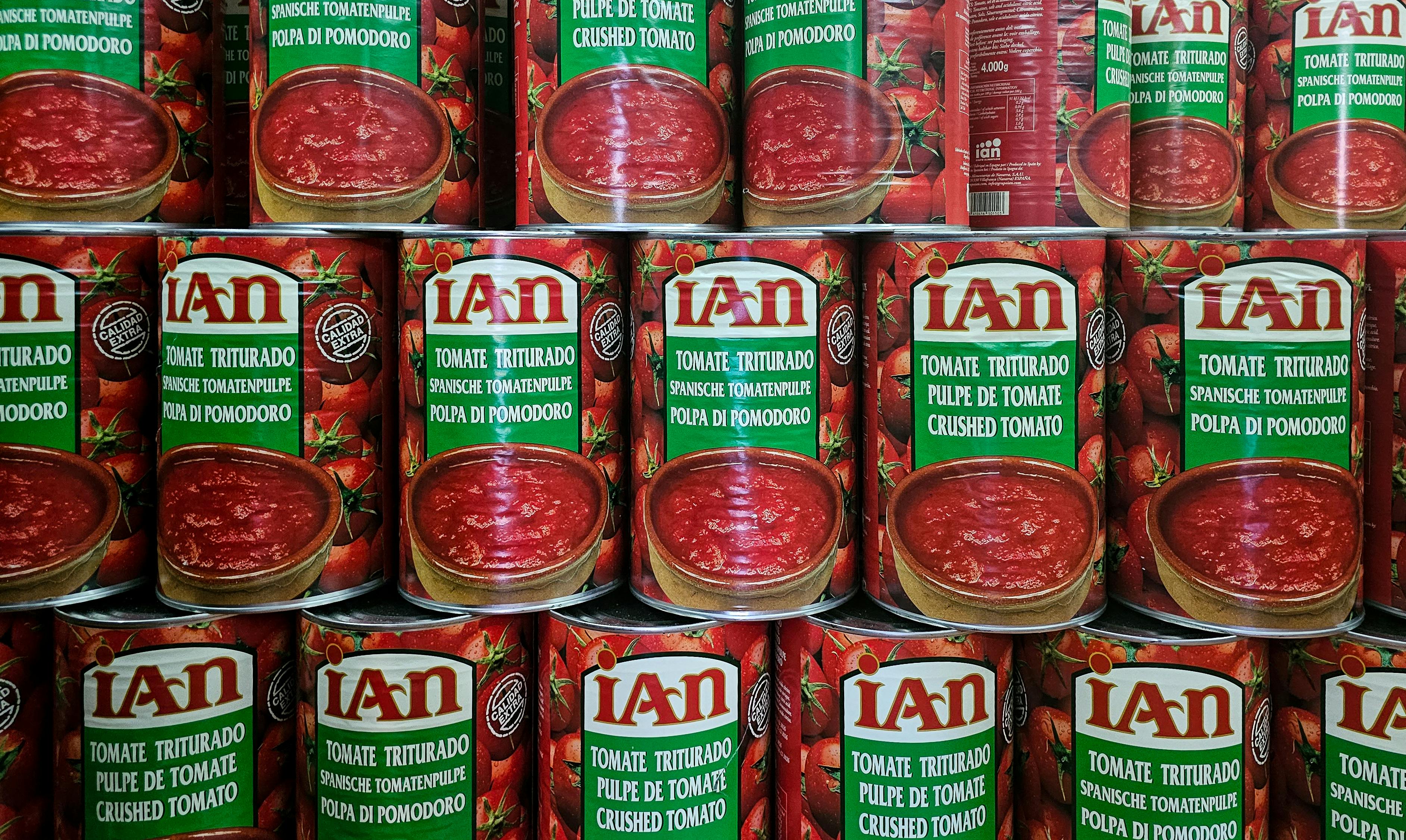
Canned tomatoes become more valuable when shoppers need flavor at a low cost. They are one of the easiest ways to build soups, sauces, stews, chili, and casseroles without paying premium prices for out-of-season fresh tomatoes.
Their pantry stability is a major reason demand rises during periods of inflation. Households can buy several cans on sale and keep them for future meals, which makes menu planning easier and reduces reliance on last-minute, often more expensive, grocery trips.
Canned tomatoes also work well with other budget foods. They pair naturally with pasta, rice, lentils, beans, and cheaper cuts of meat, helping turn basic ingredients into satisfying meals. That ability to connect low-cost staples is exactly what budget-minded shoppers need.
Another advantage is consistency. Unlike fresh tomatoes, which can vary sharply in price and quality depending on season and region, canned tomatoes offer a dependable product year-round. In an era of price sensitivity, dependable often wins over ideal.
Peanut Butter

Peanut butter continues to attract shoppers because it delivers calories, protein, and convenience in one relatively affordable package. For many households, it remains one of the simplest ways to make a quick breakfast, lunch, or snack without spending much.
Its usefulness across age groups is part of the story. Peanut butter works in sandwiches, on toast, in smoothies, with apples, in oatmeal, or in baking. Families trying to avoid costly snack foods often lean on it because it is familiar, filling, and easy to serve.
Shelf life matters here too. A jar can last a long time, especially compared with many refrigerated protein foods. That makes peanut butter a practical pantry item for households managing tighter cash flow and trying to shop less often.
The category also benefits from trading down. When deli meats, specialty spreads, and prepackaged snack kits become more expensive, shoppers return to basics. Peanut butter is one of those staples that feels economical without feeling like a major compromise.
Bread

Bread remains a core purchase because it supports low-cost meals throughout the day. Toast, sandwiches, grilled cheese, egg sandwiches, and simple side servings all help stretch pricier fillings and turn small amounts of food into complete meals.
Its role in budget management is often underestimated. Bread can make leftovers usable, absorb soups and stews, and reduce the need for more expensive prepared lunch options. For workers, students, and families, that kind of everyday utility carries real financial value.
Canadians are also responding to price differences within the category. Store-brand loaves, bakery markdowns, and discount racks offer ways to save, while some households have returned to home baking when flour and yeast make more economic sense than premium packaged bread.
Bread's popularity during inflation reflects a broader consumer instinct: keep staple foods on hand that can anchor fast, affordable meals. It may not be flashy, but it remains one of the most efficient tools for feeding people well on a tighter budget.
Canned Tuna

Canned tuna has gained ground because it offers a shelf-stable animal protein that is usually cheaper than fresh meat or fish on a per-serving basis. In a high-price grocery environment, that combination is hard for many shoppers to ignore.
It also fits the need for quick meal assembly. Tuna can become sandwiches, pasta salad, rice bowls, casseroles, patties, or wraps with very little added cost. When time and money are both tight, foods that solve both problems tend to sell well.
Another advantage is portion control. A can provides a manageable amount of protein without requiring shoppers to buy a larger fresh package that may cost more upfront or spoil before it is used. That smaller commitment suits cautious, budget-aware buying.
Tuna's resurgence is part of a wider return to pantry proteins. As households move away from expensive takeout and trim their fresh meat spending, shelf-stable options become more attractive. Canned tuna is familiar, flexible, and efficient, which makes it a natural choice in inflationary times.




Leave a Reply