
A Canadian grocery run can feel routine, but it is rarely accidental. From bilingual labels to winter stockpiling cues, many supermarket tactics in Canada are carefully designed around how Canadians compare prices, respond to promotions, and shop through the seasons.
The "Buy More to Save More" Trap Feels Safer in Canada
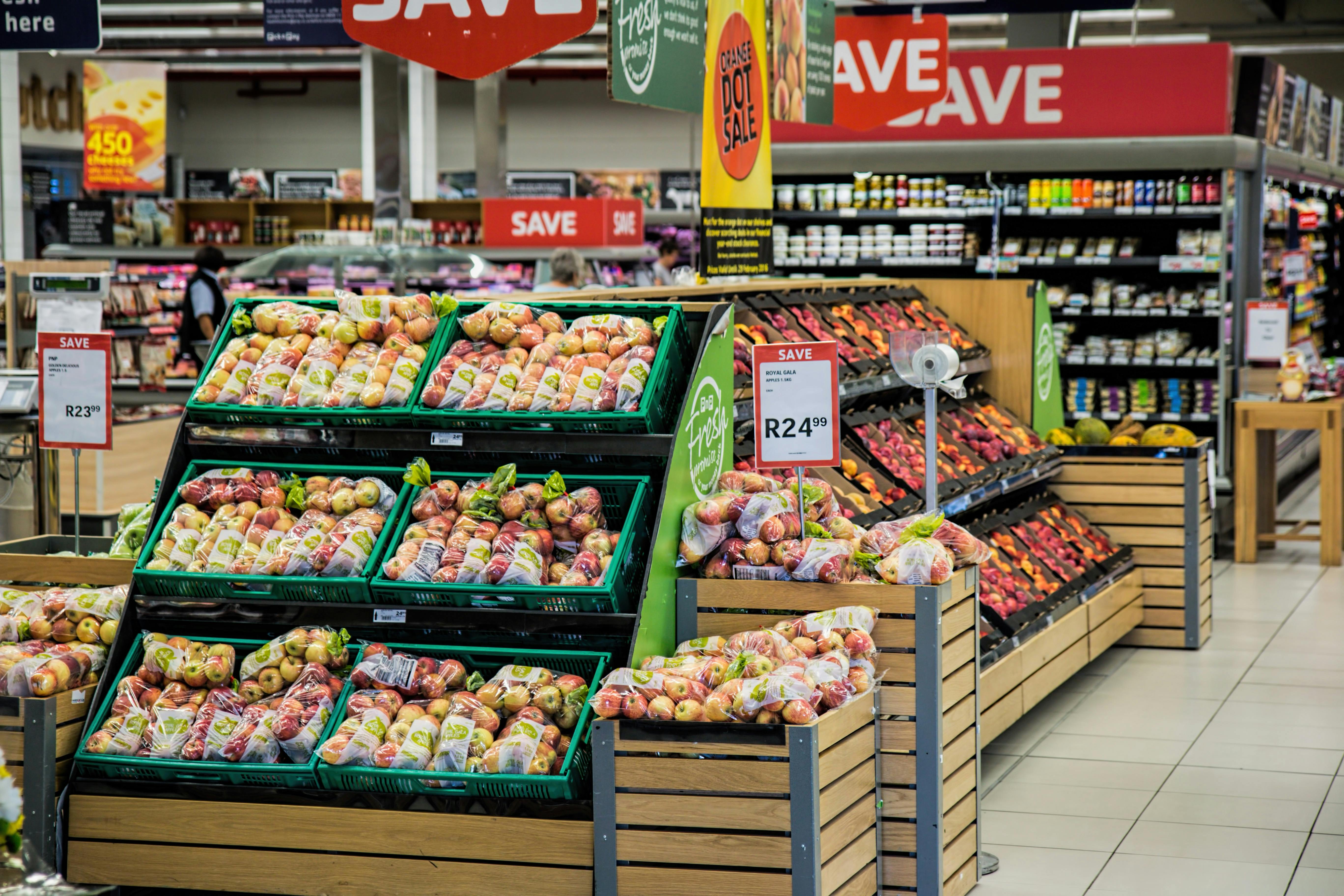
Canadians are used to seeing family-sized promotions tied to weekly flyers, loyalty points, and warehouse-style logic. That makes multibuy deals feel practical instead of risky, especially when households are trying to offset high food inflation. Retailers know shoppers are more likely to justify buying 2 or 3 items if the price is framed as a smart response to rising costs.
This is especially effective in categories with long shelf life, such as pasta, canned soup, frozen vegetables, and paper products. A sign that reads "3 for $10" creates urgency even when a single unit may still be available at a reasonable price. Many shoppers focus on the total discount frame rather than asking whether they needed all 3 items in the first place.
According to consumer pricing research, multibuy promotions work best when shoppers already expect future use. In Canada, long winters and fewer shopping trips in smaller communities can reinforce that mindset. Stores are not only selling extra volume. They are tapping into a national habit of planning ahead.
Maple Leaves, Local Flags, and "Product of Canada" Cues Trigger Trust

Few visual cues influence Canadian grocery shoppers more than symbols of local identity. A maple leaf on packaging, provincial farm messaging, or shelf tags that emphasize Canadian origin often signal freshness, safety, and community support. Even when the actual difference between "Made in Canada" and "Product of Canada" is significant, many shoppers respond emotionally before reading the fine print.
This tactic works because grocery shopping has become tied to values as much as value. During supply chain disruptions and food sovereignty debates, domestic sourcing gained new importance. Stores now highlight local meat, dairy, produce, and pantry staples because they know Canadian shoppers often associate local products with stronger standards and more reliable quality.
Retailers benefit when patriotic branding justifies premium pricing. A bag of greenhouse peppers or a carton of eggs may seem more worth the extra cost if the signage suggests supporting local producers. The trick is not fake, but it is strategic. Stores know national identity can shorten price comparisons.
Bilingual Packaging Makes Products Feel More Official and Trustworthy
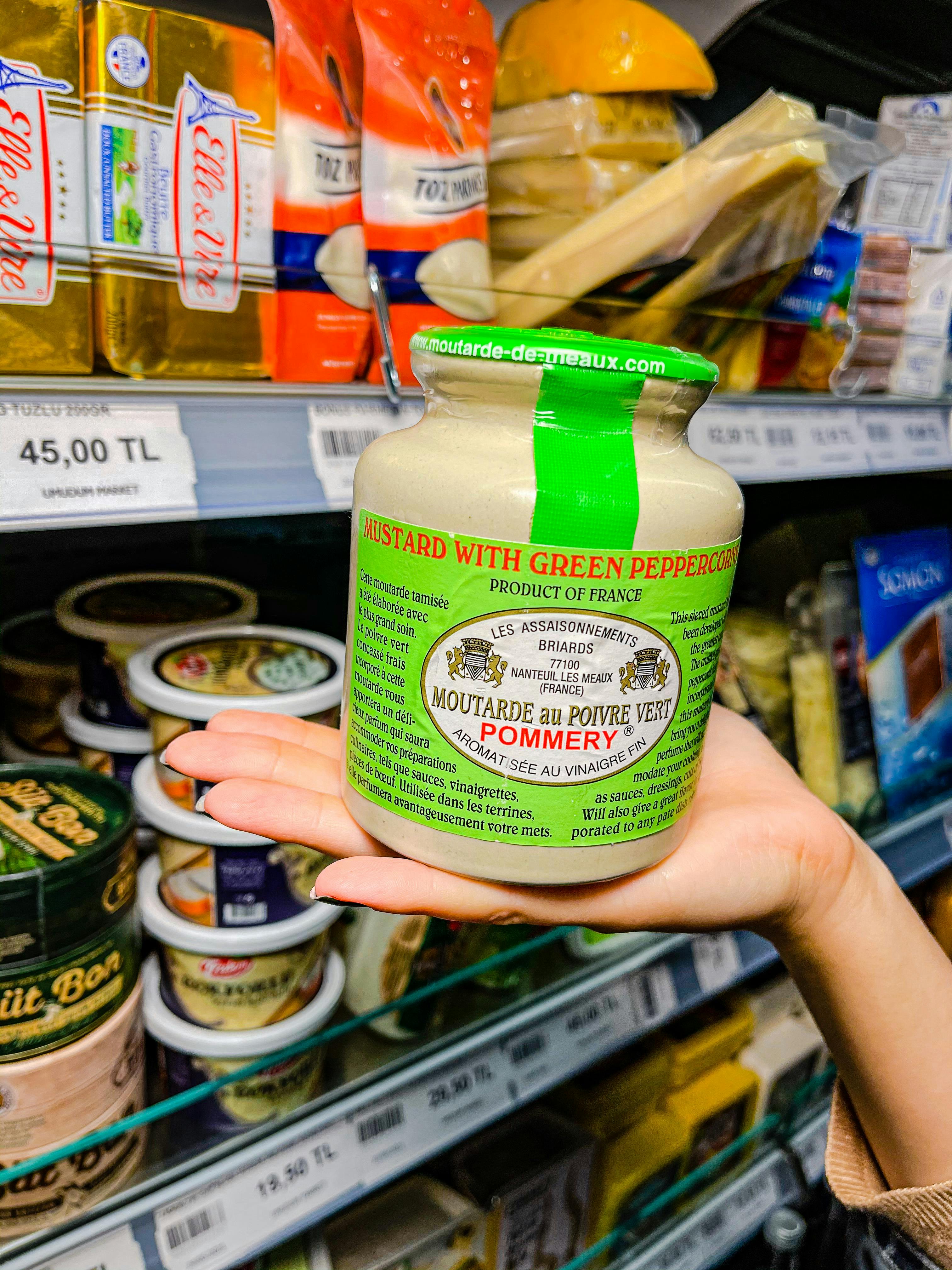
In Canada, bilingual labeling is not just regulation. It also shapes consumer psychology. Products presented in both English and French often appear more legitimate, standardized, and nationally recognized. In provinces with strong bilingual presence, that visual familiarity can make shoppers more comfortable choosing a store brand over a lesser-known competitor.
Private-label lines benefit especially well from this effect. When a discount grocer places clean, bilingual packaging beside a pricier national brand, the in-house option can look equally compliant and dependable. The visual presentation suggests the product belongs in a national retail system, not just on a bargain shelf.
That matters because trust drives grocery decisions faster than most shoppers realize. People are buying quickly, often under budget pressure. If the label looks polished, official, and culturally familiar, hesitation drops. Canadian stores understand that packaging is not just information. It is a credibility tool.
Harsh Winters Make "Storm Stock-Up" Displays Exceptionally Powerful

A snowstorm display in Florida is one thing. In Canada, it can move serious volume. When retailers stack bread, milk, canned chili, batteries, soup, and bottled water near the entrance ahead of a storm, they are not merely meeting demand. They are amplifying a well-established reflex among Canadian shoppers who know weather can disrupt roads, deliveries, and daily routines.
This tactic works because it blends memory and precaution. Canadians have lived through ice storms, blizzards, highway shutdowns, and school closures that made even a short trip difficult. A display that whispers "be prepared" does not feel manipulative. It feels responsible, which is exactly why it is so effective.
Stores often pair these displays with flyer timing and weather coverage. If shoppers have already heard warnings from local forecasts, in-store urgency lands harder. The result is a powerful loop: weather drives concern, displays convert concern into extra purchases, and carts fill with more than the essentials.
Loyalty Points Feel Like Real Money Because Canadians Use Them Constantly

In Canada, loyalty culture is unusually mature. Programs tied to grocery chains, pharmacies, gas stations, and credit cards have trained shoppers to think in points almost as fluidly as dollars. That creates a major opening for stores. A tag promising 1,000 bonus points can feel more rewarding than a direct discount, even when the actual value is modest.
Retailers use this to nudge brand switching, larger basket sizes, and return visits. Spend-threshold offers such as "get 20,000 points when you spend $100" are especially persuasive because they push shoppers to add a few more items to cross the line. The customer leaves feeling strategic, while the store lifts the transaction total.
Experts in consumer behavior often note that points reduce the pain of paying because the reward is delayed and abstract. In Canada, that abstraction has become normalized. Many shoppers mentally bank points for holiday meals, household basics, or pharmacy purchases, which makes the system feel deeply practical rather than promotional.
Smaller Urban Stores Exploit the "Convenience Premium" Quietly
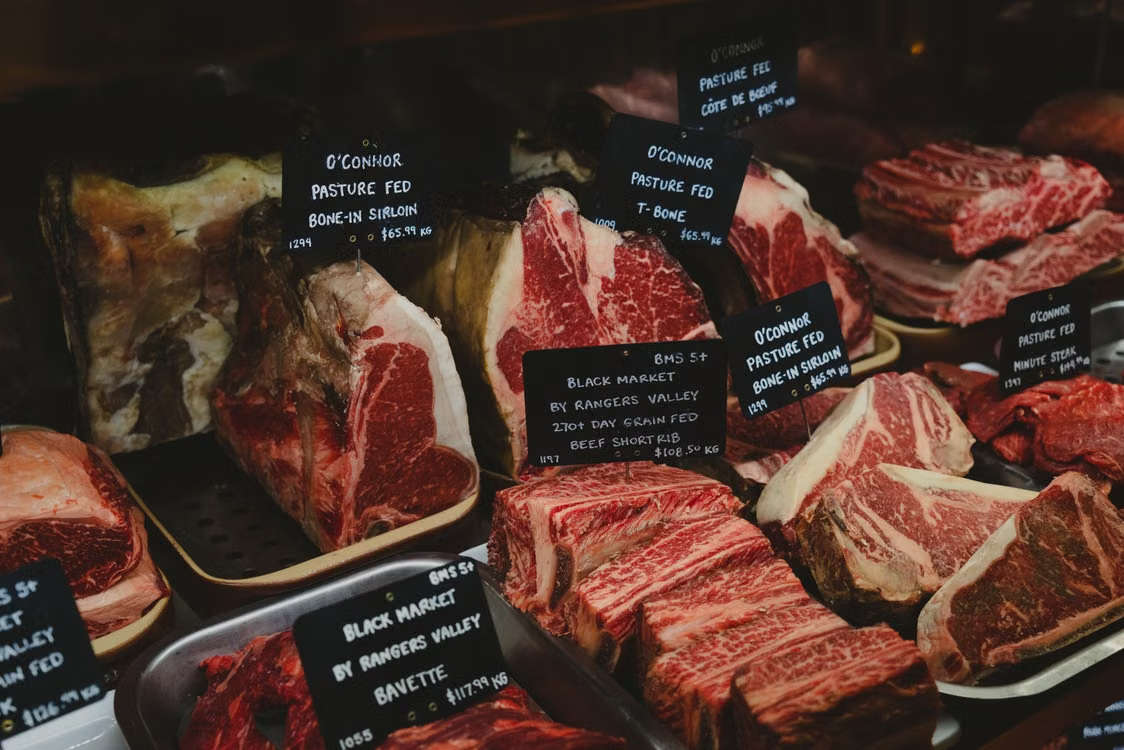
In dense Canadian cities such as Toronto, Vancouver, and Montreal, many shoppers rely on smaller-format grocery stores near transit lines or residential towers. These stores know convenience often outweighs strict price sensitivity. As a result, high-margin items are placed where rushed commuters will grab them without much comparison shopping.
Prepared meals, pre-cut fruit, single-serve yogurt, and premium snacks do particularly well in this setting. A shopper stopping in after work may accept paying more simply to avoid another trip in bad weather or heavy traffic. Canadian urban retail patterns, shaped by climate and commuting habits, make this premium easier to sustain.
The trick becomes more effective when shelf prices look only slightly higher than larger suburban competitors. Individually, the difference feels manageable. Over a full basket, it adds up quickly. Stores count on the fact that many customers are buying time, not just groceries, and they price accordingly.
End-of-Aisle Displays Lean on Flyer Culture and Habit Shopping

Canadian shoppers still respond strongly to weekly flyers, whether they see them in print, apps, or emailed promotions. Grocery chains build on that habit by using endcaps to reinforce what shoppers already noticed at home. When customers turn into an aisle and find the exact featured cereal, coffee, or dish soap stacked high, the promotion feels confirmed and urgent.
This strategy works because it reduces friction. The shopper does not need to search, compare much, or rethink the purchase. The product has already been pre-approved in the mind through flyer exposure. The endcap simply closes the sale.
Retail analysts have long observed that repeated visibility boosts perceived value. In Canada, flyer planning remains part of household budgeting, especially among families and seniors. Stores use that pattern brilliantly. They make promoted items easy to find, easy to recognize, and easy to toss into the cart before second thoughts appear.
Seasonal Foods Are Timed Around Canadian Rituals, Not Just Holidays
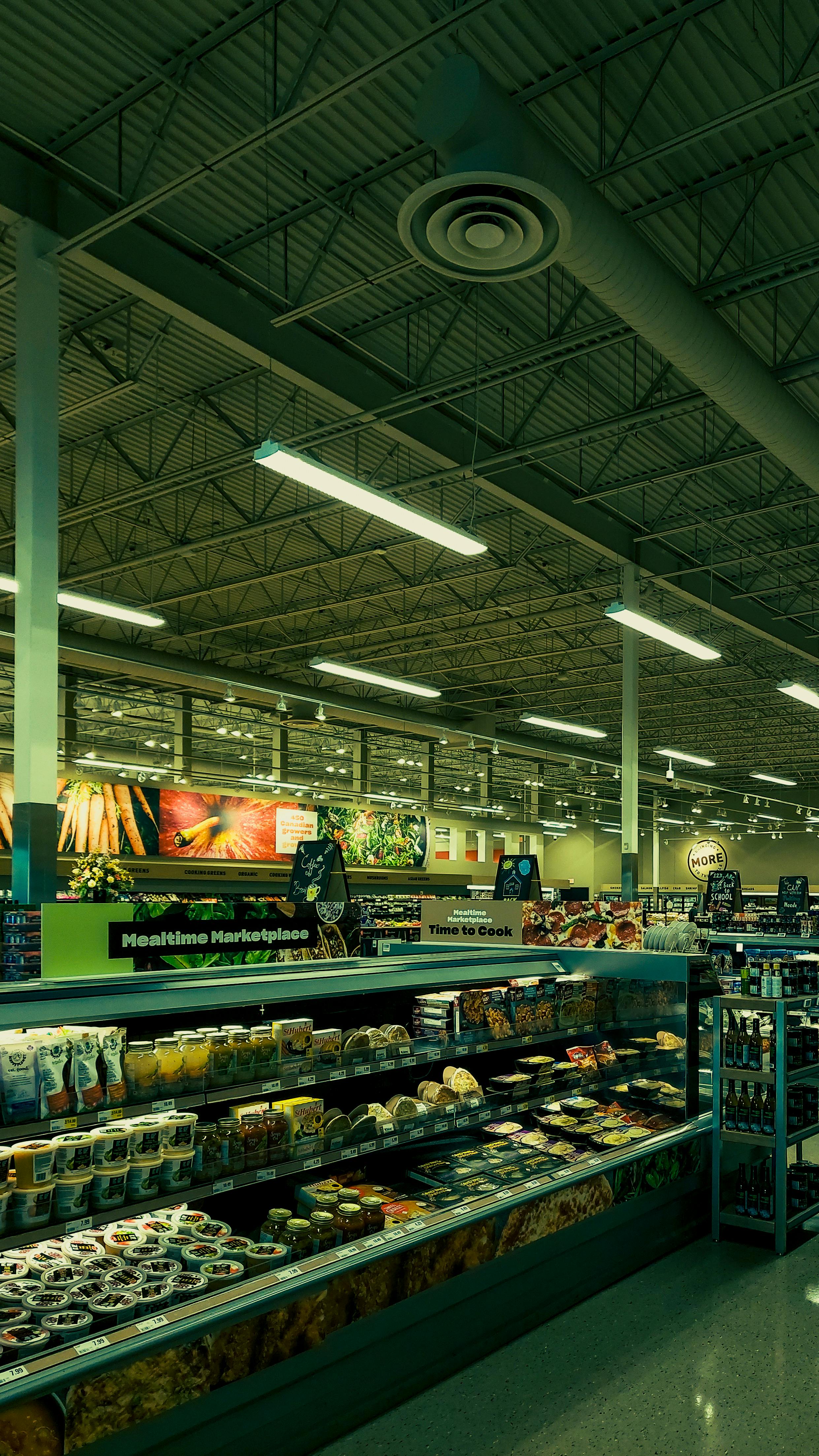
Canadian grocery stores do not simply merchandise by season. They merchandise by deeply familiar rituals. Think turkey displays before Thanksgiving in October, butter and baking surges before December holidays, and barbecue essentials the moment warmer weather finally arrives. These are not just calendar shifts. They are emotional shopping cues tied to routines Canadians anticipate every year.
The timing matters because Canadian seasons are dramatic and compressed. The first warm spring weekend can trigger a rush on burgers, buns, charcoal, and patio drinks. The first real cold snap can drive soup, tea, oatmeal, and slow-cooker ingredients. Stores understand that weather and tradition often shape demand faster than official dates do.
By placing seasonal goods prominently and early, retailers influence what feels timely to buy. Shoppers may not have planned a full holiday meal or summer cookout until the display suggested it. The tactic succeeds by turning cultural rhythm into immediate consumption.
Price-Match and "Member Pricing" Create the Illusion of Control
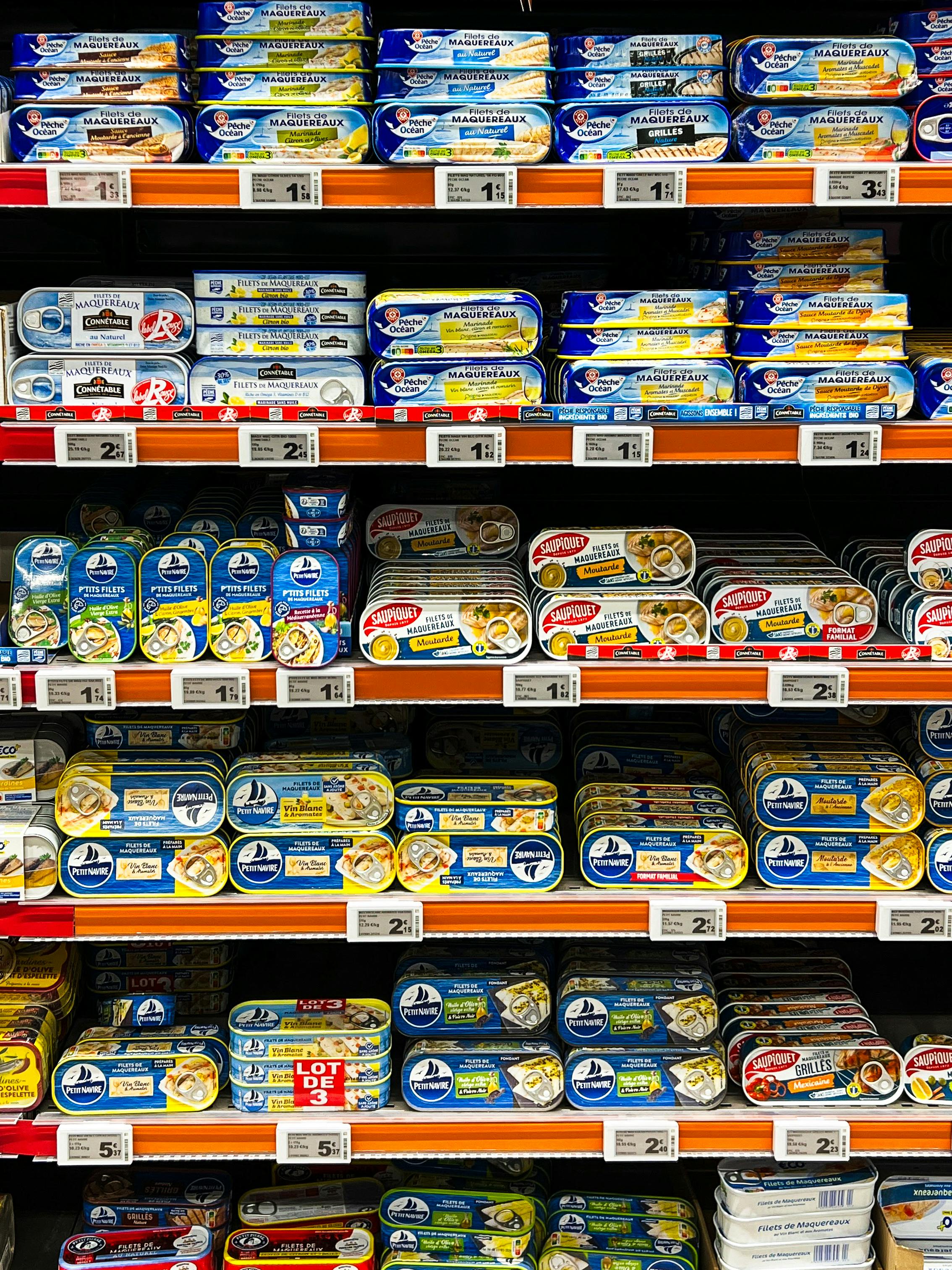
Canadian shoppers are highly price aware, and many pride themselves on being careful comparison buyers. Grocery stores respond by offering systems that seem to hand power back to the customer. Price-matching policies and member-only prices are perfect examples. They create a sense that savvy shoppers can beat the system, even while staying inside it.
Member pricing is especially clever because it frames the lower price as earned. Scan the app or loyalty card and suddenly the deal appears exclusive, even though the real goal is data collection and repeat traffic. The shopper feels rewarded for being informed, while the retailer gathers purchase habits with every transaction.
Price-matching works similarly on a psychological level. Even when relatively few people use it regularly, its mere existence can build trust. Customers assume the store is competitive, so they compare less often. The promise of savings can be enough to keep shoppers loyal without requiring the lowest base prices across the board.
Checkout Layouts Are Built for Canadian "Little Treat" Spending

The final trick is one of the oldest, but Canadian grocery chains have adapted it well. At checkout, stores place chocolate bars, mints, magazines, gift cards, lip balm, and small seasonal items where tired shoppers make quick emotional decisions. In Canada, this works especially well during long winters and high-stress shopping periods, when people are more likely to justify a small comfort purchase.
Many chains now add refrigerated drinks, premium gum, and portable snacks to self-checkout lanes as well. That broadens the temptation beyond kids begging for candy. Adults scanning their own baskets are still vulnerable to impulse spending, especially after focusing hard on budget choices throughout the store.
Behavioral economists often describe this as decision fatigue. By the time shoppers reach the till, resistance is lower. A $2 treat feels harmless after a $90 grocery run. Retailers know that one last nudge, repeated across thousands of customers, quietly turns convenience into profit.




Leave a Reply