
A grocery shelf can tell you a lot about a country's food laws. In Canada and the United States, those differences are sometimes surprisingly sharp.
Raw Milk
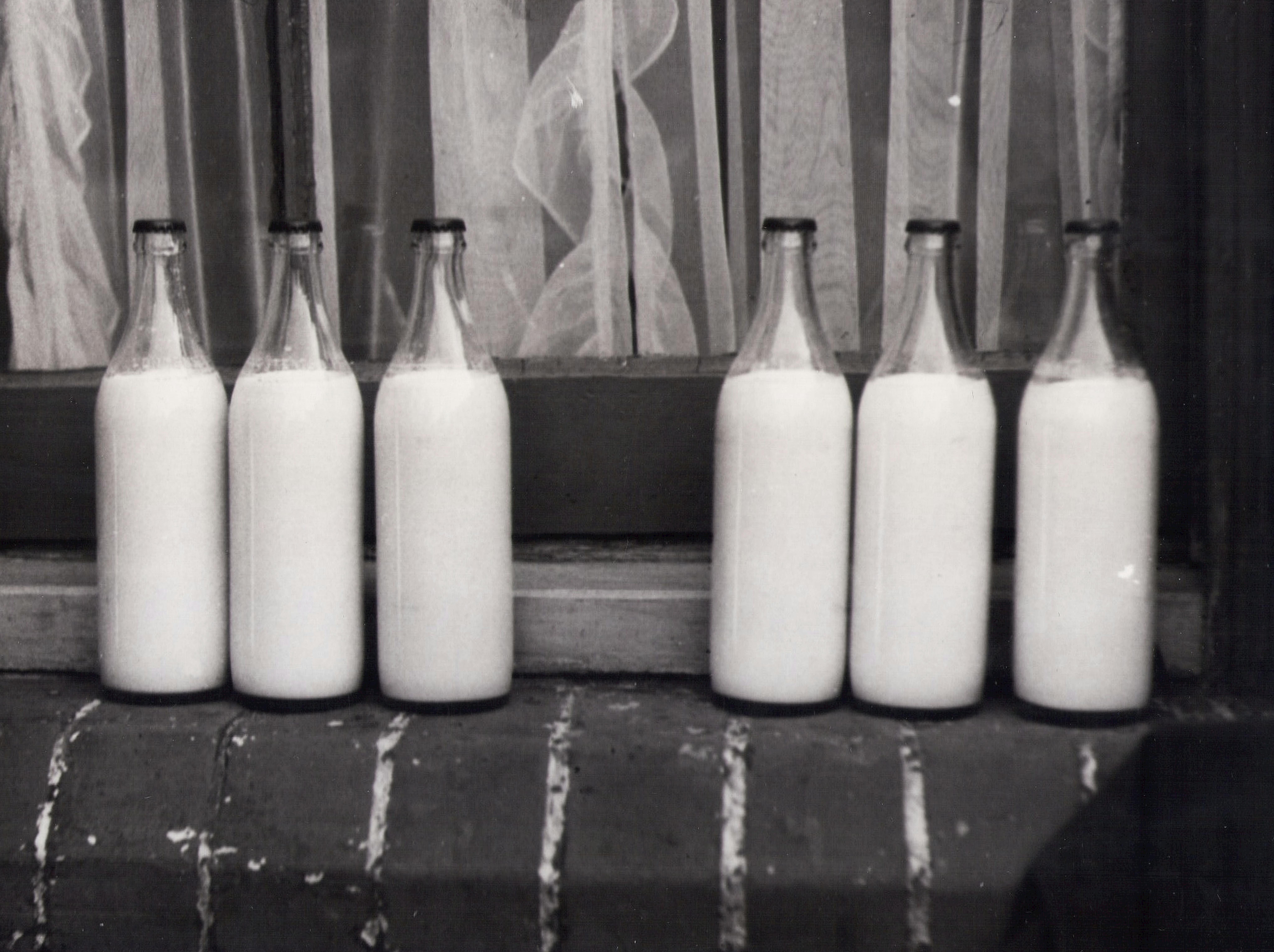
Few foods spark as much debate as raw milk. In Canada, the sale of raw milk for direct human consumption is broadly prohibited because federal and provincial authorities consider it a higher-risk product for foodborne illness.
Health Canada and provincial regulators have long pointed to pathogens such as E. coli, Salmonella, and Listeria as the central concern. Pasteurization is treated as a basic public-health safeguard, especially for children, pregnant women, older adults, and people with weakened immune systems.
In the United States, the federal government bars interstate retail sale of raw milk, but many states allow it within their own borders. That creates a patchwork system where consumers in some areas can buy it from farms, herd-share programs, or specialty retailers with relative ease.
The result is a clear policy divide. Canada treats raw milk as a product that should not enter the regular consumer marketplace, while the US leaves much of the decision to state governments, producing a far more permissive retail reality.
Kinder Surprise Eggs

This is one of the most famous cross-border food oddities. The classic Kinder Surprise, the hollow chocolate egg with a small toy sealed inside, is not legally sold in the United States because of a longstanding rule against non-nutritive objects embedded in confectionery.
Canada took a different approach and allows the traditional Kinder Surprise product on store shelves. The reason it appears on lists like this one is that not every Kinder-style product is treated the same way under Canadian rules, especially where packaging, toy design, and labeling are involved.
In practical terms, the better comparison today is regulatory philosophy. US law historically focused on the embedded-object issue, while Canada has generally permitted the product so long as it complies with consumer-product safety and food-label requirements.
That makes this item a useful reminder that "banned" and "restricted" do not always move in the same direction. Sometimes Canada is stricter, and sometimes the United States is, depending on whether the main concern is contamination, additives, or physical safety.
Foods Containing rBGH or rBST-Treated Dairy
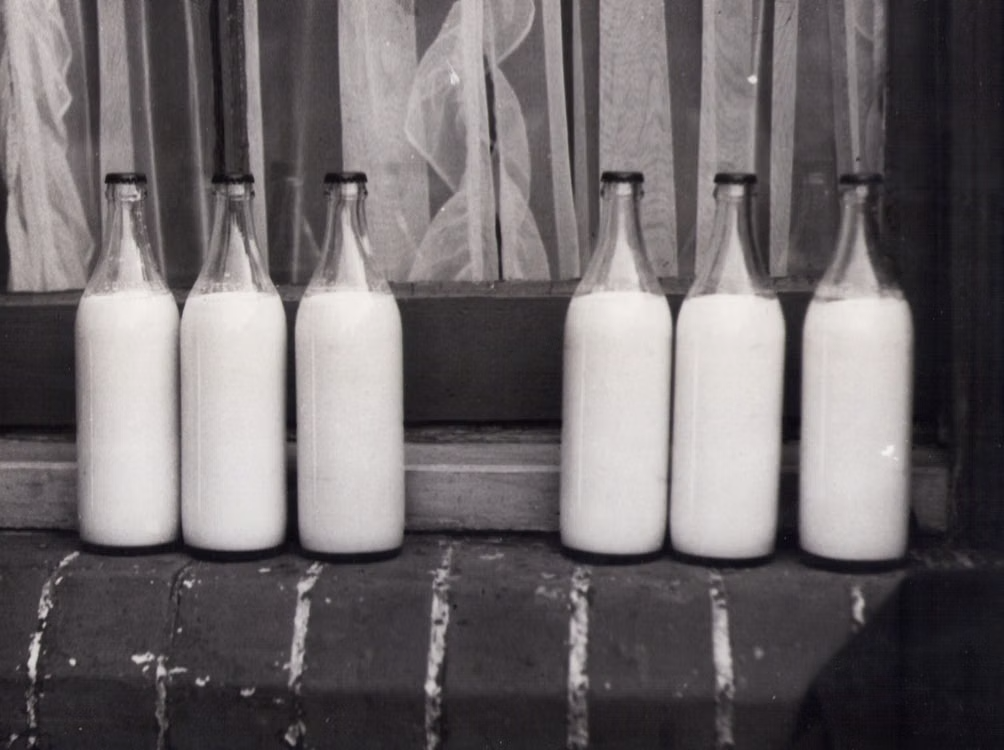
Milk policy is a quieter but more significant distinction. Canada does not approve recombinant bovine growth hormone, also called rBGH or rBST, for use in dairy cattle, meaning milk production from cows treated with the hormone is effectively outside the Canadian system.
Canadian regulators reviewed animal health, human food exposure, and broader farm impacts before rejecting approval. Concerns centered less on a dramatic consumer hazard and more on animal welfare issues such as increased mastitis risk, reproductive problems, and stress on cows.
In the United States, the hormone was approved decades ago and remains legal, although many major dairy brands now market milk from cows not treated with rBST. So while consumers can often avoid it voluntarily, products linked to that production system have long been sold freely in the US.
This is a classic case where the same glass of milk may look identical, yet the production rules behind it differ sharply. Canada's stance reflects a precautionary, farm-to-food regulatory model rather than a simple ingredient ban on the final carton.
Farmed Salmon with Higher Allowed Additive Residues
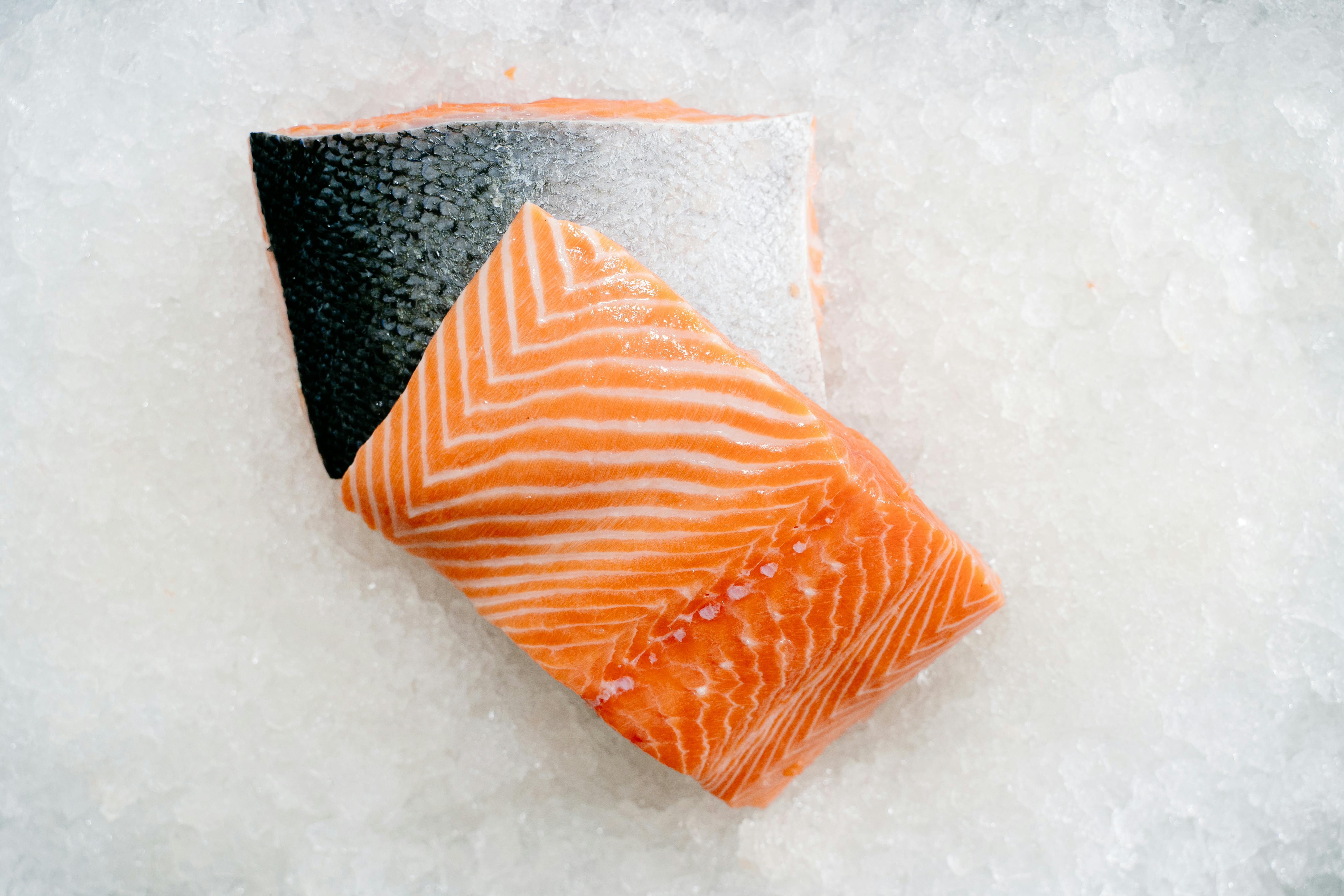
Salmon looks wholesome, but feed rules and residue standards matter. Canada permits farmed salmon, yet it tightly regulates veterinary drugs, pesticides, and feed-related substances, and products exceeding Canadian limits can be detained or rejected at the border.
One recurring issue in North American food discussions involves residues linked to aquaculture treatments. While the US also regulates those substances, market critics have argued that enforcement priorities and permissible supply channels can make certain imported salmon products easier to circulate there than in Canada.
Canadian inspection systems place strong emphasis on compliance documentation and maximum residue limits. If a product does not meet those standards, it is not simply a matter of consumer choice. It can become a legal market-access problem.
For shoppers, the takeaway is simple. The difference is not that salmon itself is banned in one country and embraced in the other, but that some fish products sold in the US may face tighter scrutiny or practical restriction in Canada because of residue and import compliance rules.
Artificially Colored Foods Using Certain Dyes

Color additives are a good example of how two advanced food systems can reach different conclusions. Canada has permitted many artificial colors, but it has also taken a more cautious stance on specific uses, formulations, and labeling expectations than what Americans commonly see in brightly colored processed foods.
Some dyes sold in US cereals, candies, beverages, and snack foods have faced stronger scrutiny in Canada, whether because of acceptable-use limits or manufacturer reformulation for the Canadian market. The product may still exist, but the exact recipe is often not identical on both sides of the border.
This matters because companies rarely maintain stricter formulas unless regulators or consumer pressure push them there. In practice, Canada has often nudged brands toward different ingredient choices, including natural colors or lower-use levels, even when an outright nationwide ban is not the headline.
So the restriction is often subtle rather than dramatic. A neon snack sold freely in the US may appear in Canada with a different ingredient list, a changed color system, or not at all if the formulation does not fit Canadian approval rules.
Brominated Vegetable Oil Drinks

Some ingredients become controversial because they seem technically obscure yet appear in familiar products. Brominated vegetable oil, known as BVO, was historically used in some citrus-flavored soft drinks to keep flavoring evenly distributed.
Canada did not permit BVO as a food additive, which meant beverages containing it could not be sold in the same way they were in parts of the US market. For years, that made certain American sodas and sports drinks a poor fit for Canadian shelves unless reformulated.
Scientific concern focused on accumulation of bromine in the body and the uncertainty around long-term exposure. While manufacturers in the US increasingly moved away from BVO under public pressure and regulatory review, American consumers still encountered it more often than Canadians did.
This shows how additive policy shapes the beverage aisle. A soft drink can look like the same product globally, but one ingredient on a technical label may determine whether it is welcome in Canada or sold widely in the United States.
Potassium Bromate in Bread Products

Bread seems basic, but industrial baking often relies on chemistry that consumers never see. Potassium bromate has been used as a flour improver to strengthen dough and help baked goods rise higher with a more uniform texture.
Canada does not allow potassium bromate in foods sold domestically. Bakers there must use other dough conditioners or alternative processing methods, reflecting a regulatory judgment that the additive is not appropriate for the food supply.
In the United States, potassium bromate has remained legal at the federal level, although many commercial bakers have phased it out and several retailers advertise bromate-free products. Even so, it has been possible for Americans to encounter it in certain breads, rolls, and baked goods.
The difference captures a broader theme in food law. Canada is often quicker to remove or exclude additives with persistent toxicological concern, while the US may allow continued use if exposure is judged to remain within regulatory limits under intended baking conditions.
Poultry or Meat Processed with Certain Antimicrobial Treatments
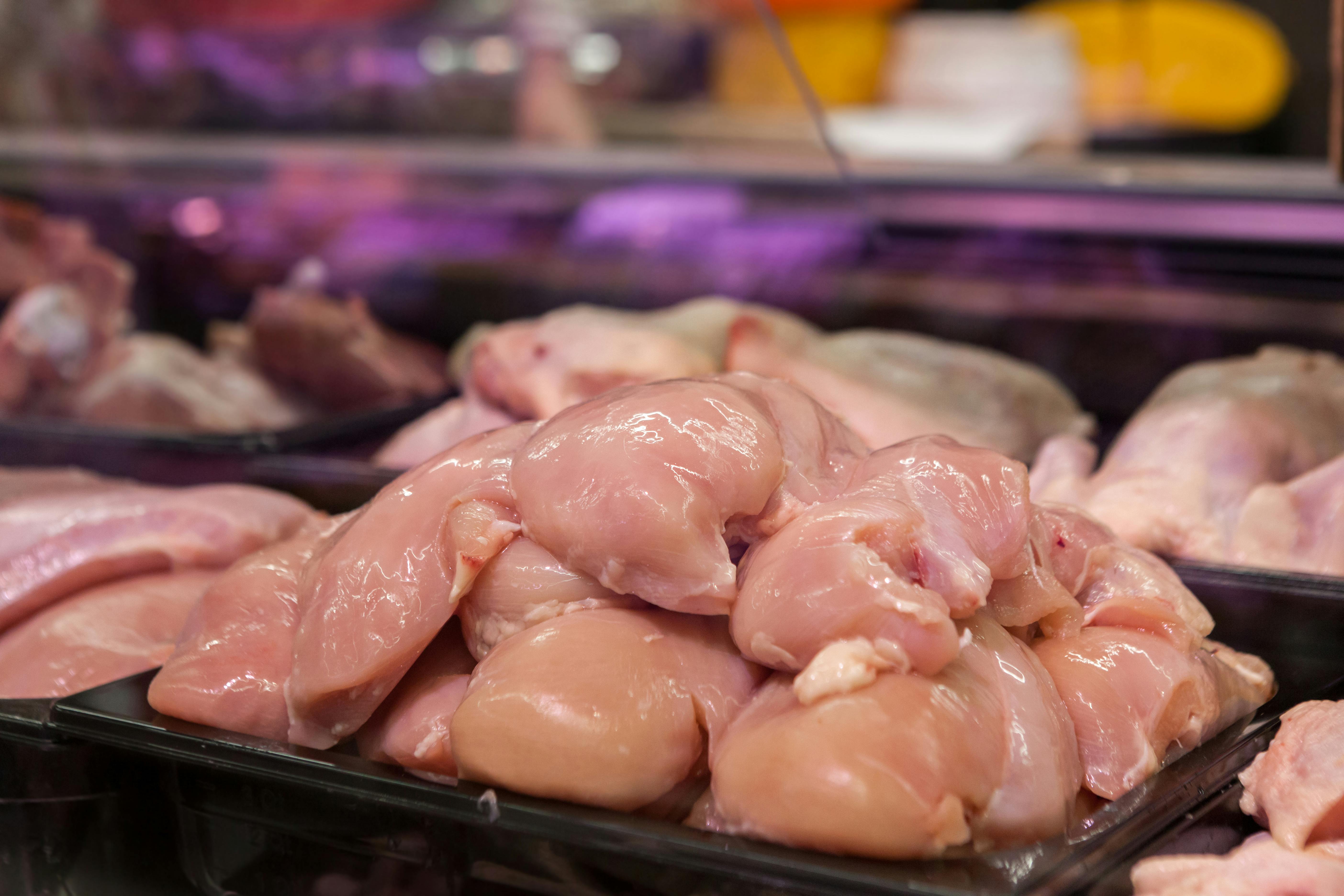
Sometimes the controversy is not the meat itself but how it is processed. Canada and the US have differed over the approval and use of some antimicrobial rinses and decontamination treatments applied to poultry or meat during processing.
Canadian food authorities assess these substances case by case, and imports must meet Canadian requirements, not just US ones. That means a product considered routine in an American processing plant may need a different treatment protocol or additional approval before entering the Canadian market.
One area that often draws attention is pathogen-reduction chemistry. Supporters say these treatments help reduce contamination risk, while critics argue they can mask poor hygiene or create consumer unease when chemical names appear unfamiliar.
For consumers, the key point is that "sold freely" often reflects processing standards as much as ingredients. A chicken or meat product accepted in the US may be restricted in Canada if the antimicrobial method, residue profile, or approval status does not align with Canadian rules.



Leave a Reply