
A farmers market can look familiar in Toronto, Vermont, Vancouver, or California. The meaning people attach to it, however, is often very different.
Geography shapes the market long before shoppers arrive

Distance matters more in Canada than many outsiders realize. A large share of the population lives close to the U.S. border, yet food production is spread across a vast country with short growing seasons in many regions. That makes local agriculture feel precious, seasonal, and often limited in volume. When shoppers visit a Canadian market, they are frequently responding to scarcity as much as abundance.
In the United States, geography creates a different kind of relationship. Many regions have longer growing seasons, larger agricultural belts, and a denser patchwork of towns connected to farming. In states like California, Texas, and Florida, local produce can appear at market for much of the year. That continuity makes farmers markets feel less like a special seasonal ritual and more like one option within a broad food system.
The numbers reflect that scale. The U.S. Department of Agriculture has tracked thousands of farmers markets nationwide over the past two decades, and growth was especially strong during the local food boom of the 2000s and 2010s. Canada has also seen steady market activity, but on a smaller footprint and with stronger regional variation. A market in British Columbia can feel entirely different from one in northern Ontario or Atlantic Canada.
That regional unevenness affects expectations. Canadians often approach markets with a strong awareness of place, weather, and harvest timing. Americans, especially in warmer states, are more likely to treat markets as routine weekly stops where choice and consistency matter almost as much as provenance.
Price tells shoppers what the market is really for

The clearest divide often appears at the cash register. In Canada, food prices are generally high, distribution costs are significant, and small producers operate within a tighter labor and land-cost environment. As a result, farmers markets can be seen as premium spaces, even when shoppers admire them deeply. Buying there may express support for local agriculture, but it is not always the cheapest way to feed a household.
American markets can also be expensive, especially in affluent urban areas. Yet the U.S. has more variation. In some cities, markets are luxury lifestyle destinations filled with artisan cheese, grass-fed meats, and heirloom vegetables. In other communities, they function as practical neighborhood food outlets, especially where incentive programs stretch SNAP benefits and make fresh produce more accessible.
That policy difference matters. Across the United States, many markets participate in nutrition assistance programs, and matching initiatives have helped lower-income shoppers buy fruits and vegetables. Researchers studying food access have noted that these programs can change who uses markets and how often. In Canada, support exists in some provinces and municipalities, but the system is less standardized and often less visible at scale.
This shapes public perception. Many Canadians see markets as places to buy better food, meet growers, and enjoy a community outing. Many Americans do that too, but there is also a stronger parallel idea that markets can serve food access goals, public health aims, and neighborhood revitalization.
Regulation and supply systems create different expectations
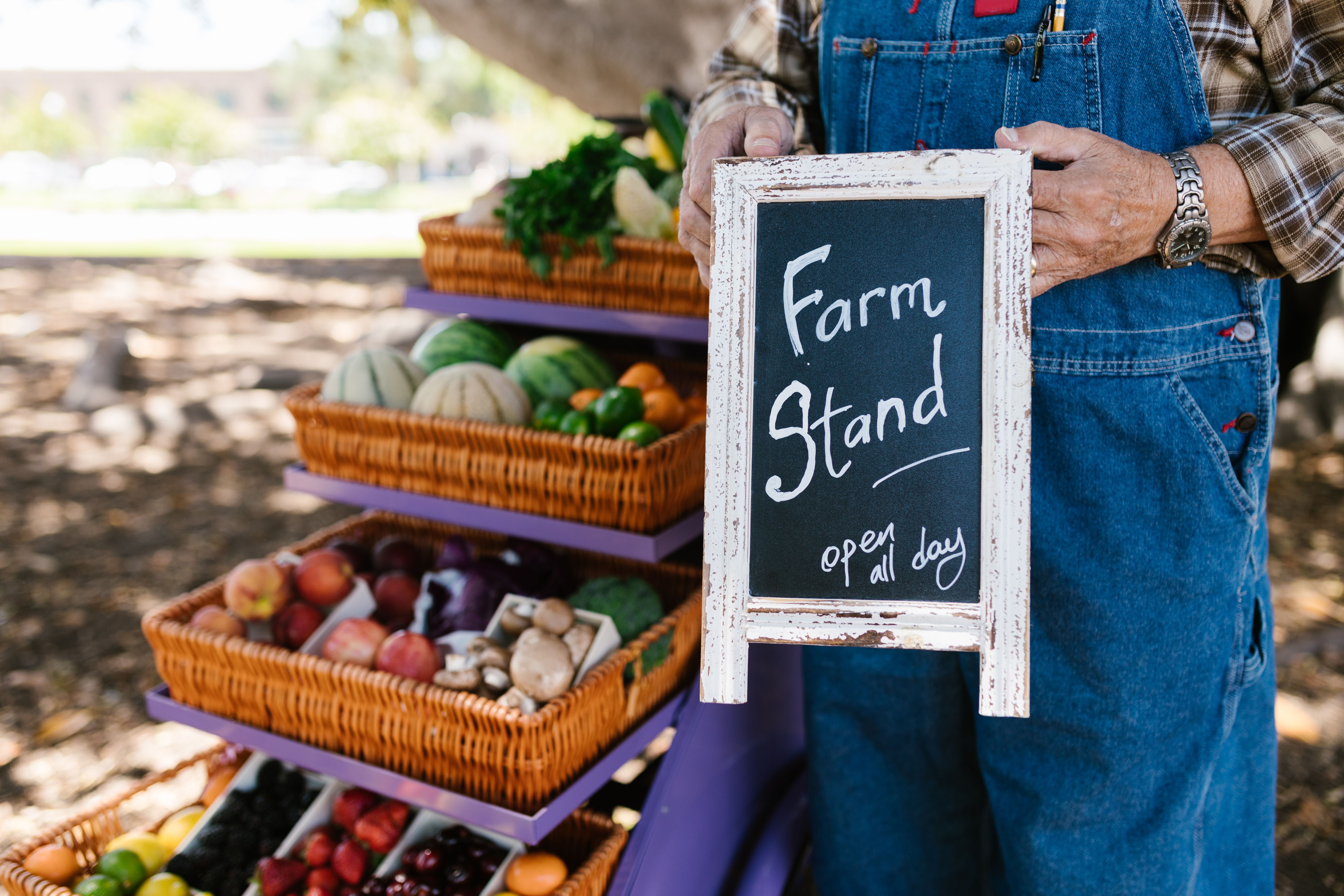
Rules quietly shape nearly every basket of tomatoes, jam, cheese, and meat sold at market. Canada's supply-managed sectors, including dairy, eggs, and poultry, create a different farm economy from the one Americans know. This does not determine the whole market experience, but it affects what small producers sell, how they price it, and how shoppers understand farm value. Canadian consumers are often more accustomed to a food system where stability and protection are openly part of the conversation.
In the United States, the market culture is tied more closely to entrepreneurial farm identity. Producers often build brands around direct sales, niche crops, organic methods, and specialty products. The USDA has long supported direct-to-consumer channels through grants, promotion, and market data, and that has reinforced the image of the market as a place where small businesses test products and tell stories.
Health rules, vendor permits, and provincial or state oversight also differ in tone. Canadian markets can feel more curated and more tightly managed, especially where "make it, bake it, grow it" policies define who can participate. American markets range widely, from highly selective flagship markets to looser mixed spaces with produce resellers, prepared food stands, and craft vendors.
The result is a subtle but important contrast. Canadians often expect authenticity, traceability, and producer presence. Americans are more used to a hybrid model where the market is both a farm outlet and a flexible small-business platform.
Climate makes seasonality central in one country and optional in the other
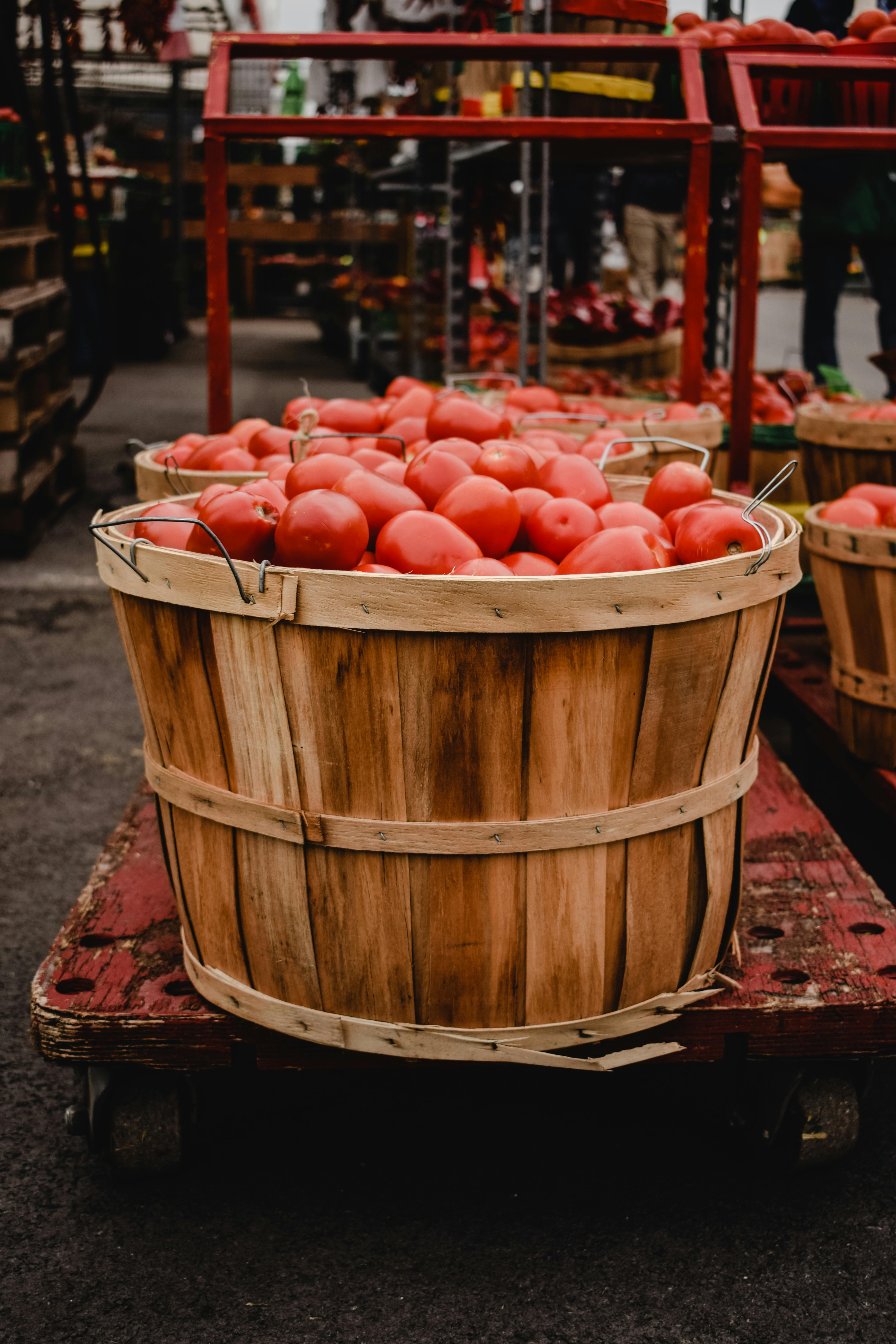
Winter changes habits. In much of Canada, farmers markets are strongly tied to the emotional rhythm of summer and early fall. Strawberries, sweet corn, apples, squash, and greenhouse vegetables arrive with a sense of timing that shoppers feel acutely. Seasonal eating is not just an aesthetic preference there. It is a practical reality that has shaped generations of cooking, preserving, and shopping patterns.
The United States has seasonal markets too, of course, but many Americans can access year-round fresh produce more easily, whether through local farms, regional distribution, or imports. In warmer climates, outdoor markets continue through winter with citrus, greens, avocados, and root vegetables. That continuity softens the cultural importance of harvest windows and makes farmers markets less bound to one part of the calendar.
Canadian markets have adapted with indoor winter formats, greenhouse supply, storage crops, baked goods, meats, and preserves. Still, the cold season often turns markets into specialized community events rather than broad fresh-food hubs. For many households, supermarkets reclaim the center of food shopping once temperatures drop.
This gives Canadians a more ceremonial connection to markets. The first asparagus or peaches of the season can feel like a true local event. In the U.S., especially in agriculturally rich states, markets may inspire excitement, but they are less likely to symbolize a brief annual reunion with local abundance.
Culture and class influence who feels at home there
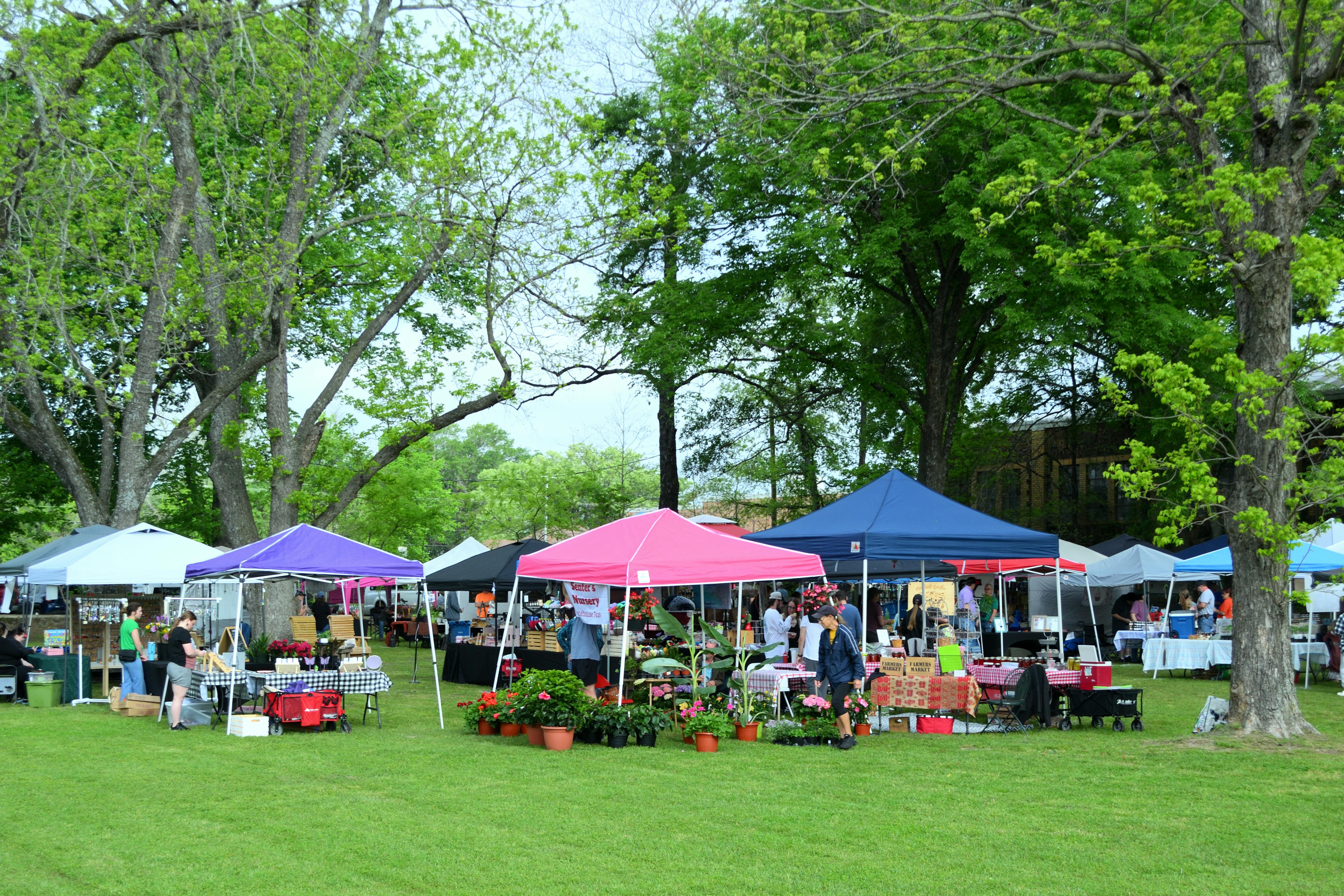
A farmers market is never just about produce. In Canada, markets are often woven into civic identity, tourism, and neighborhood life in a measured way. Think of market squares in small towns, historic public markets in major cities, or weekend gatherings that mix food with craft goods and live music. They often project a calm, community-minded atmosphere that aligns with broader Canadian preferences for public space that feels orderly and shared.
In the United States, market culture can be more performative and more segmented by class. One market may cater to chefs, affluent families, and wellness-oriented shoppers looking for pasture-raised eggs and kombucha. Another may anchor a rural town where buying directly from a farmer is simply normal. This wide range makes the American relationship more fragmented and less predictable.
Demographics also matter. Immigration patterns, Indigenous food traditions, and urban development have shaped markets differently in both countries. Canadian markets often emphasize regional identity and multicultural foodways within a smaller urban network. American markets, especially in large metro areas, can function as lifestyle stages where sustainability, health, and status overlap.
That does not mean one country is more authentic than the other. It means the social meaning of market shopping differs. In Canada, it often signals local loyalty and seasonal awareness. In the United States, it can signal anything from thrift and food access to privilege and personal values.
The market's role in daily life is not the same on either side
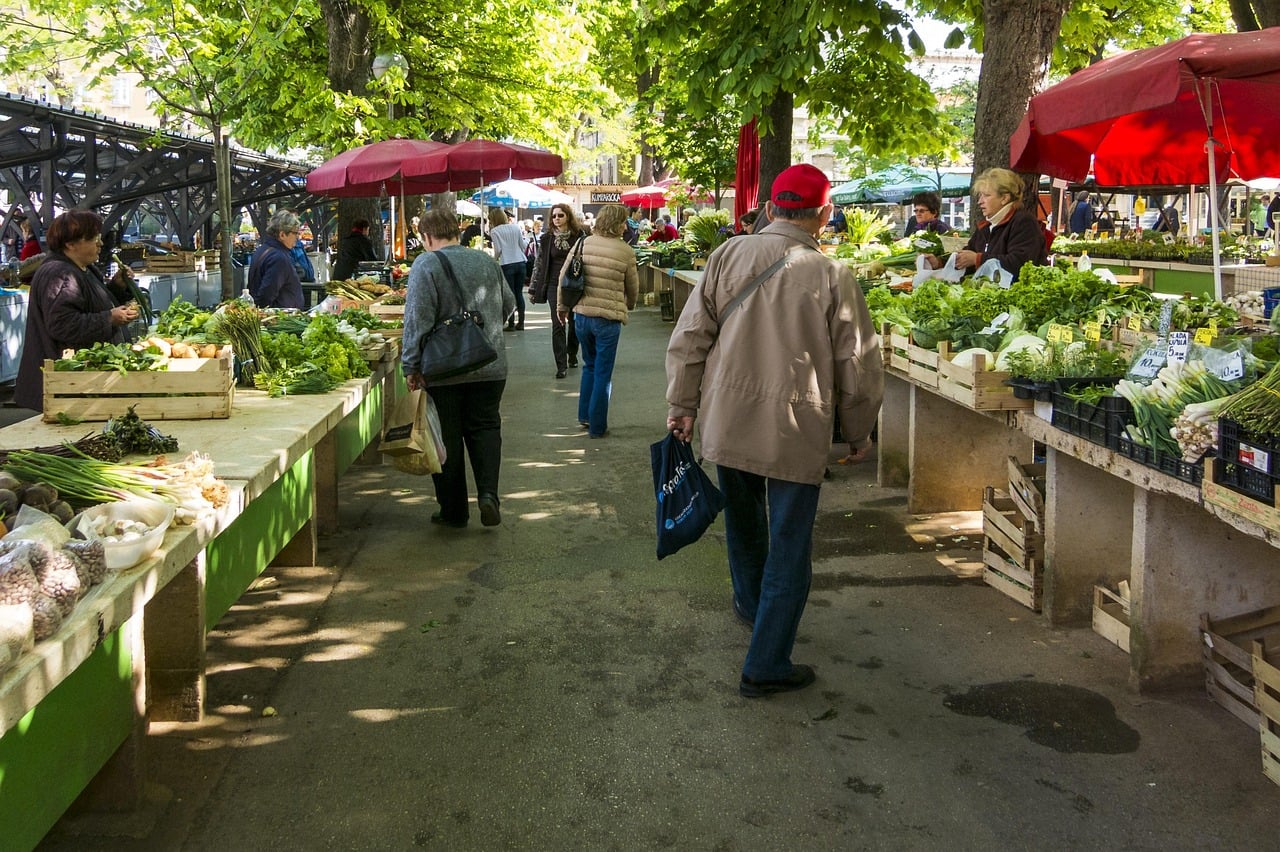
At the deepest level, the difference comes down to function. In Canada, farmers markets are often treated as supplements to the main grocery system rather than full replacements for it. Shoppers may go for berries, bread, maple products, local meat, or in-season vegetables, then complete the rest of the week's list elsewhere. The market holds symbolic power, but it is not always central to household logistics.
In the United States, that pattern exists too, but there are more places where markets act as serious weekly provisioning points. In dense urban neighborhoods, college towns, and agriculturally rich regions, shoppers may rely on them for a meaningful share of produce, eggs, dairy, baked goods, and prepared foods. Community-supported agriculture, farm stands, and market networks also reinforce direct buying habits.
Public memory plays a role here. Americans often connect markets to ideas of independence, entrepreneurship, and local choice. Canadians are more likely to connect them to trust, regional identity, and support for domestic producers in a country where food miles can be vast. Both views are rational responses to each nation's food landscape.
That is why the same stall of tomatoes can mean different things in Montreal and Minneapolis. One shopper may see a cherished seasonal luxury. The other may see a normal, recurring part of how food should be bought.




Leave a Reply