
A walk through a Canadian supermarket does not look quite the way it did a decade ago. Shelf space is being reallocated constantly, and the sections losing ground tell a clear story about how Canadians shop now.
Frozen Juice Concentrate
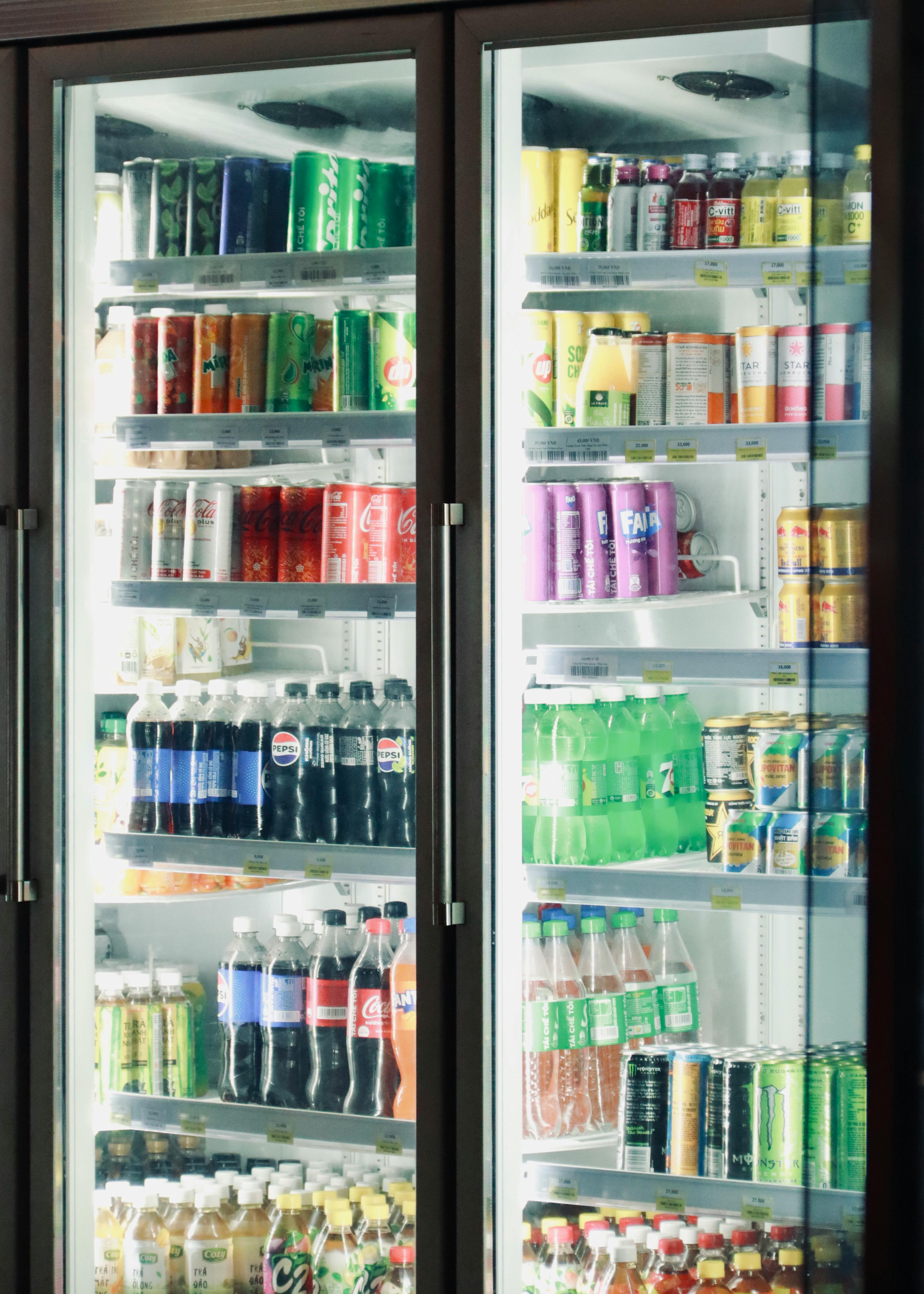
Once a staple of the freezer aisle, frozen juice concentrate has been fading for years. It used to offer a cheap way to make orange or apple juice at home, especially for larger families trying to stretch grocery budgets.
Now, that section is often reduced to just a few cans in many Canadian chains. Shoppers have moved toward chilled juices, shelf-stable cartons, flavored sparkling water, and drink mixes that feel more convenient or healthier. Retailers respond quickly when demand drops, and frozen concentrate has been one of the easiest cuts.
Industry tracking has also shown a broader decline in traditional juice consumption across North America. Health concerns over sugar, plus competition from plant waters, kombucha, and low-calorie beverages, have chipped away at demand. In stores where freezer space is under pressure, slower items are rarely protected.
That matters because freezer space is expensive and highly competitive. Grocers would rather give that room to frozen fruit, ready meals, or premium desserts that turn faster and generate better margins.
DVD and Gift Card Entertainment Racks

Near the front of many grocery stores, entertainment racks used to be hard to miss. Bins of bargain DVDs, small electronics, and rows of movie tie-in products once captured impulse buyers waiting at checkout or passing through seasonal displays.
Those racks have steadily shrunk as streaming replaced physical media. Netflix, Disney+, and other platforms changed viewing habits, while even game and movie collectors now tend to shop online or through specialty retailers instead of picking through supermarket displays.
Gift cards remain, but the entertainment mix around them has narrowed. Many chains have reduced the amount of floor space devoted to DVDs and CD-style products because they no longer justify the square footage. A small card wall is more flexible and easier to restock than bulky product towers.
This is part of a wider retail pattern. Grocery stores increasingly want front-end space for prepared foods, self-checkout lanes, or promotional items with stronger sales velocity than physical entertainment media can deliver.
Full-Service Meat Counters
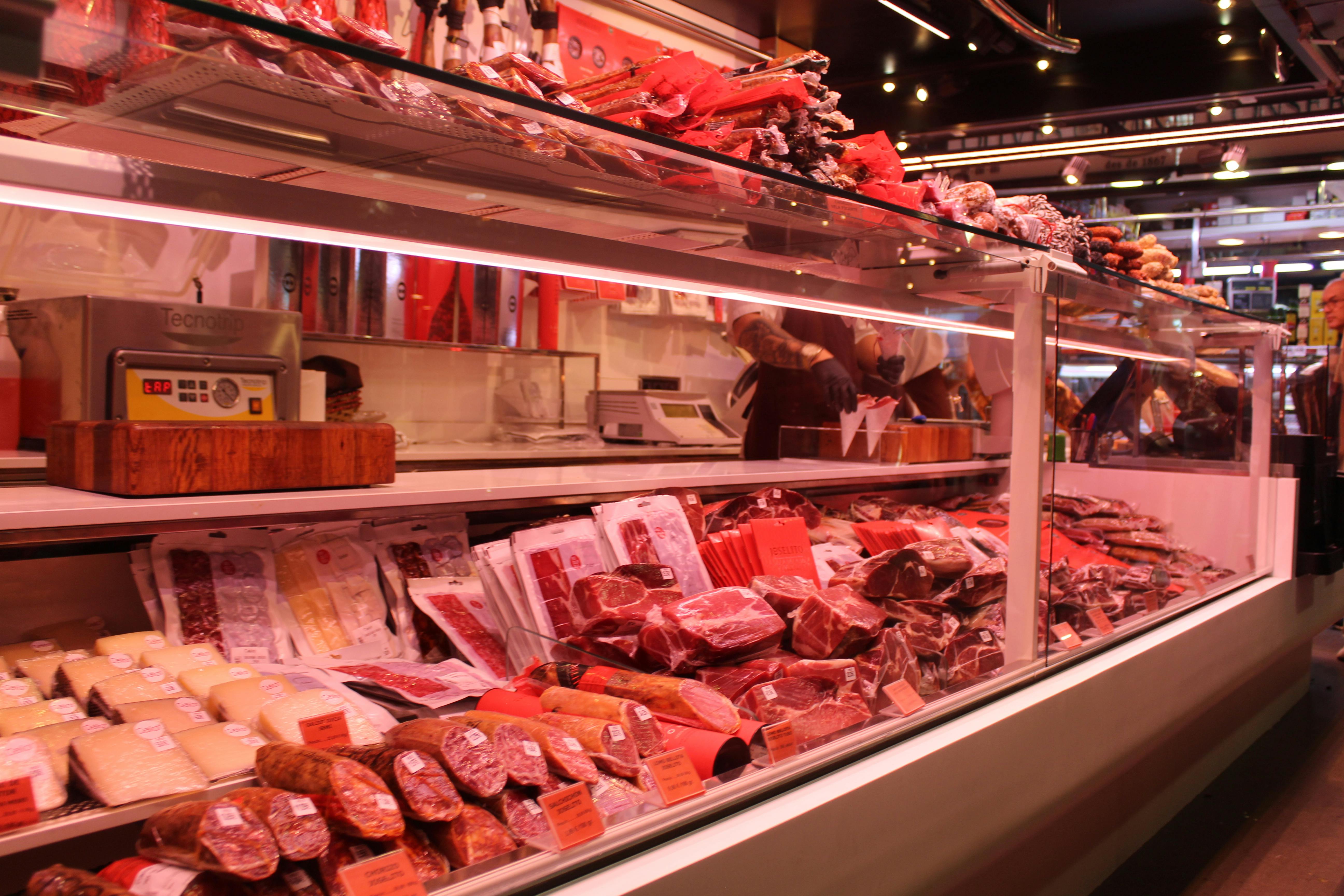
The traditional staffed meat counter still exists, but in many Canadian stores it occupies less space than it once did. Pre-packaged meat has become more prominent, and that shift reflects both labour economics and consumer habits.
Running a large service counter requires trained staff, consistent sanitation, and careful inventory control. Those costs have risen sharply, especially as grocers face wage pressure and try to simplify operations. A smaller service area is often easier to manage than a long case with slower custom orders.
Shoppers have also changed. Many people now prefer grab-and-go packs with clear pricing, nutrition labels, and discount stickers. Vacuum-sealed meats and centrally packed products allow stores to streamline supply chains while reducing in-store cutting and trimming.
There is also less room for lower-turn specialty cuts that appeal to a narrower audience. In a business where shrink, waste, and labour all matter, full-service counters are being compressed in favor of packaged products that are easier to forecast and sell.
Seafood Service Cases
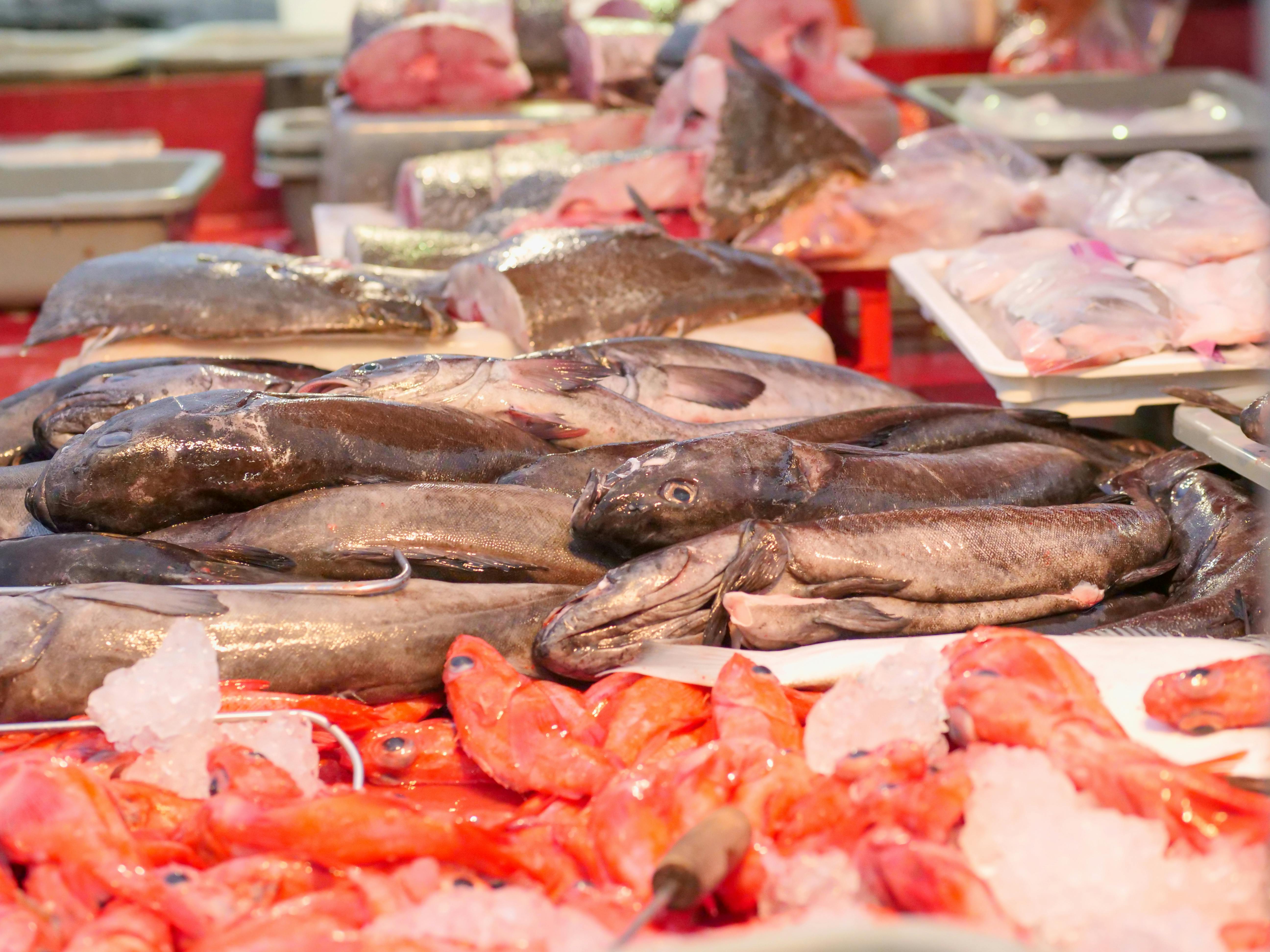
Seafood counters are under similar pressure, but often even more intensely. Fresh fish is one of the trickiest categories in a supermarket because it is highly perishable, expensive to carry, and vulnerable to sudden swings in demand.
Many Canadian shoppers still buy seafood, but they are increasingly choosing frozen fillets, marinated portions, or pre-packed trays. Those products offer convenience and help reduce the risk of spoilage for both the buyer and the store. For retailers, that makes a big operational difference.
A large service case also demands skilled handling and close temperature control. If sales are not strong enough, the economics get difficult quickly. Some stores have cut back to a compact fresh selection while expanding frozen seafood, which is easier to ship, stock, and rotate.
Supply issues add another challenge. Weather events, fuel costs, import prices, and quota limits can all affect seafood availability. When supply becomes less predictable, stores often reduce display space rather than risk expensive waste.
In-Store Bakeries With Scratch Production
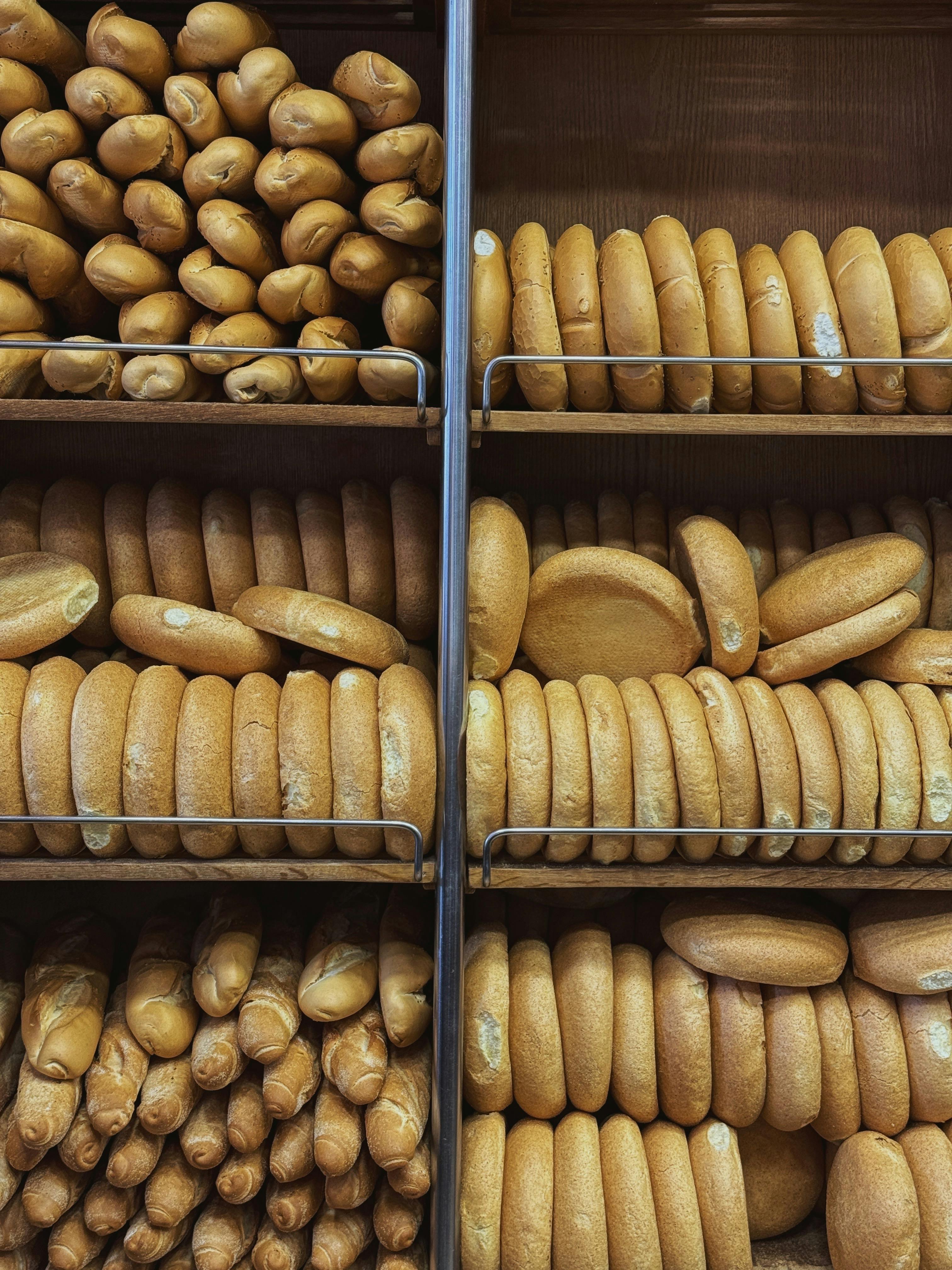
The smell of bread baking still helps sell groceries, but the footprint of true scratch bakeries has been shrinking. Many stores continue to market an in-house bakery, yet much of the production now comes from centralized facilities rather than from mixers and ovens on site.
That change is largely about efficiency. Central commissaries can produce dough, pastries, and cakes at scale with tighter cost control and more standardized quality. Stores then finish or decorate products locally, which preserves the appearance of freshness without requiring a full backroom baking operation.
Labour is a major factor here too. Skilled bakers are harder to recruit and retain, and overnight production schedules are costly. Chains that once devoted significant square footage to scratch baking often find better returns in simplified bakery departments with thaw-and-sell or bake-off products.
For customers, the section may still look full, but the working area behind it is often smaller than before. In practical terms, that means less space dedicated to traditional artisanal production inside the store itself.
Magazine and Newspaper Stands

Print racks near entrances and checkouts were once a standard part of grocery shopping. Daily newspapers, celebrity magazines, puzzle books, and weekly flyers turned those areas into compact media hubs that encouraged impulse purchases.
Today, many of those stands have been reduced to a thin strip or removed altogether. Digital news, smartphone alerts, and online subscriptions have sharply weakened demand for print periodicals. Even loyal readers often buy less frequently than they used to.
For grocers, the economics are not attractive. Magazine distribution can be complex, margins are often modest, and unsold copies create handling work without generating strong profits. When stores review underperforming categories, print media rarely wins a fight for space.
The decline is visible across Canada, especially in urban and suburban stores where shoppers can access news instantly on their phones. Space once used for magazines is now more likely to hold grab-and-go snacks, floral displays, or promotional end caps.
Bulk Food Bins
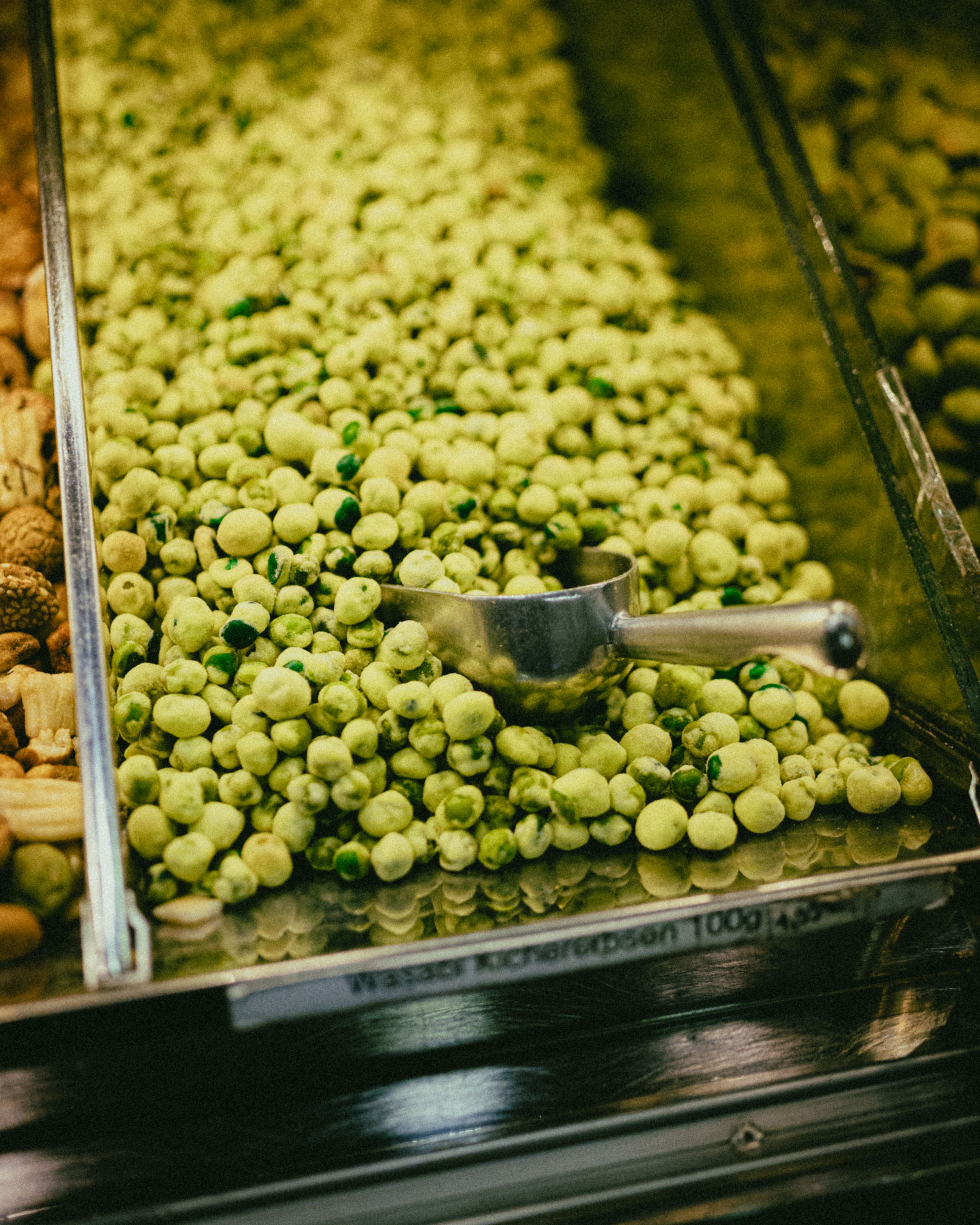
Bulk sections once symbolized value and flexibility. Shoppers could buy exactly the amount of nuts, grains, candy, or flour they needed, which appealed to budget-conscious households and people trying to reduce packaging waste.
Yet in many Canadian grocery stores, bulk bins have become smaller or more limited. One reason is hygiene concern, which intensified during the pandemic and permanently changed how some customers view shared scoops, lids, and open product containers.
Another issue is inventory loss. Bulk foods can suffer from spillage, cross-contamination, labeling mistakes, and shrink that is harder to monitor than sealed goods. Pre-portioned packages may create more plastic, but they are easier for stores to price, track, and protect.
Consumer routines also shifted toward speed. Many shoppers now prefer to grab a sealed bag and move on rather than spend extra time filling containers. As a result, retailers are trimming bulk footprints and favoring packaged versions of the same products.
International Foods Aisles

At first glance, international foods might seem like a growth area in Canada, and in many ways demand is strong. But the old model of a single broad "ethnic foods" aisle is often shrinking because retailers are reorganizing it rather than expanding it in one place.
Large chains now integrate high-demand global products into mainstream aisles. Tortillas may sit with bread, soy sauce with condiments, and Indian simmer sauces beside pasta sauces or meal kits. That can make the dedicated international aisle look smaller even if overall selection grows.
There is also stronger competition from specialized grocers. In cities with strong South Asian, Chinese, Filipino, Middle Eastern, or Caribbean communities, shoppers often seek deeper assortments from independent stores that focus on those cuisines year-round.
Mainstream supermarkets therefore trim slower-moving imported items while keeping only the broadest sellers. The result is a section that appears to contract, even as Canadian food culture becomes more globally diverse and adventurous.
Cashier Checkout Lanes
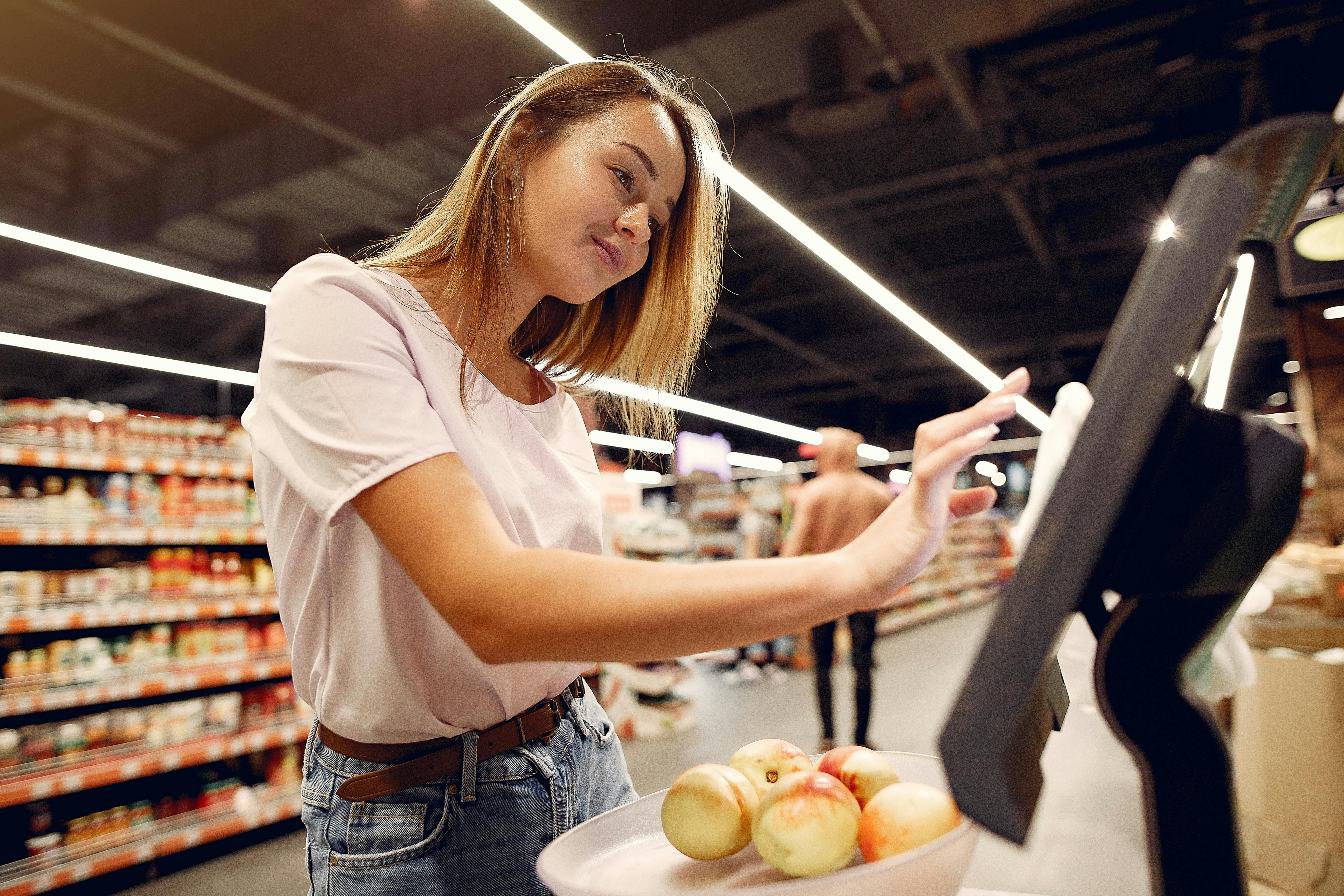
One of the most visible shrinking sections is the traditional cashier lane area. Many Canadian supermarkets have added self-checkout banks, compact express stations, and mobile payment systems that reduce the need for long rows of staffed tills.
This shift is partly about labour, but it is also about floor planning. Self-checkout zones can process smaller baskets efficiently and free up front-end space for merchandising, pickup storage, or customer service functions. For chains trying to modernize, that space is valuable.
Consumer behavior supports the change, especially for quick trips. Shoppers buying a few items often prefer speed and control, even if frustration with self-checkout remains common. Grocers balance those complaints against cost pressures and the appeal of leaner front-end layouts.
The result is a checkout area that looks and functions differently from the past. Fewer full-service lanes means less room dedicated to the classic supermarket exit experience, and more space redirected toward automation and convenience.



Leave a Reply