
Some of Canada's most recognizable foods have a funny habit of becoming bigger hits somewhere else. In several cases, the US market has turned niche Canadian favorites into mass-market successes.
Canada Dry Ginger Ale

Few brand names sound more Canadian than Canada Dry, yet its commercial center of gravity has long leaned heavily toward the United States. The brand was created in Toronto in the early 1900s, but its biggest growth came after crossing the border, where ginger ale became a mainstream mixer and household soft drink.
In the US, Canada Dry benefits from enormous distribution through grocery chains, restaurants, airlines, bars, and stadiums. That scale matters because soft drinks thrive on shelf space and visibility. American consumers also strongly associate ginger ale with comfort, especially for upset stomachs, cold weather, and holiday entertaining.
At home in Canada, ginger ale is certainly familiar, but it does not occupy quite the same cultural footprint across every region and occasion. In the US, by contrast, it is deeply embedded in both cocktail culture and everyday consumption. That broader usage helps explain why a proudly Canadian name can feel even more commercially powerful in America.
Hawaiian Pizza

This may be the most famous Canadian food fact that still surprises people. Hawaiian pizza was created in Ontario by restaurateur Sam Panopoulos, who added canned pineapple to pizza in the 1960s, but the combination became far more normalized in the US fast-casual and delivery market than many Canadians realize.
American pizza chains helped spread the style nationally by standardizing it on menus from coast to coast. Once a topping combination enters chain systems at scale, it stops being regional curiosity and starts becoming a default option. That is exactly what happened with ham-and-pineapple pizza in the US.
In Canada, Hawaiian pizza remains popular, but it still sparks the kind of debate that gives it a slightly outsider status. In the US, the debate exists too, yet sales have been sustained by large family-order habits, buffet restaurants, school events, and sports-night takeout. The result is a Canadian invention with a broader mass-market afterlife in America.
Peameal Bacon, Recast as Canadian Bacon

Sometimes popularity comes through reinvention. Traditional peameal bacon, made from wet-cured pork loin rolled in cornmeal, is a true Ontario classic, but in the US its simplified cousin, widely sold as "Canadian bacon," has reached a much larger audience than the original product ever has in Canada.
American diners, hotel breakfast buffets, frozen pizzas, and brunch chains turned Canadian bacon into a routine menu item. It is especially common in eggs Benedict, breakfast sandwiches, and cafeteria-style morning plates. Even when the product differs from authentic peameal bacon, the Canadian identity attached to it helps sell the idea.
Back in Canada, peameal bacon remains beloved but relatively regional, with Toronto's St. Lawrence Market often cited as its spiritual home. It has heritage value and loyal fans, yet it does not dominate the national breakfast table the way "Canadian bacon" has entered the American food system. In that sense, the US popularized the concept far more aggressively than Canada did.
McIntosh Apples and Apple Desserts

Not every food on this list is a prepared dish. The McIntosh apple originated in what is now Ontario, and while it has deep Canadian roots, its long historical importance in the US apple economy gave it a much larger commercial profile south of the border for generations.
American growers planted McIntosh widely across the Northeast because it worked well in colder climates and became a familiar supermarket apple. It also helped anchor a broader dessert culture that prized tart-sweet apples for pies, sauces, and baked dishes. Once a fruit becomes part of regional agriculture at scale, its popularity expands beyond its birthplace.
Canada certainly values its apple heritage, but the sheer size of the US produce market made McIntosh far more visible there. The apple's influence spread into cider, lunchbox fruit, and classic Americana baking traditions. That is a reminder that agricultural success often follows acreage, logistics, and population more than national origin.
Nanaimo Bars
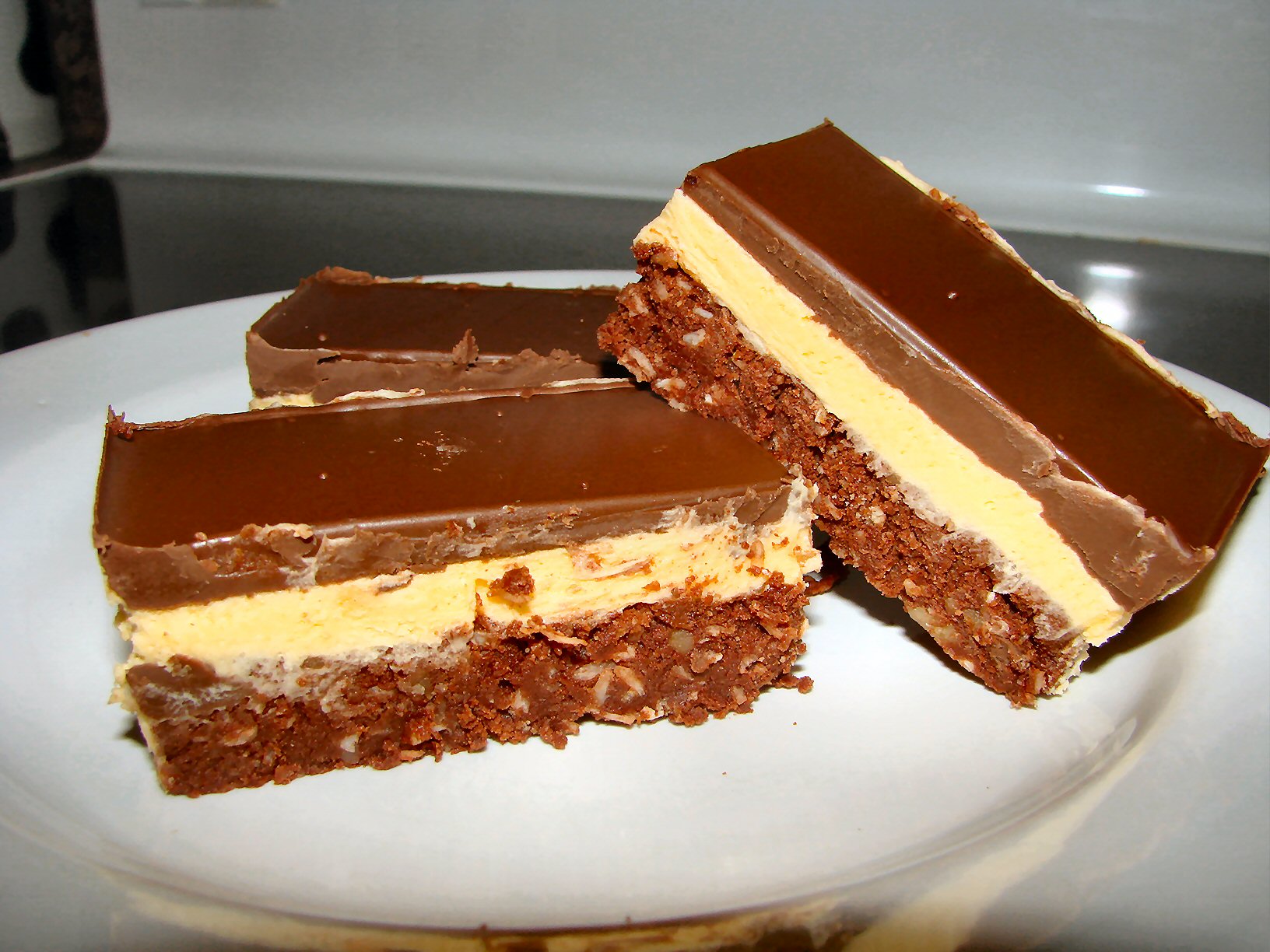
The Nanaimo bar is one of Canada's most iconic desserts, yet its strongest waves of broader dessert fandom often come from the US specialty baking scene. This no-bake layered bar from British Columbia has all the traits Americans tend to reward: rich texture, clear visual appeal, and a recipe that feels both nostalgic and novel.
In the US, Nanaimo bars thrive in cookbook culture, holiday baking exchanges, coffee shop pastry cases, and food media roundups about international treats. Their layered look photographs well, which has helped them travel through magazines, television segments, and more recently social media. Attractive desserts often grow fastest in larger media markets.
In Canada, Nanaimo bars are a point of pride, but they are not everyday staples in every household or bakery. In the US, they can benefit from being treated as a special imported-style dessert, which raises curiosity and demand. That outsider appeal has given them a visibility boost that sometimes exceeds their routine presence at home.
Ketchup Chips
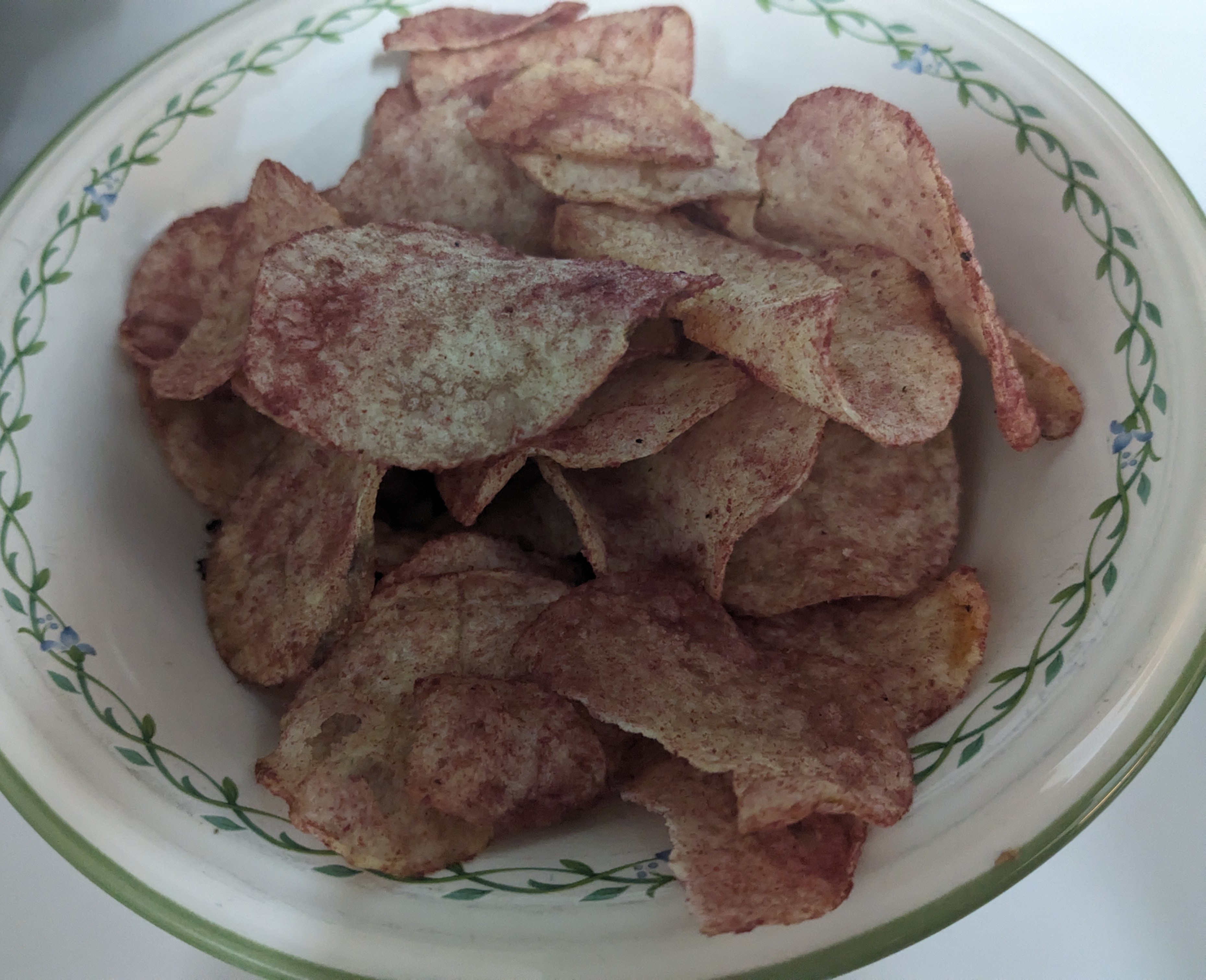
Ketchup chips are still strongly associated with Canada, but American interest in them has grown in a way that often feels more intense than their ordinary role north of the border. For many Canadians, they are simply a familiar snack aisle option. For Americans, they often register as a discovery.
That difference matters because novelty drives snack sales. When ketchup chips appear in US stores, limited-edition launches, import sections, and cross-border taste tests, they generate attention far beyond what a standard domestic chip flavor usually gets. Snack companies understand that unusual but recognizable flavors can create buzz, trial, and repeat purchases.
Canada remains the spiritual home of ketchup chips, yet their emotional impact is sometimes stronger in the US because they feel rare and culturally specific. American consumers often discuss them as a must-try item, especially in border states and among travelers. In market terms, curiosity can be as powerful as tradition.
Coffee Crisp

Coffee Crisp is a classic Canadian candy bar with a loyal following, but its cult status in the US has often made it feel bigger there than its routine placement in Canada might suggest. In Canada, it is familiar. In the US, it can become an object of fascination.
That fascination comes from a useful combination: light wafer texture, coffee flavor that is mild rather than bitter, and relative scarcity in mainstream American checkout lanes. Imported candy tends to perform well when it offers a distinct identity without feeling too strange. Coffee Crisp fits that pattern almost perfectly.
American specialty candy shops, border retailers, online snack communities, and travel hauls have all helped amplify its reputation. Many US consumers encounter it through recommendation rather than habit, which can actually strengthen attachment. While Canada treats it as a dependable legacy brand, the US often treats it as a sought-after find.
Caesar Mix and the Bloody Caesar
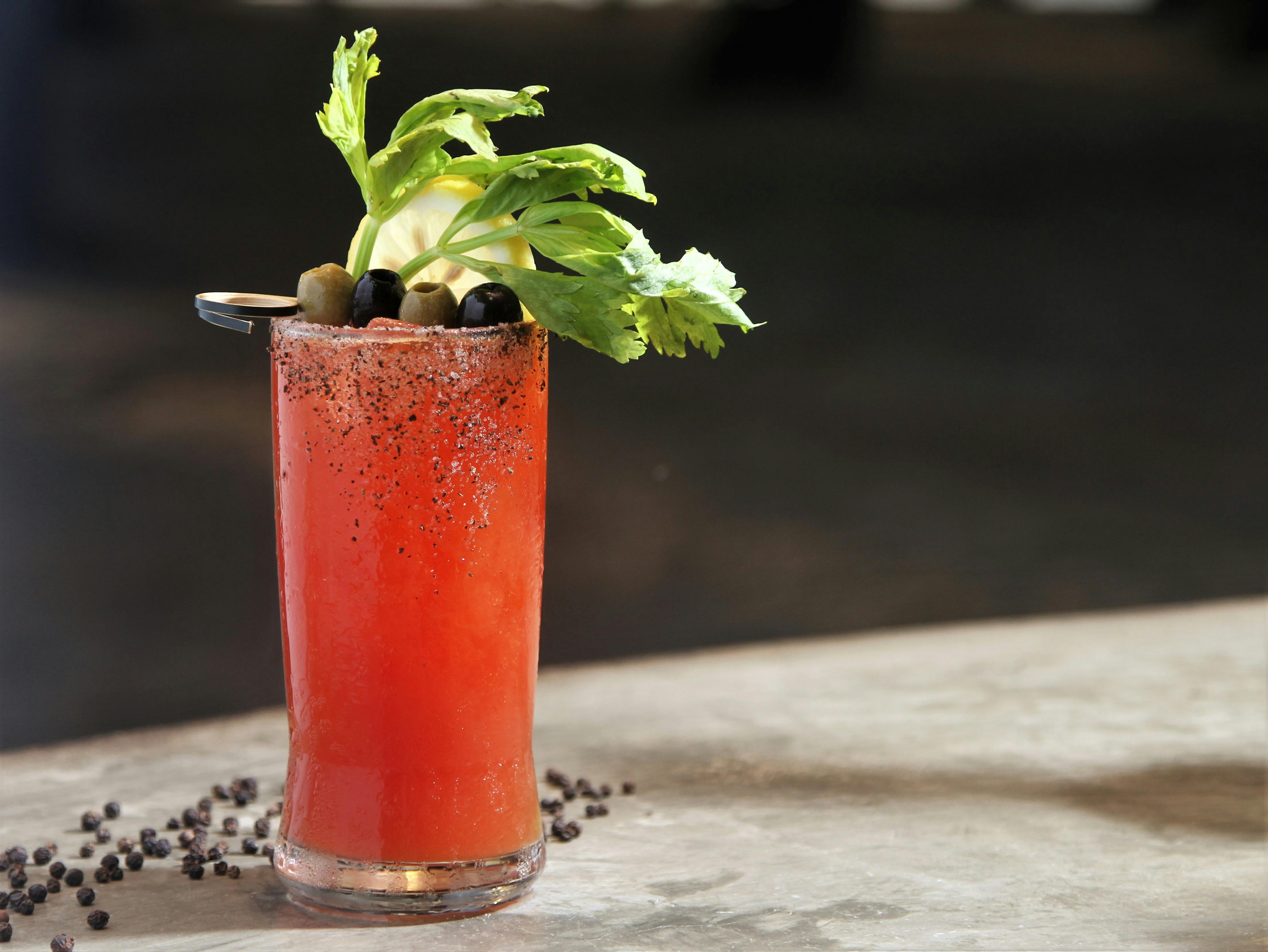
The Bloody Caesar was developed in Calgary and is one of Canada's signature cocktails, but Caesar mix has found a particularly strong commercial runway in the US. The reason is simple: America already had a huge brunch and savory-cocktail culture, making it easier for a Canadian drink format to plug into existing habits.
A Caesar differs from a Bloody Mary mainly through the use of clam-infused tomato juice, usually in the form of Clamato. In the US, Clamato has broad retail placement and decades of marketing support, not only for cocktails but also for marinades, micheladas, and regional mixed drinks. That wider ecosystem helps Caesar-style drinking travel well.
In Canada, the Caesar is iconic and culturally secure, but not every province consumes it at the same intensity year-round. In the US, bars and restaurants can market it as both familiar and slightly adventurous. That mix of recognizability and novelty has given this Canadian creation an audience larger than many people expect.
Butter Tarts
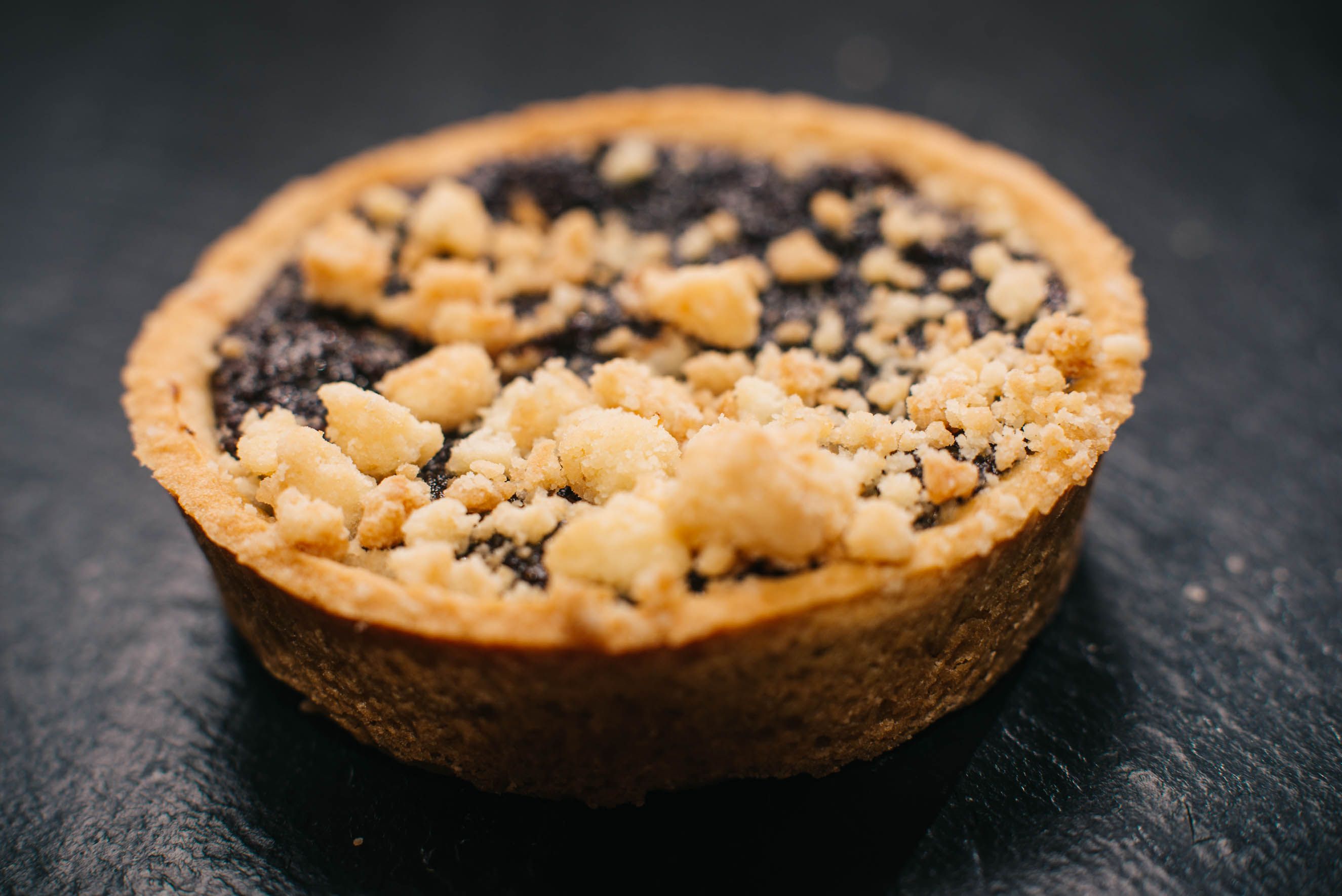
Butter tarts are deeply tied to Canadian baking history, especially in Ontario, yet they often attract outsized enthusiasm in the US artisan dessert market. Their appeal is easy to understand: they are compact, rich, and customizable, with variations that include raisins, nuts, or a firmer versus runnier filling.
American bakers and pastry shops often position butter tarts as a cross between pecan pie and a hand-sized custard tart. That comparison helps new customers understand the product quickly. Once translated into familiar dessert language, butter tarts become highly sellable in farmers markets, holiday boxes, and boutique bakery counters.
In Canada, they are treasured but still somewhat traditional, meaning they do not always receive aggressive commercial promotion outside their strongest regions. In the US, however, specialty food businesses can frame them as heritage treats with premium appeal. That framing often gives them stronger momentum than they receive in everyday Canadian retail life.
Poutine-Inspired Loaded Fries
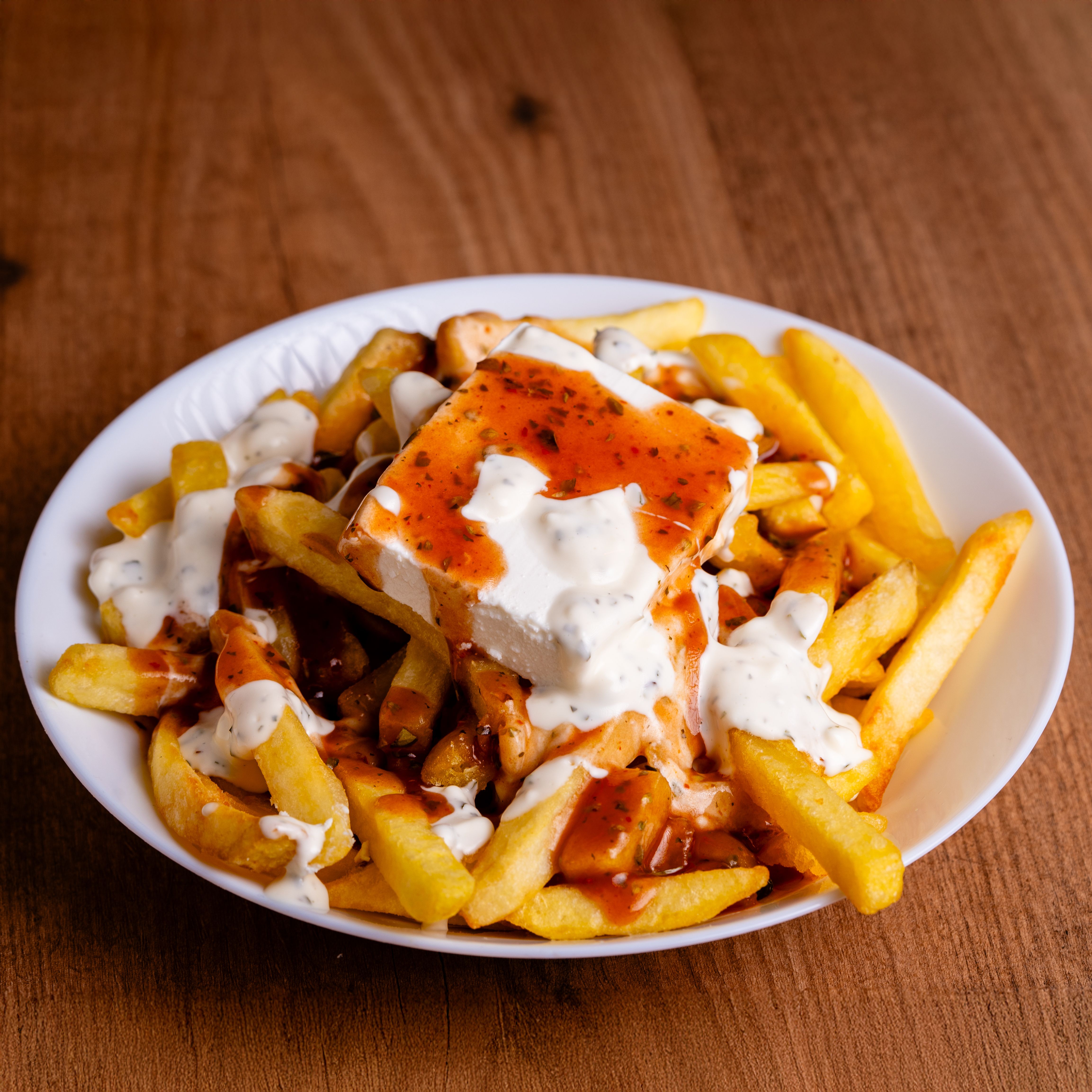
Classic poutine remains unmistakably Canadian, but its broader descendants may now be more widespread in the US than the original is in Canada. American menus are packed with loaded fries featuring gravy, cheese curds, shredded meat, jalapeños, or regional twists that owe a clear debt to Quebec's most famous comfort food.
The US restaurant industry is especially good at absorbing a specific dish and multiplying its variations. Sports bars, casual chains, food trucks, and college-town diners all use the loaded-fries format because it is profitable, easy to customize, and ideal for sharing. Poutine's structure lends itself perfectly to that business model.
Canada still owns the classic version culturally, especially in Quebec, where authenticity matters. But in sheer menu presence and adaptation, the US may now give poutine-style food more total exposure. That does not mean Americans love traditional poutine more than Canadians do. It means they have expanded its template more aggressively and at much larger scale.
Ice Wine

Ice wine is one of Canada's most prestigious specialty products, especially associated with Ontario and British Columbia. Yet some of its strongest commercial demand has come from export markets, including the US, where consumers often encounter it as a premium dessert wine, gift bottle, or winery tasting-room highlight.
Production is limited because true ice wine depends on naturally frozen grapes harvested under strict temperature conditions. Scarcity increases value, and the large American premium-wine market gives producers access to more buyers willing to pay for small-format luxury bottles. In other words, the US has the audience size to elevate a niche product quickly.
In Canada, ice wine is respected and celebrated, but it remains a specialized purchase rather than an everyday beverage. In the US, it benefits from being both imported and distinctive, which enhances its status. For a product built on rarity, prestige, and presentation, that larger upscale market can make all the difference.




Leave a Reply