
A lot of healthy food loses its advantage in the pan, pot, or oven. Often, it is not the food itself causing the problem, but the way it is being cooked.
Spinach
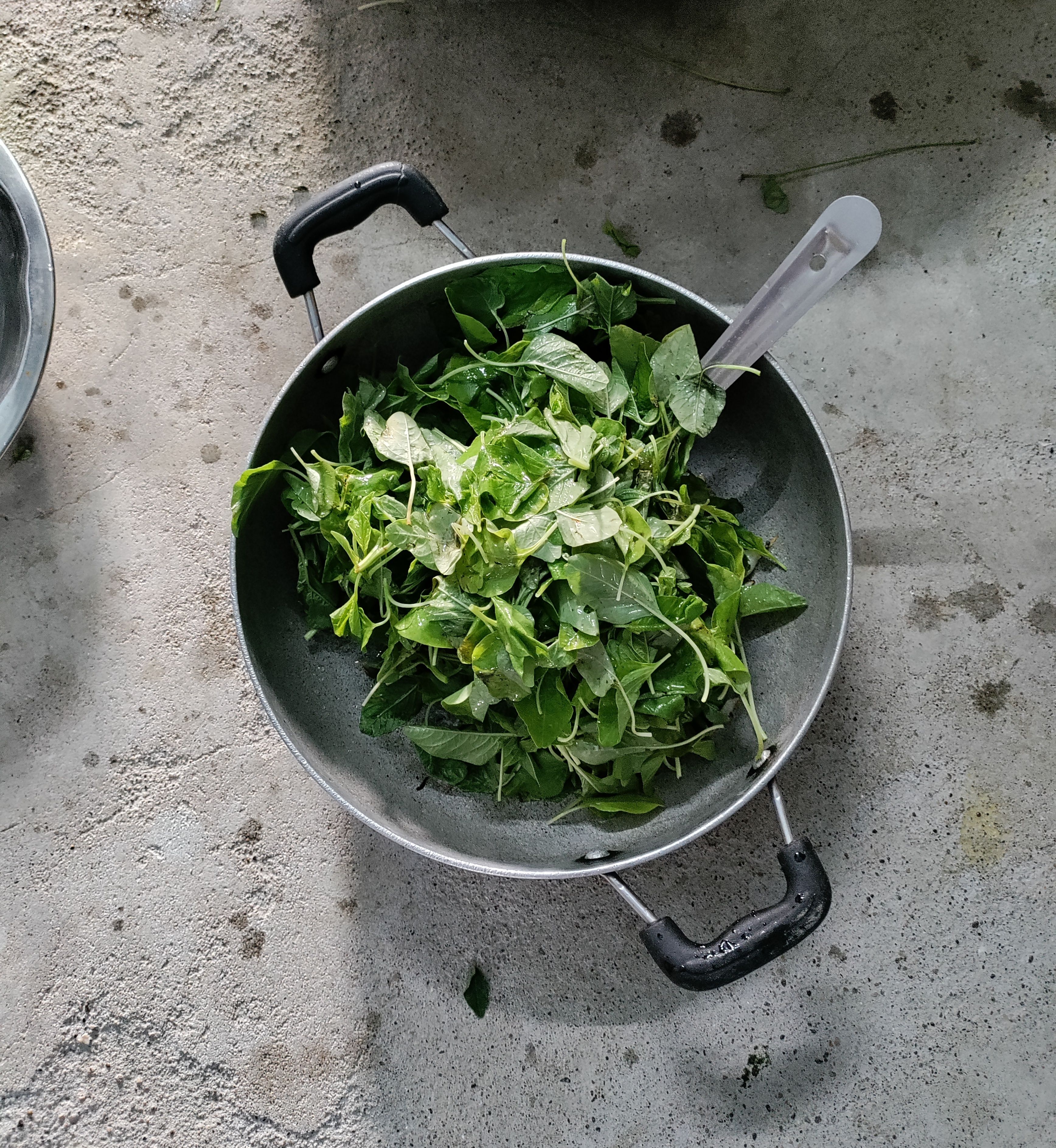
Spinach looks indestructible in the grocery bag, but it is surprisingly easy to overcook. Many Canadian physicians and dietitians point out that boiling spinach for too long can reduce water-soluble nutrients, especially folate and vitamin C. When leaves sit in a large pot of water, some of their nutritional value leaches out before the dish even reaches the table. That matters because spinach is often chosen specifically for its dense vitamin and mineral profile.
A better method is quick cooking with minimal water. Light steaming or a fast sauté helps preserve nutrients while still softening the leaves enough to make them easier to digest. Adding a small amount of olive oil can also improve absorption of fat-soluble compounds like vitamin K and carotenoids. Doctors who focus on preventive nutrition often emphasize that preparation matters just as much as the ingredient.
There is also a second issue with spinach that gets less attention. Reheating cooked spinach repeatedly can affect taste and texture, which encourages people to drown it in cream, cheese, or salt-heavy sauces. The problem is not spinach itself, but the habit of turning a light vegetable into a high-sodium side dish. Keeping the seasoning simple usually produces the better health outcome.
For most home cooks, the fix is easy. Wash well, cook briefly, and serve right away. If you are blending spinach into soups, eggs, or pasta sauces, stir it in near the end rather than letting it simmer for a long stretch. That keeps the color brighter and the nutrition more intact.
Salmon
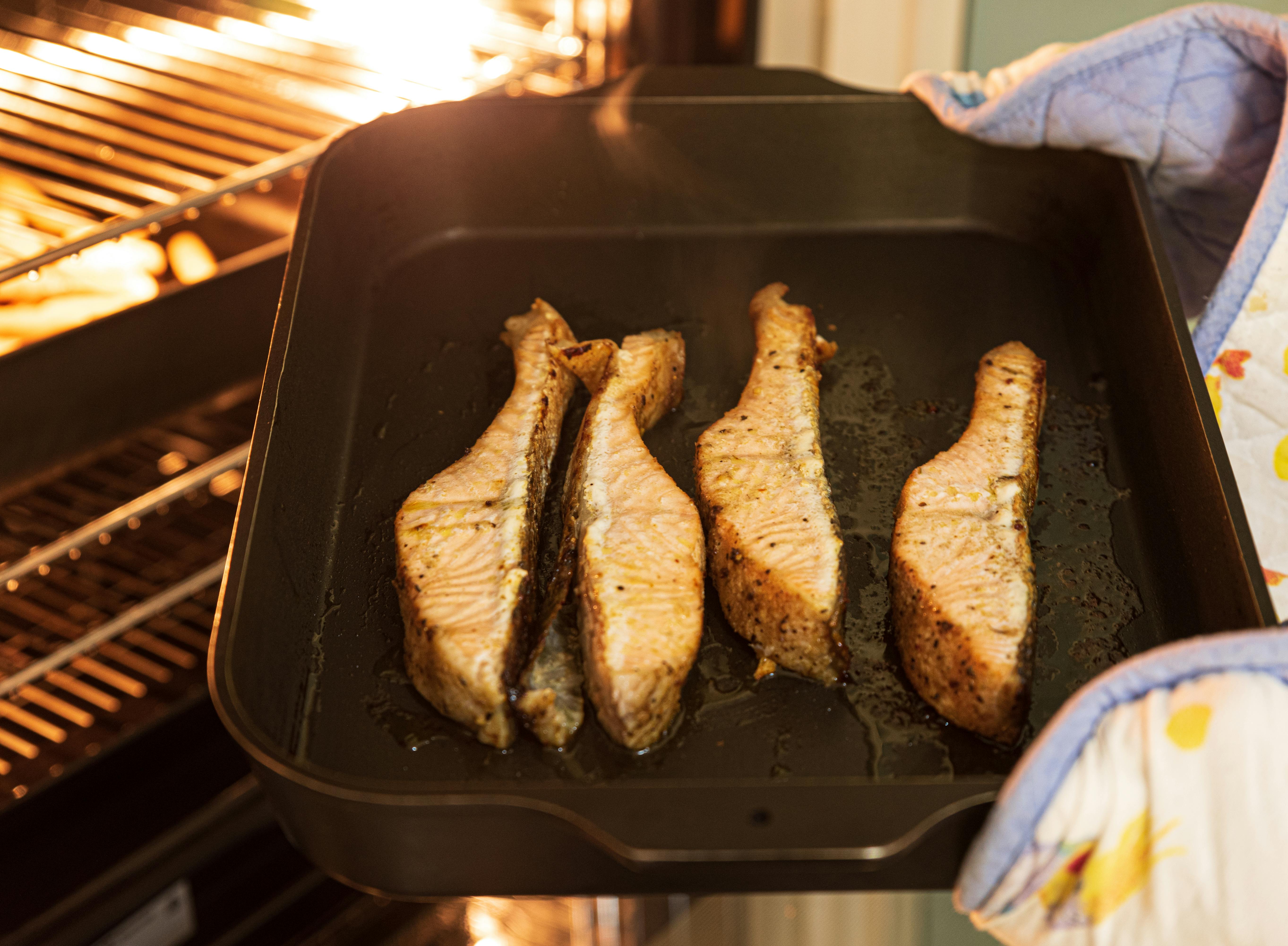
Salmon is one of the most recommended proteins in Canada, yet it is frequently cooked until dry. Doctors support salmon for its omega-3 fats, which are associated with heart and brain benefits, but overcooking can ruin both the texture and the eating experience. When salmon turns chalky and flakes into dust, many people assume they do not like fish and stop buying it. In reality, they may simply not like overdone salmon.
Another common problem is using very high heat for too long. While salmon can handle roasting, grilling, or pan-searing, aggressive cooking can create a dry exterior before the centre is done. A gentler approach helps keep the fish moist and reduces the temptation to cover it with sugary glazes or heavy creamy toppings. Many clinicians who counsel patients on Mediterranean-style eating recommend simple seasoning and controlled heat.
Internal temperature matters here. Pulling salmon off the heat when it is just cooked through, or even slightly translucent in the centre if food safety guidelines and freshness allow, can make a dramatic difference. The fish will continue cooking briefly from residual heat. That short resting time is often what separates tender salmon from a disappointing fillet.
Baking at a moderate temperature, poaching, or air frying for a shorter period are all practical options. A squeeze of lemon, herbs, and a little pepper often do enough. When salmon tastes good on its own, it is easier to keep the meal aligned with the health reasons it was chosen in the first place.
Broccoli
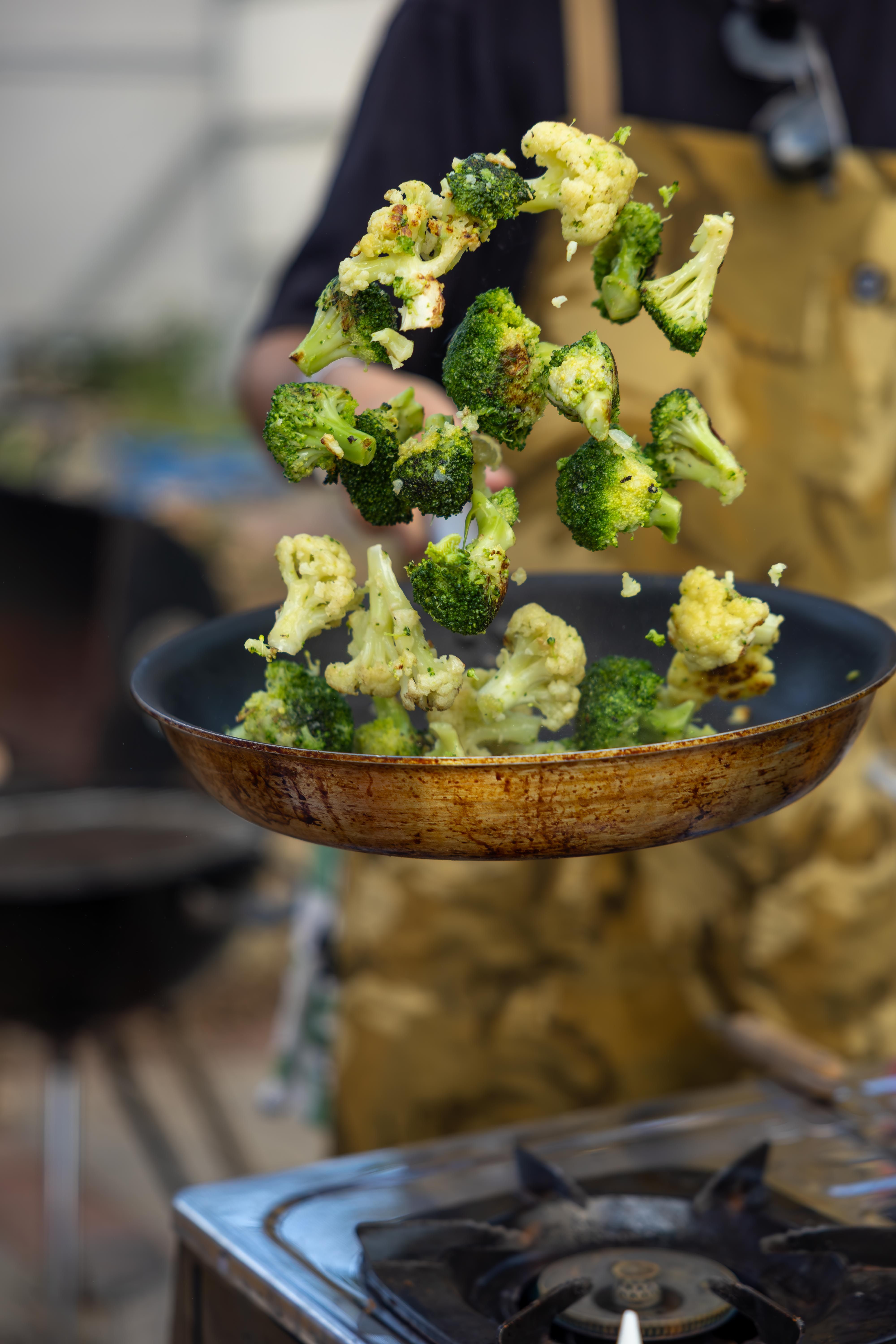
Broccoli suffers from a very common mistake: people boil it until it turns limp, dull, and sulphur-smelling. Canadian doctors often encourage cruciferous vegetables because they provide fibre, vitamin C, and plant compounds linked to long-term health. But when broccoli is overboiled, both texture and nutrient retention can suffer. It also becomes less appealing, especially for children and adults who already think they dislike vegetables.
The smell is an important clue. Strong odours often signal that broccoli has spent too long under heat. Overcooking breaks down its structure and leaves behind a mushy result that is hard to enjoy without butter-heavy sauces. If the only way someone will eat broccoli is covered in processed cheese, the cooking method may be part of the problem.
A better strategy is to steam it until just tender-crisp or roast it at high heat until the edges caramelize. Roasting develops sweetness and creates a nutty flavour that boiling simply cannot. Many physicians interested in practical nutrition say the best vegetable is the one people will actually eat regularly, and cooking broccoli properly makes that much more likely.
Cut size also matters. If florets are uneven, small pieces overcook while thicker stems stay hard, leading to frustration and wasted food. Slice stems so they cook at the same pace as the tops. With a little oil, garlic, and a short cook time, broccoli becomes easier to enjoy and far more likely to stay in the weekly meal rotation.
Eggs
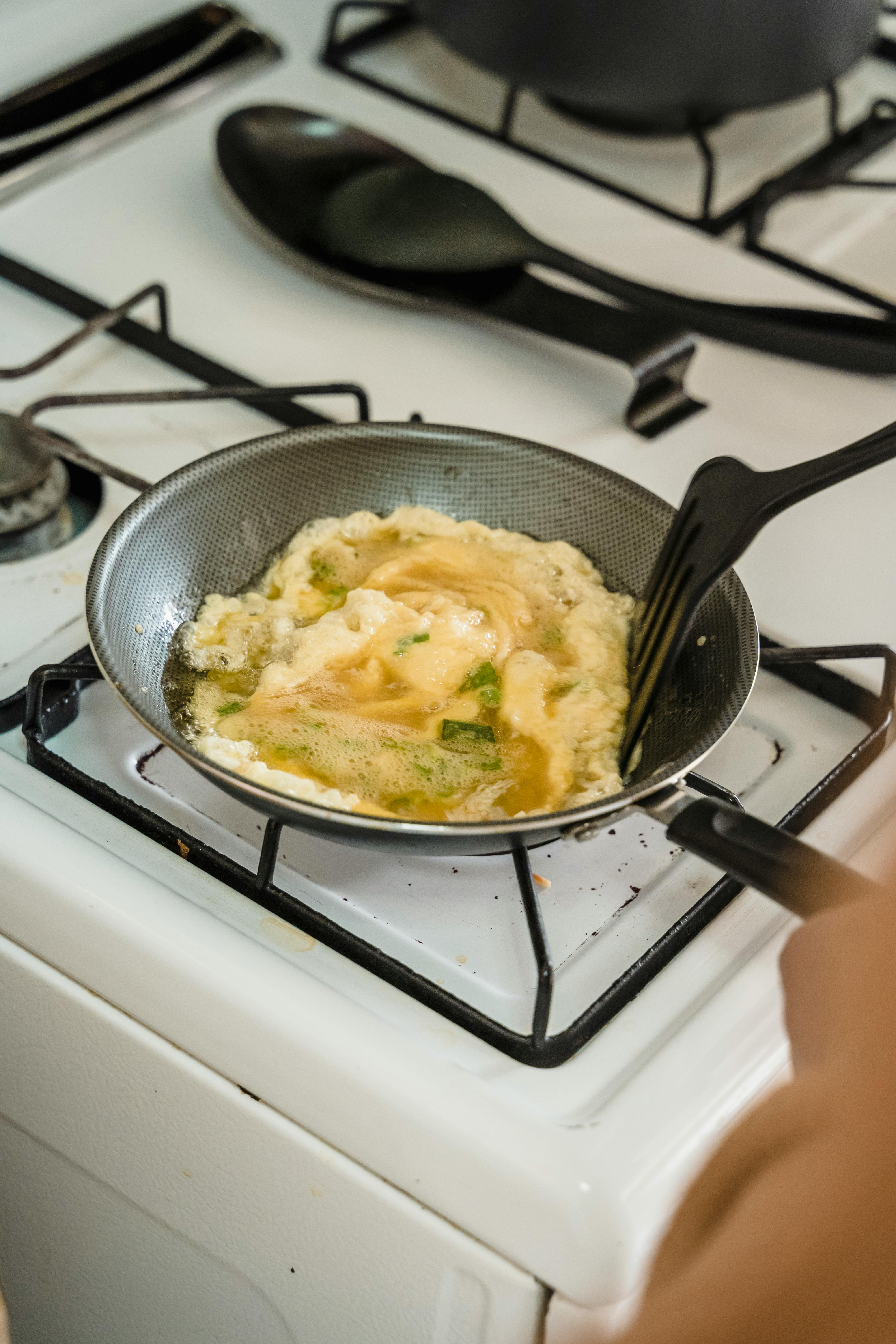
Eggs are simple, but they are often cooked in ways that add unnecessary health drawbacks. The biggest issue is not the egg itself. It is the amount of butter, bacon grease, processed meat, and salt that often comes with it. Canadian doctors still view eggs as a useful source of protein and nutrients for many people, but they regularly caution that the surrounding ingredients can change the whole nutritional picture.
Overcooking is another frequent mistake. Hard, rubbery scrambled eggs or fried eggs with crisp, browned edges are common signs that the pan was too hot. High heat can toughen the protein and make eggs less pleasant to eat, which encourages extra cheese or creamy additions to improve texture. A lower temperature produces softer eggs with less need for heavy extras.
There is also a food safety side. Undercooked eggs can pose a risk for some groups, including pregnant people, older adults, and those with weakened immune systems. Doctors generally advise balancing texture and safety by cooking eggs until set without turning them dry. That middle ground is where eggs are both enjoyable and appropriately prepared.
Use a nonstick or well-seasoned pan, moderate heat, and a small amount of healthy fat. Pair eggs with vegetables, whole grain toast, or beans instead of processed breakfast meats. In many cases, the healthier choice is not giving up eggs. It is simply changing the way they are cooked and what they are served with.
Potatoes

Potatoes have a reputation problem, and cooking methods are largely to blame. Canadian doctors do not usually object to potatoes on their own. They object to what happens when potatoes are deep-fried, loaded with salt, or turned into buttery, cream-heavy side dishes that push calories far beyond what most people expect. A plain potato and a fast-food fry do not have the same health effect.
Deep frying creates a second concern beyond calories. It can produce compounds such as acrylamide when starchy foods are cooked at very high temperatures until very brown. Health authorities have monitored this issue for years, and while occasional intake is not the same as constant exposure, doctors often recommend avoiding excessive browning. Golden is better than dark brown.
Boiling or baking potatoes with the skin on keeps more fibre and nutrients in the final dish. Cooling cooked potatoes before eating them in salads or reheated meals can also increase resistant starch, which may support better blood sugar response for some people. That is one reason potato salad made sensibly can be more balanced than people assume.
The fix is not to fear potatoes. It is to treat them as a whole food instead of a delivery system for oil and sodium. Roast wedges with olive oil, mash with plain yogurt instead of heavy cream, or bake and top with beans and vegetables. The potato is not the issue. The cooking pattern often is.
Chicken Breast
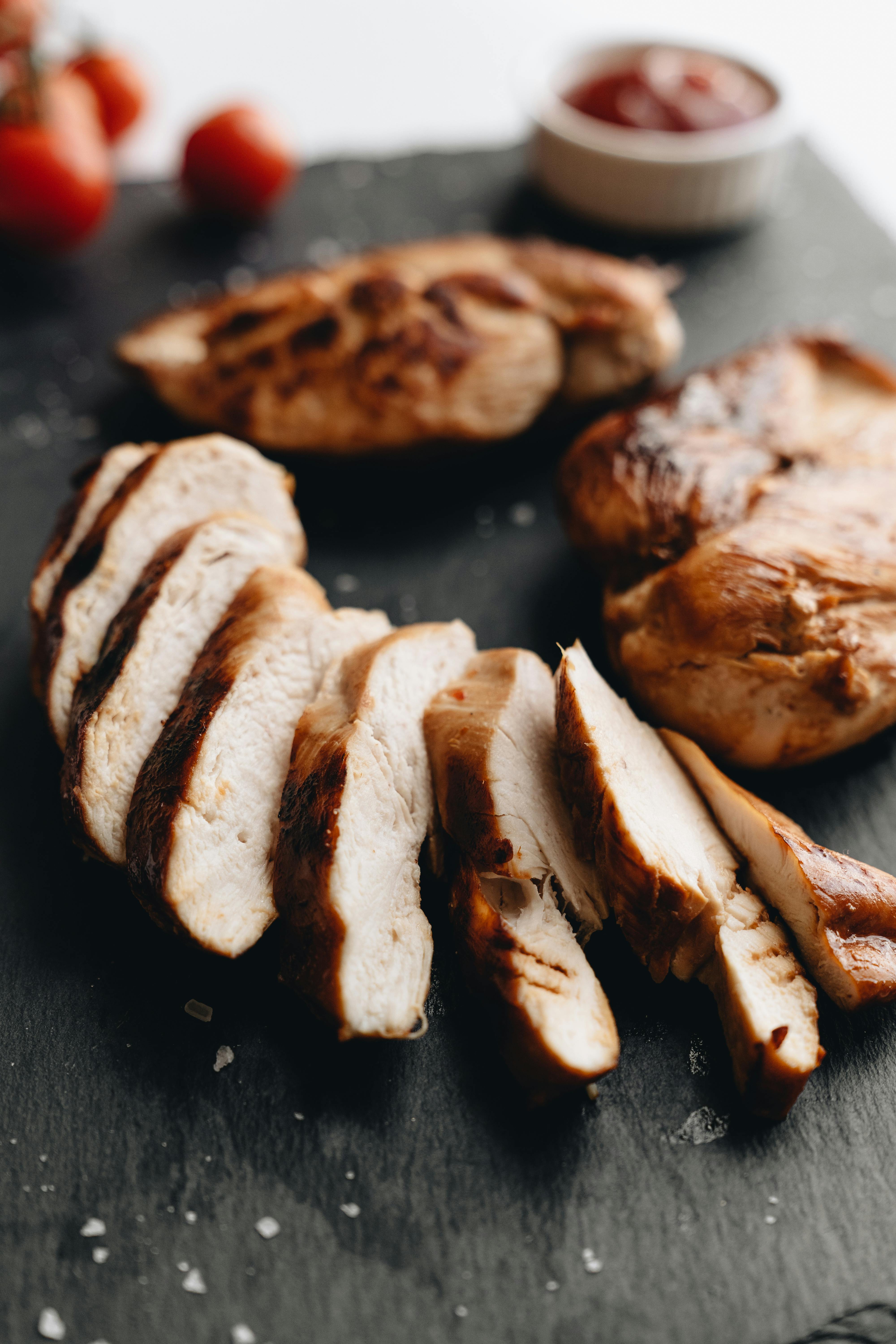
Chicken breast is often chosen as the healthy default, but it is one of the most frequently overcooked foods in home kitchens. Doctors appreciate it as a lean protein, yet dry, stringy chicken leads many people to rely on bottled sauces, sugary marinades, or creamy toppings just to make it edible. A good ingredient quickly becomes a less balanced meal when the cooking method goes wrong.
Fear of undercooking is part of the problem. Food safety is essential, and poultry must be properly cooked, but many people continue heating chicken far past the safe point. Using a thermometer is one of the simplest upgrades a cook can make. It removes guesswork and helps prevent the tough texture that turns lean protein into a chore.
Another issue is cooking straight from uneven thickness. Thin ends dry out while thick centres lag behind. Pounding the breast to an even thickness or slicing it into cutlets helps it cook consistently. This is the kind of practical advice physicians who work in obesity and heart health often support because it improves adherence to healthier eating without making meals feel restrictive.
Brining lightly, roasting gently, or pan-searing and finishing with a short rest all help preserve moisture. So does avoiding the temptation to slice immediately. Letting chicken rest redistributes juices and improves texture. When chicken is cooked properly, it tastes better with simple herbs and vegetables, which supports the very health goals that made it popular in the first place.
Oatmeal
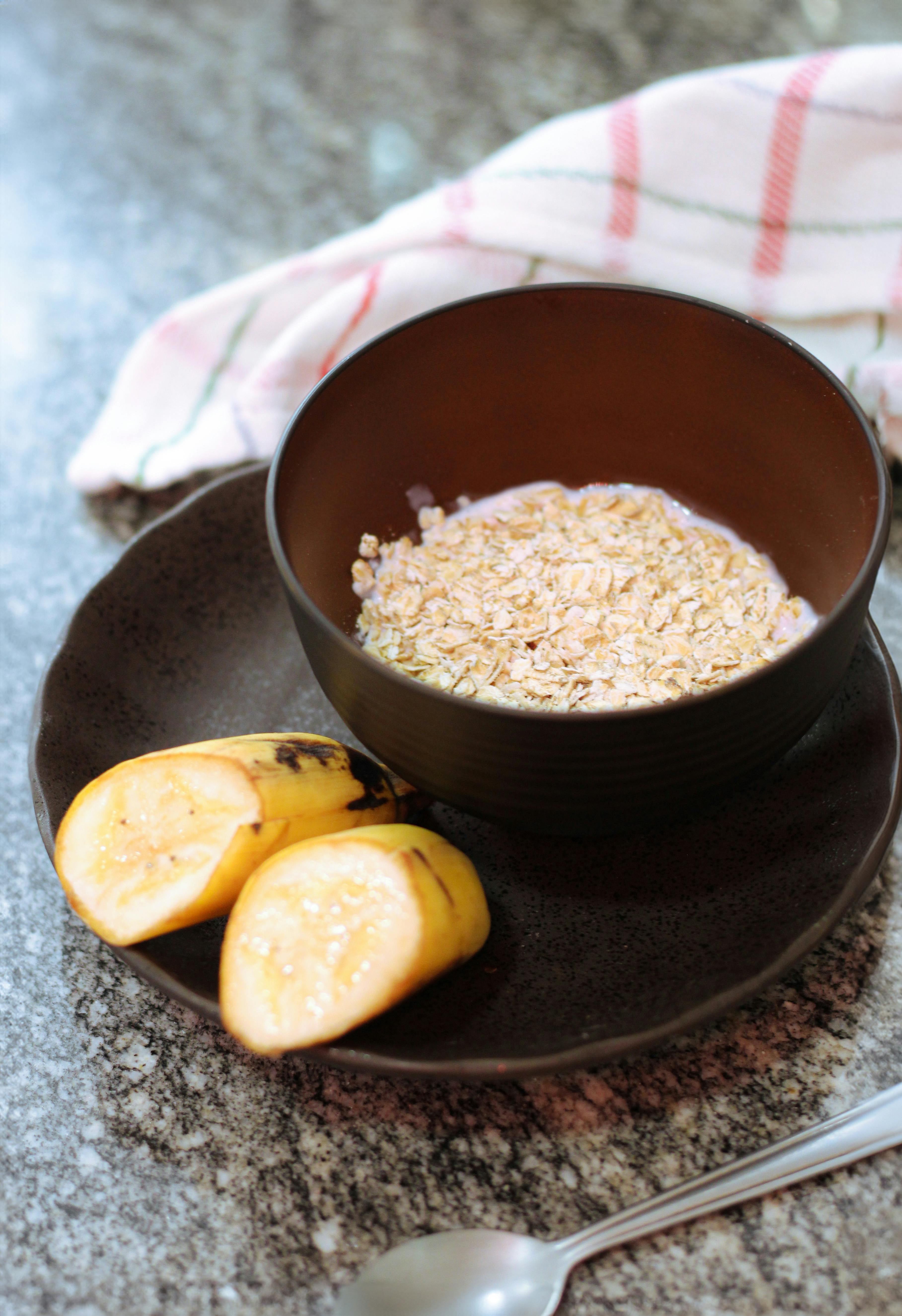
Oatmeal is widely seen as a heart-healthy breakfast, but many bowls lose that advantage before the first spoonful. Canadian doctors often recommend oats for fibre, especially beta-glucan, which is linked to cholesterol benefits. The problem is that many people turn oatmeal into a sugar-heavy dessert with flavoured packets, syrups, sweetened dried fruit, and oversized portions. The oats remain healthy, but the meal around them becomes less balanced.
Texture also affects satisfaction. Oats cooked too thin may leave people hungry quickly, while instant oats can be easier to overeat because they digest faster and are often less filling than steel-cut or large-flake versions. That does not make instant oats bad, but it does mean the cooking style and toppings matter more than many people realize.
Doctors who counsel patients with diabetes or metabolic concerns often suggest building oatmeal with protein and fat, not just sweetness. Adding plain Greek yogurt, nuts, seeds, or nut butter can make the meal steadier and more satisfying. Cinnamon, berries, and chopped apple add flavour without relying entirely on sugar.
The best correction is to think of oatmeal as a base, not a finished product. Cook it to a thicker consistency, watch portion size, and choose unsweetened oats when possible. A properly built bowl supports satiety and heart health. A heavily sweetened one can work against the very reason oatmeal earned its healthy reputation.
Garlic

Garlic is small, but poor technique can ruin both its flavour and its potential benefits. Canadian health professionals often mention garlic as part of a healthy dietary pattern because it contributes flavour without needing much salt, and research has explored its role in cardiovascular health. But garlic burns fast. Once it turns dark brown in hot oil, it becomes bitter and can dominate a dish in the worst way.
Many people add minced garlic too early when sautéing. In a very hot pan, those tiny pieces can go from fragrant to scorched in under a minute. That leads cooks to think they need more oil, more sugar, or more sauce to correct the taste. In reality, the dish would have been better if the garlic had gone in later or at lower heat.
Preparation also matters. Crushing or chopping garlic and letting it sit briefly before cooking may help the formation of beneficial compounds such as allicin. While no one food acts like a medicine on its own, doctors focused on dietary patterns often support using ingredients in ways that preserve their value rather than destroying them.
The fix is straightforward. Add garlic after onions have softened, lower the heat, and stir constantly for a short time. Or roast whole cloves for a sweeter, milder flavour that spreads easily into dressings, soups, and mash. Handled gently, garlic adds depth and reduces the need for excess sodium across an entire meal.
Rice
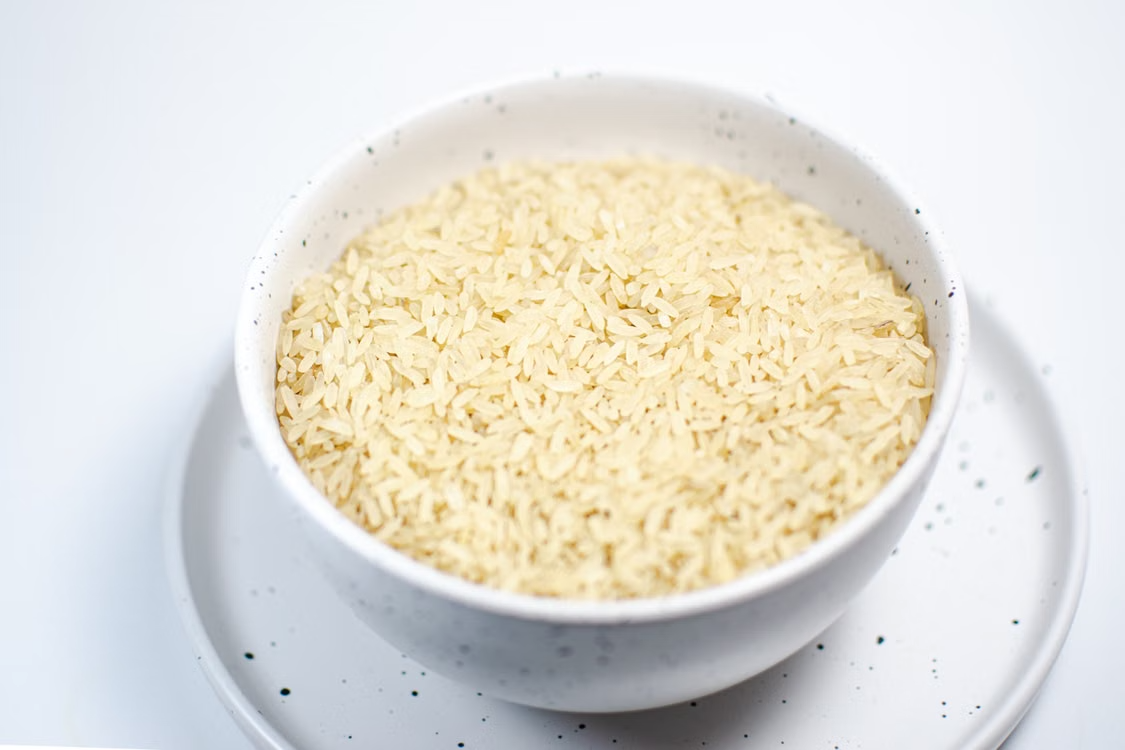
Rice seems foolproof, yet one of the biggest mistakes happens before it is even cooked. Not rinsing rice can leave excess surface starch that creates a gummy texture, especially in long-grain varieties. That may sound like a culinary issue rather than a health one, but texture influences how much oil, butter, or sauce people add to rescue the dish. Better-cooked rice often leads to a lighter meal overall.
Portion size is another major concern. Doctors in Canada frequently remind patients that rice is easy to over-serve because it is neutral, cheap, and familiar. A large mound of white rice can push a meal toward excess refined carbohydrate intake, particularly when vegetables and protein take up less space on the plate. The rice itself is not the villain. The balance is.
There is also a food safety point many people miss. Cooked rice should not sit at room temperature for long periods because bacteria can multiply and some toxins are not destroyed by reheating. This is especially relevant for leftovers, packed lunches, and big batch cooking. Safe storage matters just as much as proper simmering.
Use measured portions, rinse when appropriate, and consider mixing white rice with brown rice, lentils, or cauliflower rice if you want more fibre and volume. Cooling leftovers quickly and reheating thoroughly helps reduce food safety risks. Rice works well in a healthy diet when it is cooked safely and served in proportion.
Olive Oil
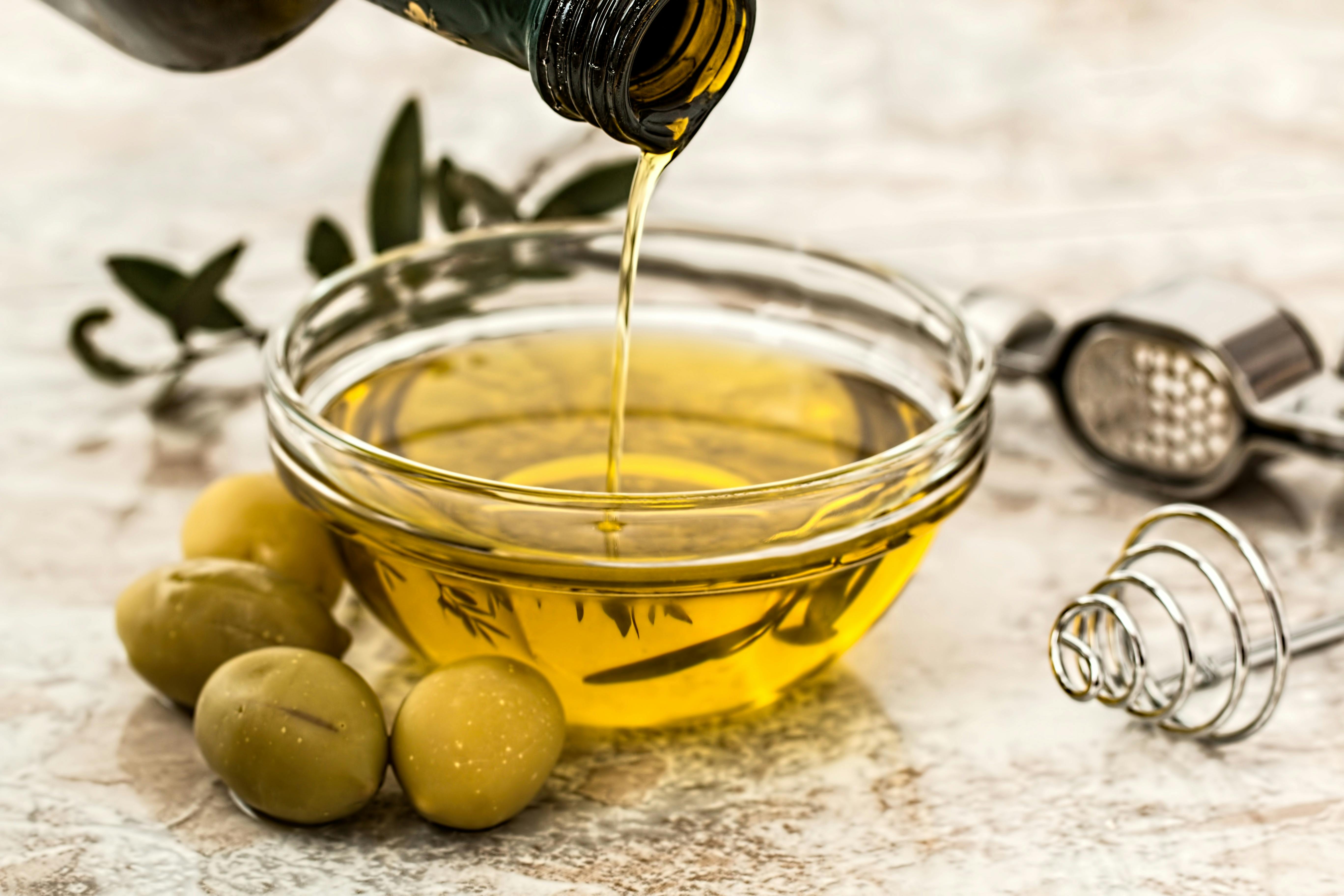
Olive oil has a healthy image, but that does not mean every use is ideal. Canadian doctors often support olive oil, especially extra virgin, as part of a Mediterranean-style eating pattern linked to heart benefits. The mistake comes when people assume more is always better. Oil is still calorie-dense, and casual pouring can add hundreds of unnoticed calories to vegetables, pasta, and salads.
Heat is the second issue. While olive oil can be used for many forms of cooking, repeatedly overheating it until it smokes is not wise. Smoke means the oil is degrading and the flavour is deteriorating. In practical terms, that usually happens when a pan is too hot or left unattended. The result is not just less pleasant food, but a less controlled cooking process overall.
Storage matters too. Olive oil exposed to light, heat, and air can lose quality faster. If it tastes flat or rancid, people may compensate by adding more salt or sauce to food that would otherwise taste fine. Doctors who focus on preventive health often stress these small kitchen habits because they shape everyday eating far more than occasional wellness trends do.
Measure olive oil instead of free-pouring it, use moderate heat when sautéing, and store the bottle in a cool, dark place. For dressings, a little goes a long way when balanced with vinegar, lemon, and herbs. Olive oil deserves its healthy reputation, but only when it is used with the same care as the foods it is meant to improve.



Leave a Reply