
Some provinces still treat home cooking as a basic life skill. Others lean harder on convenience, delivery, and ready-made meals.
British Columbia

On the surface, British Columbia looks like a strong scratch-cooking province because of its health-conscious image, active farmers' markets, and enthusiasm for local produce. In practice, though, the province ranks lower because lifestyle patterns often work against daily home preparation. Major urban centres such as Vancouver and Victoria have some of the country's strongest restaurant, takeaway, and specialty prepared-food scenes, which reduces the need to cook everything from raw ingredients.
Housing costs also shape kitchen behavior. When people spend a very large share of income on rent or mortgages, time and energy often become as scarce as money. That pushes households toward meal kits, pre-marinated proteins, bagged salads, and prepared supermarket dishes. Even when meals are assembled at home, they are not always truly made from scratch in the old-fashioned sense.
That said, British Columbia still has serious pockets of strong home cooking. Interior communities, island towns outside major hubs, and many immigrant households keep robust traditions of cooking beans, rice, soups, stews, seafood, and garden vegetables from the ground up. The province lands at No. 10 not because people do not care about food, but because convenience and high-cost urban life often interrupt scratch-cooking routines.
Ontario
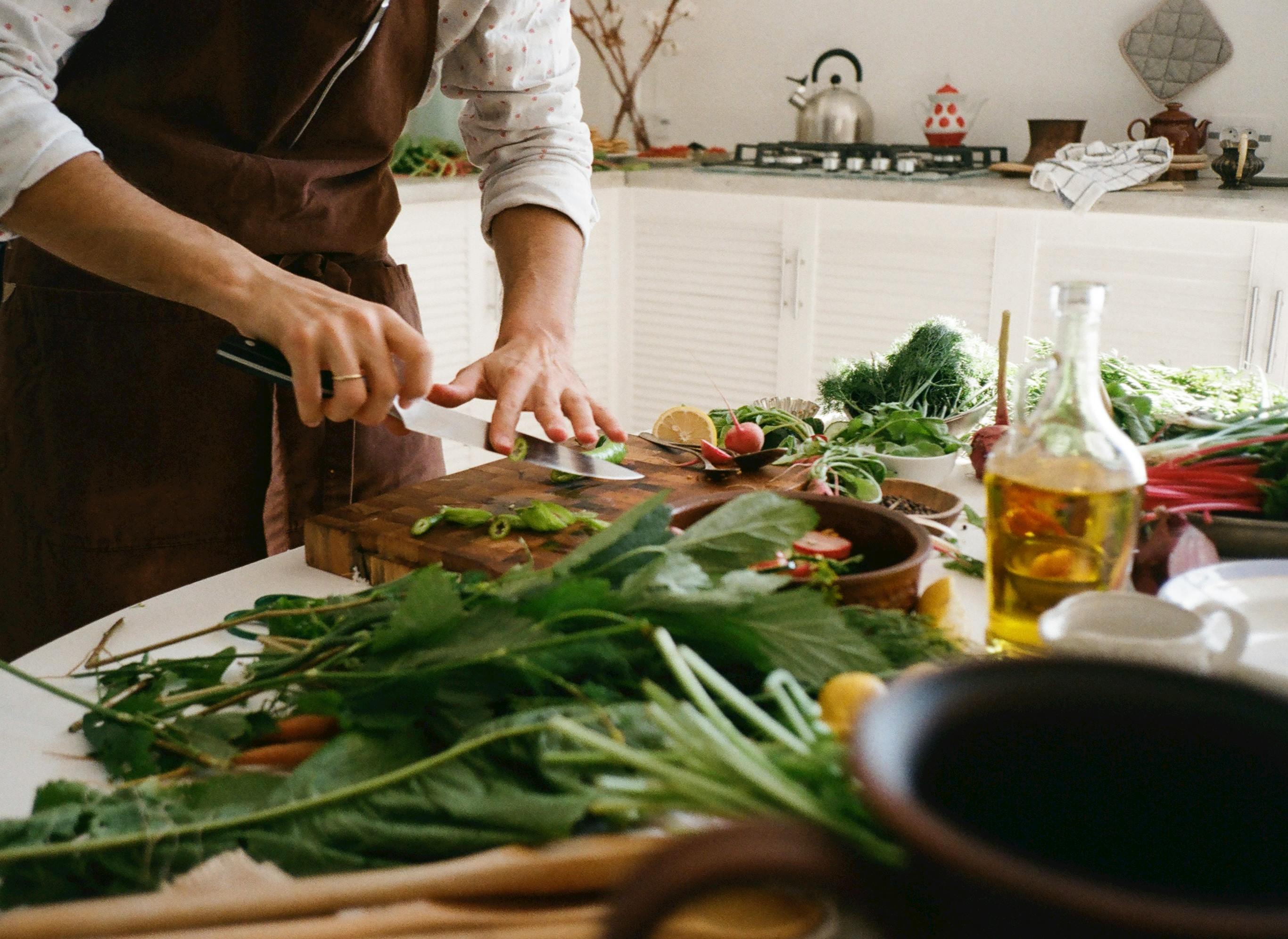
Ontario's size makes it difficult to generalize, but its average position in this ranking reflects a split identity. On one side are deeply rooted traditions of home cooking in small towns, farming districts, and multigenerational families. On the other is the fast-paced reality of the Greater Toronto Area and surrounding commuter belts, where long workdays and travel times can drain the motivation to build meals from basic ingredients.
The province has excellent access to fresh ingredients. Southern Ontario produces a large volume of vegetables, fruit, meat, dairy, and grains, which should support scratch cooking. Yet access alone does not determine behavior. Urban households with packed schedules often rely on frozen entrées, rotisserie chicken, jarred sauces, and restaurant meals simply because these options save time.
Ontario also has one of the country's most diverse food cultures, and that cuts in two directions. Diversity often strengthens scratch cooking because many communities maintain strong habits around homemade breads, curries, dumplings, soups, and sauces. At the same time, the same diversity fuels a huge prepared-food market. Ontario ranks ninth because it has all the ingredients for scratch cooking, but not always the daily rhythm to sustain it.
Alberta
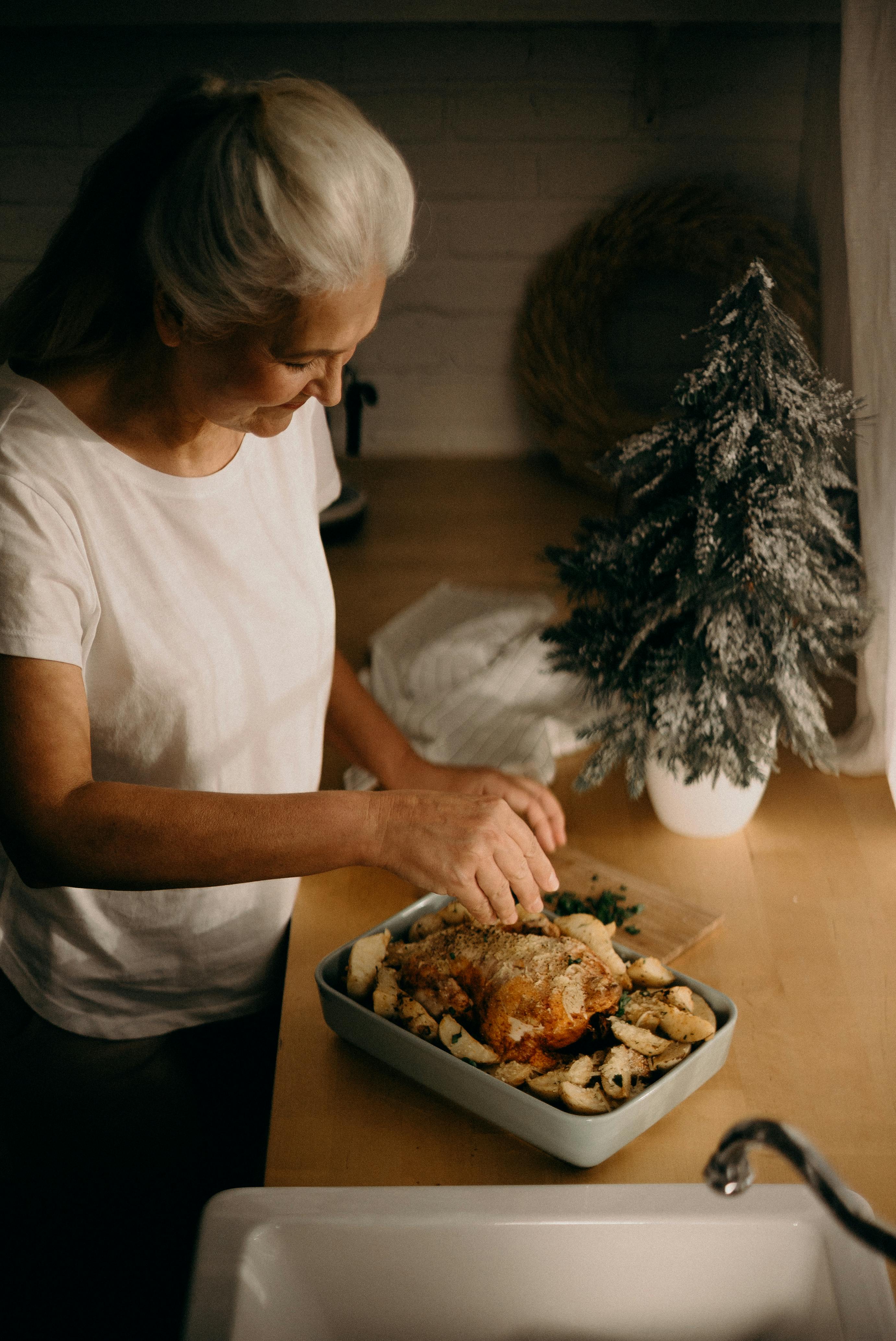
Alberta ranks eighth because it combines strong food resources with a lifestyle that can be uneven for home cooking. The province has abundant beef, grain, and access to large-format grocery stores, which makes ingredient shopping relatively straightforward. In many households, especially outside the biggest cities, cooking staples such as roasts, chili, casseroles, soups, and baked goods still remain common.
Still, Alberta's work culture matters. Energy-sector schedules, long shifts, and commutes can encourage convenience foods, especially in high-pressure periods. Families may cook in batches on weekends but depend on reheated meals, store-bought sauces, and semi-prepared components during the week. That counts as practical meal management, but it is not always pure scratch cooking in the strictest sense.
The province's ranking is helped by a durable tradition of hearty home meals and large family cooking. Community fundraisers, church cookbooks, rural kitchens, and hunting culture all reinforce basic food skills. Alberta does cook, often well, but the province falls short of the top tier because time pressure and convenience purchasing have become too important to ignore.
Manitoba
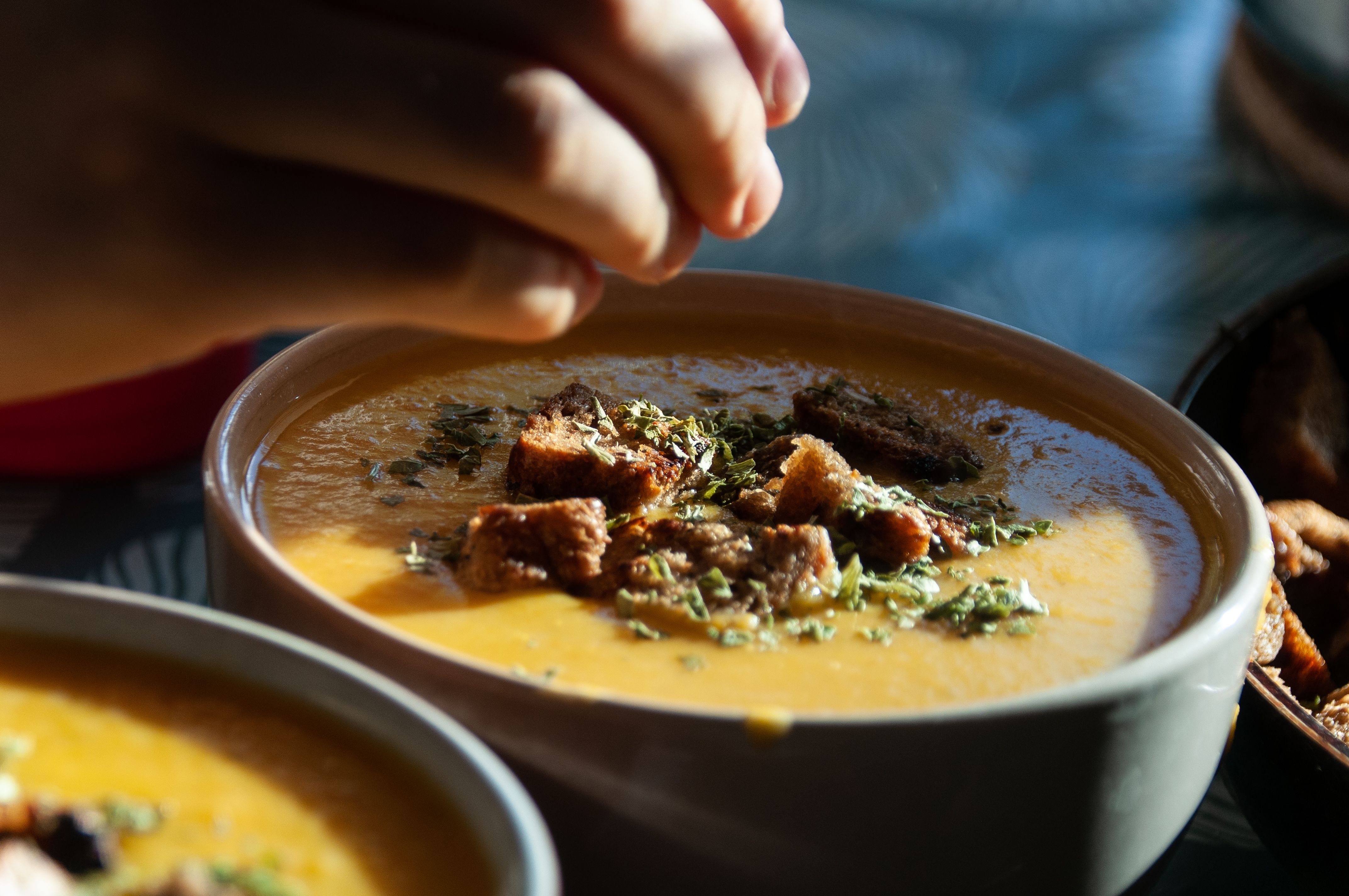
Manitoba places seventh because it retains more everyday cooking habits than many larger provinces. Winnipeg has a growing prepared-food culture, but outside the biggest retail corridors, scratch cooking remains a practical and familiar norm. Colder winters also support foods that naturally reward home preparation, including soups, stews, braises, baking, and preserving.
Cost is another factor. In provinces where restaurant and delivery spending takes a large share of household budgets, more people shift back toward raw ingredients. Manitoba households often have strong incentives to stretch groceries through planned cooking, leftovers, bulk buying, and freezer use. Those habits are closely tied to scratch cooking, especially in families feeding several people.
The province also benefits from a blend of prairie, Indigenous, Mennonite, Filipino, Ukrainian, and other culinary traditions that value making food rather than merely assembling it. Perogies, soups, bread, bannock, noodle dishes, and home-preserved staples all keep kitchen skills active. Manitoba does not rank higher only because urban convenience has grown, but it remains a province where genuine cooking is still widely respected.
Nova Scotia
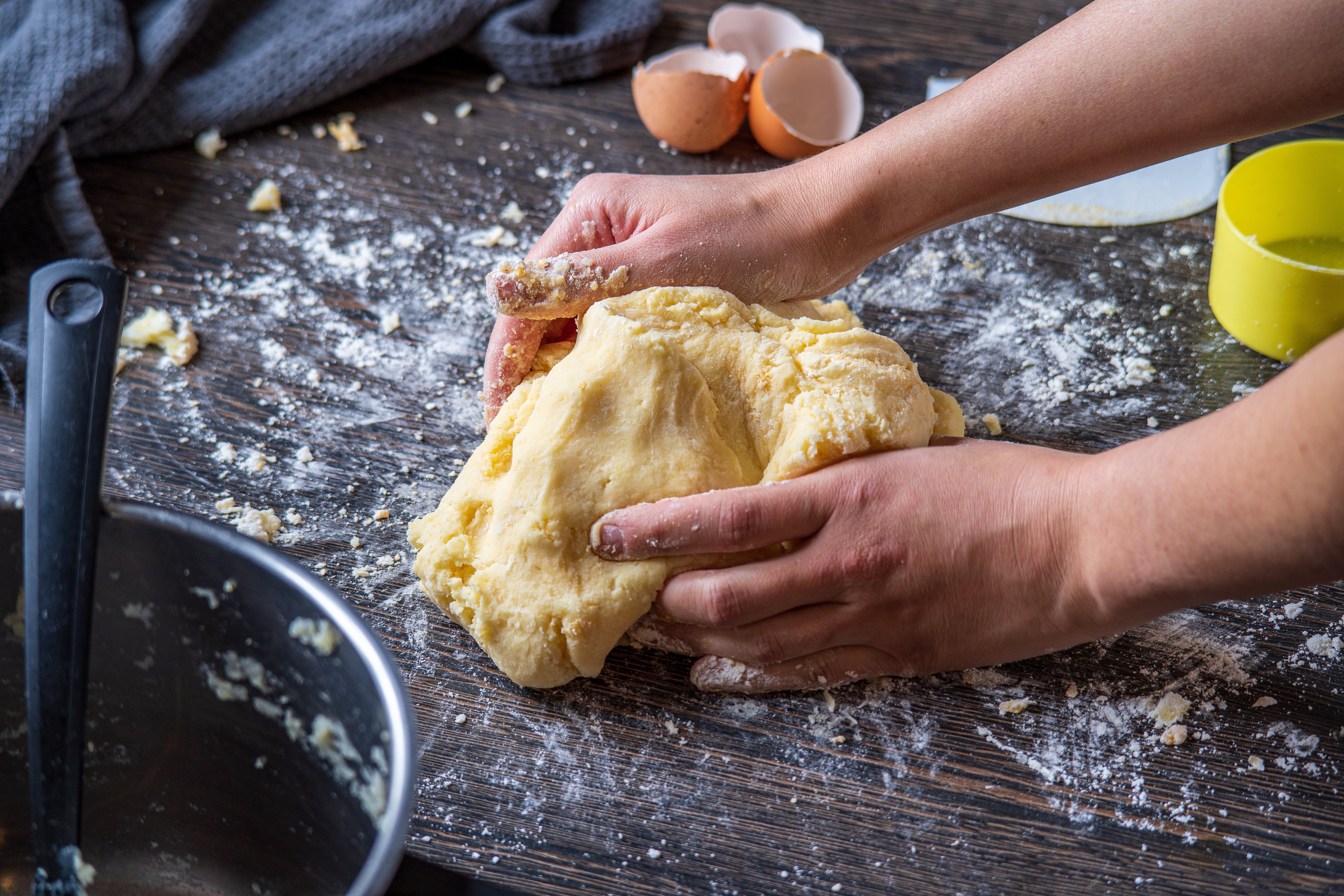
Nova Scotia earns sixth place because its food culture still has a close relationship with the home kitchen. Seafood, chowders, oatcakes, baked beans, stews, biscuits, and seasonal preserves all fit naturally into a scratch-cooking pattern. In many communities, especially outside Halifax, cooking is still tied to family routine, local identity, and the practical use of what is available.
The province's smaller population works in its favor. In places where people are more connected to local harvests, fish landings, farm stands, and community traditions, meals are less likely to be fully outsourced. That does not mean Nova Scotians reject convenience. Like everywhere else, they buy shortcuts. But there is still a stronger baseline expectation that a real meal starts with ingredients, not just packaging.
Nova Scotia's position would be even higher if younger households had more time and lower food costs. Like many Atlantic regions, it faces income pressure and an aging population, which can influence cooking patterns in different ways. Even so, the province remains one of the more reliable places in Canada for honest, from-scratch meals built on habit rather than performance.
Saskatchewan
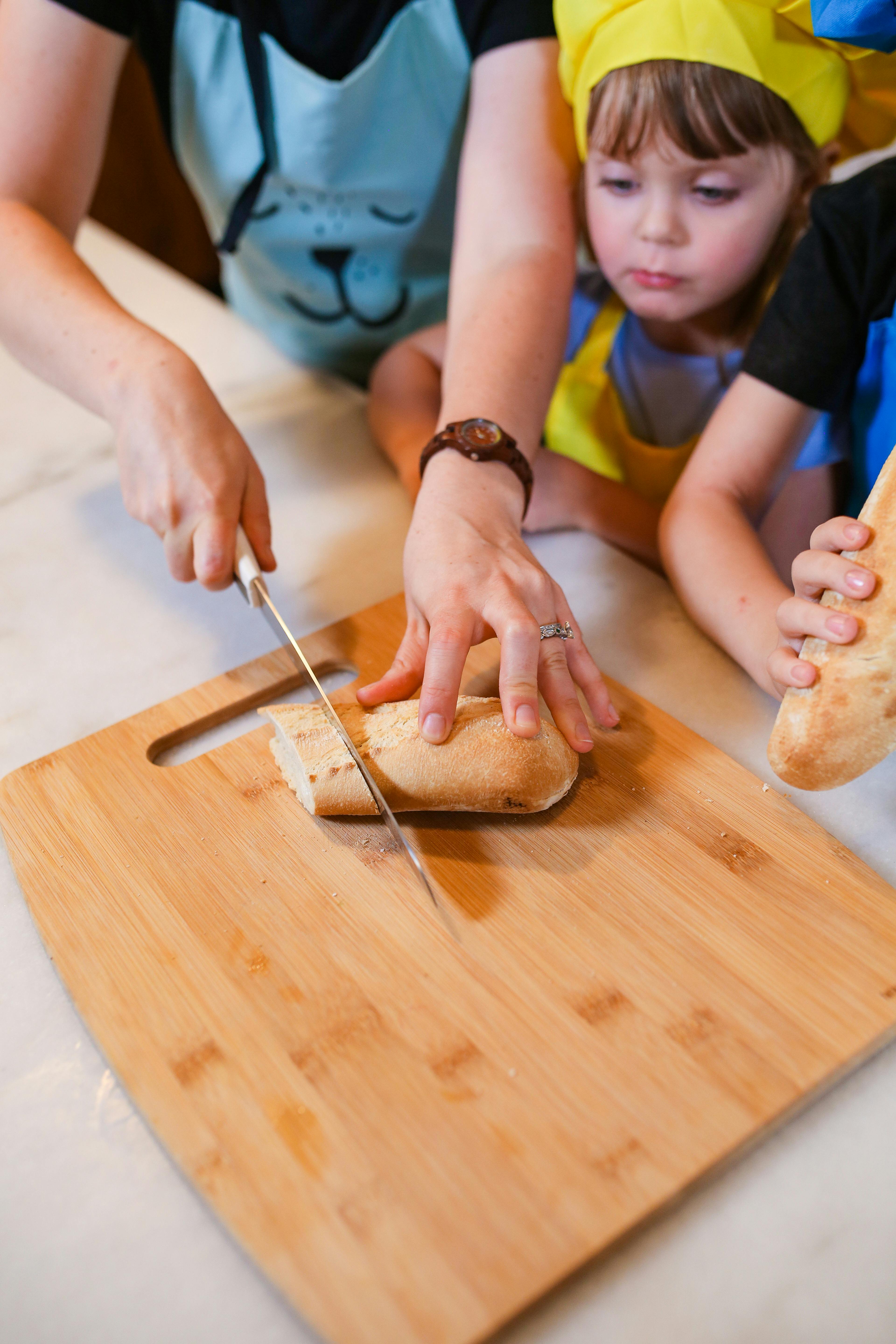
Saskatchewan ranks fifth because practical cooking remains deeply woven into daily life. This is a province shaped by agriculture, distance, cold weather, and family-scale meal planning. Those conditions tend to produce cooks who know how to make soup stock, roast meat, bake, preserve produce, and turn leftovers into another meal instead of throwing them away.
Rural and small-city culture still matters here. Households are often used to bulk purchasing, chest freezers, and making food stretch across several days. That supports scratch cooking almost by default. A pot of soup, a pan of squares, homemade buns, or a casserole built from pantry basics is still a recognizable weekday solution, not a nostalgic exception.
Saskatchewan also benefits from strong immigrant and settler food traditions, including Ukrainian, German, South Asian, and Indigenous influences that reward kitchen skill and planning. The province does not crack the top four because convenience retail has expanded and urban habits are changing. Still, compared with many larger and faster-moving regions, Saskatchewan remains meaningfully committed to cooking from the ground up.
Prince Edward Island
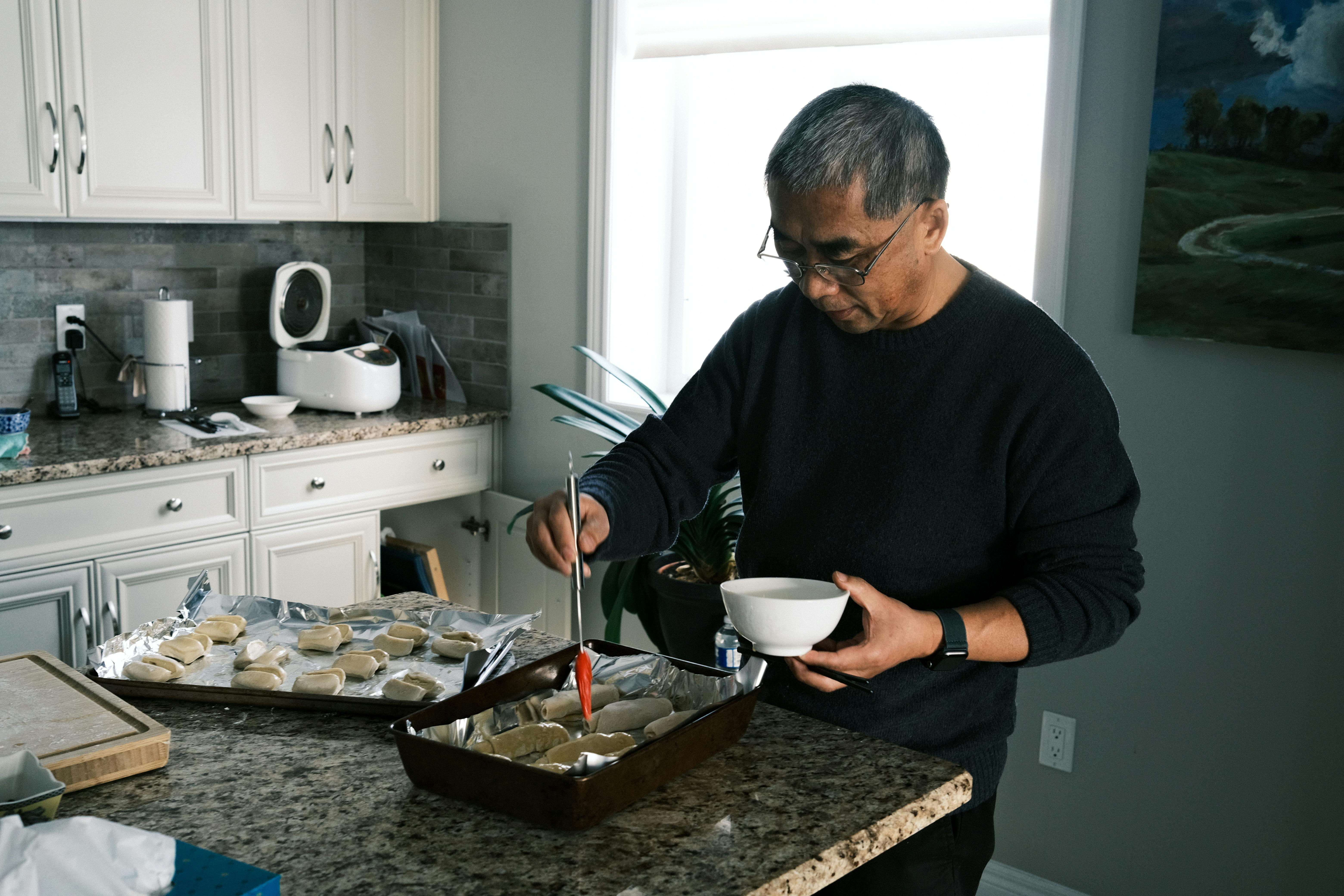
Prince Edward Island comes in fourth because its scale and food identity naturally support scratch cooking. It is easier to maintain a relationship with local potatoes, mussels, oysters, dairy, berries, and seasonal vegetables when the food economy feels close to home. In that environment, cooking from ingredients is not a lifestyle brand. It is simply how many people have long eaten.
The island's culinary reputation helps, but the real story is domestic routine. Smaller communities often preserve habits around family dinners, shared recipes, home baking, and preserving seasonal food. PEI households may use convenience items, of course, yet there is still a visible respect for dishes that require peeling, simmering, baking, and planning ahead.
Tourism can complicate this picture because prepared food is widely available in peak season, especially in visitor-heavy areas. But tourism has not erased the province's home-cooking backbone. Scratch cooking remains supported by local supply, strong regional pride, and a long tradition of making simple ingredients taste complete. That combination pushes Prince Edward Island near the top.
Newfoundland and Labrador

Newfoundland and Labrador ranks third because necessity and tradition have long worked together in the kitchen. In a place shaped by weather, distance, and a history of making do, scratch cooking became a survival skill before it became a cultural marker. Soups, bread, fish dishes, cooked dinners, preserves, and baked desserts still carry that legacy into the present.
Many households continue to prize meals that are filling, economical, and homemade. Store access can vary, and that often encourages better planning, stronger pantry habits, and more deliberate cooking. When people keep staples on hand and know how to build meals around salt fish, root vegetables, dough, or stewing meats, scratch cooking stays alive in a very practical way.
The province's ranking is also supported by strong intergenerational transfer. Recipes and methods are often taught directly through family use rather than treated as occasional heritage performance. Newfoundland and Labrador does not place first only because modern convenience is growing like everywhere else. Even so, it remains one of Canada's clearest examples of a province that still genuinely cooks.
New Brunswick
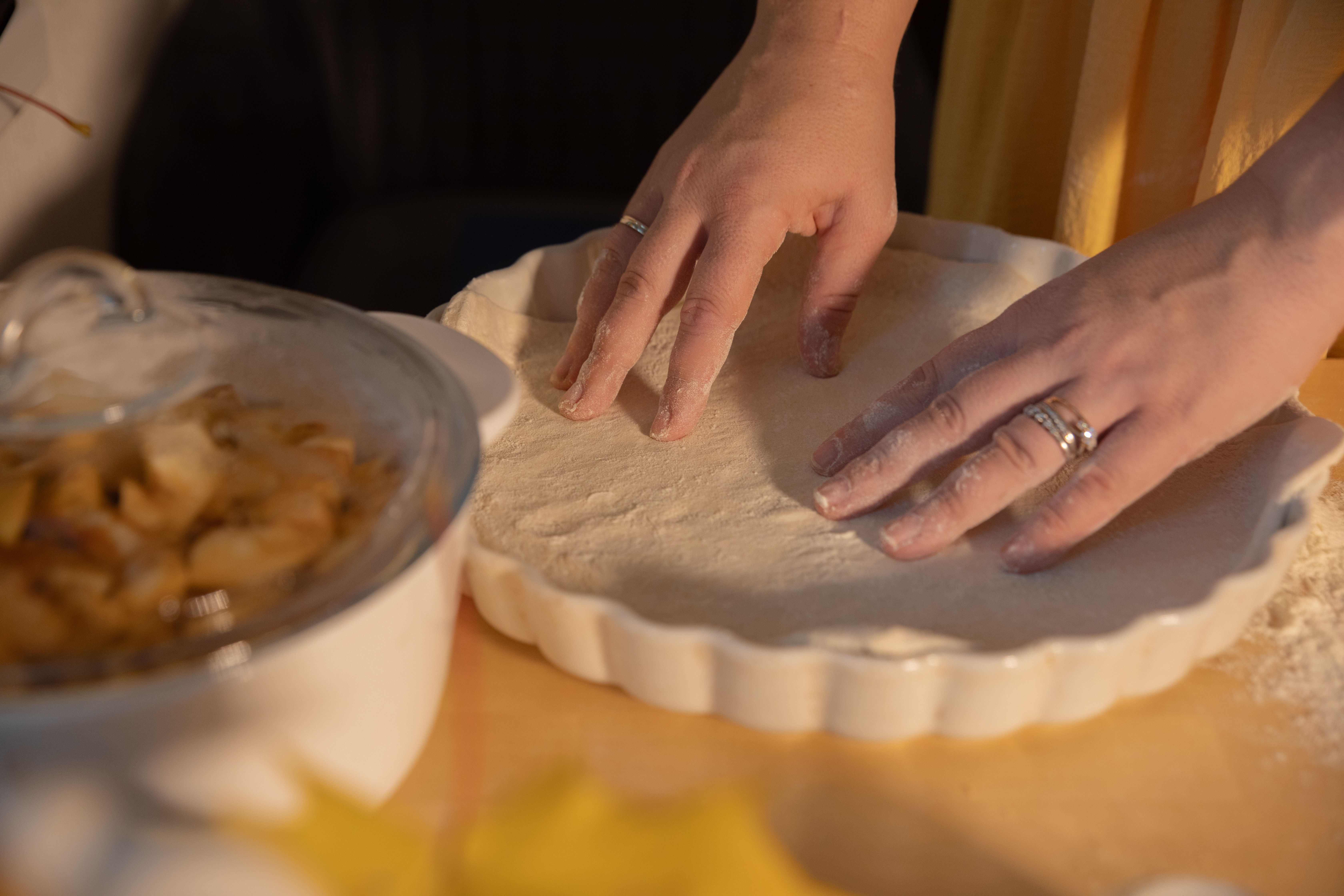
New Brunswick takes second place because it combines affordability pressures, strong regional food traditions, and a still-active culture of home meal preparation. In many households, cooking from scratch is not viewed as a hobby. It is a sensible way to feed people well while keeping control over cost, portion size, and ingredient quality.
The province's Acadian, anglophone, and Indigenous food traditions all contribute to that strength. Fricot, meat pies, fish dishes, soups, baked beans, biscuits, and preserves all reward hands-on cooking. Families in both rural and smaller urban areas often maintain routines around Sunday meals, baking, garden produce, and freezer cooking, which keeps basic kitchen fluency alive.
New Brunswick also benefits from a social pattern that still leaves space for home cooking more often than Canada's biggest metro regions do. Convenience foods are common, but they have not fully displaced the old logic of cooking once and eating well for days. That blend of necessity, culture, and habit is why New Brunswick lands just short of the top spot.
Quebec

Quebec ranks first because scratch cooking is still embedded in the province's food culture at multiple levels, from weekday family meals to festive dishes and neighborhood shopping habits. The province has a long-standing respect for technique, thrift, seasonality, and the idea that meals deserve time. That mindset supports soups, sauces, braises, baked dishes, pastries, and vegetable-based cooking prepared from core ingredients.
It also helps that Quebec maintains strong links between food identity and everyday domestic life. Public markets, bakeries, butcher shops, and specialty stores make ingredient-based cooking feel normal and accessible. A household might still buy bread or pastry from a professional, but dinner itself is often built at home through planning, practice, and inherited methods.
The province's immigrant communities strengthen this further by adding deeply rooted traditions of cooking legumes, grains, stews, flatbreads, dumplings, and sauces from scratch. Quebec is not untouched by convenience culture, but it resists it better than most. When all factors are weighed together, no province currently shows a broader, more durable commitment to real scratch cooking.

Leave a Reply