
It used to sound like a health-food punchline. Now it is one of the fastest-moving ideas in packaged beverages.
A wellness curiosity has become a real consumer category
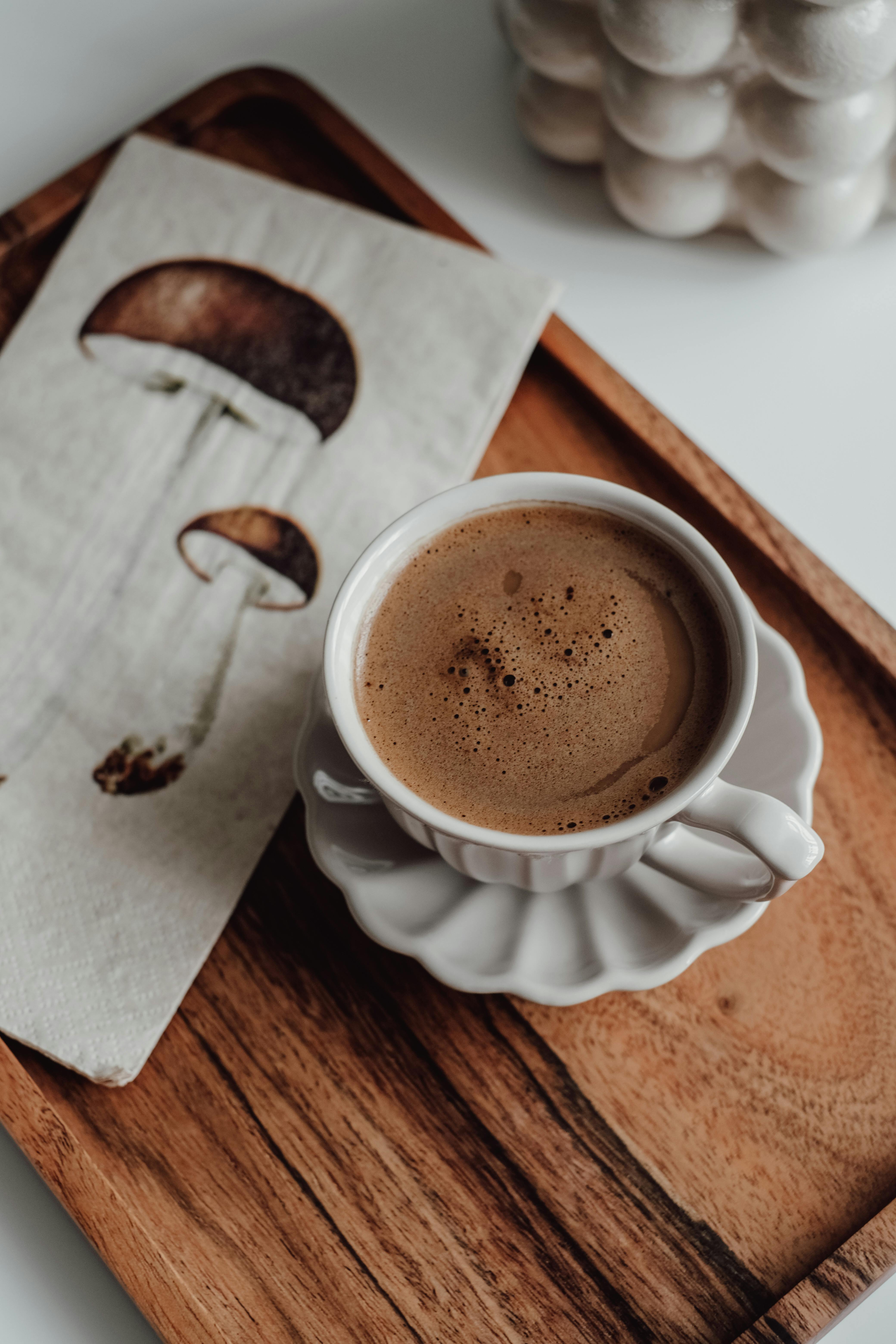
Mushroom coffee is no longer a niche powder hidden on the bottom shelf of natural food stores. It is now a recognizable product category built around blending coffee with functional mushroom extracts such as lion's mane, chaga, reishi, cordyceps, and turkey tail. The pitch is simple and highly marketable: keep the ritual of coffee, soften the crash, and add benefits linked to focus, calm, immunity, or stamina.
That message is landing at exactly the right moment. Consumers are not just buying caffeine anymore. They are buying performance, mental clarity, and a sense that everyday habits can be upgraded into wellness routines. According to Tastewise, social discussions around mushroom coffee rose more than 12% over the past year, a sign that curiosity is translating into sustained attention rather than a brief internet fad.
The broader market signals point the same way. Tastewise notes that 61.59% of consumers are actively choosing foods and drinks that support energy and focus. That makes mushroom coffee a natural fit for a public increasingly interested in adaptogens, nootropics, and the language of biohacking. In practical terms, people want a morning drink that feels productive before the workday even starts.
Retailers have noticed. Mushroom coffee now appears through direct-to-consumer channels, large grocery chains, warehouse clubs, and café menus. Once a product reaches that spread, it stops being a novelty and starts behaving like a category with staying power.
The science is intriguing, but the marketing is moving much faster

The central tension in mushroom coffee is easy to see. There is enough early research on medicinal mushrooms to make the category plausible, but not enough definitive evidence to support the strongest commercial claims being made around cognition, stress, immunity, or long-term health. That gap has not slowed growth. If anything, brands have learned to sell possibility, routine, and identity alongside the product itself.
Some mushrooms used in these blends do have promising scientific backgrounds. Lion's mane has been studied for possible cognitive effects, reishi for immune and stress-related pathways, and cordyceps for energy and exercise performance. But these findings are often preliminary, based on small human studies, animal data, or isolated extracts rather than the exact products consumers are stirring into coffee at home.
That distinction matters more than the average shopper may realize. A branded mushroom coffee blend may contain relatively small amounts of mushroom extract, different extraction methods, and varying levels of active compounds. The label can sound precise while still leaving important questions unanswered about dose, consistency, and real-world effect. Science tends to move slowly and cautiously. Consumer packaged goods do not.
Still, the category's growth makes sense. For many buyers, the appeal is not built on clinical certainty. It is built on the promise of feeling a little sharper, a little steadier, and a little less jittery than with standard coffee. In the beverage business, that is often more than enough to build momentum.
Canadians are playing an outsized role in turning trend into business
Canada has emerged as one of the most important markets in the mushroom coffee boom, both as a consumer base and as a launchpad for brands that understand wellness retail. Tastewise identifies Canada among the top global consumers of mushroom coffee, alongside the United States, South Korea, Germany, and Australia. That matters because Canada often acts as a bridge market, combining North American scale with strong demand for natural health products.
Canadian founders have not waited for a perfect scientific consensus to build businesses around functional mushrooms. They have leaned into a familiar national advantage: a sophisticated natural products ecosystem that already understands supplements, botanical ingredients, and premium grocery positioning. In Canada, the leap from vitamins and plant-based protein to mushroom coffee is smaller than it might appear.
The country also has cultural and geographic ties that make mushroom branding especially effective. Consumers are already primed for narratives around forests, wild ingredients, immune support, and holistic living. When a product references chaga, reishi, or lion's mane, it can be framed not as something exotic, but as part of a broader clean-label and nature-first lifestyle.
What Canadian companies are doing especially well is packaging the category for mainstream use. They are selling single-serve sticks, instant formats, café-style blends, and approachable flavor profiles that reduce the intimidation factor. That is how a wellness idea becomes a repeat purchase, and then a habit.
Why mushroom coffee is winning the timing game

The rise of mushroom coffee is not happening in isolation. It sits at the intersection of several stronger trends that were already reshaping food and beverage. Specialty coffee keeps fragmenting into more personalized formats, while functional drinks are pulling consumers away from traditional soda and toward beverages that promise a job to do. Mushroom coffee lands in the middle of both shifts.
It also benefits from post-pandemic consumer behavior. People became more conscious of immunity, stress, sleep, and mental performance, and many now evaluate food through a health lens that would have seemed niche a decade ago. A product that claims to support focus while reducing the harshness associated with regular coffee is perfectly designed for that climate.
Social media has accelerated adoption. On TikTok and Instagram, mushroom coffee is easy to explain visually and emotionally. It photographs like coffee but carries the intrigue of a wellness supplement. That dual identity is powerful because it invites both aspiration and experimentation. Consumers feel they are participating in a smarter morning ritual, not just trying another flavored beverage.
Convenience is another reason it is spreading. Instant coffee has regained respect, and mushroom coffee often enters the market in powder form, which turns convenience into a strength rather than a compromise. That has helped brands target office workers, travelers, gym-goers, and anyone building a quick daily ritual around performance.
The biggest risk is not flavor, but credibility

Taste has always been the obvious hurdle for mushroom coffee, and brands have worked hard to overcome it. Most successful products do not taste like mushrooms in the culinary sense. They taste earthy, slightly nutty, or simply less acidic than conventional coffee. Once consumers realize the flavor is familiar enough, the barrier to trial drops quickly.
The larger issue is trust. Mushroom coffee tends to be sold at a premium price, often with language that borrows from both nutrition science and wellness culture. If consumers begin to suspect that benefits are exaggerated, the category could face the same credibility problem that has hit other functional foods. Premium products survive only when people believe the experience is worth paying for.
Transparency will decide which brands last. Buyers are becoming more educated about extract ratios, caffeine content, sourcing, third-party testing, and whether a product contains fruiting body mushrooms or cheaper filler materials. In a crowded field, brands that explain exactly what is inside the bag and what it can realistically do will have an advantage over those relying on vague promises.
This is especially important as regulators and health professionals pay closer attention. Mushroom coffee is unlikely to disappear, but the standards around claims are likely to tighten. The businesses that survive that shift will be the ones that treated consumer trust as seriously as growth from the beginning.
What happens next as the category matures

The next phase of mushroom coffee will be less about novelty and more about segmentation. Some products will target cognitive performance, others stress reduction, and others low-caffeine routines. Tastewise points to likely expansion into ready-to-drink formats, iced beverages, espresso applications, and more personalized blends. That is what mature beverage categories do. They multiply into use cases.
Expect major coffee brands to keep watching closely. Once a product proves it can attract younger consumers, command premium pricing, and cross into wellness, incumbents usually move in. That could mean more competition, more education, and eventually lower prices as scale improves. It may also mean stricter scrutiny of ingredient quality and marketing claims, which would be healthy for the category overall.
Canadian players are well positioned for that phase because they have helped normalize the product early. They understand how to sell function without abandoning taste, and how to place a product across natural retail, e-commerce, and mainstream grocery. In fast-moving consumer goods, being early matters, but being adaptable matters more.
Mushroom coffee still has scientific questions hanging over it, and some of its bolder claims may not hold up cleanly over time. But markets do not wait for perfect evidence when a product fits the moment. Right now, mushroom coffee fits the moment almost perfectly.




Leave a Reply