
Canadian fine dining is changing from the ground up. At the center of that shift are Indigenous chefs who are rebuilding culinary traditions that colonial systems once tried to erase.
A culinary revival rooted in sovereignty
This movement is not simply about adding bannock, bison, or wild berries to upscale menus. Indigenous food sovereignty is about restoring control over land, harvesting, seed keeping, hunting, fishing, and cooking traditions that were disrupted by residential schools, forced relocation, and restrictive laws. In Canada, for generations, many Indigenous communities were separated from the very food systems that had sustained them for thousands of years.
Today, chefs are turning restaurants into places of remembrance and renewal. Menus built around cedar, smoked fish, elk, sumac, juniper, and hand-foraged plants do more than impress diners. They reconnect food to language, territory, and teachings. That is a very different goal from the extractive logic that shaped much of modern restaurant culture.
The broader public is now catching up. Awards, media coverage, and culinary festivals have brought more attention to Indigenous cuisine, but the deeper story is about jurisdiction and continuity. When Indigenous chefs define their own ingredients and techniques on their own terms, they challenge the idea that French traditions are the default standard for fine dining in Canada.
This is why the movement feels so consequential. It is not a trend layered onto restaurant culture from above. It is a reclamation effort led by people whose communities have always held sophisticated, place-based culinary knowledge, even when the wider industry failed to recognize it.
The chefs building a new national standard
One reason this movement has gained such force is the visibility of chefs who have insisted on Indigenous excellence at the highest level. Chef Joseph Shawana, a member of Wiikwemkoong Unceded Territory, has spent years showing that Indigenous ingredients belong in refined tasting menus, not on the margins of Canadian cuisine. His work helped shape public understanding of what contemporary Indigenous fine dining could look like.
Chef Shane Chartrand has been equally influential. Drawing on his Cree heritage, he has spoken openly about cooking as a way to reclaim identity, memory, and family history. His food often merges polished technique with ingredients and stories that reflect the land, proving that sophistication does not require detachment from culture.
In Vancouver, the team behind Salmon n' Bannock helped change the conversation from another direction. By presenting First Nations cuisine in a highly visible urban restaurant, they introduced many non-Indigenous diners to foods and methods they had rarely encountered. Their approach made Indigenous hospitality legible to a mainstream audience without diluting its roots.
Across the country, a younger generation is extending that work. They are opening pop-ups, catering businesses, tasting-menu concepts, and community-based food projects. Some are classically trained, some are self-taught, and many move between both worlds with ease. Together, they are setting a new benchmark for what Canadian dining can and should represent.
Ingredients are carrying the story now
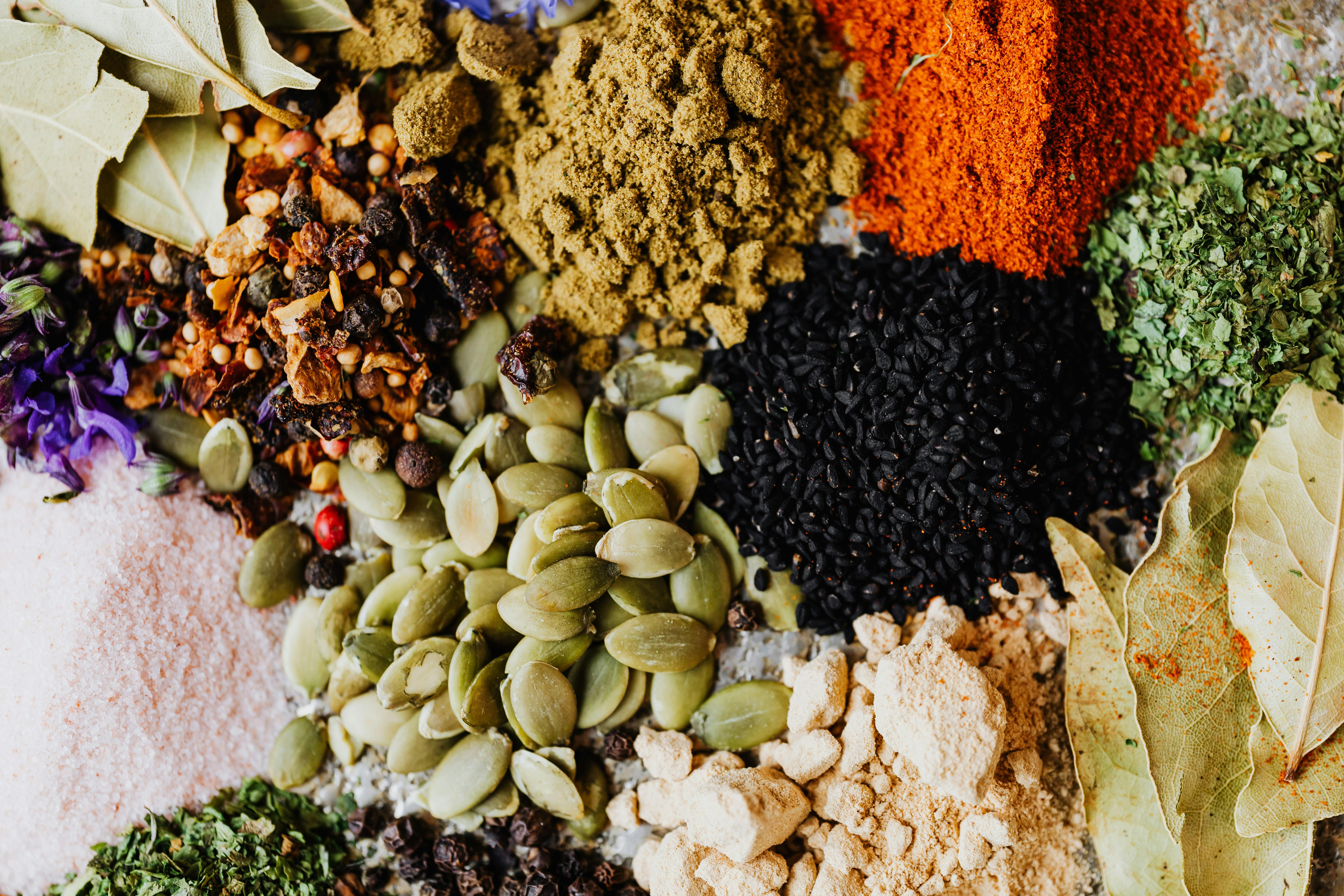
The most striking feature of Indigenous fine dining in Canada is how ingredients are being treated not as exotic novelties, but as carriers of knowledge. Labrador tea, spruce tips, wild rice, Arctic char, birch syrup, sea asparagus, stinging nettle, and game meats are appearing in courses with the same care once reserved mainly for imported luxury products. That shift matters because it changes how value is assigned in the dining room.
In many Indigenous kitchens, ingredients are tied directly to season, territory, and relationship. A plate of smoked trout with pickled berries or a broth infused with local herbs is not just about flavor layering. It reflects harvesting calendars, preservation techniques, and ecological understanding built over centuries. Fine dining, in this context, becomes less about spectacle and more about precision tied to place.
There is also a strong ethical dimension. Many chefs prioritize sustainable fishing, respectful use of the whole animal, and close relationships with harvesters and community suppliers. Those choices align with principles long practiced in Indigenous food systems, where waste reduction and reciprocity are foundational rather than fashionable.
For diners, this creates a richer experience than the standard luxury script. Instead of imported caviar or foie gras serving as shorthand for prestige, a thoughtfully prepared dish of venison, chokecherries, or fire-roasted root vegetables can express something far more distinctive. It offers a sense of where you are, whose land you are on, and what that place can teach through food.
Fine dining is finally being asked harder questions
For decades, Canadian fine dining borrowed heavily from European hierarchy. Prestige often came from white tablecloth rituals, French terminology, and imported ingredients that signaled wealth and cosmopolitan taste. Indigenous chefs are not merely entering that system. They are exposing its blind spots and asking why a country with such diverse food traditions spent so long pretending that culinary legitimacy had to come from elsewhere.
That critique has practical consequences. Restaurant schools, hospitality groups, and food media are being pushed to reconsider what counts as technique, whose knowledge is named as expertise, and which histories are taught to young cooks. Land-based preparation, open-fire methods, preservation, butchery, and foraging knowledge are increasingly recognized as advanced culinary skills rather than rustic side notes.
Some institutions are responding. Culinary events now feature more Indigenous chefs, and award bodies have become more attentive to regional and cultural diversity. Still, representation alone does not resolve structural imbalance. Access to capital, land, training pathways, and procurement networks remains uneven, especially for chefs working outside major cities or building businesses tied to community priorities.
That is why the movement's growth cannot be measured only by accolades. Its real impact will depend on whether Canadian hospitality changes its foundations. The question is no longer whether Indigenous cuisine belongs in fine dining. It is whether fine dining is willing to transform enough to truly make room for Indigenous leadership.
Community remains the movement's real engine

What makes this movement durable is that its energy does not come only from elite restaurant rooms. It is powered by elders, hunters, fishers, seed keepers, aunties, youth programs, and community cooks who have carried food knowledge forward under far more difficult conditions than most restaurants ever face. Fine dining may draw headlines, but the foundation is much broader.
Many Indigenous chefs speak about responsibility before innovation. They are accountable not just to customers, but to family, Nation, and territory. That can shape everything from menu wording to sourcing practices to how stories are shared in service. In this model, success is not simply about personal brand growth. It is also about whether a restaurant can support education, employment, and cultural continuity.
There are practical examples across Canada. Community feasts, school food programs, land-based camps, and Indigenous-led culinary training initiatives are helping rebuild food literacy from the ground up. Some chefs split time between restaurant work and teaching young people how to fillet fish, preserve berries, or identify medicinal plants. Those efforts are as important as any tasting menu.
This community orientation also helps explain the movement's resilience. Trends rise and fade when they depend on novelty alone. Indigenous food work has lasted because it is tied to survival, governance, and intergenerational knowledge. The restaurant industry may amplify it, but it did not create it.
The next chapter will be even more influential
The clearest sign of the movement's future is that Indigenous chefs are no longer asking for permission to exist within Canadian cuisine. They are defining new expectations for excellence, sustainability, and storytelling. As more diners seek food with integrity and a real sense of place, Indigenous culinary leadership is positioned to shape the next era of the industry.
That influence will likely expand beyond restaurants. Tourism boards, hotels, culinary schools, and major food events are increasingly interested in Indigenous-led experiences, though that interest must be handled with care. Commercial demand can create opportunity, but it also raises risks of tokenism, imitation, and cultural flattening if businesses borrow aesthetics without respecting governance and community protocols.
The chefs leading this change understand those tensions well. Many are building slowly and deliberately, choosing collaborations that protect values rather than chasing rapid expansion. That patience is strategic. It helps ensure that growth benefits Indigenous communities, not just consumers eager for the latest dining trend.
What happens next in Canadian fine dining will depend heavily on who gets supported, funded, and heard. But one fact is already clear. Indigenous chefs are not adding a new chapter to the country's culinary story. They are rewriting the central narrative, and they are only getting started.




Leave a Reply