
Tim Hortons is one of those brands people feel they know personally, which is why every change, misstep, or viral complaint hits harder than it would at a typical fast-food chain. This year, the coffee-and-doughnut giant found itself at the center of repeated customer frustration, online debate, and public scrutiny. From menu shakeups to service complaints and value concerns, these are the Tim Hortons controversies that customers could not stop discussing.
Shrinking portions and rising prices

The complaint that never seems to cool off is value. This year, customers kept posting side-by-side photos of smaller-looking baked goods, lighter-filled wraps, and breakfast items that felt less substantial than they remembered, while menu prices continued to climb.
What made the backlash stick was how familiar it felt. Many regulars said they were willing to accept higher prices if quality stayed consistent, but they felt they were getting less of both at once. In a chain built on everyday routines, even a small perceived cut in portion size can feel personal.
That frustration spread because it touched nearly every order category. Coffee add-ons, combo meals, and lunch items all became part of the same wider argument about whether Tim Hortons still delivers the simple, affordable comfort customers expect.
Pizza rollout divided loyal customers
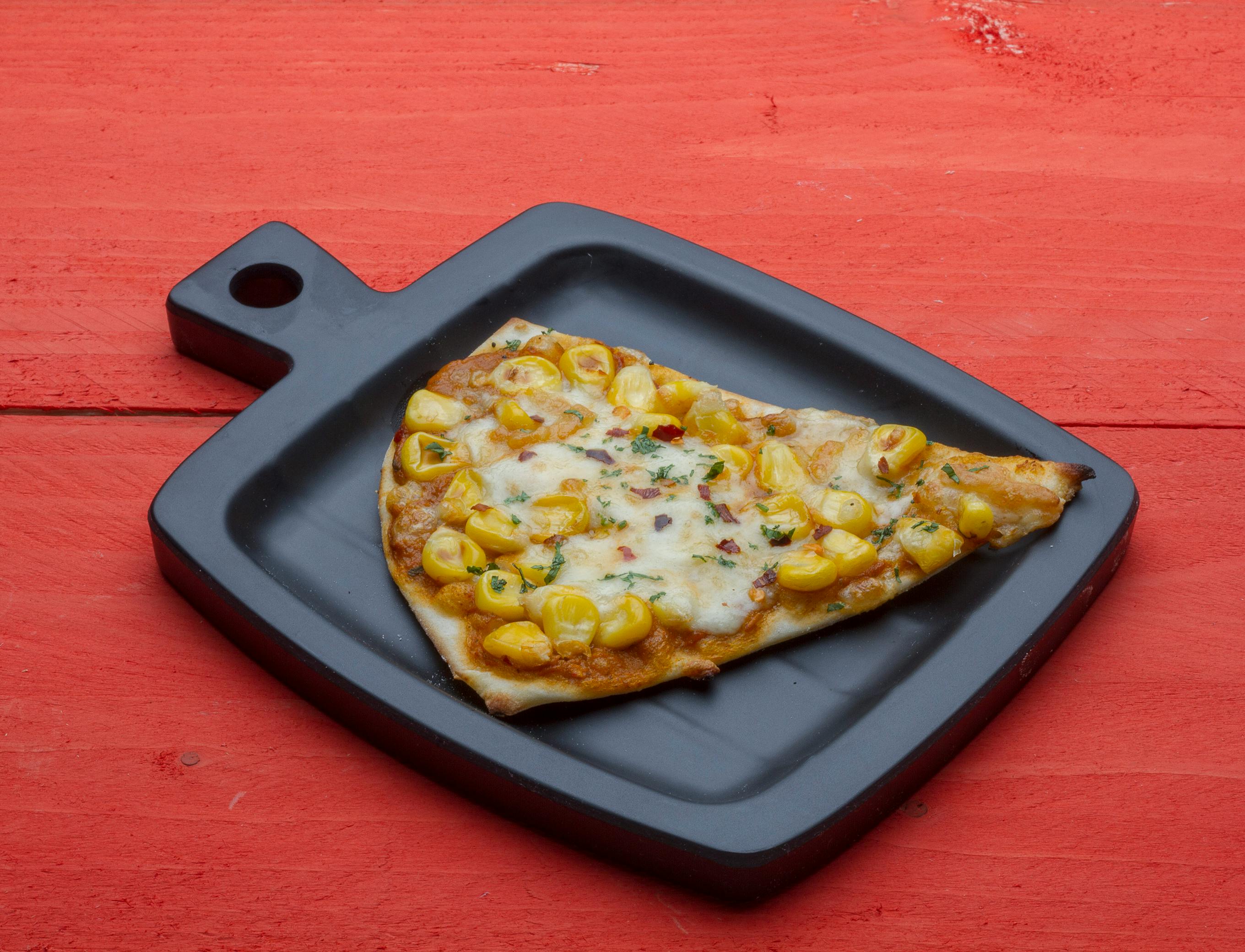
Few launches stirred stronger opinions than Tim Hortons pizza. For some customers, it was an interesting attempt to expand the menu and compete for afternoon traffic. For others, it felt like the chain was drifting even further from the coffee, doughnuts, and quick breakfast identity people actually wanted.
The criticism was not only about taste. Regulars questioned whether stores already struggling with speed and order accuracy should be adding another made-to-order item that could slow everything down. In busy locations, that concern quickly became part of the daily customer experience.
The bigger issue was what the pizza represented. To critics, it became a symbol of a brand chasing trends while long-standing complaints about coffee consistency, baked goods, and basic service were still unresolved.
Drive-thru delays kept frustrating morning commuters

Speed matters most when a brand is part of somebody's commute, and this year drive-thru complaints were hard to ignore. Customers across social media described long morning lines, stalled ordering lanes, and waits that felt especially frustrating for a chain built around convenience.
Some of the anger was tied to more complex menus and promotional items that appeared to slow service. Others blamed staffing pressure, uneven training, or stores trying to juggle mobile pickups, delivery orders, and drive-thru demand all at once.
What turned this into a true controversy was the gap between expectation and reality. Tim Hortons is supposed to be the quick stop that gets people to work on time, so when the line backs up regularly, it undermines one of the brand's core promises.
Order accuracy complaints spread across social media
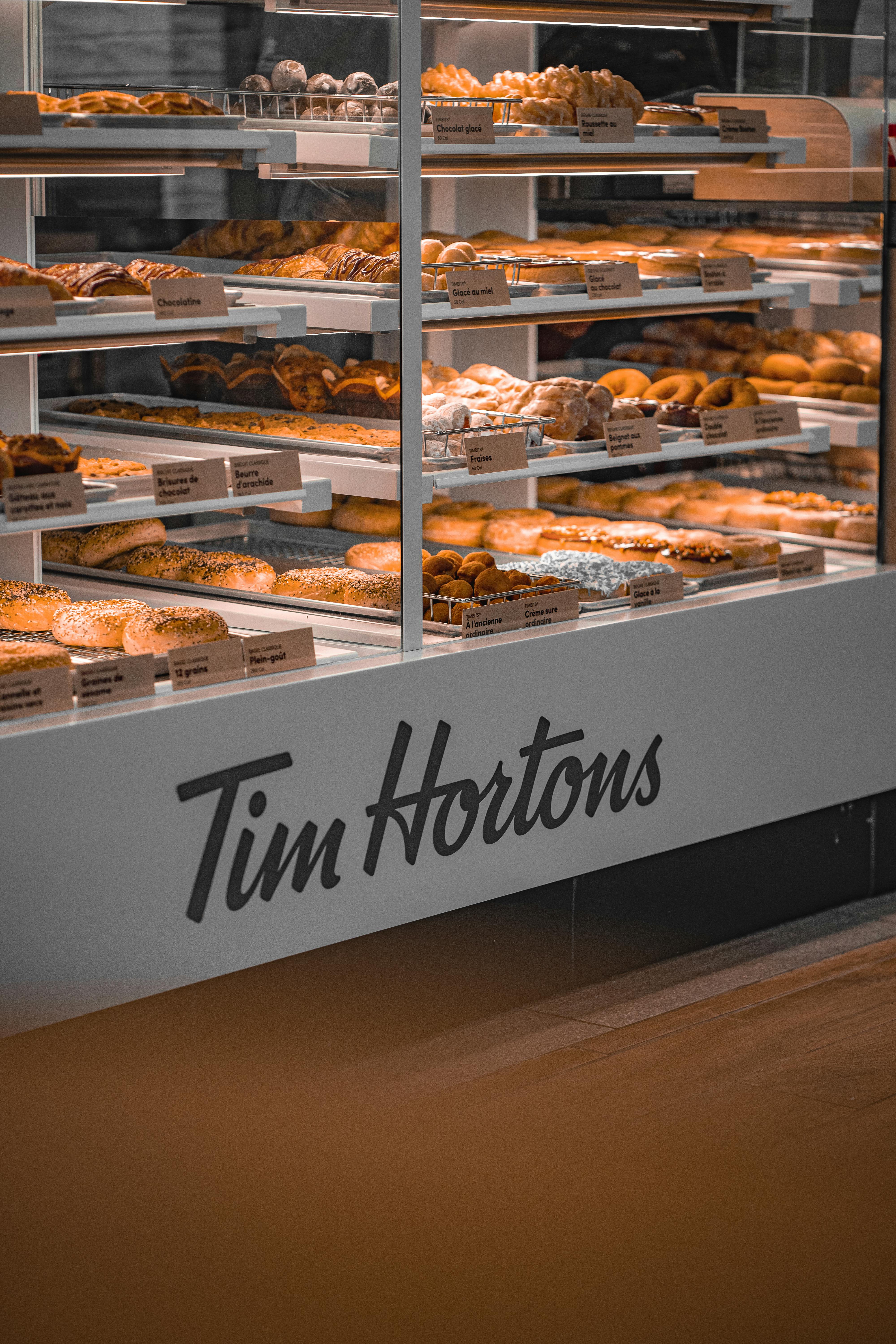
A wrong order can happen anywhere, but this year many Tim Hortons customers felt it was happening too often. Stories about missing ingredients, incorrect drinks, forgotten sides, and sandwiches that did not match the order became a regular feature of comment sections and local community groups.
What gave these complaints staying power was how routine they sounded. People were not always describing one dramatic mistake. They were describing a pattern, especially during busy breakfast hours, that made them double-check bags before driving away.
For a chain that depends on repeat visits, accuracy is not a small detail. It is the trust layer beneath the whole transaction. Once customers start expecting mistakes, even a simple coffee run can begin to feel like work instead of habit.
Coffee quality and consistency came under fire again

Coffee is still the emotional center of the Tim Hortons brand, which is why quality complaints always land with extra force. This year, customers once again debated whether the coffee tastes weaker, less fresh, or simply less reliable from one location to the next.
Some people described cups that were overly bitter, watered down, or prepared inconsistently depending on time of day and who was working. Others said the issue was not that every coffee was bad, but that there was too much variation for a chain known for routine.
That made the criticism bigger than a taste preference. When customers visit because they want the same dependable cup every morning, inconsistency becomes a brand problem, not just a beverage problem. It cuts directly into the comfort and familiarity Tim Hortons sells.
Beloved menu items disappeared or changed

Nothing upsets loyal customers quite like losing a favorite order, and this year menu changes sparked another wave of backlash. Whether it was a discontinued snack, a reformulated baked item, or an altered breakfast staple, many regulars felt the chain kept tinkering with foods people already liked.
The reaction was strong because Tim Hortons thrives on ritual. Customers often order the exact same thing for months or years, so when an item vanishes or returns in a changed form, it breaks a habit that people had built into everyday life.
That is why these complaints reached beyond nostalgia. They raised a larger question about whether the company fully understands which products create loyalty and which changes risk pushing longtime customers to independent coffee shops or rival chains.
App deals and rewards frustrations left customers annoyed

Digital loyalty is supposed to make regular customers feel recognized, but this year many users said the Tim Hortons app did the opposite. Complaints centered on offers that felt confusing, rewards that seemed less generous than before, and deals that did not always work the way customers expected at checkout.
The issue was not simply technical. For many people, it fed a growing sense that value was becoming harder to unlock unless they navigated a maze of app conditions, limited-time promotions, or account-specific quirks. That can make savings feel more complicated than satisfying.
Because the app now sits between the brand and many of its most frequent visitors, every digital frustration carries extra weight. A loyalty platform should strengthen trust, but when it misfires, it can amplify irritation instead of repeat business.
Cleanliness and in-store upkeep drew criticism

For some customers, the biggest controversy was not on the menu at all. This year, complaints about messy tables, overflowing garbage, poorly stocked dining areas, and tired-looking washrooms surfaced repeatedly, especially in high-traffic locations where standards seemed to slip during rush periods.
These issues matter because they shape how people judge everything else. A lukewarm coffee or average sandwich can feel much worse in a dining room that looks neglected. Cleanliness is one of those signals customers use to decide whether a store is being run with care.
The conversation also reflected broader concerns about staffing and store pressure. Even so, regulars were clear about one thing: they expect a baseline of comfort and upkeep from a chain this large, and they notice immediately when that standard appears to fall.




Leave a Reply