
For soda fans of a certain age, this is the kind of news that instantly brings back convenience-store runs and neon-colored snack aisles. Crush is reviving a 1990s favorite that many people assumed had disappeared for good.
Why this comeback is getting so much attention
Nostalgia has become one of the strongest forces in the food and beverage business, and soda brands know it. When a company brings back a flavor tied to childhood memories, it is not just selling a drink. It is selling a feeling, a time period, and a story people want to revisit. That is a major reason Crush's decision is drawing so much buzz.
The soda industry has leaned heavily into retro branding in recent years because it works across generations. Older consumers remember the original product and want the exact taste they grew up with. Younger shoppers, meanwhile, are often curious about discontinued flavors they have only seen online, mentioned in fan forums, or featured in nostalgic social media posts. Limited-time releases amplify that interest by making the product feel rare and urgent.
Crush has long occupied a particular place in the soft drink market as a colorful, flavor-forward brand that does not try to be understated. Its identity has always been tied to bold fruit flavors and a playful image. That makes it especially well suited for a revival campaign built around a vivid 1990s release, because the brand's history already fits the mood of the era.
Retailers also benefit from these returns. A familiar name with a discontinued backstory can generate impulse purchases in a way that entirely new products often cannot. Shoppers who might ignore another new soda are far more likely to stop when they see a once-missing Crush flavor back on the shelf.
The 90s flavor at the center of the buzz
The flavor returning is Crush Lime, a bright citrus soda that built a loyal following in the 1990s before fading from regular availability. For many fans, it became one of those drinks people remembered vividly but could rarely find. Over time, its absence gave it an almost mythic reputation among soda collectors and nostalgic consumers who traded memories of discontinued favorites.
Lime sodas have always occupied an interesting niche in the soft drink world. They are sharper and more aromatic than standard lemon-lime options, and they stand apart from orange, grape, and strawberry flavors that dominate fruit soda shelves. Crush Lime had a sweeter, candy-like profile than many competing citrus drinks, which helped give it a distinct identity during its original run.
What makes the revival notable is that Crush is not simply dusting off an obscure name. It is bringing back a flavor with genuine brand recognition among people who grew up in the 1990s. In the beverage business, that matters. A returning product performs best when consumers already have a memory attached to it, even if that memory is as simple as grabbing a bottle after school or spotting it in a supermarket cooler.
The renewed interest also reflects the rise of niche beverage communities. Social platforms have given discontinued drinks a second life, with collectors, reviewers, and retro food enthusiasts keeping old flavors in public conversation far longer than brands once could have expected.
How soda companies decide a discontinued drink is worth reviving
A comeback like this rarely happens on sentiment alone. Beverage companies study a mix of consumer demand, retail viability, ingredient sourcing, and marketing potential before deciding whether a discontinued product can succeed. If a flavor has strong name recognition and can be produced without major reformulation issues, it becomes a much stronger candidate for a limited or wider return.
Social listening plays an increasingly important role in that process. Brands can now track how often a flavor is mentioned online, what kind of emotional response it generates, and whether people are actively asking for its return. If consumers keep posting about a missing soda for years, that creates a visible record of demand that companies can use internally when making a case for revival.
Retail strategy matters just as much. A revived flavor needs shelf space, promotional support, and packaging that stands out in a crowded beverage aisle. Limited-time runs are especially attractive because they reduce long-term risk. If the product sells quickly, the brand gains momentum and free word-of-mouth marketing. If it underperforms, the company can still frame the release as a special event rather than a failed relaunch.
Crush is operating in a market where novelty and familiarity increasingly overlap. Consumers want something different, but they also want something recognizable. A 1990s soda revival sits right at that intersection, which helps explain why brands are more willing to revisit the archive.
Why retro drinks are booming right now
This revival is part of a much broader pattern across the beverage industry. Companies are mining their back catalogs because legacy products offer a built-in emotional connection that brand-new launches often lack. In a crowded marketplace, familiarity can be more powerful than originality, especially when inflation has made shoppers more selective about what they buy on impulse.
The broader nostalgia economy has stretched far beyond soda. Candy, breakfast cereals, fast-food menu items, and even restaurant interiors have all been reworked to evoke earlier decades. Food and drink are especially effective vehicles for nostalgia because taste and smell are closely tied to memory. A single sip can trigger a far stronger emotional reaction than a logo or advertisement ever could.
There is also a media effect at work. When a discontinued item returns, it becomes instantly newsworthy because the story contains a built-in hook: something people loved is back. That helps brands earn coverage without needing a massive ad campaign. In some cases, fan excitement does more promotional work than the company itself.
For younger consumers, retro drinks can feel almost new. People who were not around for the original release experience these products as discoveries rather than reunions. That dual appeal, one audience driven by memory and another by curiosity, is one of the biggest reasons retro beverage launches are performing so well.
What this means for Crush and the soda aisle

For Crush, bringing back Lime is more than a one-off nostalgia play. It reinforces the brand's image as a fun, flavor-led soda maker at a time when mainstream soft drink companies are under pressure to keep their product lines exciting. A successful revival can strengthen brand loyalty, increase retailer interest, and open the door for future returns from the company's discontinued lineup.
It also gives Crush a way to stand out in a category dominated by giant flagship colas and lemon-lime standards. Specialty fruit sodas thrive when they feel distinctive, and a revived lime flavor offers something different without asking consumers to take a chance on an unknown taste. That is a valuable middle ground in modern beverage marketing.
If the rollout performs well, industry watchers will likely read it as another sign that archived flavors still hold commercial power. Beverage companies pay close attention to one another's nostalgia experiments. A strong reception can influence future decisions across the market, especially among brands with deep catalogs of dormant products.
For retailers, the return creates an easy seasonal or promotional feature. It gives stores a conversation starter in the beverage aisle and a product that can generate repeat visits from shoppers trying to secure a bottle before it disappears again.
The bigger lesson behind this soda revival
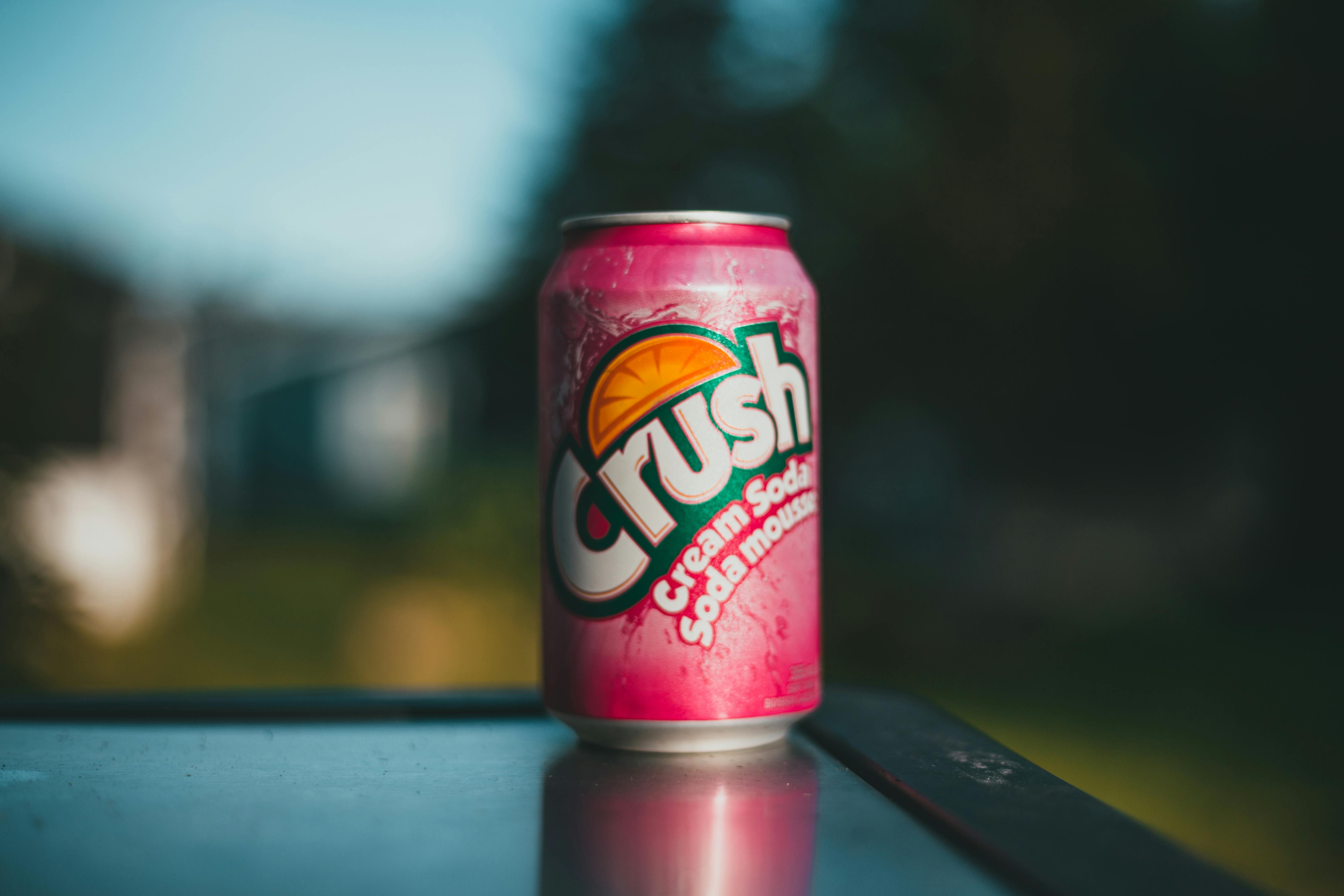
What makes this story resonate is not simply that a lime soda is returning. It is that brands are learning how much value can remain in products they once left behind. A discontinued drink is not always dead inventory from the past. In the right cultural moment, it can become a fresh event with real business potential.
Crush's revival reflects a larger shift in how companies think about legacy products. Instead of treating old flavors as outdated, more brands now see them as assets that can be reintroduced to meet current consumer behavior. People are seeking comfort, familiarity, and small moments of joy in everyday purchases, and nostalgic food and drink fit that demand extremely well.
Whether Crush Lime becomes a permanent fixture or remains a limited release, its return says something important about today's market. Consumers do not just want the newest thing. They also want the thing they missed, remembered, or never got the chance to try the first time around.
That is why this comeback matters beyond a single bottle. It shows how memory, marketing, and taste now work together in the modern soda business, turning a long-lost 1990s flavor into a timely and smart return.




Leave a Reply