
The difference has been hiding in plain sight. What many Americans are only beginning to notice is that Canada's food system has often been stricter, simpler, and more consumer-focused for decades.
Canada built a more precautionary food culture

The clearest reason Canada has been quietly outperforming the United States on food quality is philosophical. Canadian regulators have generally taken a more precautionary approach, especially when ingredients, additives, and production methods raise unresolved concerns. In the United States, regulators have often allowed the market to move first and intervene later.
That difference matters at the grocery shelf. Health Canada and the Canadian Food Inspection Agency have long operated in a system where government oversight is expected, not treated as an obstacle to business. In practice, that has meant more caution around food additives, labeling, and contamination controls. Consumers may not see that machinery, but they feel its effects in what ends up on the plate.
This is not to say Canada's system is perfect. It is not. But compared with the United States, where food regulation is split among agencies and often shaped by lobbying battles, Canada has maintained a more coherent public-health orientation. That consistency has helped create a food environment where quality is less dependent on whether consumers have the time to decode every package themselves.
A good example is the treatment of food ingredients that trigger debate in the U.S. market long before rules catch up. Canada has repeatedly moved more cautiously on certain dyes, additives, and claims, reflecting a broader belief that food policy should prevent problems rather than merely react to them after public pressure builds.
Ingredient standards often favor simpler food
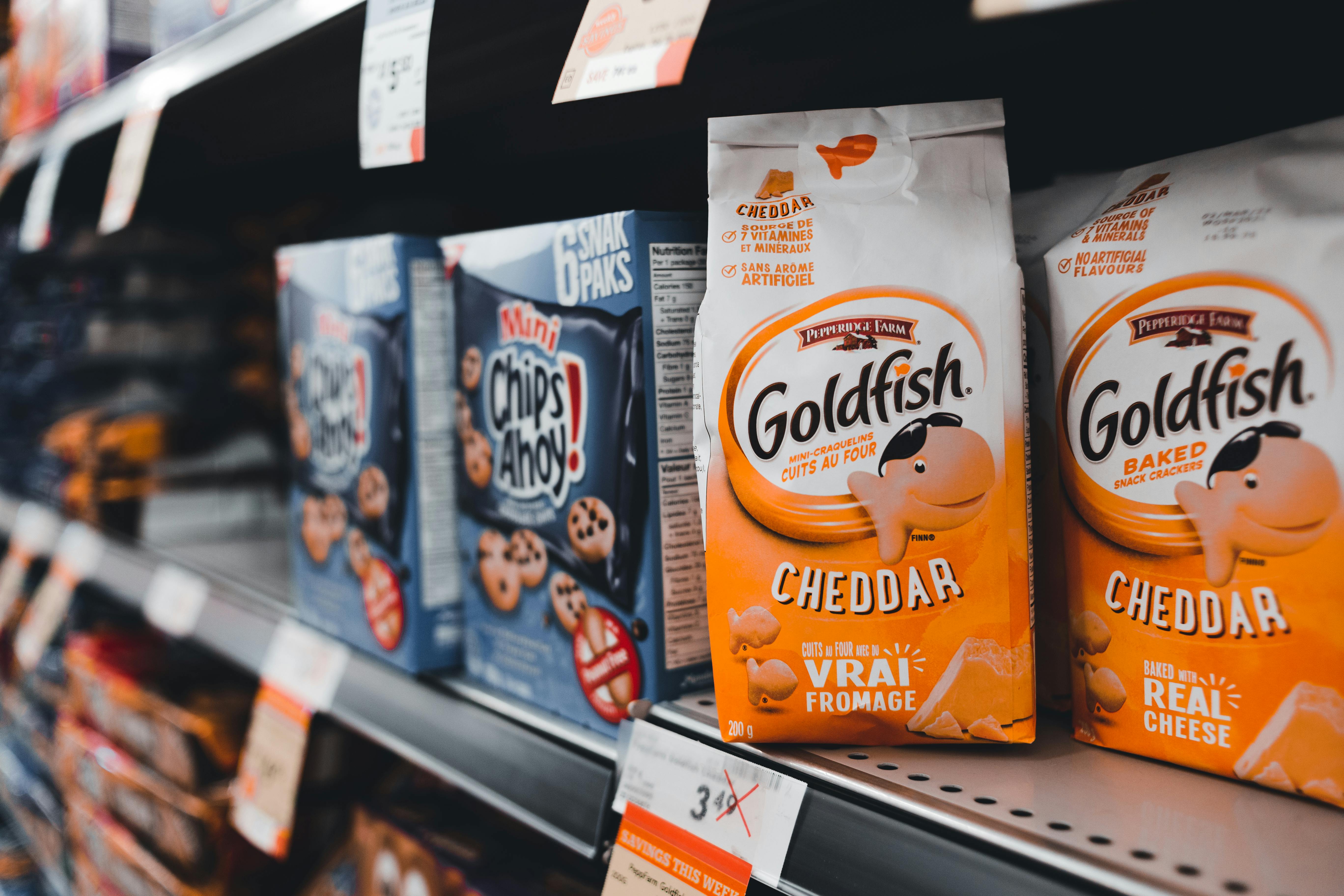
One of the most noticeable differences between Canadian and American food products is not always the brand name but the ingredient panel. Many foods sold in Canada contain fewer artificial colors, fewer preservatives, and less aggressive use of ultra-processed formulations than comparable U.S. versions. Americans who compare side by side versions of bread, ketchup, cereal, or snack foods often notice the contrast immediately.
Part of this comes from regulation, but part of it comes from market expectations. Canadian shoppers have for years shown strong demand for products that feel closer to basic food and less like manufactured chemistry. As a result, companies frequently reformulate products for Canada, even when they continue selling more additive-heavy versions in the United States.
Artificial food dyes are one area where the contrast has become especially visible. Public concern in the U.S. has risen sharply in recent years, yet many Canadians have long bought products made with different coloring systems or less dye-intensive formulations. The same pattern appears in dairy, baked goods, and children's foods, where packaging and composition often lean more conservative north of the border.
Labeling rules also help. Canadian bilingual packaging forces a certain discipline in how products communicate ingredients and claims, while nutrition and ingredient disclosure has generally been easier for average shoppers to parse. The result is not that every Canadian product is healthier, but that the baseline standard often starts from a more restrained formulation philosophy.
Dairy, meat, and farming rules tell a bigger story

If you want to understand why Canadians often trust their food more, look at the farm level. Canada's supply-managed dairy system is controversial in trade politics, but it has also reinforced a more controlled domestic model centered on standards, traceability, and stable production. That has shaped not just price debates but perceptions of quality.
One issue Americans frequently raise is the use of recombinant bovine growth hormone, or rBGH. Canada did not approve it for dairy cows, citing animal health concerns and broader caution. The United States took a different route, and even though many American brands later shifted away from it due to consumer demand, Canada's earlier decision became part of a wider image of stricter oversight.
Meat inspection and animal disease controls have also played an important role. The Canadian Food Inspection Agency has built a reputation for centralized monitoring and rapid response, even when facing the same global pressures that affect the U.S. food chain. Canada has hardly avoided recalls, but its inspection culture has often seemed more directly connected to public confidence.
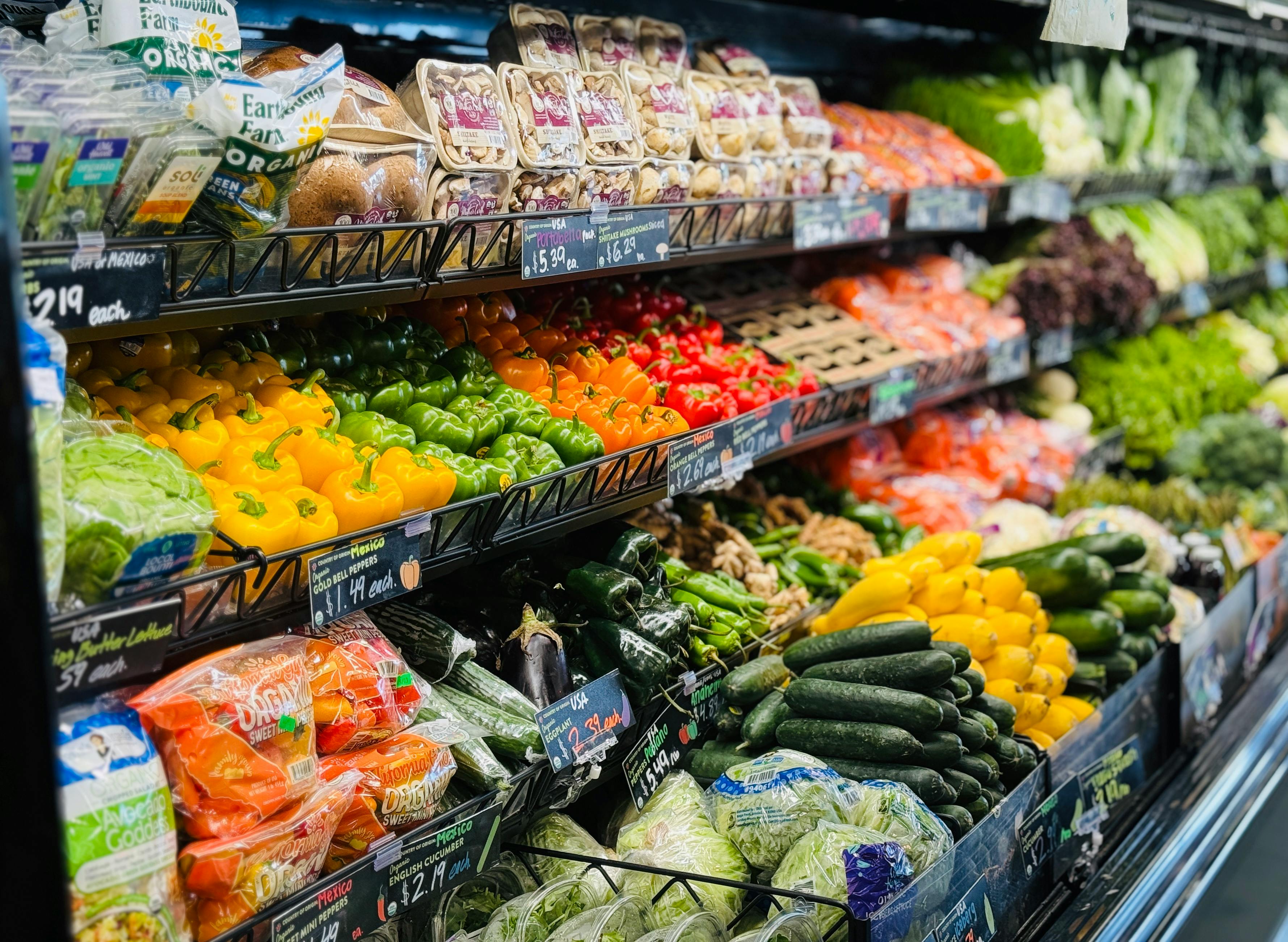
Produce standards tell a similar story. Canadian consumers are used to stronger conversations around pesticide limits, import inspection, and quality grading, especially in heavily regulated grocery channels. The result is not a fantasy of perfect food. It is a system where farm policy, inspection, and consumer trust are more closely linked than they often are in America.
Processed food became America's weakness
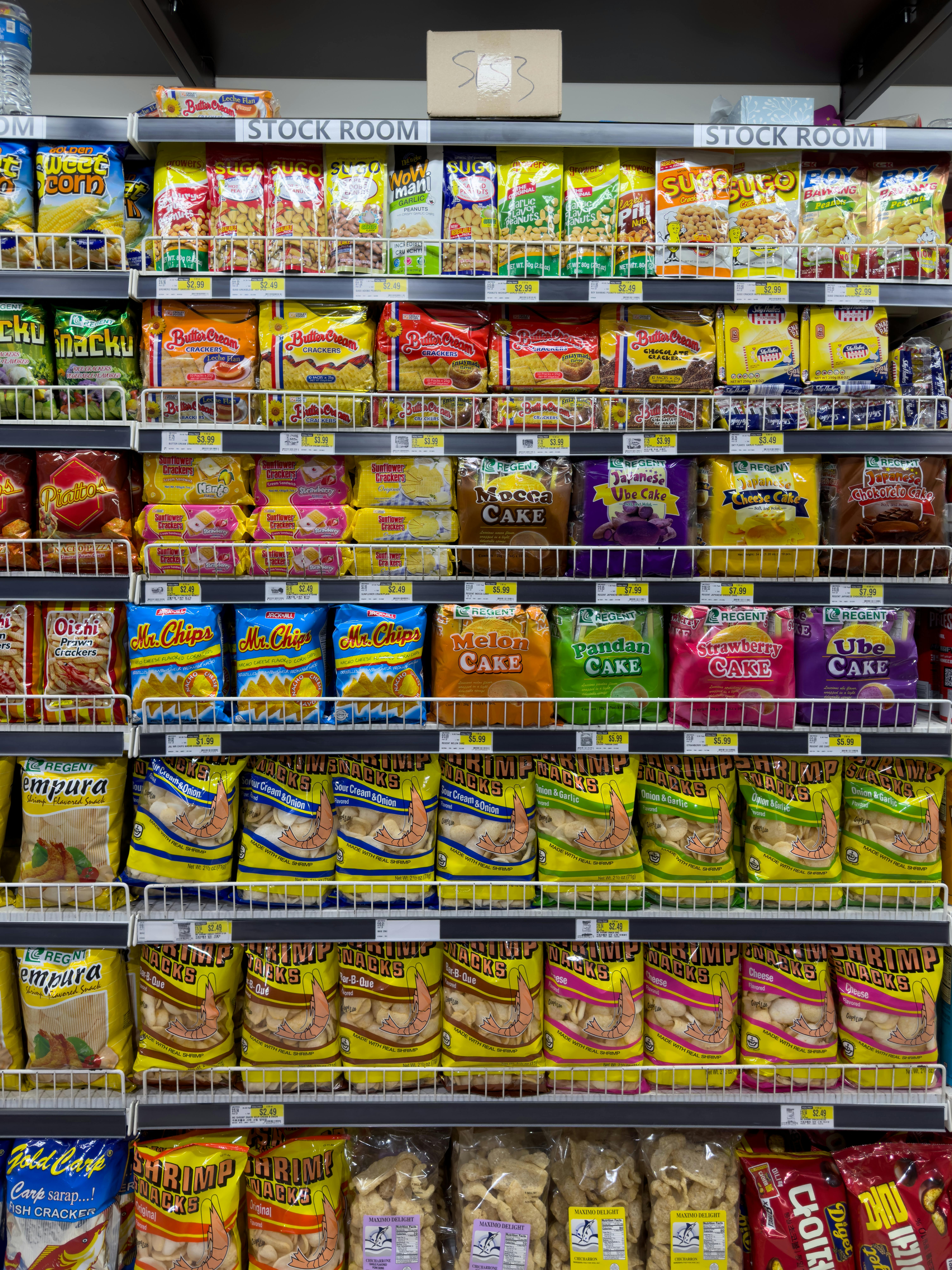
America's food system excels at scale, speed, and convenience. It is remarkably efficient at delivering massive volumes of cheap calories across a huge market. But that same strength became a weakness when processed food turned from occasional convenience into the default diet, bringing higher sodium, more additives, larger portions, and a flood of products engineered for shelf life rather than ingredient integrity.
Canada was never immune to that shift, but it moved through it differently. Canadian public-health messaging has often been more direct about limiting sodium, sugar, and heavily processed foods. The country's food guide revisions drew international attention for emphasizing whole foods, cooking habits, and water over industry-friendly compromises. In the U.S., nutrition guidance has often been more politically contested and more vulnerable to commercial influence.
The supermarket experience reflects this divergence. In many American stores, the center aisles became dominated by hyper-palatable products in endless flavor variations, with health claims layered over heavily modified formulas. Canadian grocery retail carries plenty of the same products, yet the overall market has been somewhat less extreme in its dependence on engineered processed food as the organizing center of modern eating.
This matters because food quality is not only about contamination or legal ingredients. It is also about whether the food environment nudges people toward something recognizably edible. On that measure, Canada has often done a better job of preserving a middle ground between convenience and actual food.
Americans are noticing through comparison and trust

What changed is not Canada's system so much as American awareness. Cross-border travel, social media comparisons, and viral ingredient-panel posts have shown consumers that the same multinational brand can sell noticeably different products in the two countries. Once people see that a Canadian version has fewer additives or a shorter ingredient list, the question becomes obvious: why not here?
Distrust in American institutions has amplified that reaction. Repeated debates over food dyes, ultra-processed meals, pesticide residues, and industry lobbying have left many consumers feeling that federal oversight is too slow or too compromised. In that environment, Canada looks less like an abstract foreign market and more like a practical proof that stricter standards are possible without breaking the food economy.
Recent reporting from Reuters and major North American outlets has highlighted the broader shift in consumer thinking. Americans are increasingly reading labels, questioning manufacturing practices, and challenging the assumption that convenience should outweigh formulation quality. Parents in particular have become more alert to what differs in cereals, snacks, and packaged lunches sold just across the border.
There is also a psychological element. Canadians have long treated food regulation as a normal public good, while Americans have often framed it as a political fight over freedom and cost. As trust erodes in the U.S., more consumers are reconsidering whether lower prices and bigger portions were ever a good bargain.
Canada's advantage is real, but it is not accidental
Canada did not stumble into a better food reputation. It built one through a mix of regulation, consumer expectations, agricultural policy, and a less permissive attitude toward what food companies should be allowed to normalize. That edge can be overstated at times, especially because Canada still faces rising ultra-processed consumption, affordability pressures, and its own public-health challenges.
Still, the broad comparison holds up. Canada has generally maintained tighter boundaries around ingredients, stronger public trust in oversight, and a food culture that resists some of the excesses that defined the American market. That does not mean every Canadian product is superior. It means the average standard has often been more protective of consumers.
For Americans, the lesson is not that everything north of the border is magically healthier. It is that food quality is shaped by policy choices that accumulate over decades. Rules about additives, farming practices, labeling, and inspection may seem technical, but they create the everyday reality of what families buy without thinking much about it.
That is why more Americans are paying attention now. They are realizing that Canada's quieter, stricter, less flashy food system has been winning on the fundamentals for a very long time. The surprise is not that Canada pulled ahead. The surprise is how long it took the rest of North America to fully notice.




Leave a Reply