
Restaurant chains know portion psychology better than most diners do. From oversized plates to menu language that makes extras feel normal, many brands are skilled at nudging people to order and eat more without making it obvious. If you've ever left a casual restaurant feeling surprisingly full, or shocked by the bill, these common tricks help explain why.
Oversized Plates Make Servings Look Smaller
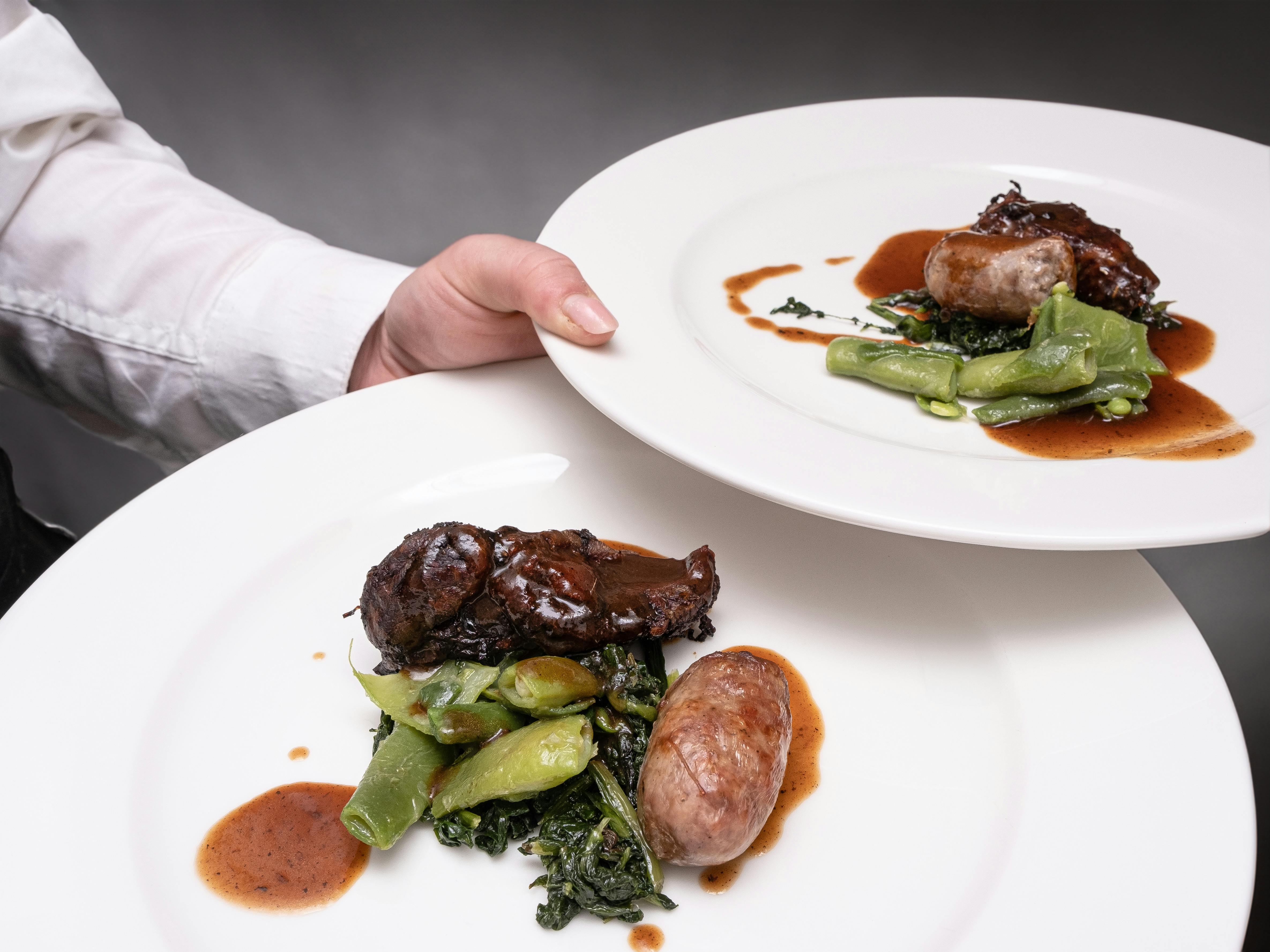
One of the oldest tricks in the book starts before the first bite. When a burger, pasta bowl, or appetizer lands on a plate with lots of empty space, the portion can look surprisingly modest even when it's packed with calories.
Researchers who study visual perception have long noted that plate size changes how people judge quantity. A serving that would look huge on a smaller dish can seem totally reasonable on a wide white plate, especially under restaurant lighting.
Chain restaurants lean into this because presentation matters. A bigger plate also gives food more visual drama, making the meal feel polished and premium while quietly reducing the odds that customers will clock just how much they are about to eat.
Combo Meals Turn Extra Food Into the Default
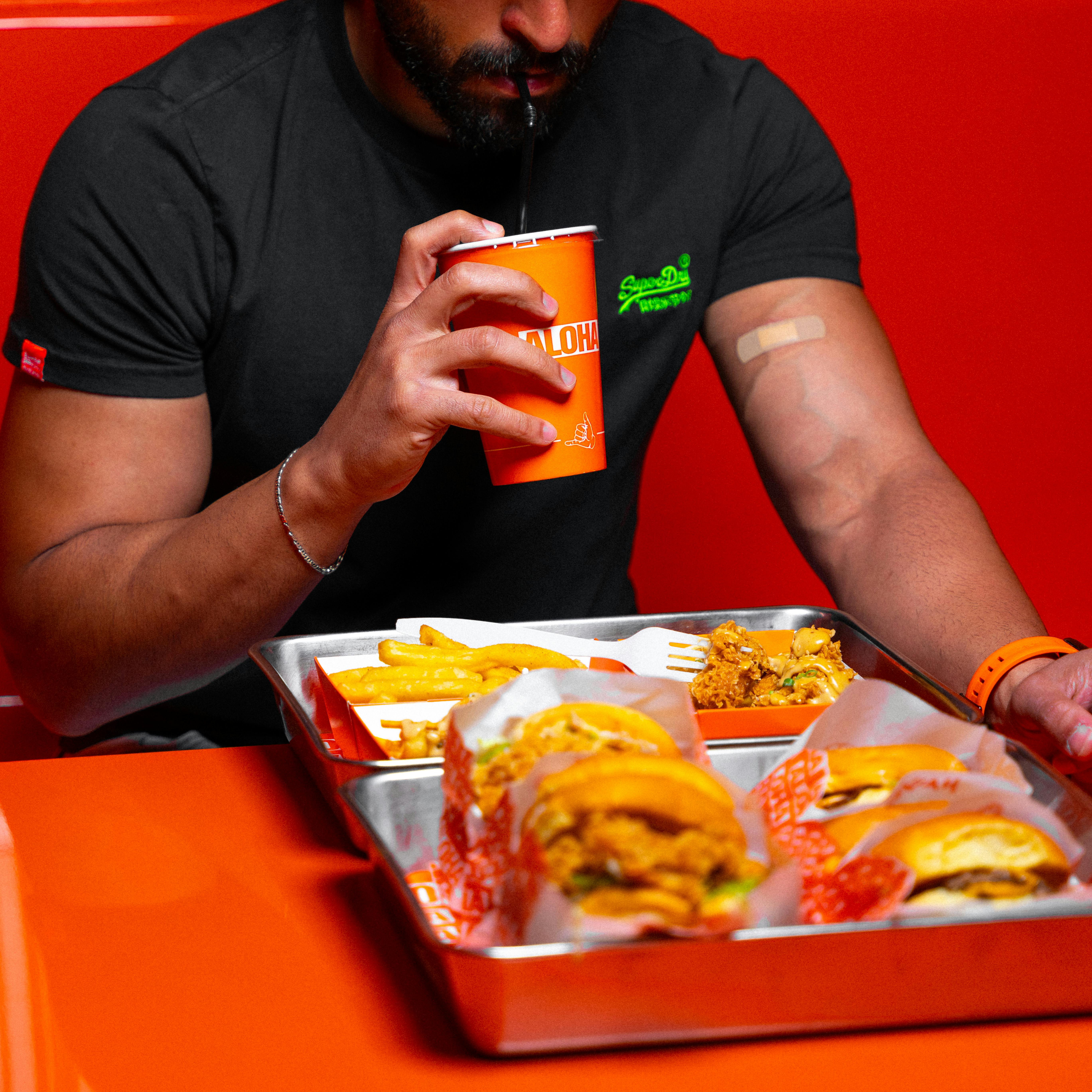
What looks like convenience is often a portion nudge in disguise. Combo meals bundle fries, a drink, and sometimes dessert or sides into one neat package, making a larger meal feel like the standard order instead of an upsell.
This works because people compare the combo to the price of ordering items separately, not to whether they wanted all that food in the first place. The added items feel like value, even when they push the meal far beyond what many adults need.
In Canada, where diners are also watching food prices closely, the word value can be especially persuasive. Chains know that once extras are framed as part of the normal meal, a smaller à la carte option can oddly seem like the worse deal.
Bottomless Refills Encourage More Consumption
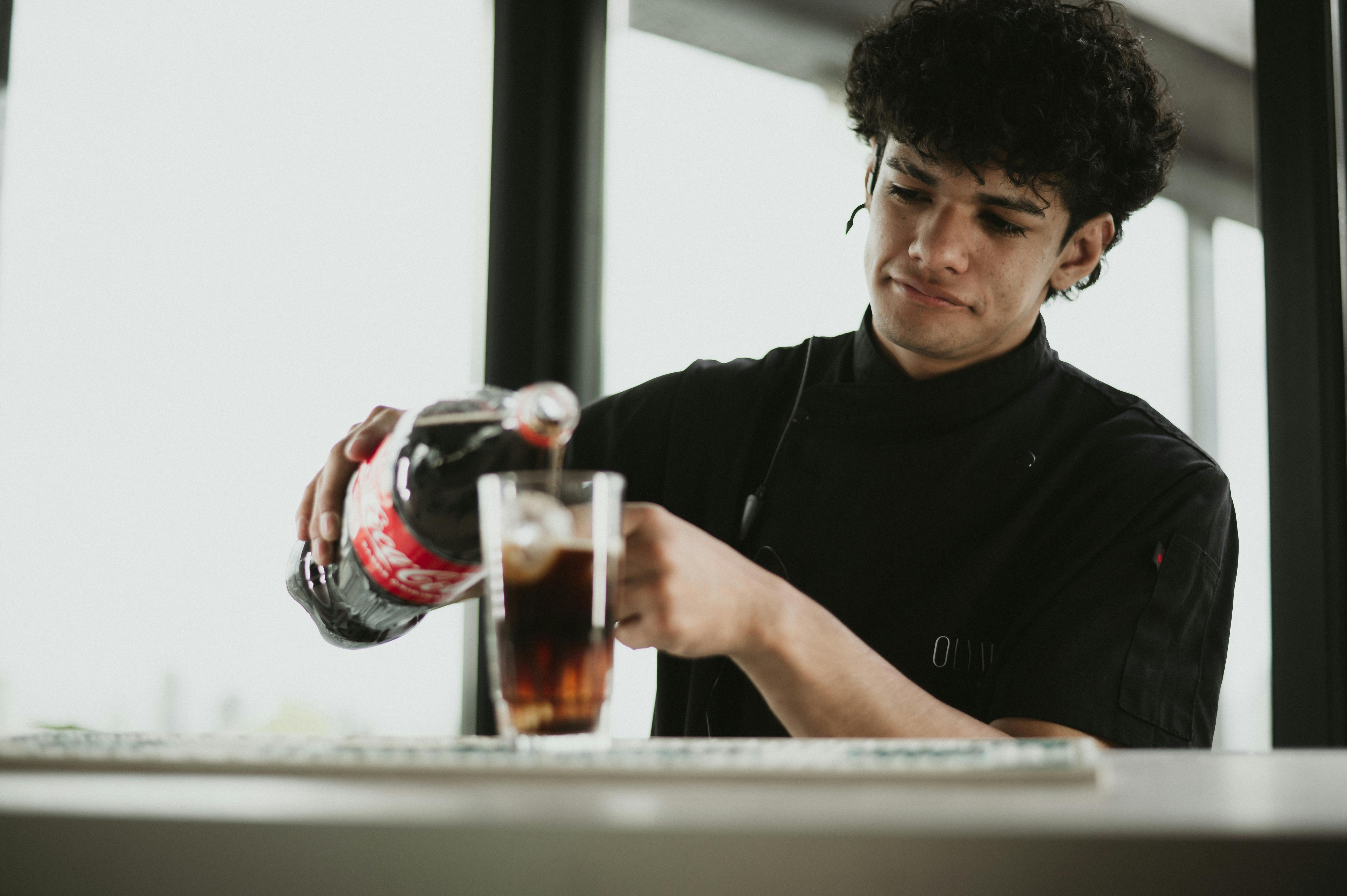
Free refills sound generous, and that is exactly why they work. Whether it's soda, coffee, soup, or bread, the promise of endless top-ups makes people consume more simply because the next serving is easy and already paid for.
Refill culture changes pacing. Diners often keep sipping or nibbling while talking, waiting, or deciding on dessert, and that passive eating can add up fast without the same mental stop sign that comes with placing a second order.
Chains benefit because refillable items are often inexpensive compared with the menu price attached to the meal. A few extra glasses of pop or another basket of bread can make the experience feel abundant, while also nudging appetite, thirst, and spending in the rest of the order.
Menu Photos Make Portions Seem Manageable
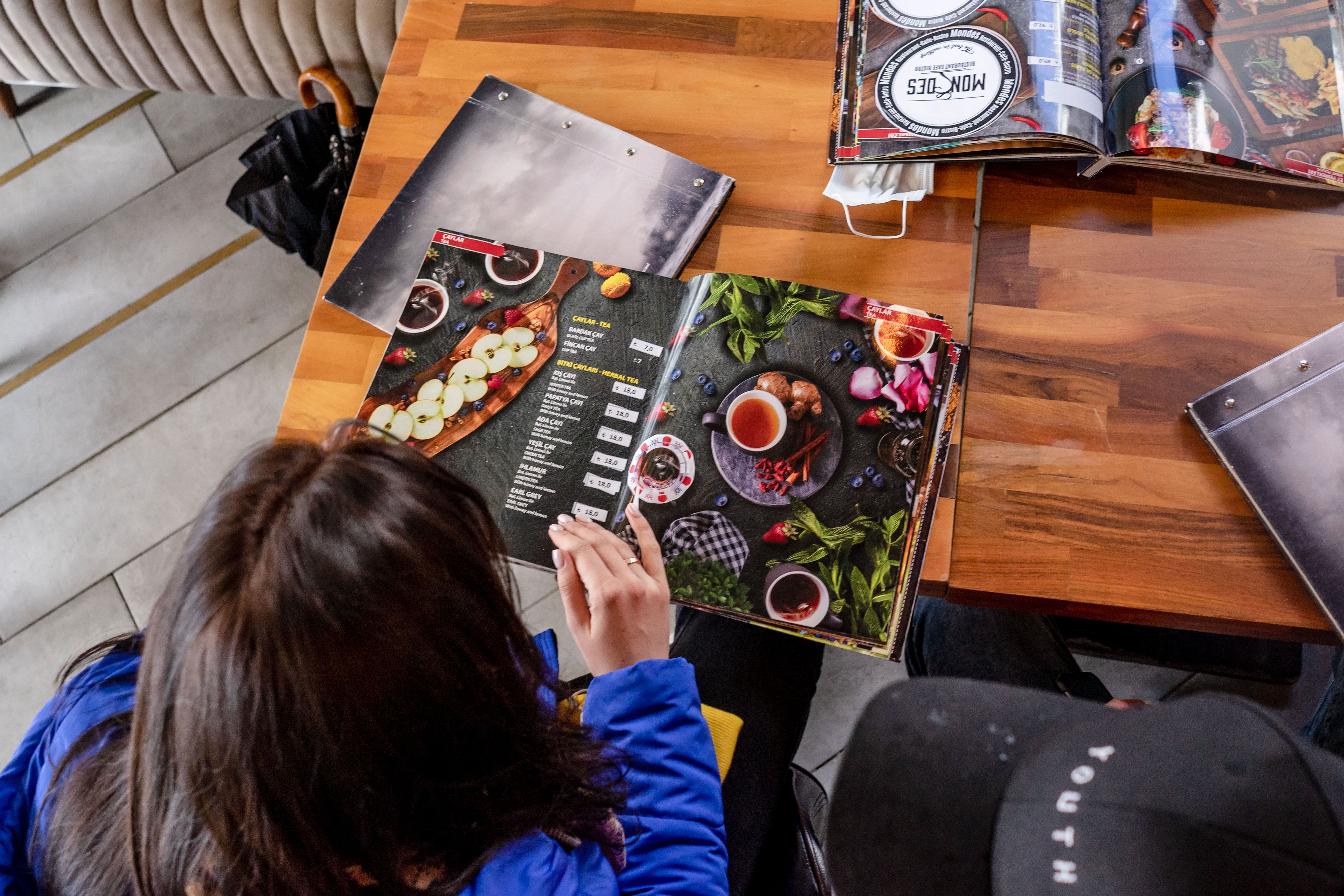
A glossy menu image does more than make food look tasty. It also sets expectations about size, and those images are carefully styled so rich, oversized dishes appear balanced, appealing, and easier to finish than they really are.
Food stylists use camera angles, garnishes, and spacing to control perception. A towering stack of pancakes or a loaded pasta bowl can look neat and shareable in a photo, even when the real plate arrives as a meal that could feed two people.
Chain restaurants rely on this visual shorthand because it reduces hesitation. If the picture looks approachable, customers are less likely to question the portion, calorie load, or whether they should split it, and more likely to order on impulse.
Appetizers Are Sized Like Main Courses
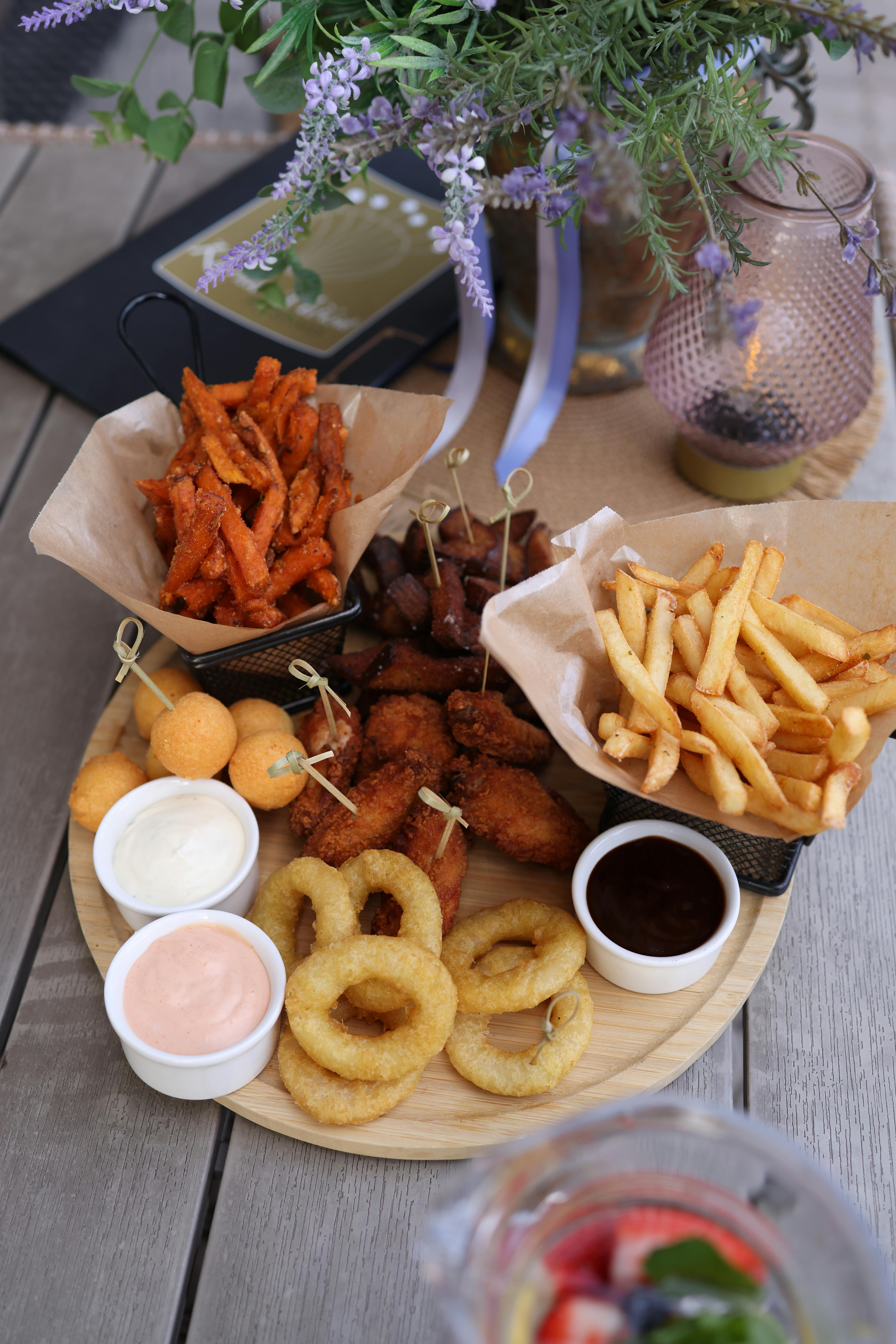
The word appetizer suggests a small beginning, but at many chains, starters are anything but small. Nachos, spinach dip, loaded potato skins, and fried sampler platters often carry the weight of an entire meal before entrées even arrive.
This matters because labels influence expectations. People order an appetizer thinking of it as a warm-up, not a serious portion, which makes it easy to overlook how much food is hitting the table in the first 15 minutes.
For restaurants, supersized starters are smart business. They raise the bill early, keep diners engaged, and can stimulate thirst for more drinks. By the time the main course arrives, many guests are already partly full but still committed to finishing what they ordered.
Add-Ons Quietly Inflate the Meal
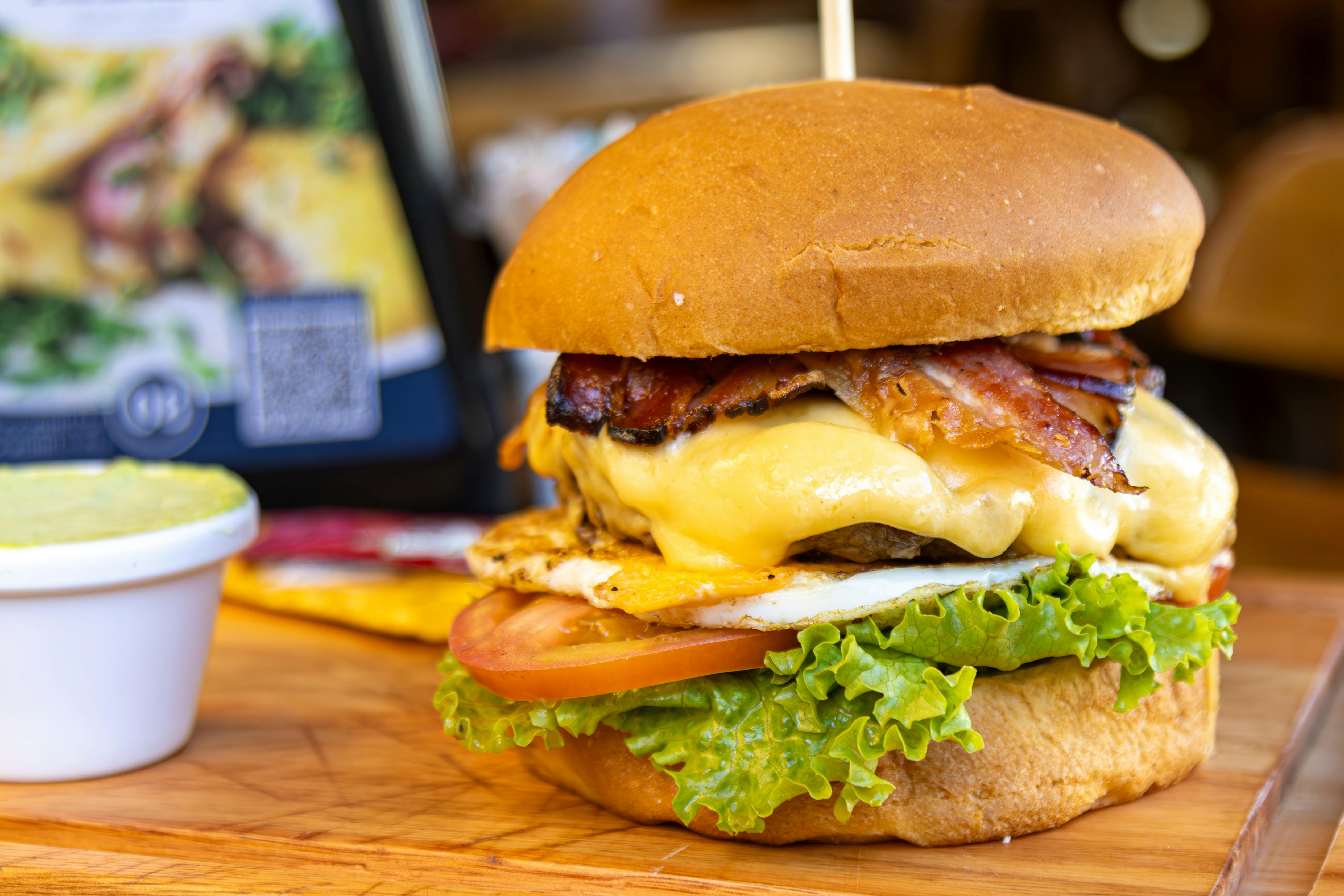
A little extra here, a little upgrade there, and suddenly lunch has doubled in size. Extra cheese, bacon, avocado, side gravy, double protein, and premium toppings can turn a straightforward entrée into a much heavier portion without ever sounding excessive.
The reason this works is simple. Add-ons are framed as personalization, and people like feeling in control of their meal. But each add-on changes the total volume, richness, and calorie count while making the dish feel more indulgent and harder to leave unfinished.
Chains train staff and design digital ordering screens to make these extras feel seamless. Because each choice seems minor on its own, customers often miss the cumulative effect until the plate arrives noticeably larger than the meal they thought they ordered.
Beverage Sizes Normalize Oversized Servings
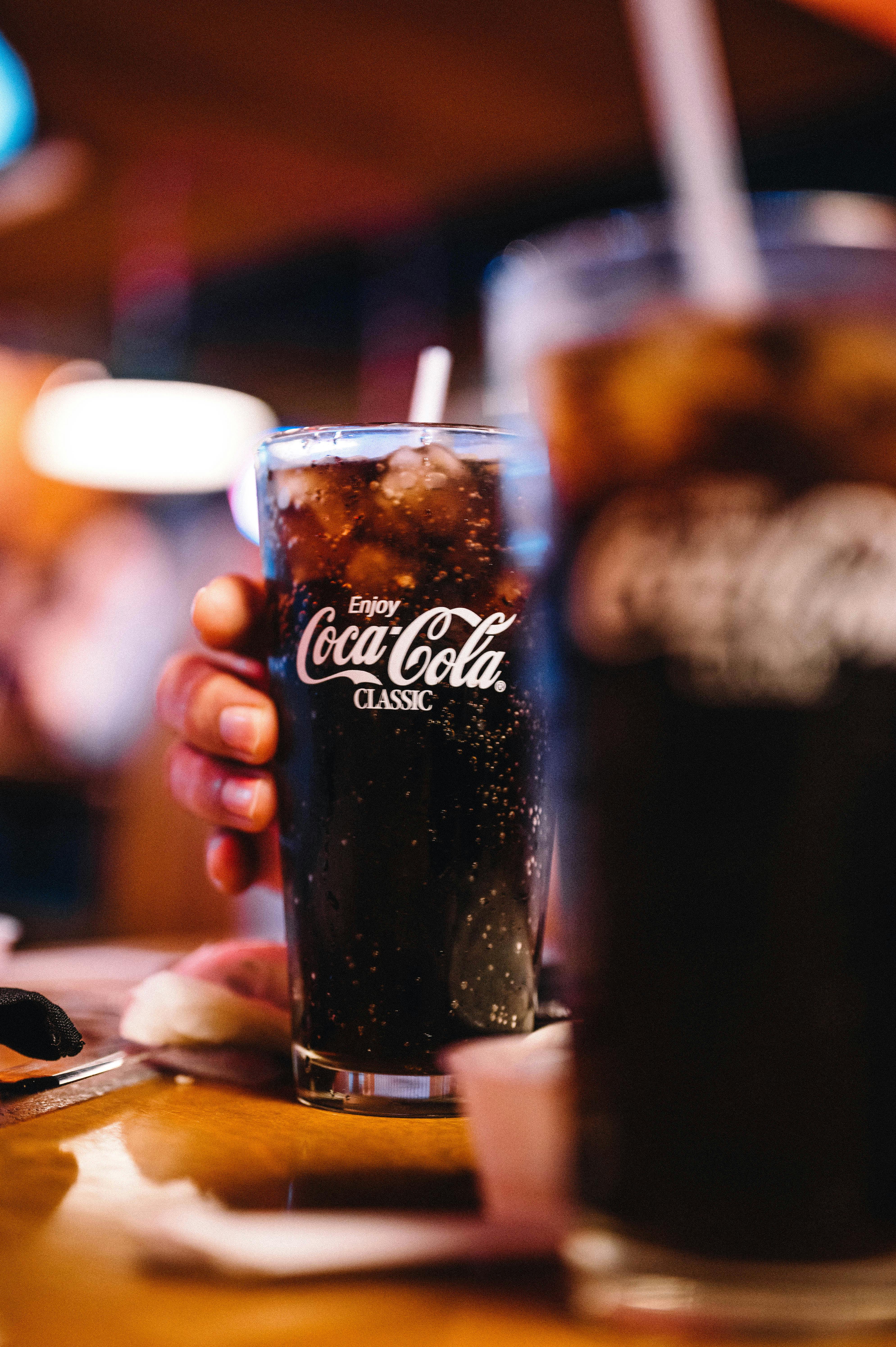
Drink sizes have crept up so much that what once counted as large can now be marketed as regular. In many chain restaurants, a standard soft drink or specialty beverage delivers far more liquid, sugar, or calories than diners would pour at home.
The trick is normalization. When everyone around you has a giant glass, it stops looking giant. Ice, tall cups, and free refills also make the serving feel casual, even though the total intake can rival a snack or dessert.
This matters in Canada too, where specialty coffees, shakes, and fountain drinks remain a profitable part of restaurant sales. A bigger drink not only boosts margins, it anchors the rest of the meal, making a large burger-and-fries combo feel proportionate rather than excessive.
Limited-Time Specials Lower Your Guard

Scarcity changes how people decide, and chain restaurants know it. A limited-time burger, festive dessert, or playoff platter can make a huge portion feel like a fun one-off treat rather than an oversized meal you'd normally question.
Seasonal language adds to the effect. Words like special, celebration, and fan favourite create urgency and emotion, which can override the usual pause people have when a dish seems too rich or too large.
These promotions are often built for attention, not restraint. Bigger portions photograph better, feel more exciting, and justify a premium price. Because the item won't be around forever, customers are more likely to order first and think about the sheer size of it later.
Shareables Often Encourage Everyone to Eat More
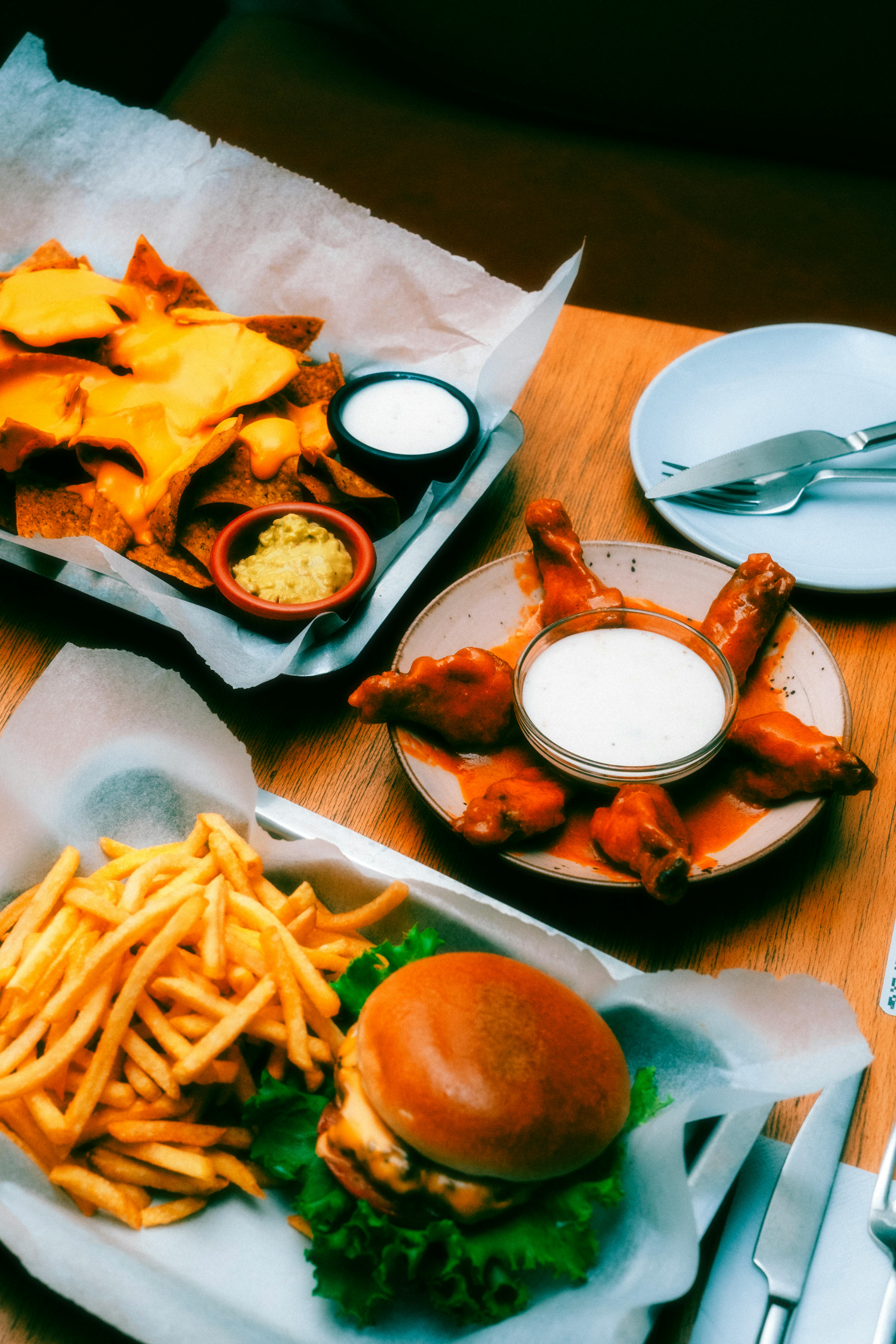
The word shareable sounds sensible, but it can hide just how large a dish really is. Big baskets of wings, family-size nachos, and table fries create a low-friction eating situation where people keep reaching in without tracking how much they have had.
Shared food also blurs responsibility. When no one has their own plate of the item, consumption feels lighter and less deliberate, even though the table may polish off the equivalent of several individual servings.
Chains love shareables because they increase both volume and sociability. The dish becomes part of the experience, especially during sports nights or group dinners, and that relaxed, communal mood makes portion awareness drop fast while orders for drinks and mains keep climbing.

Leave a Reply