
A first date order is rarely just about hunger. What someone chooses, how boldly they choose it, and how they handle the menu can quietly reveal confidence, flexibility, self-awareness, and even how they deal with stress. These reads are not absolute, but they are often surprisingly telling, especially when you pay attention to the little details that come with the plate.
The Salad Order
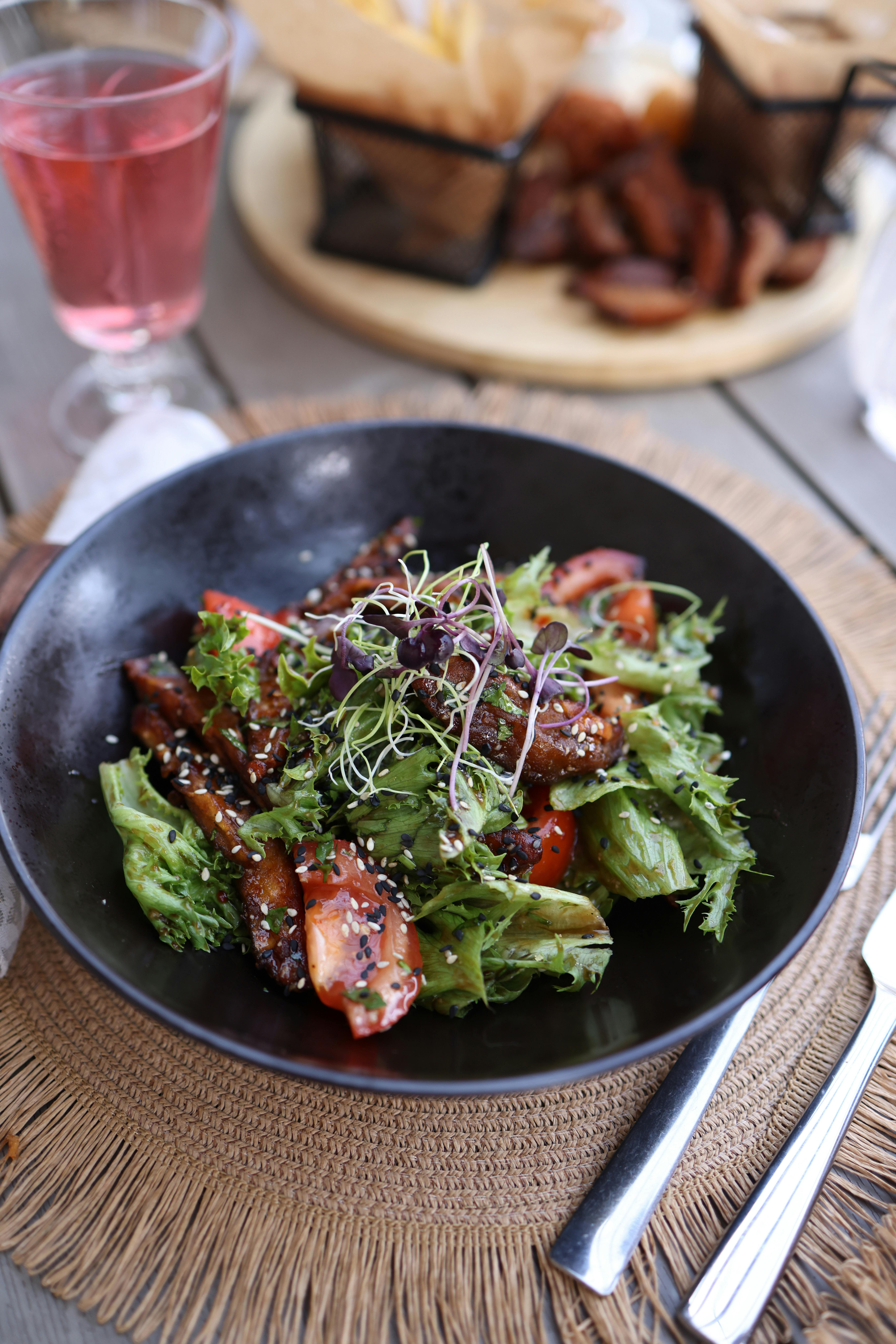
A salad on a first date often gets unfairly reduced to one idea: playing it safe. In reality, it can point to someone who likes control, knows what makes them feel good, and does not need to perform appetite for approval. That kind of choice usually reflects self-awareness more than restraint.
It can also signal social intelligence. A salad is easy to eat, low-risk, and keeps conversation moving without awkward pauses over messy bites. People who choose it are often thinking ahead, reading the setting, and trying to stay present.
The detail that matters is whether they order what they genuinely want. Confidence shows up when the choice feels relaxed, not overly calculated.
The Burger and Fries Order
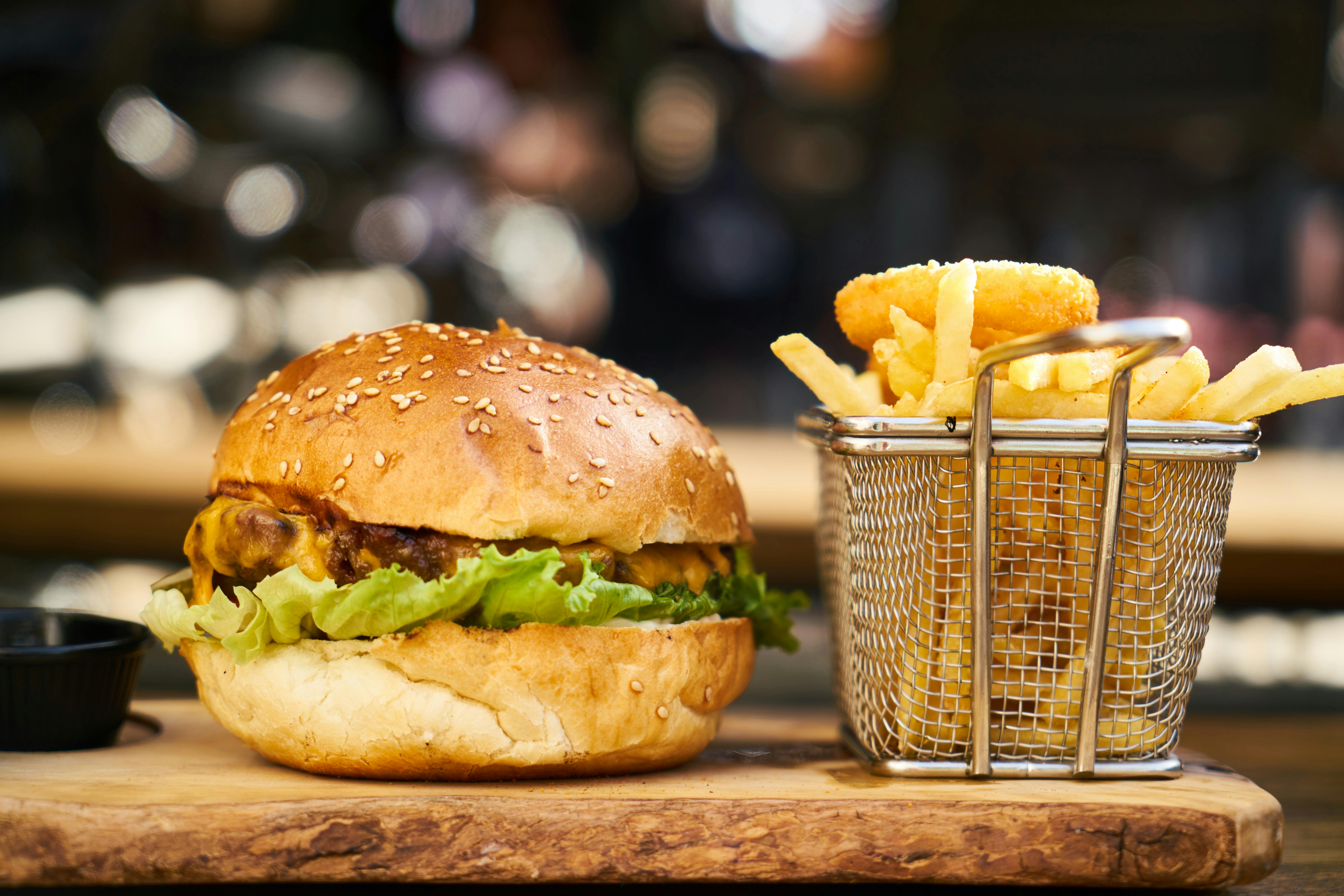
Ordering a burger and fries on a first date can be a strong sign of comfort in one's own skin. It suggests the person is not overly worried about looking polished every second and would rather enjoy the experience than curate it. That ease often reads as confidence.
There is also a practical side to this order. People who choose familiar comfort food tend to value reliability and straightforward pleasure. They may be less interested in showing off and more interested in seeing whether the conversation has real chemistry.
If they eat it without apology, that is usually the giveaway. It often points to someone grounded, direct, and less likely to overcomplicate simple things.
The Extra-Spicy Dish
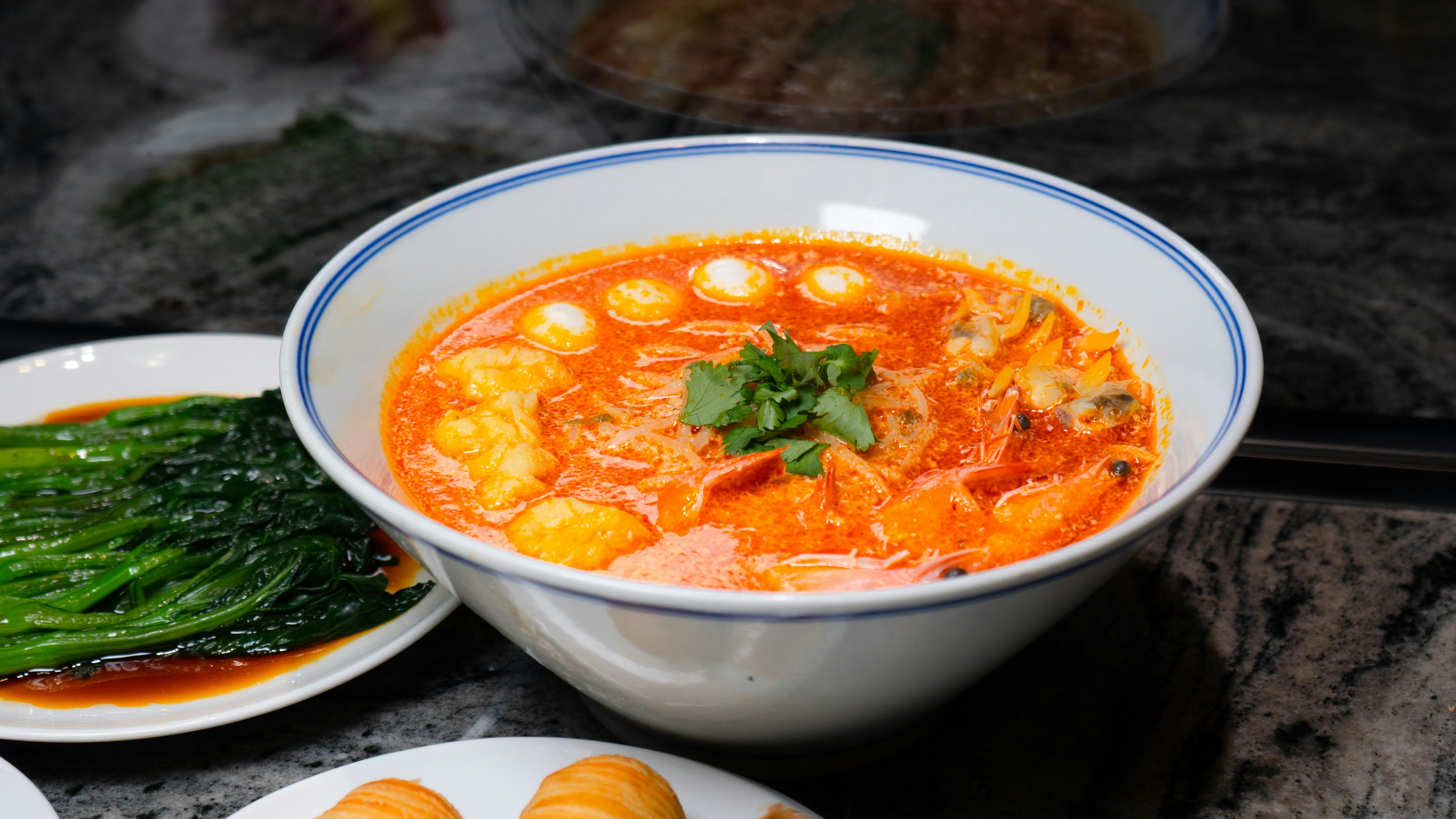
Going straight for the spiciest thing on the menu often hints at a person who likes intensity. They may enjoy novelty, chase stimulation, and have a higher tolerance for risk than the average diner. In personality terms, that can line up with adventurousness and a taste for bold experiences.
It can also reflect identity. For some people, spice is comfort, culture, habit, or a point of pride, not a stunt. The difference is easy to spot. A genuine spicy-food person orders with certainty, while a performative one tends to announce it.
Either way, this choice often reveals someone who wants flavor over safety. They are usually not afraid of making a memorable impression.
The Complicated Custom Order

A highly customized order can suggest someone who knows exactly what they want and is comfortable asking for it. That is not always a red flag. In many cases, it points to clear preferences, attention to detail, and a willingness to advocate for personal needs.
Still, tone matters more than the request itself. If they are polite and concise, the habit may reflect organization and standards. If they are demanding or dismissive toward staff, it can reveal entitlement and low patience under ordinary stress.
First dates make this especially revealing because restaurants create small moments of pressure. Watching how someone handles those moments often tells you more than the menu ever could.
The Shared Appetizer Suggestion
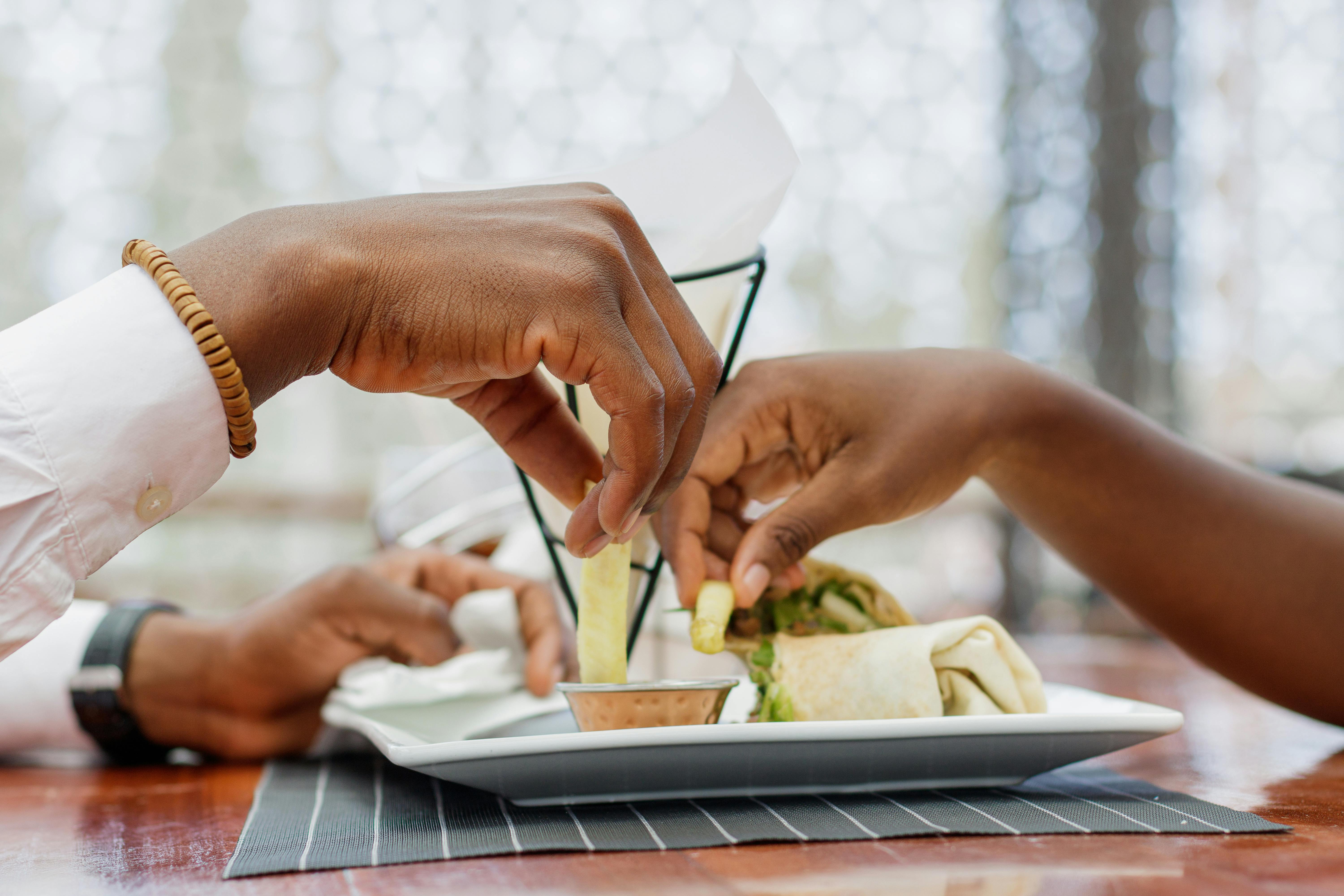
Suggesting a shared appetizer often signals someone who understands rhythm. They know a date works better when there are natural pauses, small choices, and easy ways to connect. Sharing food creates instant interaction, which can help both people settle in.
This move can also point to generosity and social confidence. It shows they are comfortable initiating a joint decision without turning it into a big deal. People who do this well often know how to make situations feel collaborative instead of formal.
The best version of this choice is thoughtful, not presumptive. Asking, rather than deciding for both people, usually reveals emotional awareness and respect for boundaries, which are excellent first-date traits.
The Cheapest Thing on the Menu
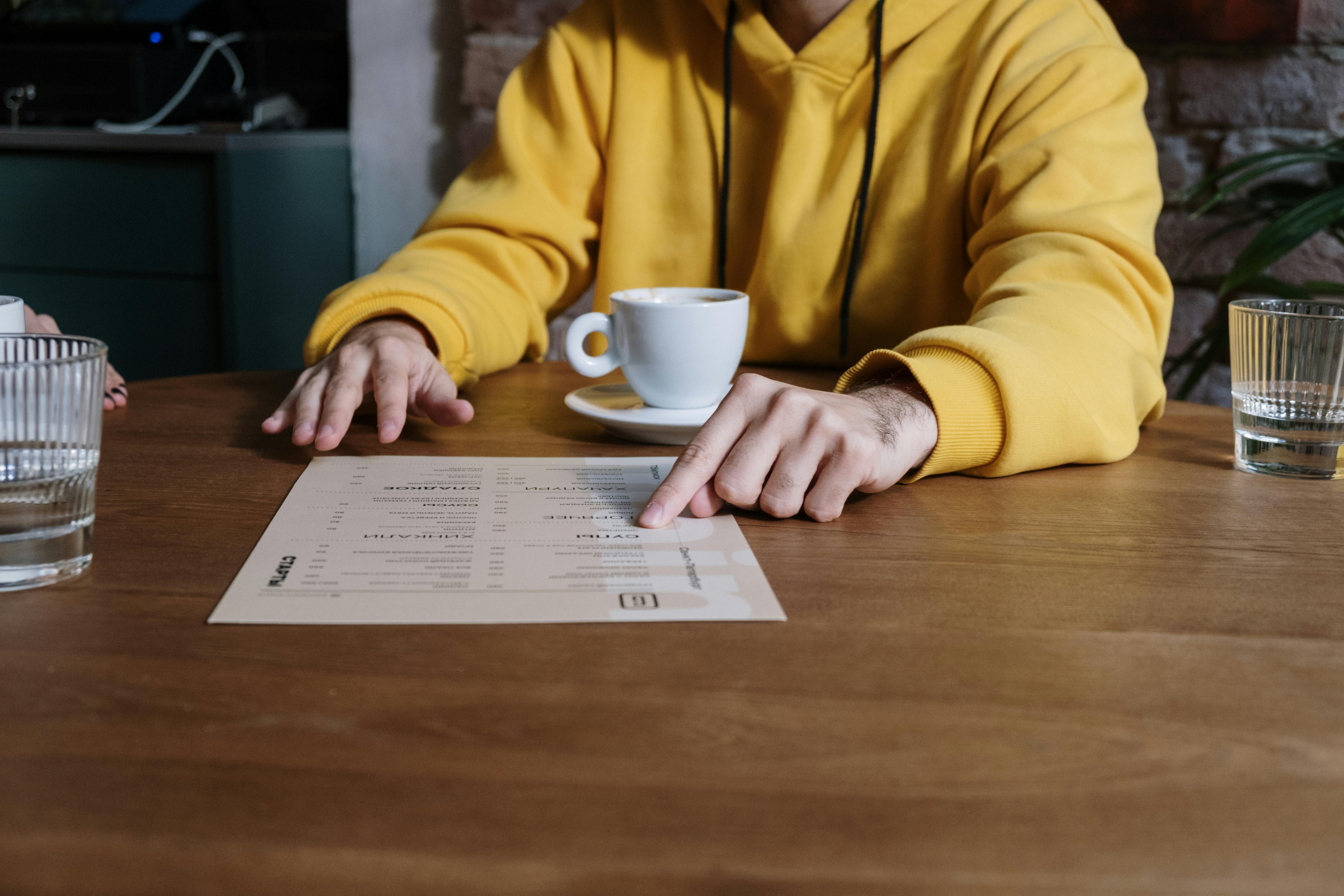
Choosing the cheapest item can reflect budget consciousness, but the meaning depends on context. Sometimes it is a simple sign of financial discipline and discomfort with excess, especially if the restaurant feels outside their usual range. That can point to humility and realism.
It may also suggest a person who is careful not to create pressure, particularly if someone else invited them. Many people are taught that ordering modestly is polite. In that case, the choice says more about consideration than insecurity.
The real clue is whether they seem relaxed about it. If they do, you may be looking at someone practical and grounded. If they seem anxious, the order might reveal concern about judgment or imbalance.
The Dessert-First Enthusiasm
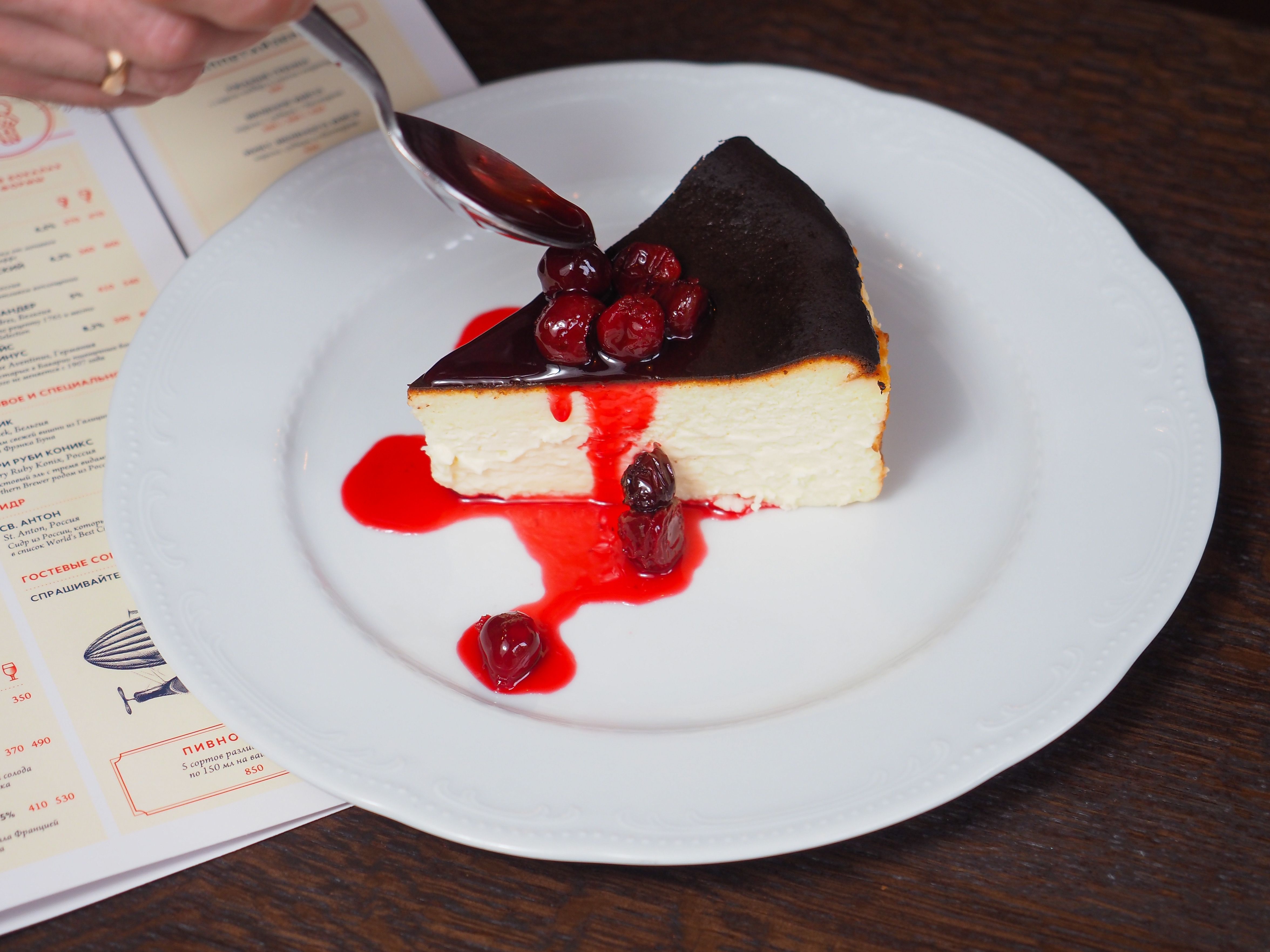
When someone lights up at the dessert menu, it often points to playfulness and a present-minded outlook. They may be the kind of person who sees pleasure as part of a good life, not a reward to be earned later. That attitude can make them feel warm and easy to be around.
Psychologically, this kind of order can also suggest lower inhibition and a greater willingness to follow genuine preference in the moment. They are less concerned with appearing disciplined and more comfortable expressing delight.
Of course, the strongest signal is not sugar itself. It is enthusiasm. People who openly enjoy small treats often bring the same openness to conversation, humor, and emotional connection.
The Water-Only Order
Ordering only water can mean many things, which is exactly why it is so revealing when paired with behavior. It may point to health consciousness, restraint, or a preference for keeping a clear head during a new interaction. Many people simply want to stay sharp and avoid alcohol's social fuzziness.
It can also reflect routine and discipline. People who skip cocktails or specialty drinks are often less swayed by atmosphere and more guided by personal habits. That does not make them rigid. It may just mean they are deliberate.
The key is whether they seem fully engaged. If the conversation is lively, water-only usually reads as calm confidence. If they seem guarded, it can hint at emotional caution too.




Leave a Reply