
For many shoppers, store brands used to feel predictable. At Loblaws, that sense of familiarity is changing in subtle ways that are only now becoming obvious.
The packaging may look better, but it is also doing more work than before
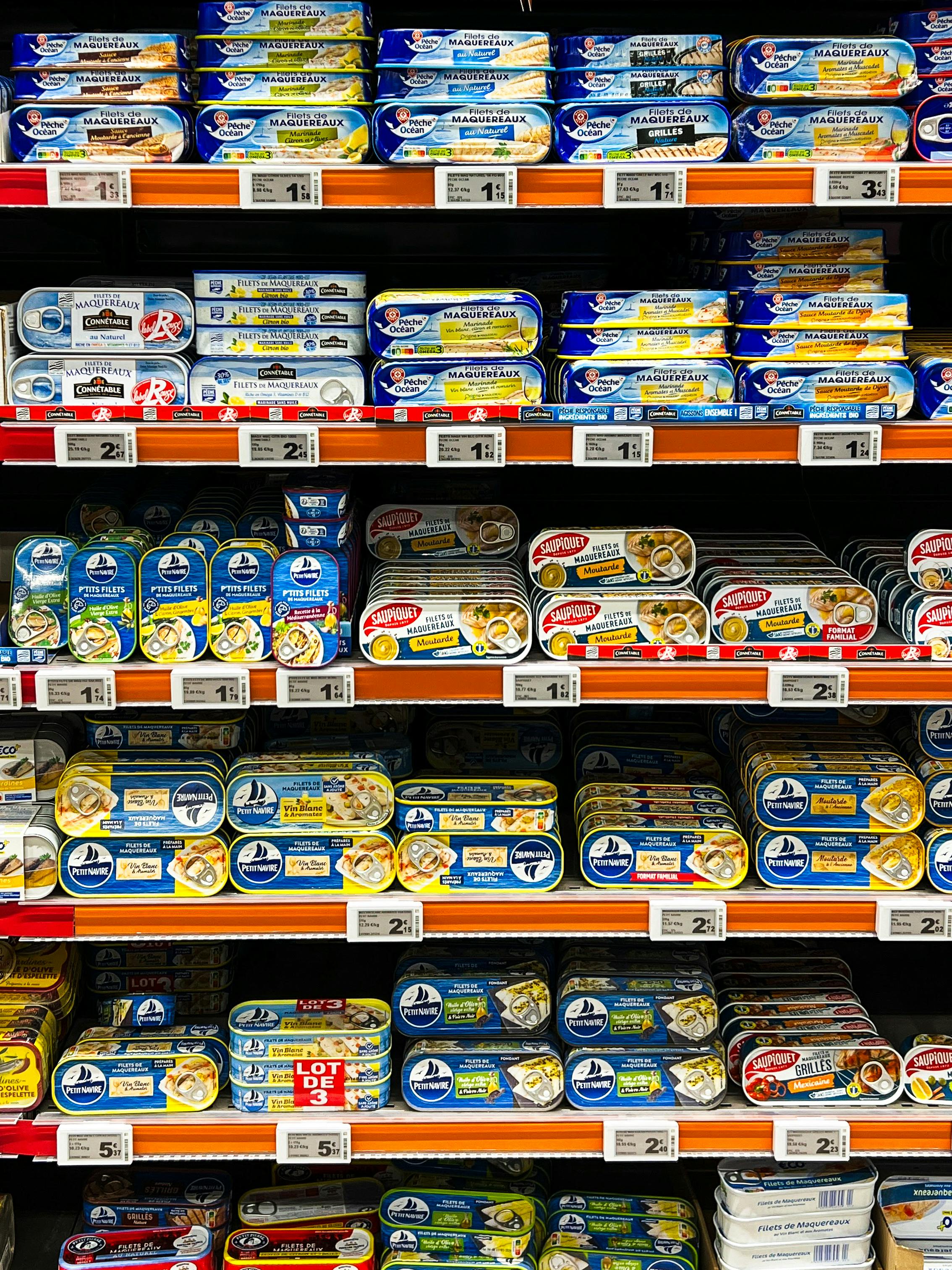
One of the clearest changes at Loblaws is packaging redesign across private-label lines like President's Choice and No Name. At first glance, many of these updates look cosmetic: cleaner labels, more modern color palettes, and a sharper shelf presence. But packaging refreshes in grocery retail usually signal more than a branding exercise. They often arrive alongside product repositioning, recipe changes, or shifts in how the company wants shoppers to perceive value.
In retail strategy, packaging is a powerful pricing tool. A premium-looking bag of frozen food or a more polished sauce jar can make a product feel worth a higher price even if the contents have changed little. Industry analysts have long noted that private-label retailers increasingly borrow visual cues from national brands to narrow the perception gap. Loblaws has been especially adept at this with President's Choice, which has spent years occupying a middle ground between budget products and premium branded goods.
For shoppers, the effect is subtle but important. Familiar products can seem "improved" before anyone checks the weight, ingredients, or unit price. That matters because packaging can soften consumer resistance to other changes happening quietly at the same time. When loyal buyers say a store brand feels different, they are often reacting not just to what is in the package, but to how the package is telling them to value it.
Smaller sizes are making higher prices easier to miss

The change many shoppers notice last is often the one that affects them most: package size. Across the grocery industry, manufacturers and retailers have leaned on shrinkflation, reducing quantity while keeping sticker prices similar or raising them modestly. Loblaws has not been alone in this, but private-label products are supposed to be the place where shoppers recover some value. That is why smaller store-brand sizes stand out more once people begin comparing old and new formats.
A box that once held a little more cereal, a bag with fewer frozen pieces, or a pantry staple that drops by tens of grams may not trigger immediate alarm. Most customers shop quickly and rely on visual memory rather than exact measurements. Retail experts have repeatedly said that consumers are more sensitive to a direct price increase than to a modest reduction in quantity, which is why pack-size changes can be effective from a retailer's perspective.
For households watching every dollar, however, the math eventually becomes hard to ignore. Unit pricing reveals whether the "cheap alternative" is still meaningfully cheaper. As inflation has squeezed food budgets in Canada, more shoppers have started reading shelf labels closely and sharing side-by-side comparisons online. That is when the quiet resizing of store-brand products becomes a much bigger story, because it challenges the assumption that private labels automatically deliver the best deal.
Some recipes are changing, and shoppers can often taste the difference
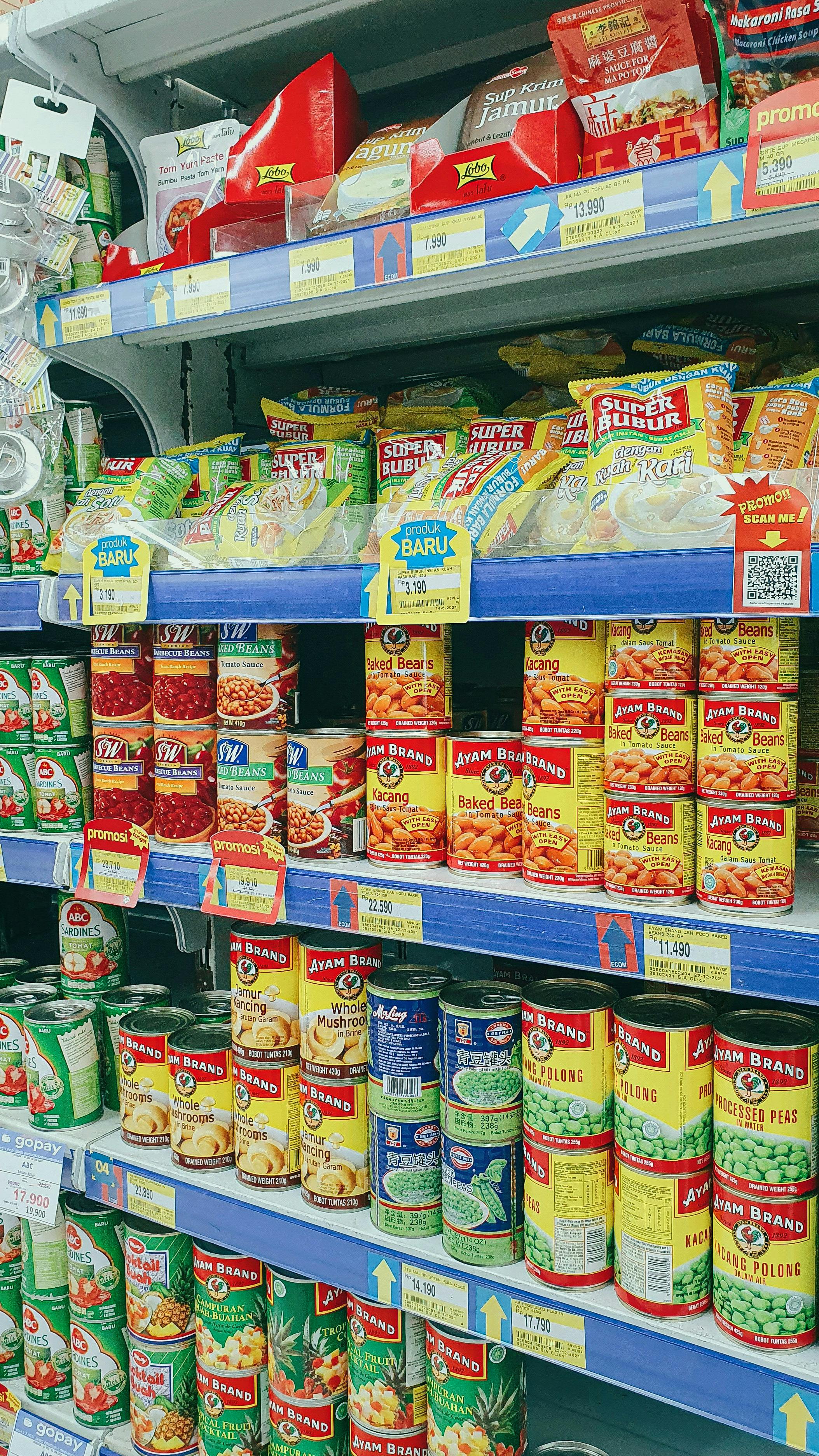
A product can keep the same name and still become something meaningfully different. That is another shift some Loblaws shoppers have been picking up on: reformulation. In grocery retail, recipe changes happen for many reasons, including ingredient costs, supply disruptions, nutrition targets, and attempts to improve shelf life. But when a trusted store-brand item changes texture, sweetness, salt level, or cooking performance, loyal buyers notice quickly.
Private-label reformulation became more common during the years of supply-chain strain and elevated commodity prices. Oils, cocoa, dairy inputs, wheat, and packaging materials all became more volatile in cost. Retailers had choices to make: raise prices sharply, reduce package sizes, or adjust formulations. Often, they did some combination of all 3. A frozen entrée may use a slightly different sauce base. A snack may swap oils. A baked product may rely more heavily on stabilizers or alternative ingredients.
These changes do not automatically mean a product is worse. In some cases, nutrition improves or allergens are reduced. But the issue for shoppers is consistency. People buy store brands repeatedly because they trust the product to behave the same way each time. Once that trust is disrupted, even small changes can feel outsized. A pasta sauce that tastes sweeter or a cracker that breaks differently can make customers wonder what else has changed quietly behind the label.
The value ladder inside the store is being carefully re-engineered
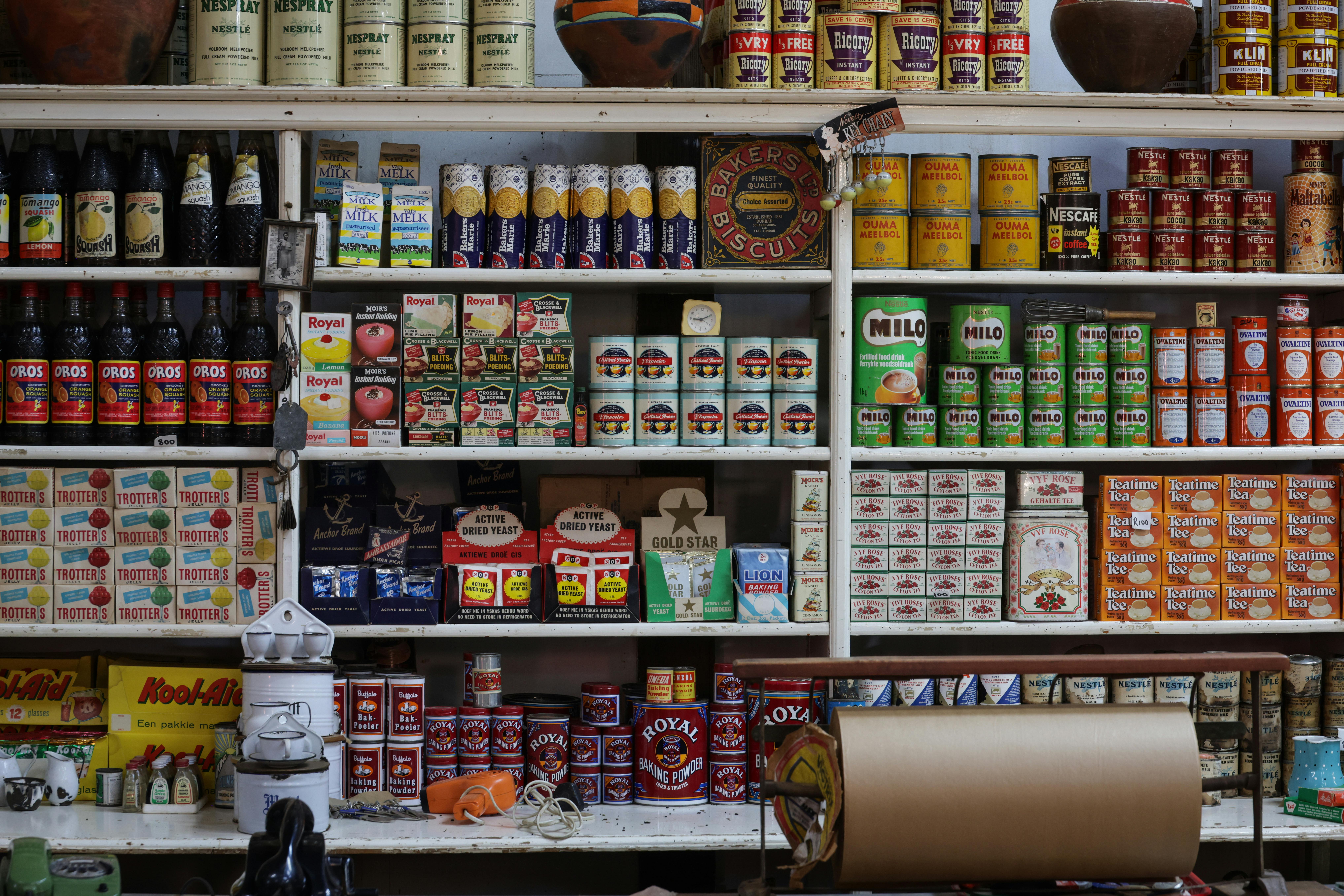
Loblaws has long used a tiered private-label strategy, with No Name positioned as budget-friendly and President's Choice aimed at a more premium promise. What loyal shoppers are increasingly figuring out is that the distance between those tiers, and between store brands and national brands, is not fixed. It is being actively managed. Product assortment, placement, pricing gaps, and promotion timing all shape how shoppers move through that ladder.
This matters because private labels are no longer just cheap substitutes. Across North America, grocers have turned them into profit drivers and loyalty tools. A retailer-owned brand can deliver better margins than a national brand while also giving the store more control over product development and promotions. Loblaws has been especially successful in making President's Choice feel like a destination brand rather than a fallback option. That strategy changes how consumers interpret a "deal."
In practice, a shopper may find that the cheapest option is less visible, less promoted, or more likely to be out of stock, while a slightly more expensive private-label tier is easier to reach. That is not accidental merchandising. It is part of how modern retailers steer choice without forcing it. Over time, customers can end up spending more inside the store-brand ecosystem while still feeling they are shopping smart, because everything is framed as an alternative to an even pricier national brand.
Product turnover is speeding up, and old favorites are easier to lose

A quiet frustration for many loyal shoppers is not just that products are changing, but that some disappear altogether. Loblaws, like other major grocers, has been tightening assortments and refreshing shelves more aggressively. From a business standpoint, this makes sense. Stores want faster-selling items, more efficient supply chains, and product mixes that reflect current demand. But for customers, it can feel like dependable staples are being retired in favor of trendier or more profitable replacements.
Private-label lines are especially vulnerable to this kind of rotation because the retailer controls the entire lifecycle. If an item underperforms, overlaps too much with another product, or no longer fits a category strategy, it can be discontinued with little fanfare. Shoppers often only realize this after checking multiple stores or seeing an empty shelf tag vanish. What replaces it may be close, but not identical in price, size, or taste.
This constant churn affects trust. Grocery loyalty is built on routine, and routine depends on reliability. A household that relies on one specific soup, granola bar, or frozen side dish is not looking for novelty every month. Retail analysts have observed that assortment simplification can improve efficiency, but it also risks alienating repeat customers when favorites disappear too often. That tension is becoming more visible as shoppers compare what Loblaws once stocked with what is available now.
Shoppers are becoming more analytical, and that is changing the conversation

Perhaps the biggest shift is not what Loblaws is doing, but what shoppers are doing in response. Consumers are far more price-aware than they were a few years ago. Inflation, public scrutiny of grocery profits, and widespread online discussion have pushed ordinary customers to compare unit prices, track product sizes, and scrutinize ingredient lists in ways that used to be more niche behavior. The result is that quiet store-brand changes are no longer staying quiet.
This new shopper behavior matters because private labels depend heavily on trust. If customers believe a store brand is transparent, consistent, and fairly priced, they forgive the occasional update. But if they start to feel they are being nudged by packaging, downsized by stealth, or asked to accept recipe changes without clear communication, the relationship shifts. The store brand stops feeling like a smart insider choice and starts feeling like a moving target.
Loblaws still has some of the strongest private-label recognition in Canadian grocery retail, and that gives it room to maneuver. But recognition is not the same as loyalty. The more shoppers pay attention, the more they judge store-brand products on measurable value rather than old assumptions. That is what many loyal buyers are only now figuring out: the quiet changes are not isolated. They are part of a broader strategy, and customers are finally reading the fine print.



Leave a Reply