
Costco shoppers notice patterns fast. When a staple disappears without a sign, the mystery can become almost as frustrating as the shortage itself.
The rotisserie chicken packaging change became a bigger issue than Costco likely expected

For many Costco Canada members, the rotisserie chicken was never just another prepared food item. It was a reliable dinner solution, a predictable value, and one of those purchases people built an entire warehouse trip around. That is why even packaging-related changes drew immediate attention. Shoppers in Canada complained when the familiar presentation changed and, in some locations, the overall experience no longer felt as consistent as it once had.
What members were really reacting to was not just the container itself. It was the sense that a signature Costco item had become less convenient to carry, store, or reheat. In retail, those details matter more than executives sometimes assume. A value product earns loyalty because it solves several problems at once: price, speed, portion size, and trust.
According to recurring member discussions across consumer forums and warehouse-focused communities, rotisserie chicken quality and handling can vary by location, making any change feel magnified. If one store switched formats, had tighter supply, or produced smaller birds during periods of cost pressure, members noticed immediately. The product sits in a category where consistency is the brand.
The deeper issue is that Costco rarely offers detailed public explanations for changes to operational staples. That leaves customers to fill in the gaps with speculation about sourcing, cost controls, food safety, or equipment updates. When a flagship item appears altered or temporarily less available, people do not treat it like a minor inconvenience. They treat it like a warning sign that a dependable warehouse ritual is slipping away.
The disappearance of certain Kirkland Signature bakery favorites hit families where it hurts most

Bakery losses often sting more than shoppers expect because they are tied to routine and memory. Costco Canada members have repeatedly mourned the quiet exit of specific Kirkland Signature baked goods, from particular cakes and buns to seasonal pastries that never seemed to return in the same form. These were not impulse treats alone. They were school lunch additions, party shortcuts, and family gathering staples.
When bakery products vanish, the replacement is not always a true replacement. A muffin may come back smaller, sweeter, less dense, or in a different assortment pack that excludes the flavor people actually bought. For households that purchase in bulk, a formula shift matters. Taste, freezer performance, and shelf life are practical concerns, not trivial ones.
Industry-wide pressures help explain some of these disappearances. Canada's food manufacturers have dealt with fluctuations in butter, flour, eggs, sugar, transportation, and labor costs over the last several years. In a high-volume warehouse model, even small changes in ingredient pricing can alter whether a baked item remains profitable enough to justify shelf space.
Still, profitability is only part of the story. Costco is known for a limited-SKU strategy, and every product must earn its place. If a bakery line requires more labor, creates more waste, or underperforms compared with a simpler item, it can disappear fast. Members understand business logic. What frustrates them is the silence, especially when a beloved item vanishes with no sign, no explanation, and no timeline.
Imported snacks and regional favorites vanish when supply chains get messy
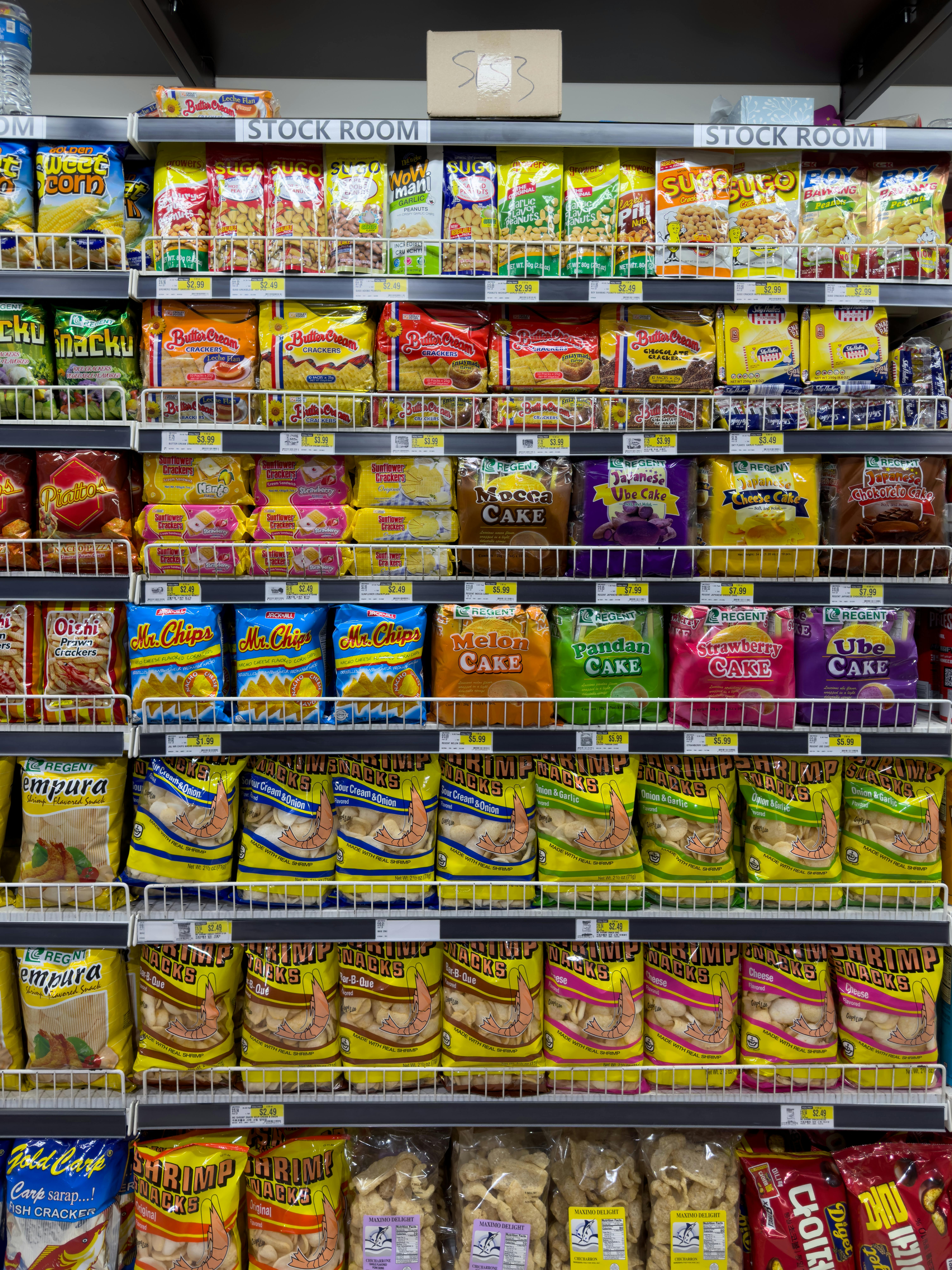
One of the quiet thrills of shopping at Costco Canada is finding imported snacks or region-specific products that are hard to get elsewhere at a fair price. That is exactly why their disappearance triggers such intense reactions. A unique chocolate assortment, a favorite European biscuit tin, or a specialty Asian snack mix can develop a cult following almost overnight. Then, without warning, it is gone.
Unlike basic grocery items, these products often depend on fragile sourcing arrangements. Import logistics are vulnerable to port delays, customs issues, packaging compliance rules, currency swings, and shifting vendor relationships. A product that looked stable one quarter can become difficult to justify the next. If landed costs rise sharply, Costco may decide the value proposition no longer works for members.
There is also the question of allocation. Global brands do not always treat Canada as a priority market when inventory tightens. Retail analysts have long noted that smaller markets can lose out when manufacturers concentrate supply in larger or more profitable channels. In practice, that means a product beloved in Canadian warehouses may still disappear simply because volume is redirected elsewhere.
Members often assume a missing item has been discontinued forever, but that is not always true. Sometimes it is trapped in a long gap caused by supply disruptions or import renegotiations. The problem is that Costco's treasure-hunt model conditions shoppers to expect change, while human nature still craves predictability. That tension is why temporary absences can feel like permanent betrayals.
The food court menu shifts created a special kind of backlash because the items were part of Costco culture

Few retail food offerings inspire as much loyalty as Costco's food court. In Canada, when menu items change, shrink, or disappear, the response is immediate and emotional. These are not viewed as ordinary concession snacks. They are part of the Costco outing itself, a low-cost ritual that turns an errand into something familiar and oddly comforting. Remove a favorite, and members notice right away.
Some complaints center on vanished regional options or menu simplifications that reduced variety. Others focus on products that remained in name only but changed in recipe, size, or preparation. This is common in large-scale food service. Suppliers change, ingredient standards shift, equipment is updated, and speed-of-service targets reshape what can be offered profitably across many locations.
From a business standpoint, food courts are operationally tricky. They must deliver very low prices while managing labor, supply consistency, local regulations, and customer volume that can spike dramatically on weekends. Even a small menu item can become costly if it slows service, depends on inconsistent ingredients, or creates waste. Standardization usually wins over nostalgia.
Yet nostalgia is powerful, especially at Costco. Members remember what they ordered after childhood shopping trips or what fed a family cheaply during tighter years. That emotional layer turns menu changes into something larger than a pricing decision. Costco may see a streamlined operation. Shoppers see the disappearance of a tradition that helped define the warehouse experience in Canada.
Seasonal staples disappeared quietly, and that made members feel like they had missed a memo
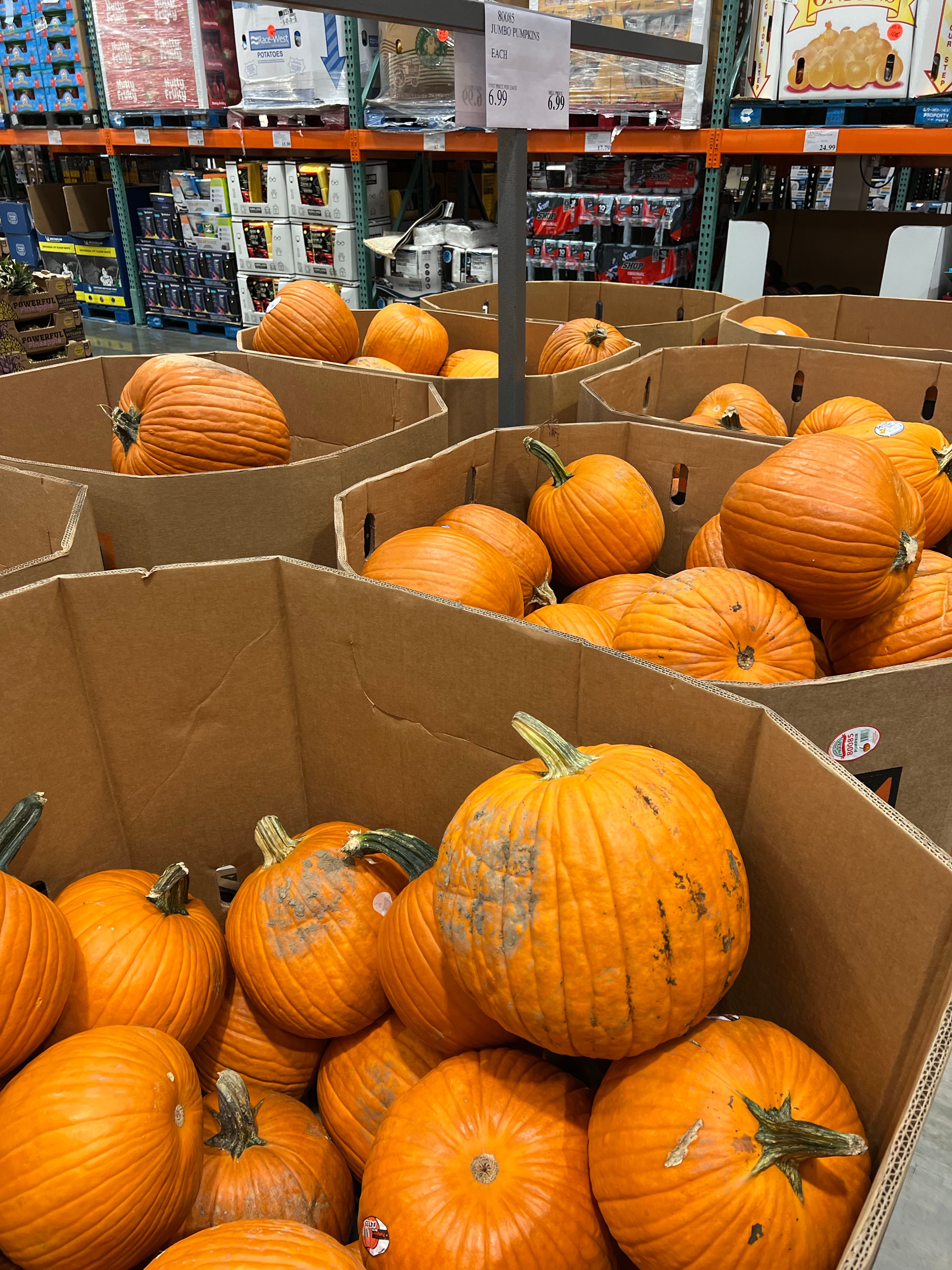
Some of the most complained-about Costco Canada disappearances were never intended to be permanent staples in the first place. Seasonal products, from holiday desserts and summer grilling items to limited-run pantry goods, often have built-in endings. But members do not always experience them that way. If an item returns for several years in a row, shoppers begin to treat it as a dependable part of the calendar.
That is where disappointment turns into confusion. Consumers plan around familiar warehouse cycles. They expect to see certain appetizers in November, certain snack packs before back-to-school season, or certain frozen treats as warmer weather begins. When those items fail to reappear, people do not just feel let down. They feel unprepared, especially if they skipped buying alternatives elsewhere.
Retail timing has become more unpredictable since pandemic-era supply disruptions exposed just how vulnerable seasonal planning can be. Manufacturers may shorten production runs, retailers may order more cautiously, and shipping delays can cause a product to miss the exact window where it makes sense. Once that happens, even a popular item can effectively lose its season and disappear for the year.
Costco's merchandising style amplifies the uncertainty. Inventory can vary by region, and buyers may test products in some warehouses but not others. So one member may think an item was canceled while another still sees it two provinces away. That uneven visibility fuels the constant demand for answers, because from the shopper's perspective, the silence feels arbitrary rather than strategic.
Why Costco members keep asking questions even when they know the warehouse model is built on change
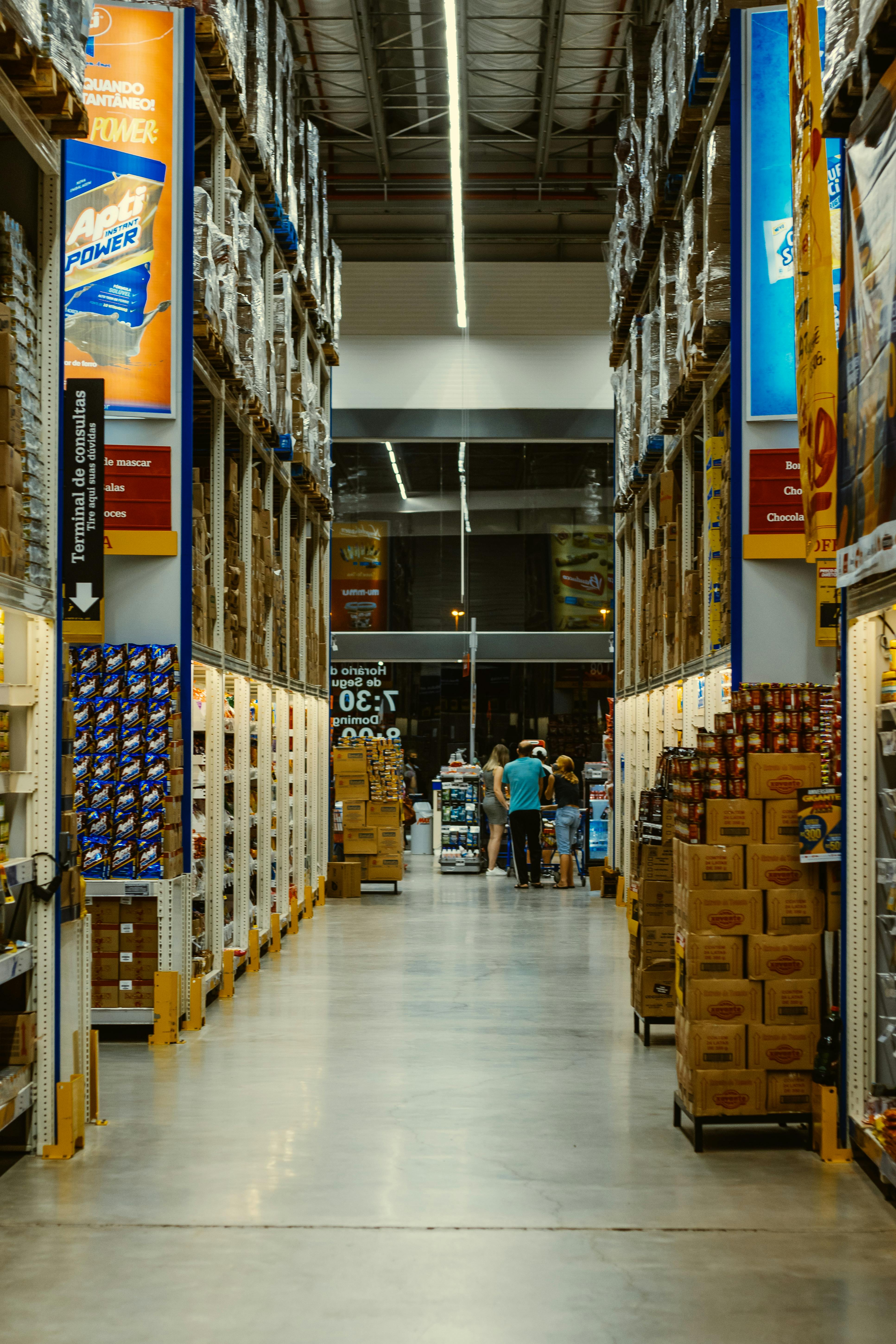
Costco has trained its members to expect a constantly rotating assortment, but that does not erase the frustration of losing a favorite. In fact, the company's limited-SKU approach makes each item feel more important. When shoppers know shelf space is scarce, they invest more trust in the products that do make the cut. A disappearance then feels less like normal retail churn and more like a broken promise.
The strongest reactions usually come from products that solved a real problem. Maybe it was a school-safe snack that was hard to find elsewhere, a freezer staple with better ingredients than supermarket competitors, or a value-priced prepared meal that saved busy families time. Once an item becomes part of daily life, its absence creates friction that shoppers feel immediately and repeatedly.
Costco also benefits from unusually engaged customers. Members compare notes in store aisles, in neighborhood groups, and in online communities devoted to warehouse finds. That creates a rapid feedback loop. When one person asks what happened to a product, dozens join in with sightings, theories, and complaints. The longer Costco stays quiet, the more the item takes on near-mythic status.
In the end, the demand for answers is really a demand for clarity. Members know products come and go. What they want is some signal about whether a disappearance is temporary, regional, or final. That small bit of transparency would not end disappointment, but it would replace confusion with trust, and for a membership retailer, trust is the whole business.



Leave a Reply