
A McDonald's meal can look almost identical on both sides of the border. But in Canada, several menu choices and ingredient rules have quietly moved in a direction that many American locations have not matched.
Canada's menu diverged because the market is built around different rules
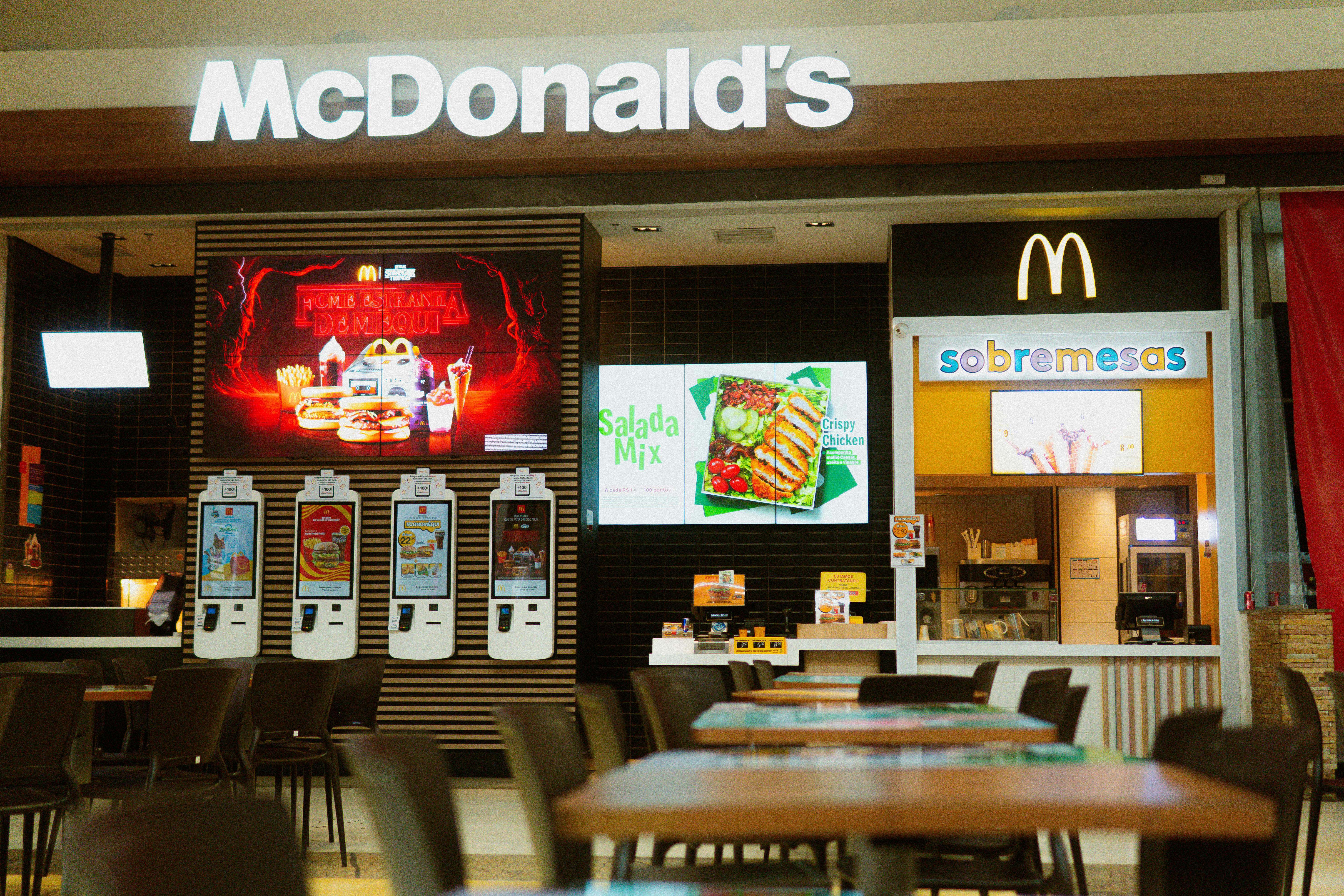
The biggest reason McDonald's Canada changed its menu is not taste alone. It is regulation, sourcing, and consumer expectation working together. Canada's food system places strong emphasis on bilingual labeling, national nutrition standards, dairy rules, and tighter practical limits on how ingredients are marketed and rolled out across a smaller but more regionally distinct country.
That has led McDonald's Canada to keep or introduce items that do not move easily into the U.S. system. According to the company's Canadian menu standards and public ingredient disclosures, the chain has leaned into local sourcing language, reformulated some products, and maintained menu categories that fit Canadian habits better than American ones. The result is a menu that feels familiar but is not interchangeable.
American locations are not literally banned from every Canadian-style item, but many are not allowed in practice within the U.S. operating model. Franchise uniformity, supplier approvals, federal labeling expectations, and national product planning all limit what stores can independently adopt. A Canadian menu innovation often requires an entirely separate supply chain and regulatory review before it could ever cross into the United States.
Poutine is the clearest example of a Canadian menu item Americans do not get

Nothing shows the divide better than poutine. McDonald's Canada has sold versions of poutine made with fries, gravy, and cheese curds, a combination tied directly to Quebec food culture and now widely recognized across the country. It is one of the chain's most visible acknowledgments that a global fast-food brand sometimes has to behave like a local one.
The issue is not just that U.S. customers are unfamiliar with poutine. The product depends on fresh cheese curds, a gravy system calibrated for the item, and kitchen execution that differs from standard fries service. Those are meaningful operational changes in a company built on speed and sameness. A menu item that works in Canada's established demand pattern is harder to justify across thousands of American stores.
There is also a brand strategy angle. U.S. McDonald's menus are heavily engineered around burgers, chicken, breakfast, and limited-time promotions with mass appeal. Poutine, despite its popularity in Canada, remains regionally coded in the American imagination. That makes it harder to scale nationally, and American operators generally cannot just decide to add it on their own.
Canadian dairy and coffee choices created menu options the U.S. does not mirror
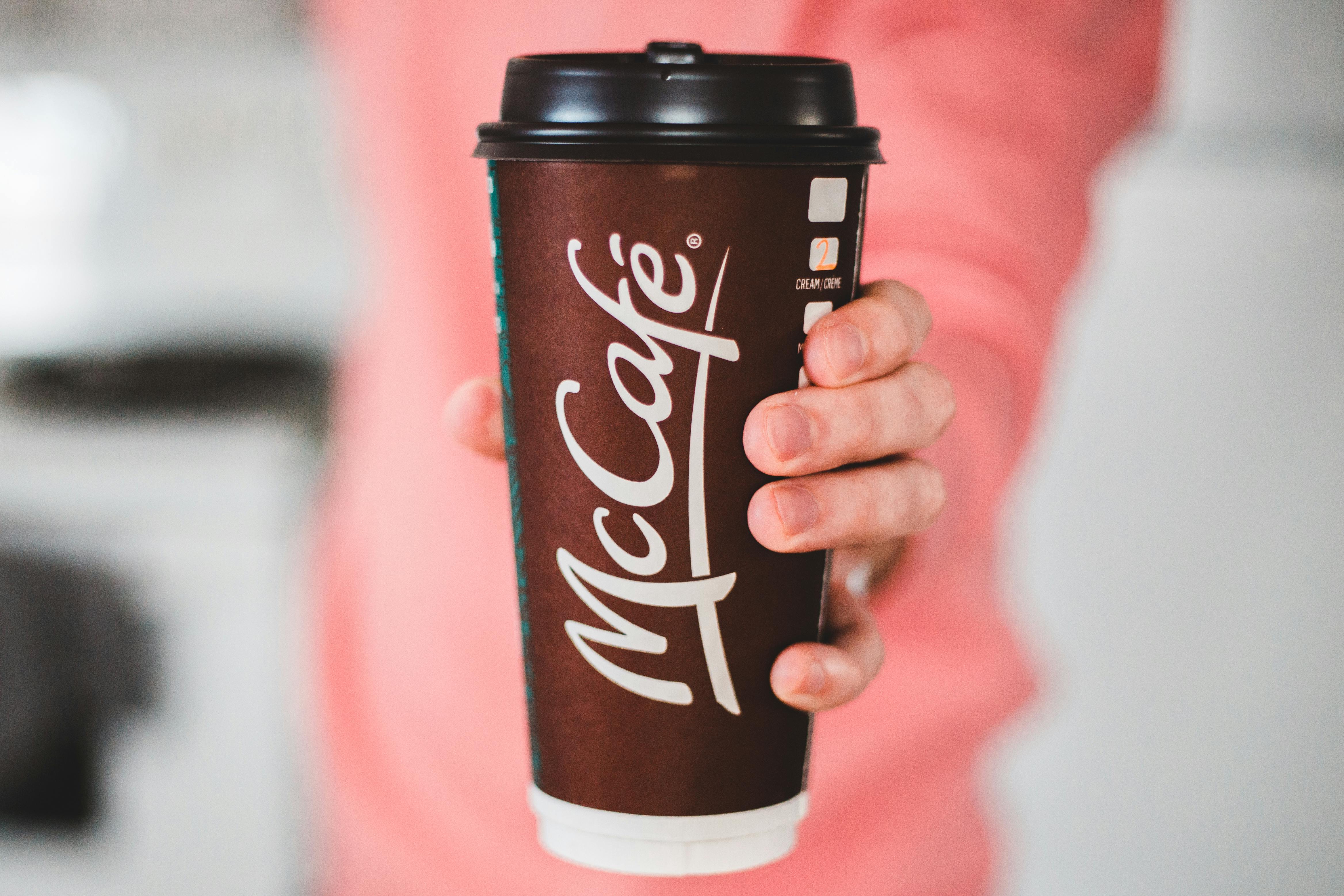
One of the more overlooked changes involves dairy and coffee. McDonald's Canada has long tied parts of its McCafé identity to Canadian dairy supply and local milk sourcing standards. In a country where dairy regulation is shaped by supply management and where milk quality messaging plays strongly with consumers, that can influence both menu development and product positioning.
This matters because beverages are no longer a side category. Coffee, espresso drinks, iced beverages, and dessert-based menu items are major traffic drivers. McDonald's Canada has used that space to emphasize taste profiles and formulations that fit local preferences, often with a smoother coffee reputation than the brand historically held in the U.S. Canadian customers have noticed that for years, especially after the chain sharpened its coffee program.
American locations operate inside a different competitive framework. They face a larger fragmented market, different dairy economics, and a national menu strategy shaped by scale first. That means certain Canadian-style beverage builds or dairy-forward products may exist north of the border while remaining absent in the United States. The obstacle is not one single law, but a mix of procurement rules, cost structure, and menu simplification demands.
Canada has embraced regionally familiar flavors that U.S. stores rarely can
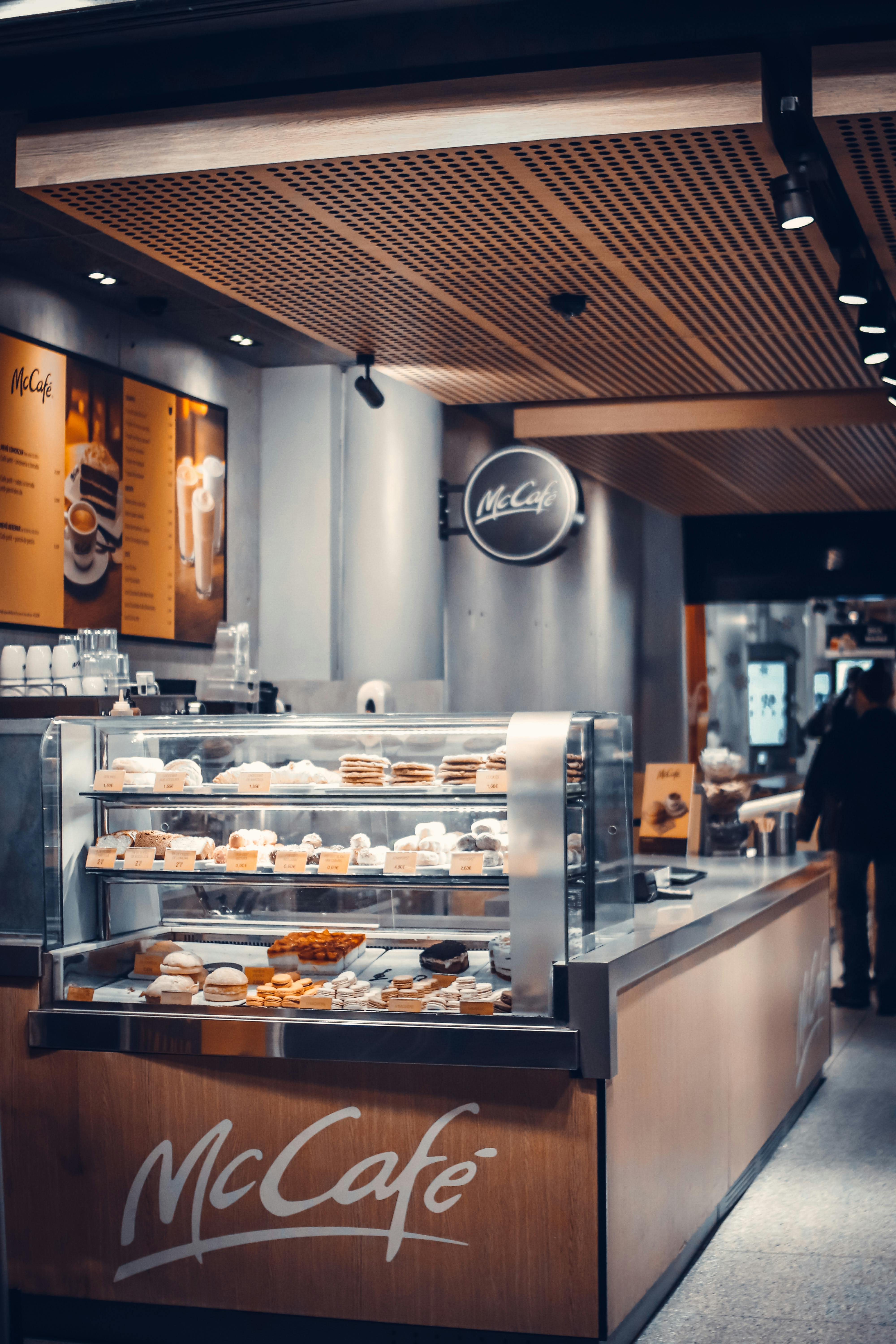
McDonald's Canada has repeatedly shown more comfort with menu items that reflect local eating habits, especially when those habits differ from the classic American drive-thru template. That includes stronger use of snack wraps in some periods, regionally appealing sauces, and items built around flavors Canadian customers already recognize from everyday restaurant culture. The chain has also been more willing to present these choices as part of its mainstream menu identity rather than as quirky experiments.
That flexibility is easier to understand when you consider the Canadian market. It is smaller than the United States, but major chains still need to appeal to English Canada, Quebec, urban immigrant communities, and a customer base that often expects more obvious menu variation. A standardized burger-and-fries approach alone does not carry the same cultural weight everywhere.
In the U.S., broad menu consistency tends to win out. Franchisees work inside a tighter national system where complexity can slow kitchens and hurt margins. So even if a Canadian menu idea performs well, American locations usually are not free to adopt it independently. The practical answer is that they are not allowed to deviate from approved U.S. builds, even when the Canadian version looks commercially promising.
Nutrition policy and ingredient reformulation pushed Canada toward different standards
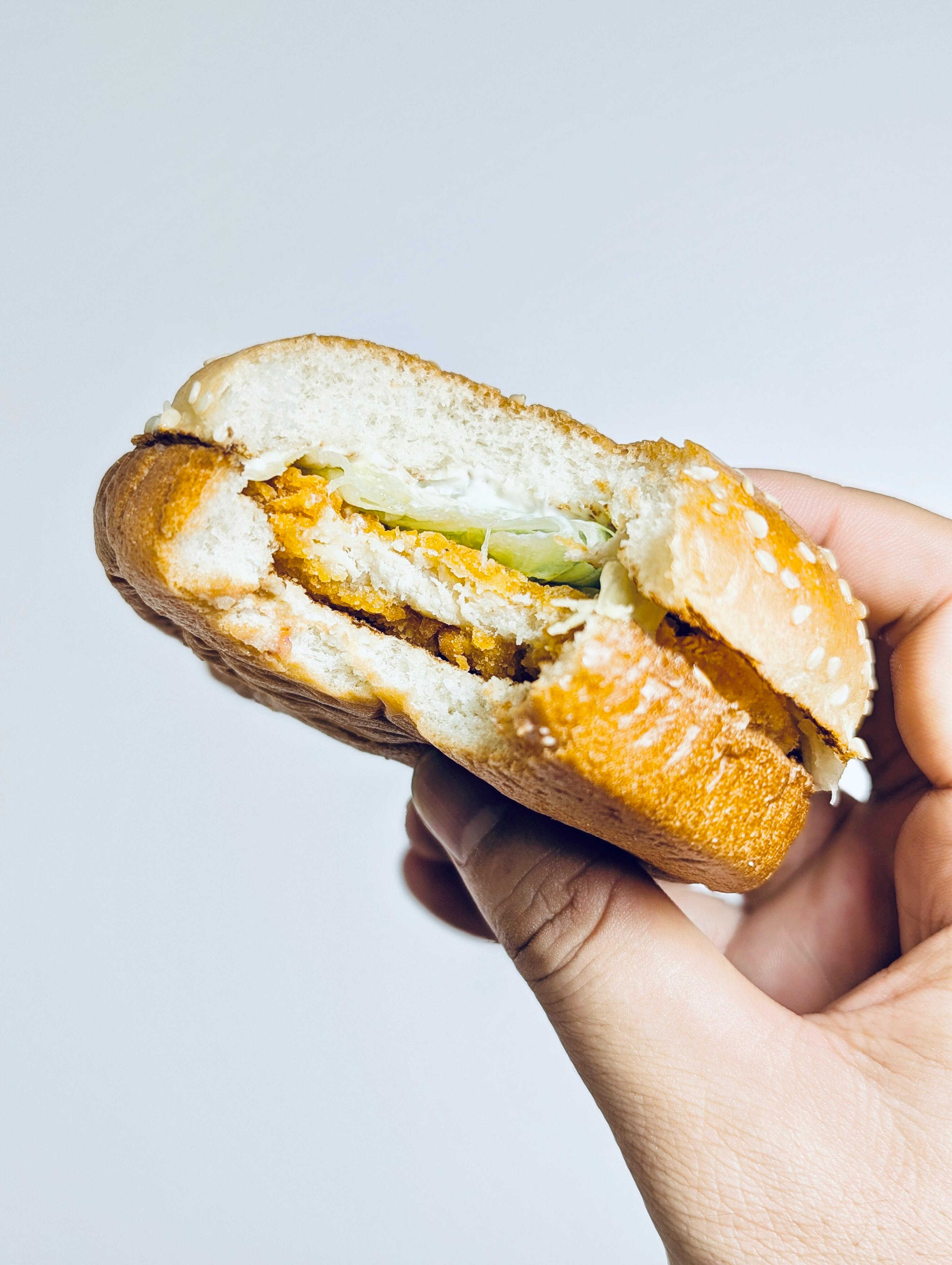
Another important change involves nutrition and ingredient transparency. Canada has had front-of-package policy debates, sodium-reduction pressure, and national attention on how large chains disclose ingredients. McDonald's Canada has responded over time by adjusting recipes, publishing detailed nutrition information, and aligning products with Canadian consumer concerns around artificial additives, calories, and sodium.
Those pressures do not always produce dramatic menu headlines, but they change the food people actually receive. Bun formulas, sauce recipes, chicken preparation, and beverage composition can all be tweaked in small ways that add up to a noticeably different menu. In fast food, minor reformulations are often more important than flashy launches because they affect millions of transactions.
American McDonald's has also made nutrition-related changes, of course, but not always in the same sequence or under the same pressure. Regulatory timing differs, public health campaigns differ, and customer expectations differ. That is why a Canadian item may appear cleaner-labeled or differently formulated while the U.S. version stays unchanged. American stores cannot simply swap in the Canadian formula without approved national sourcing and compliance review.
The real story is that cross-border menus are shaped by systems, not just cravings

People often assume fast-food menus are universal, especially within North America. McDonald's Canada proves the opposite. The company has changed its menu in ways that reflect Canadian identity, local sourcing structures, dairy economics, regional comfort foods, and domestic nutrition politics. Those choices may look small at the counter, but they are products of an entirely different business environment.
Poutine is the most obvious example, yet it is only part of the picture. Beverage strategy, recipe formulation, localized flavors, and stricter practical operating standards all help explain why some Canadian offerings stay in Canada. U.S. restaurants are not simply missing out by accident. They are working inside a corporate and regulatory framework that limits local improvisation.
So the answer to what McDonald's Canada changed is broader than one dish. It built a menu that responds to Canada first, even when that means American locations are not allowed to follow. For customers, that creates a subtle but real border in one of the world's most standardized restaurant brands.




Leave a Reply