
Regulars often sense a change before a company ever spells it out. At Tim Hortons, many longtime customers say familiar menu items do not taste, look, or feel exactly the way they used to.
The move toward fresher, more branded breakfast ingredients

One of the clearest ingredient shifts at Tim Hortons has been in breakfast. In recent years, the chain made a high-profile move to freshly cracked eggs across its breakfast sandwich lineup, replacing the former processed egg patty that many customers had grown used to. The company presented the switch as a quality upgrade, part of a broader effort to make breakfast feel less industrial and more competitive with rivals that were already emphasizing freshness.
That sounds simple, but a change like this affects more than marketing. Freshly cracked eggs cook differently, hold moisture differently, and create more variation from sandwich to sandwich. Some customers welcomed the richer texture and more natural look, while others said the new eggs felt thinner, folded differently, or seemed less suited to the classic taste profile they associated with Tim Hortons for years.
This is a good example of how ingredient changes are often tied to brand repositioning. Tim Hortons has spent years trying to modernize its food image, especially after criticism that parts of the menu had become too processed. In that context, switching egg format was not just about nutrition or flavor. It was about signaling that the company could still serve recognizable comfort food while chasing a fresher, less artificial identity.
Bread, buns, and baked texture are not as fixed as customers assume

Ask longtime customers what has changed, and many point not only to fillings but to the bread itself. Breakfast sandwiches and lunch items depend heavily on English muffins, biscuits, bagels, buns, and wraps, and even minor recipe or supplier adjustments can alter the eating experience. A slightly softer bun, a sweeter bagel, or a drier biscuit can make people think the whole sandwich has changed, even when the protein and toppings remain similar.
Large chains regularly reformulate bread products for cost, shelf life, consistency, and ease of preparation. That can mean changes in flour blends, dough conditioners, sugar levels, salt content, oils, and preservatives. Tim Hortons does not need to relaunch an entire sandwich for loyal guests to notice. If the bun compresses more easily or the bagel has less chew than it once did, regular buyers often pick up on it immediately because those small details are part of food memory.
There is also the long-running issue of what "freshly baked" means in a major chain. Tim Hortons moved away from the old model of fully scratch-made in-store baking years ago, relying more heavily on par-baked and frozen distribution systems that support scale and standardization. Customers who remember the brand from earlier decades often compare today's texture and aroma with that older era, and ingredient adjustments within that system can deepen the sense that something familiar has quietly been rewritten.
Coffee formulas and beverage bases have become a loyalty flashpoint

For many Canadians, Tim Hortons is coffee first and everything else second. That is why even subtle changes to coffee sourcing, roast profile, cream standards, sweetener ratios, or flavored beverage bases can trigger outsized reactions. The chain has faced years of public debate over whether its coffee tastes the same as it once did, with some loyal drinkers insisting the flavor shifted after supplier and roasting changes, even if the company did not frame those shifts as a dramatic reinvention.
Coffee is especially vulnerable to perception because routine drinkers consume it daily. They notice bitterness, acidity, roast depth, and aftertaste in a way that occasional customers do not. If beans are sourced differently, blends are adjusted for cost or consistency, or brewing standards vary more widely across locations, regulars can quickly conclude that the "original" cup is gone. In a brand built on habit, that is a sensitive issue.
The same pattern applies to iced capp drinks, flavored lattes, hot chocolate, and other sweet beverages. These products rely on syrups, dairy mixtures, stabilizers, and powdered or liquid bases that can be reformulated over time. A small tweak to sweetness level, milkfat content, or flavor intensity may not generate a formal announcement, but frequent buyers often identify it quickly because the drink no longer delivers the exact sensory payoff they expect.
Soups, sandwiches, and prepared foods reveal the pressure of scale

The less romantic side of ingredient change is operational pressure. Chains like Tim Hortons have to manage food costs, labor efficiency, storage limits, and supply disruptions while serving a menu that has grown far beyond coffee and doughnuts. That reality often leads to quiet tweaks in sauces, sliced meats, cheese portions, soup bases, and vegetable prep methods. To the company, these can look like practical adjustments. To loyal customers, they can feel like quality erosion.
Prepared foods are particularly susceptible because they involve many components from many suppliers. A chipotle sauce may become sweeter, a turkey portion may get thinner, or a soup may taste saltier because the base formula changed. Inflation has only intensified this pressure. Across the restaurant industry, brands have looked for ways to preserve margins without making every change obvious on the menu board, and ingredient substitutions are one of the most common tools.
Customers notice in very specific ways. They talk about sandwiches feeling lighter, wraps tasting more processed, and soups seeming less hearty than before. These observations do not always mean the food is objectively worse, but they do reflect a gap between brand memory and current execution. When a chain is built on routine, consistency matters as much as innovation, and small ingredient changes can break the emotional contract that regulars think they are still buying.
Donuts and baked goods still carry the weight of the brand's reputation

Tim Hortons may have broadened its menu, but baked goods remain central to its identity. That is why changes in doughnuts, muffins, Timbits, cookies, and fillings attract close scrutiny. Loyal customers often describe differences in sweetness, glaze thickness, crumb texture, and freshness perception. These are not trivial complaints. For a brand that became famous through coffee-and-doughnut simplicity, baked goods are the core proof of whether the company still feels like itself.
Recipe changes in this category can be driven by many factors. Manufacturers may alter shortenings, cocoa blends, fruit fillings, stabilizers, and frosting ingredients to improve transport stability or reduce waste. Shelf life matters enormously in high-volume systems, especially when products are finished in-store but not made from scratch on site. A doughnut that looks consistent longer may not taste exactly like the one a customer remembers from years ago.
There is also a nostalgia penalty at work. Few foods are judged as harshly as legacy bakery items because people compare them with childhood routines, road trips, and old neighborhood stores. Even if current products meet modern chain standards, they may still lose against memory. Still, when large numbers of regulars independently mention denser muffins, different chocolate notes, or less distinctive fillings, it suggests that ingredient and production changes are not merely imagined. They are being experienced in the most brand-sensitive part of the menu.
Health goals, cost control, and supply chain reality are driving the quiet evolution
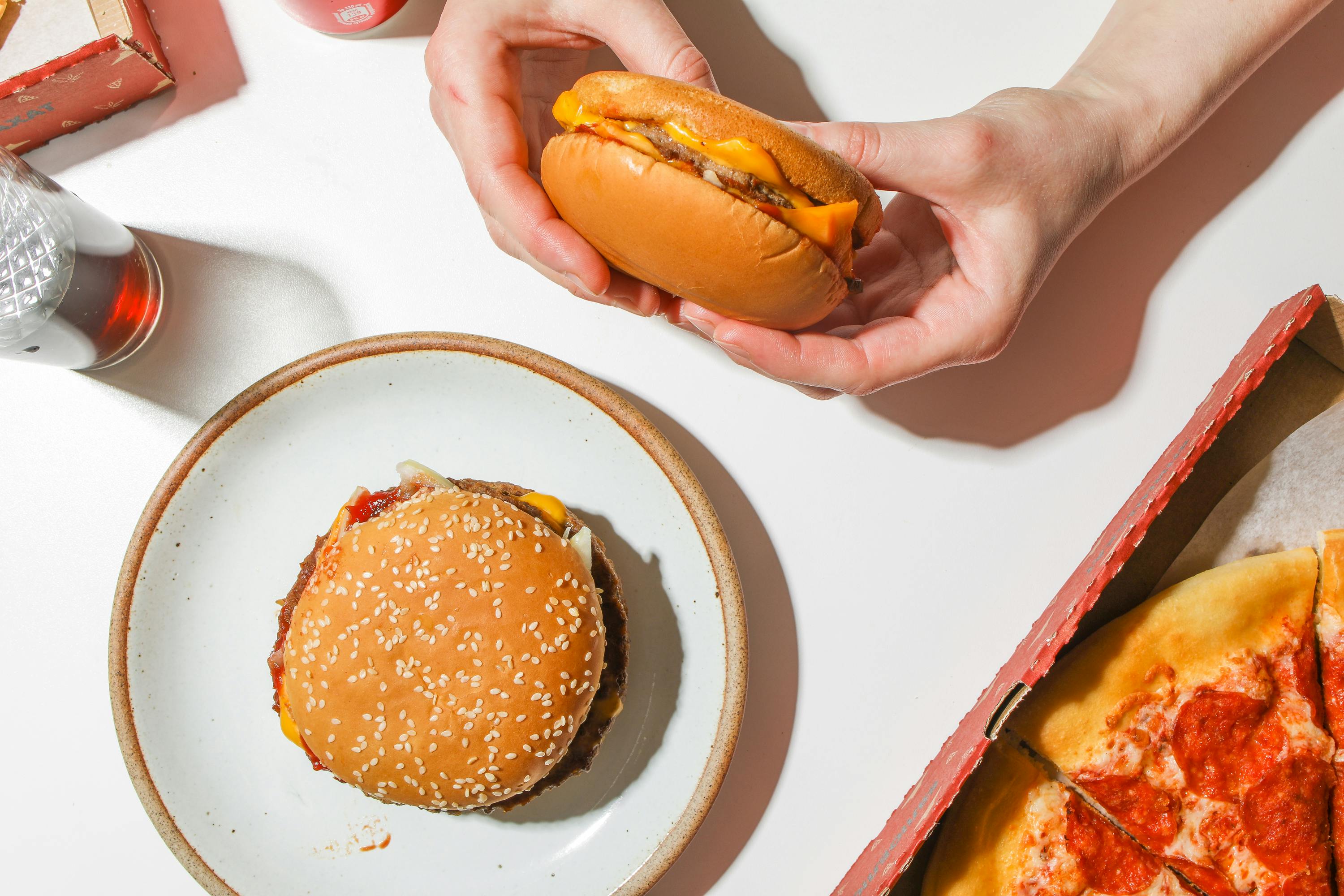
The bigger story is that Tim Hortons is not changing ingredients in a vacuum. Like nearly every major quick-service chain, it is responding to pressure from nutrition trends, commodity volatility, franchise economics, and consumer expectations around freshness. Reducing certain additives, changing oil blends, adjusting sodium, or updating proteins can all be presented as quality improvements. At the same time, they often help the business manage cost, logistics, and public perception in a highly competitive market.
This is why customers often feel they are seeing two Tim Hortons stories at once. On one side, the company promotes freshness, premium breakfast ingredients, and modern beverage options. On the other, regulars notice that some legacy items seem less distinctive, less rich, or less consistent than they once were. Both things can be true. A chain can upgrade one ingredient while quietly standardizing another in pursuit of scale.
Longtime customers are not simply resisting change. Many are reacting to the accumulation of subtle shifts that alter the flavor memory of a daily ritual. That is what makes these ingredient changes so noticeable. People are not only tasting eggs, bread, coffee, or glaze. They are measuring whether the brand still matches the version they have carried with them for years, and increasingly, many believe the answer is more complicated than it used to be.




Leave a Reply