
Long before fermentation became a wellness buzzword, Canadian kitchens relied on it for flavour, thrift, and survival through long winters. From sharp cabbage crocks to tangy dairy and fizzy homemade drinks, these foods were practical staples with deep roots in immigrant, Indigenous, and regional traditions. Now they are back in the spotlight, prized by chefs, home cooks, and curious eaters who are rediscovering what previous generations never forgot.
Sauerkraut

Sauerkraut has never really disappeared from Canada, but it spent years stuck with the image of a hot dog topping or an old-country side dish. Now it is turning up in grain bowls, charcuterie spreads, and restaurant sandwiches, appreciated for the bright acidity that wakes up rich foods.
Its place in Canadian kitchens comes largely from German, Eastern European, and Mennonite households, where cabbage was cheap, hardy, and easy to preserve. A crock of fermenting cabbage could carry a family through winter while adding vitamin C and sharp flavour to heavy meals.
Today's revival is driven by small-batch makers, farmers' markets, and home fermenters who value the simple process of cabbage, salt, and time. What once felt humble now reads as smart, sustainable, and deeply satisfying.
Kosher Dill Pickles

A good kosher dill pickle delivers more than crunch. It has a garlicky, sour depth that only fermentation can build, and that old-fashioned snap is exactly why these pickles are back in demand with deli lovers and home preservers alike.
In many Canadian cities, especially Montreal, Toronto, and Winnipeg, Jewish deli culture helped make fermented cucumbers a familiar part of everyday eating. Barrel pickles, cloudy brine, garlic, and dill were staples in households that understood fermentation as both preservation and craft.
What is trendy again is not just the pickle itself, but the method. Shoppers are seeking naturally fermented versions rather than vinegar-only pickles, chasing the more layered flavour that comes from patience and a live brine.
Sourdough Bread

Sourdough feels modern because artisan bakeries made it fashionable, but in truth it is one of the oldest leavened breads to appear in Canadian homes. Its recent comeback simply reminded people that flour, water, and a lively starter can produce bread with remarkable character.
For generations, rural households and settlers kept sour starters going because commercial yeast was not always available or affordable. The bread lasted well, had a fuller flavour, and fit neatly into a practical kitchen rhythm where nothing useful was wasted.
The pandemic-era baking boom gave sourdough fresh celebrity, but the appeal has lasted because the bread offers substance as well as style. Canadians now prize its chewy crust, complex tang, and the sense that making it reconnects them with older domestic skills.
Kefir

Kefir used to be the kind of thing you found in the fridge of a grandparent from Eastern Europe or the Caucasus, not a trendy bottle in a polished grocery cooler. Today it is marketed as a cultured powerhouse, but many Canadian families have known and made it for decades.
Its roots in Canada are tied to immigrant communities who brought the habit of fermenting milk with grains that create a tart, drinkable result. It was practical, nourishing, and often easier to digest for people who found fresh milk too heavy.
The renewed interest makes sense. Kefir fits neatly into current tastes for high-protein breakfasts, tangy smoothies, and fermented dairy. Yet behind the sleek branding is a familiar old kitchen truth: cultured milk can be simple, economical, and deeply comforting.
Yogurt

Yogurt has had a long Canadian life, but what is changing now is the way people talk about it. It is no longer just a lunchbox cup or a breakfast side. Traditional cultured yogurt is being rediscovered as a foundational food with history, flexibility, and real kitchen usefulness.
Immigrant families from the Balkans, the Middle East, South Asia, and beyond helped make homemade yogurt common in many households. Warm milk, a spoonful of starter, and a bit of patience turned a perishable ingredient into something tangy, lasting, and versatile.
The current wave favors plain, unsweetened, whole-milk styles and strained versions that echo older methods. In that sense, yogurt's trendiness is really a return to form, with cooks using it in marinades, dips, breakfasts, and baking rather than treating it as a dessert.
Buttermilk

Buttermilk sounds quaint, almost like something from a handwritten farmhouse recipe card, which is exactly why it is having a moment again. Its tang gives baked goods tenderness and lift, while its acidity makes everything from fried chicken to pancakes taste more vivid.
Historically, true buttermilk was the fermented liquid left after churning butter, and that made it a familiar byproduct in rural Canadian kitchens. Later, cultured buttermilk became the standard store version, carrying forward the same sharp edge that cooks relied on for biscuits, cakes, and dressings.
Today's interest is tied to a broader respect for old cooking methods and cultured dairy. Chefs like its complexity, bakers trust its chemistry, and home cooks are discovering that one carton can quietly improve a surprising number of classic recipes.
Clabber

Clabber is one of those nearly forgotten foods that sounds obscure until someone explains it, then it feels instantly logical. It is milk that has naturally soured and thickened, a once-common ingredient in older kitchens where waste was unacceptable and fermentation was simply part of daily life.
Before refrigeration was widespread, clabbered milk could be used in baking much like sour milk or cultured dairy. In parts of rural Canada, especially where farm milk was fresh and abundant, people knew how to work with milk in different stages rather than throwing it away.
It remains niche, but the renewed fascination with heritage foodways has brought clabber back into culinary conversations. Its revival speaks to a larger trend: respect for traditional knowledge that treated fermentation as practical science, not a novelty.
Fermented Turnips
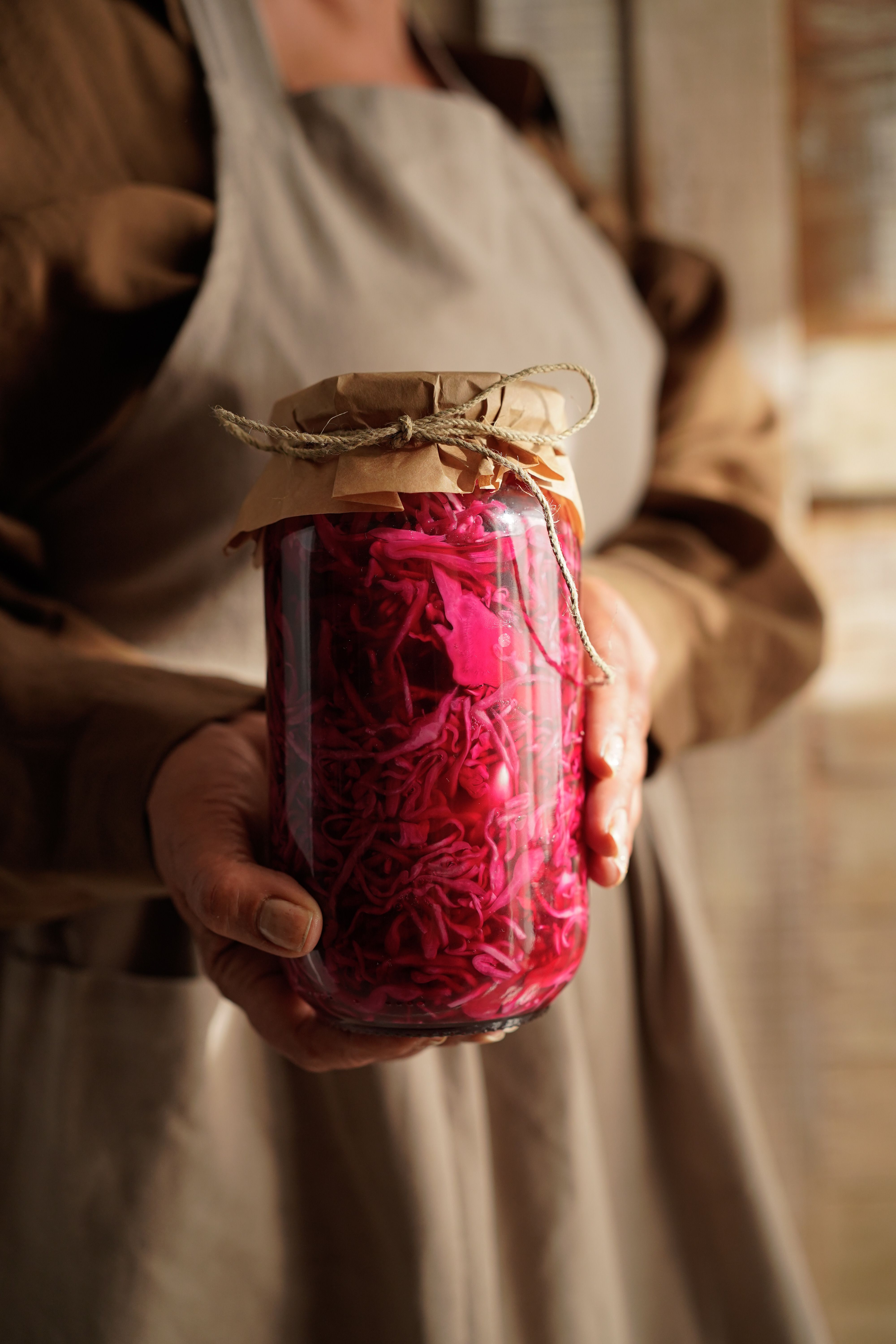
Fermented turnips do not enjoy the fame of sauerkraut, yet they have long had a place in Canadian homes shaped by Middle Eastern and Eastern Mediterranean cooking. Their bright pink colour, sharp saltiness, and earthy bite make them impossible to ignore once they hit the table.
In many households, turnips were packed with brine, garlic, and often a piece of beet for colour, then left to transform into a lively pickle served with grilled meats, wraps, and mezze. The process was simple, affordable, and perfect for stretching seasonal produce.
What makes them newly trendy is their visual appeal and bold flavour. Restaurants and home cooks alike are drawn to foods that add crunch, acidity, and contrast, and fermented turnips do all three while carrying genuine cultural history.
Beet Kvass
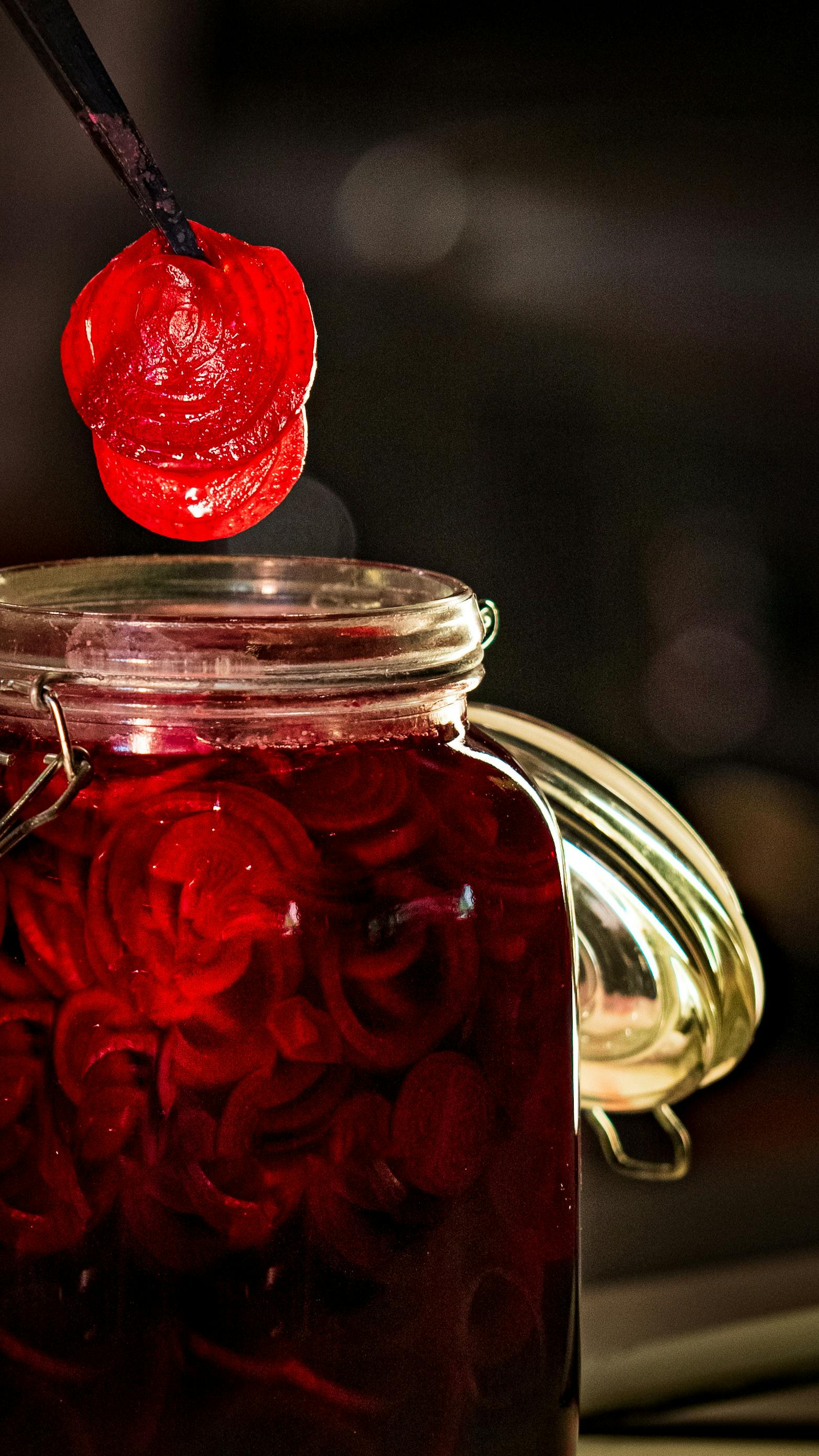
Beet kvass is the sort of old-world drink that sounds experimental until you realize how long people have been making it. In Ukrainian, Russian, and other Eastern European traditions that shaped many Prairie and urban Canadian communities, it was a practical way to preserve beets and create a tart, earthy tonic.
Made by fermenting beets in salted water, kvass develops a savoury, slightly sour taste that can be sipped on its own or used in soups and dressings. In homes where beets were plentiful, it offered another way to stretch a crop through the colder months.
Its recent revival comes from the overlap of heritage cooking and wellness culture. Yet the real story is more grounded than trendy labels suggest. Beet kvass endures because it is resourceful, distinctive, and tied to generations of home knowledge.
Kombucha
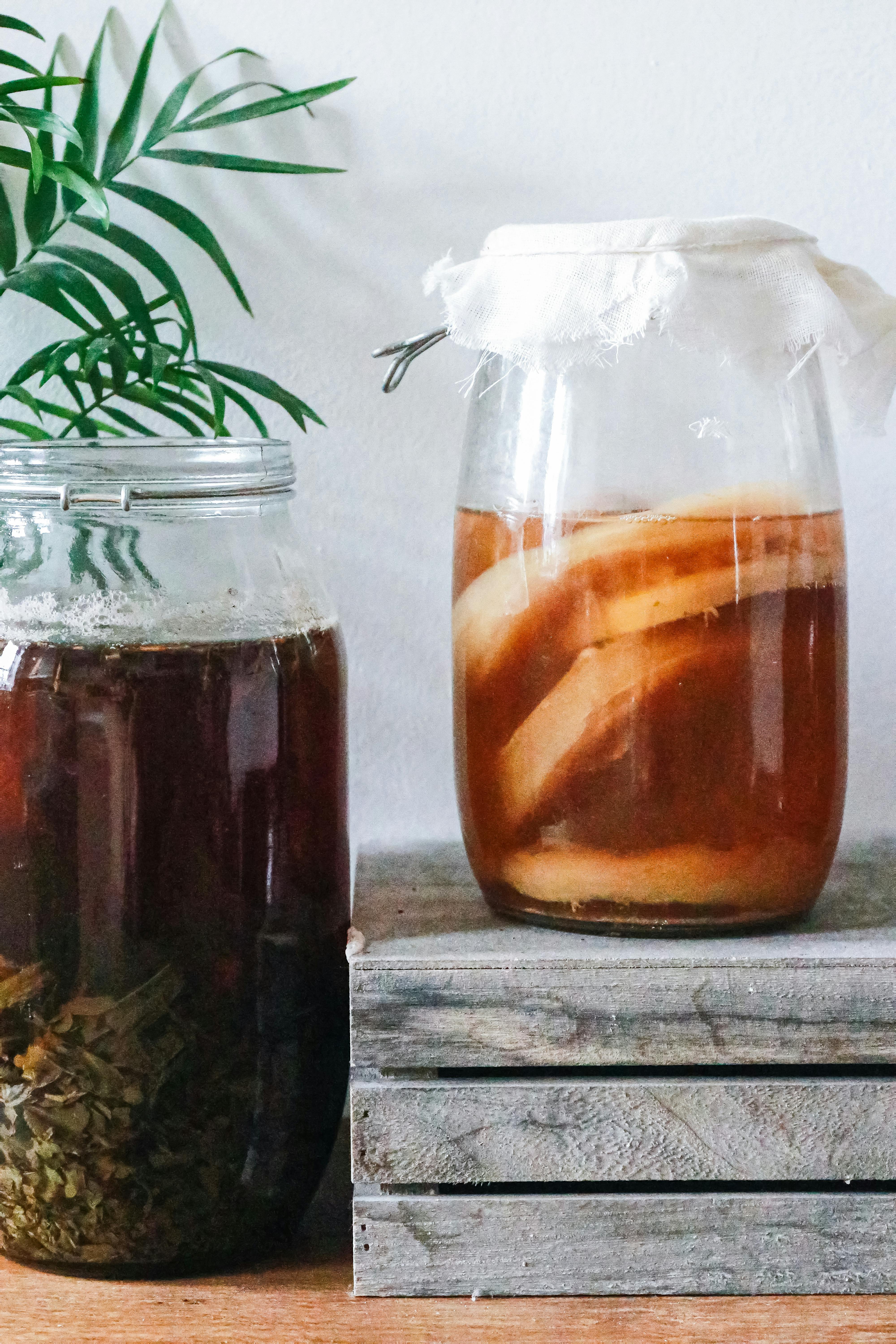
Kombucha may look like a newcomer in Canada, but homemade fermented tea has been circulating quietly for decades in certain health-focused and immigrant circles. What changed is scale. A once niche kitchen experiment became a polished supermarket staple almost overnight.
Its appeal is easy to understand. The drink is fizzy, tart, lightly sweet, and endlessly adaptable with fruit, herbs, and spice. For home brewers, it also offers the satisfaction of making something that feels alive, using a SCOBY, tea, sugar, and time.
Even so, kombucha's trendiness echoes older Canadian habits of home fermentation rather than replacing them. It belongs to the same broader tradition of using simple ingredients to create flavour, preserve food, and bring a bit of everyday transformation into the kitchen.
Kimchi
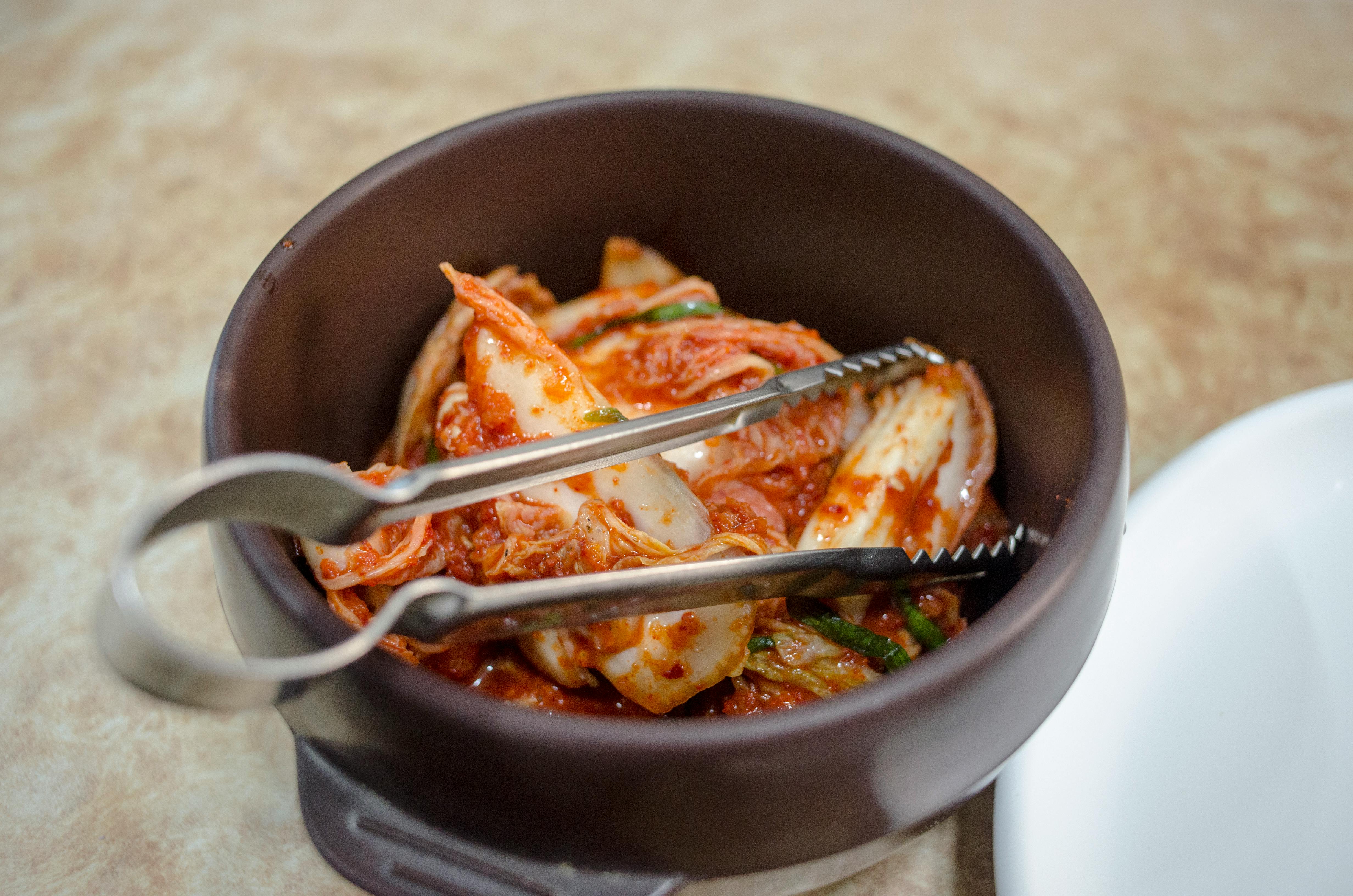
Kimchi's rise from family staple to mainstream favourite has been one of the clearest signs that Canadian tastes have broadened. What was once mainly found in Korean homes and restaurants is now folded into grilled cheese, burgers, rice bowls, and even Caesars.
For Korean Canadians, kimchi has always been more than a condiment. It is a daily food, a preservation method, and a marker of care, skill, and family routine. Napa cabbage, radish, chili, garlic, ginger, and seafood or other seasonings come together in versions that vary by region and household.
Its current popularity rests on genuine culinary strengths. Kimchi brings heat, acidity, funk, and crunch in one spoonful. That complexity suits contemporary cooking perfectly, while also introducing many Canadians to a tradition with deep cultural meaning.




Leave a Reply