
The grocery aisle may look familiar at first glance. But behind the labels and endcaps, stores are making careful decisions that are changing what lands in your cart.
Stores are shrinking choice to protect profits

One of the biggest changes in grocery retail is not always obvious: fewer versions of the same product are making it onto shelves. Instead of carrying six types of pasta sauce in nearly identical flavors, a store may now stock three stronger sellers and use the space for faster-moving items. This is a quiet form of assortment reduction, and it has become a serious strategy as retailers try to control labor, inventory, and waste.
Inflation plays a major role here. When transportation, packaging, refrigeration, and wages all cost more, every shelf slot has to justify itself. Grocery chains have learned that carrying too many slow-selling products ties up cash and increases spoilage risk. According to reporting from major retail analysts and trade groups, many chains now review shelf productivity more often than they did before 2020, making quicker cuts when items underperform.
This change also reflects consumer behavior. Most shoppers repeatedly buy a relatively small number of familiar products, even when stores offer dozens of options. Retailers know this, and many are betting that customers will tolerate less variety if their preferred essentials stay in stock. The result is a store that looks full but may actually offer fewer true choices than it did a few years ago.
Private labels are taking over more shelf space
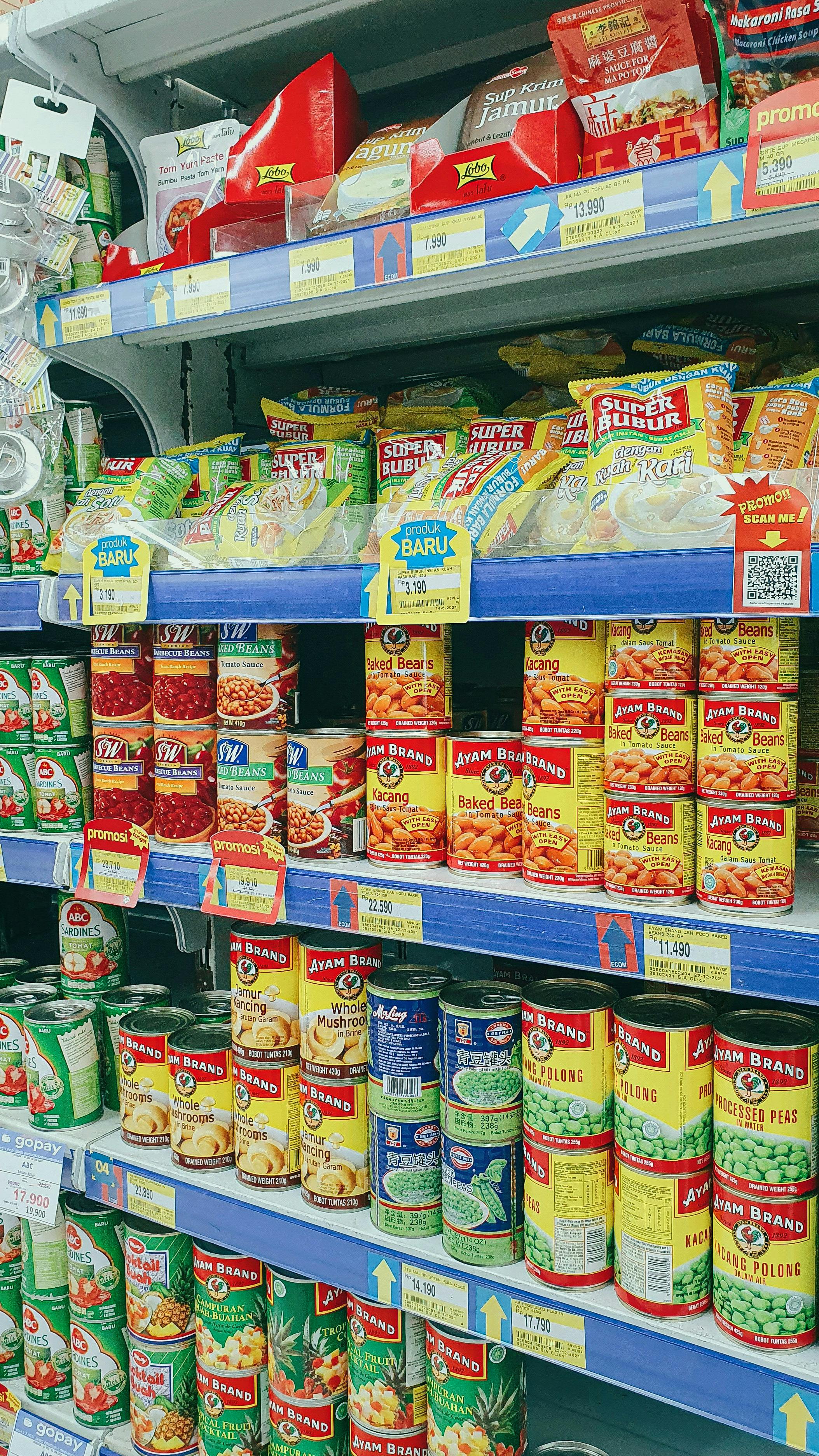
Store brands used to be treated as the cheaper backup plan. That has changed dramatically. Today, private label products are often central to a grocer's strategy because they offer better margins than national brands and give stores more control over pricing, sourcing, and promotion. In categories from cereal and frozen vegetables to coffee and snacks, retailers are devoting more space to their own labels.
This shift has been accelerated by persistent price sensitivity. When household budgets are strained, many shoppers become more willing to try alternatives to big-name brands. Once they do, a meaningful share keep buying them. Industry data in the past few years has shown private label sales growing not just because they are cheaper, but because quality perceptions have improved. Packaging looks better, ingredient lists are cleaner, and many products now compete directly on taste.
For retailers, the appeal is obvious. A store brand item can be adjusted more easily when supply problems hit, and it reduces dependence on major packaged food companies. It also helps chains differentiate themselves in a crowded market. If a shopper can get a favorite store-brand Greek yogurt or frozen pizza only at one retailer, that product becomes a loyalty tool as much as a grocery item.
Health trends are changing the center of the store
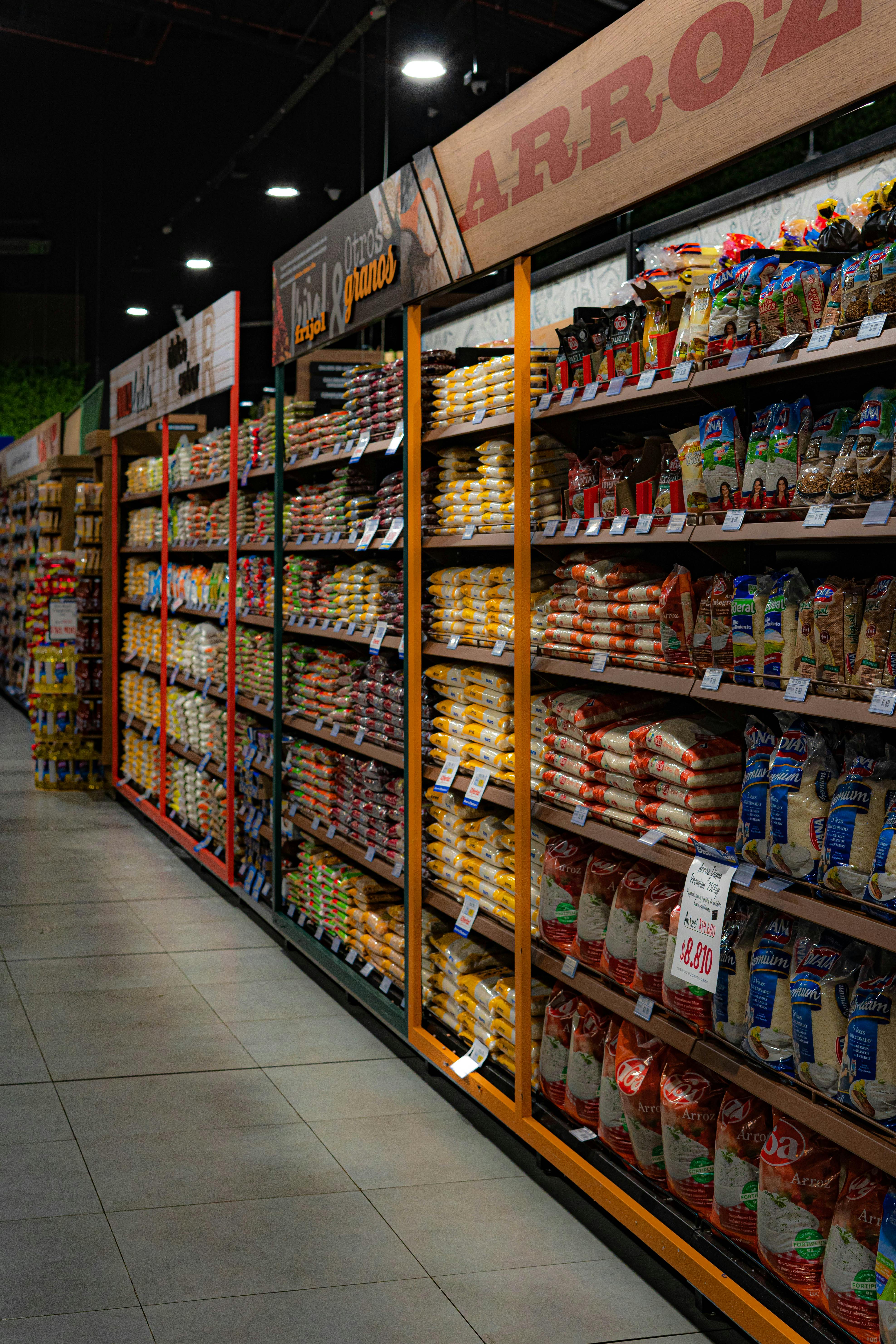
The old idea that healthy food lives only around the perimeter of the store is becoming outdated. Grocery chains are changing the center aisles too, replacing some conventional packaged items with products aimed at shoppers looking for higher protein, lower sugar, less processing, or ingredients they recognize. That includes everything from sparkling water and high-fiber snacks to gluten-free pasta and refrigerated functional drinks.
This is not just a niche wellness story anymore. Consumer research from major food industry trackers has repeatedly found that more shoppers are reading labels, comparing sugar content, and paying attention to protein, fiber, and additives. Retailers respond by giving more room to categories that align with those habits. In many stores, shelf sets now reflect a broader definition of convenience, one that includes health goals rather than just shelf stability.
Manufacturers are also reformulating products to stay relevant. Cereals add protein, yogurts cut sugar, and frozen meals tout simple ingredients or global flavors with clear nutritional messaging. Grocery buyers watch these trends closely because they affect repeat purchases. If shoppers believe a product fits both budget and wellness goals, it earns shelf space more easily than an older item that no longer matches current demand.
Local, seasonal, and value-focused items are getting more attention
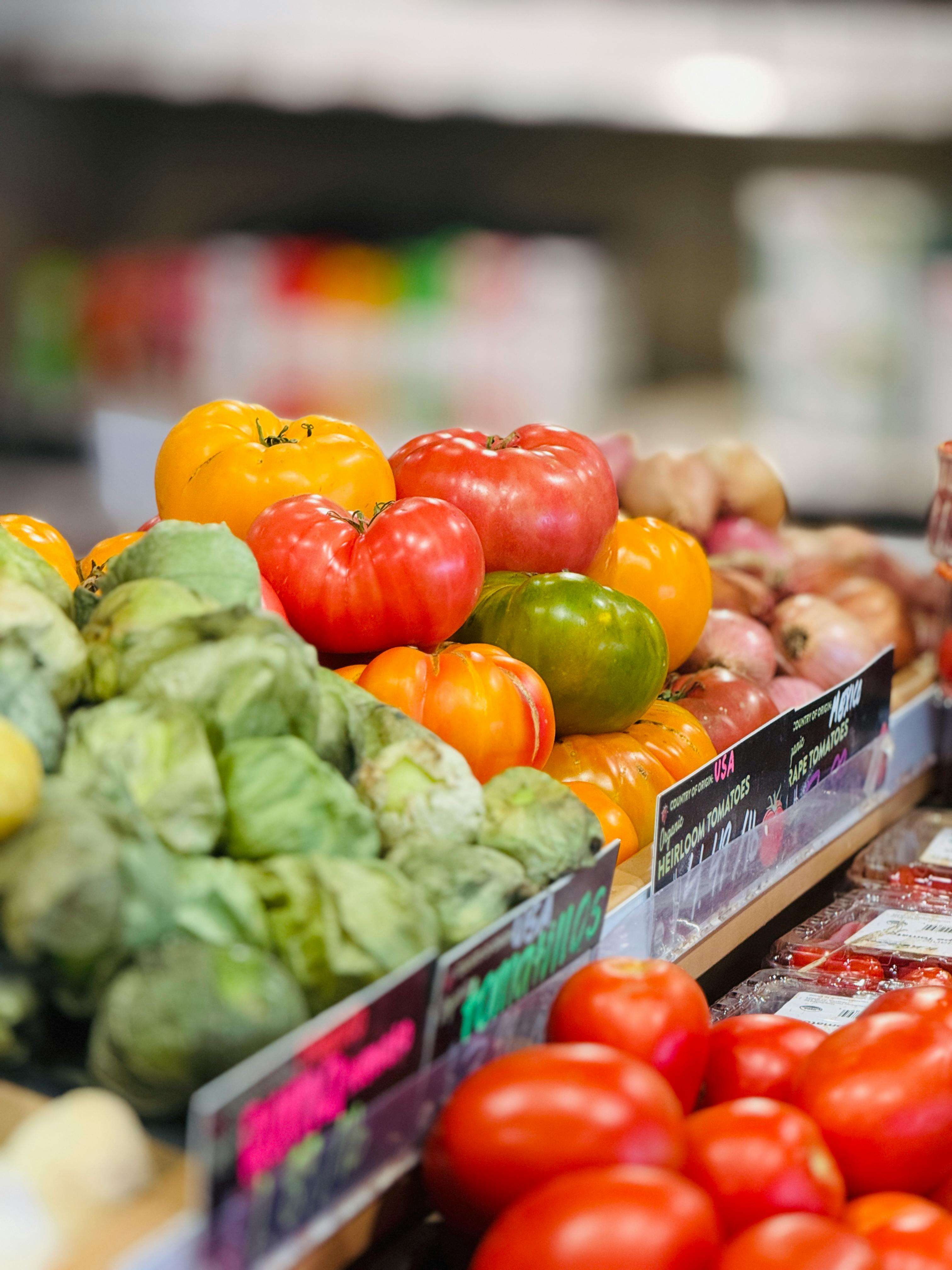
A subtle shift is happening in how stores balance global supply with regional relevance. Many grocers are giving more visibility to local produce, nearby dairy suppliers, regional snacks, and seasonal products that create a sense of freshness and connection. This can help stores stand out while also reducing some transportation complexity, especially for perishable goods that benefit from shorter travel times.
At the same time, value has become more visible in new ways. Instead of only promoting the lowest sticker price, stores are expanding bulk displays, family packs, meal bundles, and multi-use ingredients that help shoppers stretch spending. A bag of rice, a rotisserie chicken, and a discounted produce mix may be merchandised together because retailers know people are shopping for practical solutions, not just isolated items.
Seasonality also matters more than it once did. Stores use limited-time assortments to create urgency and manage risk, bringing in products that feel timely without committing to year-round shelf space. This approach works especially well in bakery, snacks, beverages, and prepared foods. It lets grocers stay fresh and responsive while avoiding the cost of carrying too many permanent items that may lose momentum.
Technology now decides more of what gets stocked
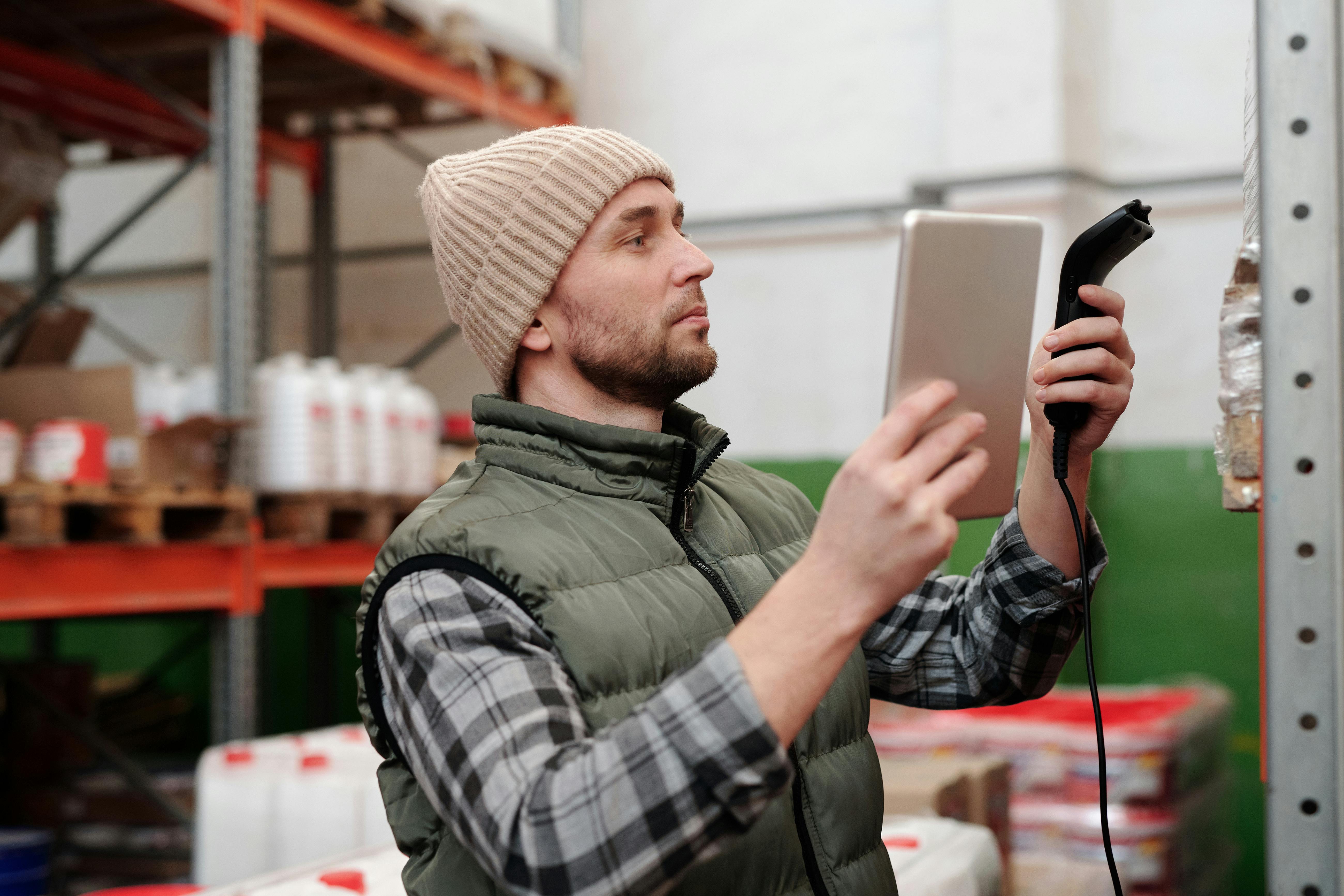
Shelf decisions were once shaped heavily by merchant instinct and vendor relationships. Today, they are increasingly guided by data. Loyalty programs, point-of-sale systems, weather models, and neighborhood-level demographics help retailers predict what different stores should carry and in what quantity. That means one branch of a chain may stock noticeably different products than another branch just a few miles away.
This shift toward localized assortment is one of the most important changes in modern grocery retail. A suburban store with family households may devote more space to lunchbox snacks and bulk yogurt, while an urban location may emphasize grab-and-go meals, smaller package sizes, and premium beverages. Retailers are not simply stocking what sells nationally. They are stocking what sells on that block.
Technology also helps stores react faster. If scanner data shows a sharp rise in demand for electrolyte drinks during a heat wave or soup during a cold snap, orders can be adjusted quickly. Some chains are using predictive systems to reduce out-of-stocks and cut waste at the same time. The outcome is a shelf that reflects constant testing, measuring, and refinement rather than static annual planning.
What shoppers should expect next
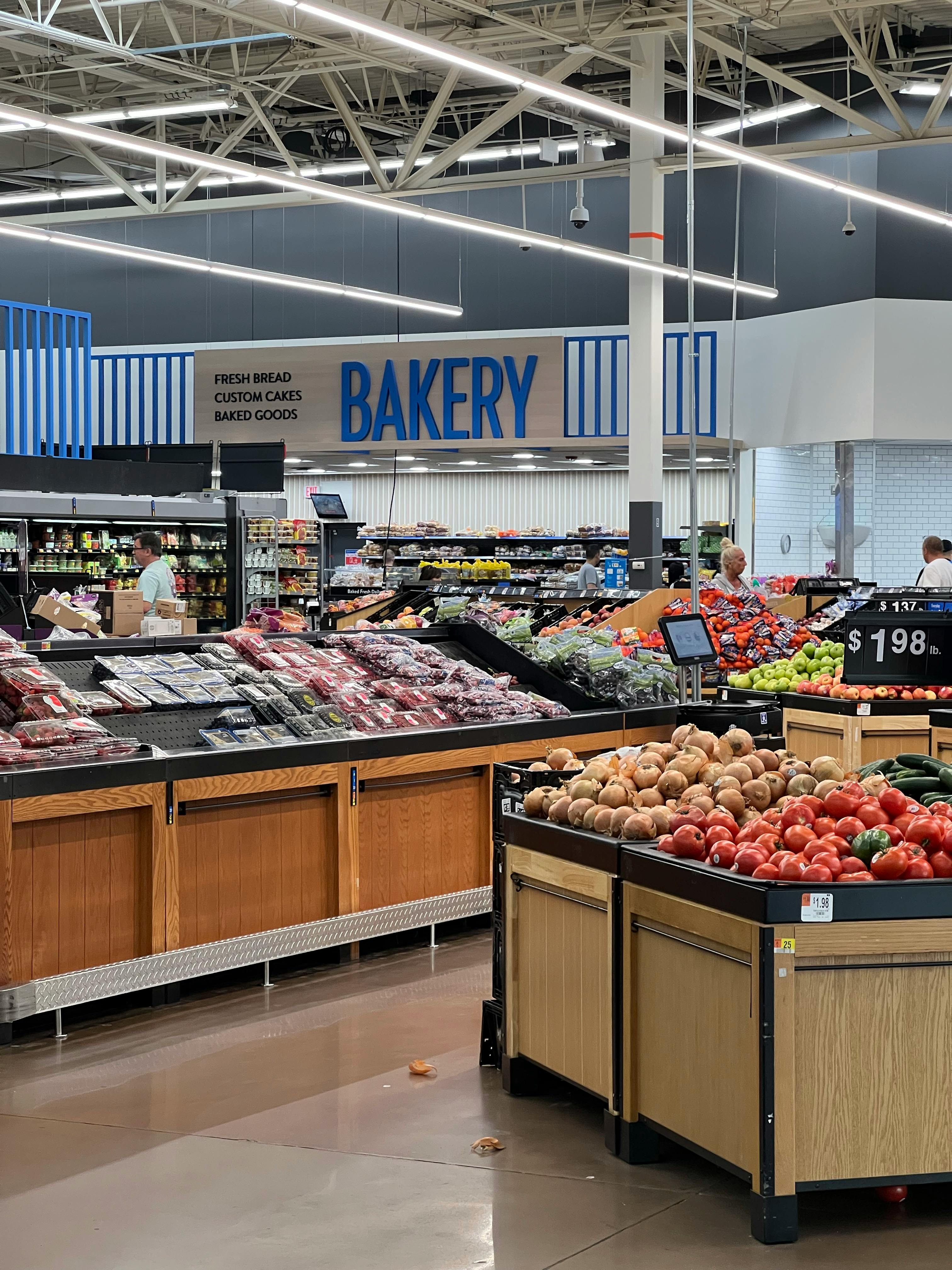
The next phase of grocery change will likely be even more personalized, but not always in ways shoppers immediately notice. Stores will continue trimming low-performing products, expanding private label, and using data to tailor shelves to local demand. That means shoppers may keep seeing more targeted assortments and fewer broad, one-size-fits-all selections.
Prepared food is another area to watch. As more consumers look for restaurant-quality convenience at lower cost, grocers are putting more effort into ready-to-eat meals, heat-and-serve kits, and fresh food bars where local regulations and staffing allow. This changes shelf space too, because square footage once used for packaged goods may shift toward deli, bakery, and refrigerated meal solutions.
For shoppers, the practical takeaway is simple: if a favorite item disappears, it is often not random. It may have lost a profitability test, failed a local sales benchmark, or been replaced by a higher-margin or trend-aligned alternative. Grocery stores are changing what they stock quietly because subtle change is easier than dramatic overhaul, but the impact is real every time a shelf looks just a little different than before.




Leave a Reply