
People are fascinated by what happens after the lunch rush ends. At Chick-fil-A, the fate of leftover chicken reveals a careful balance between food safety, brand standards, and waste management.
Why the question keeps coming up
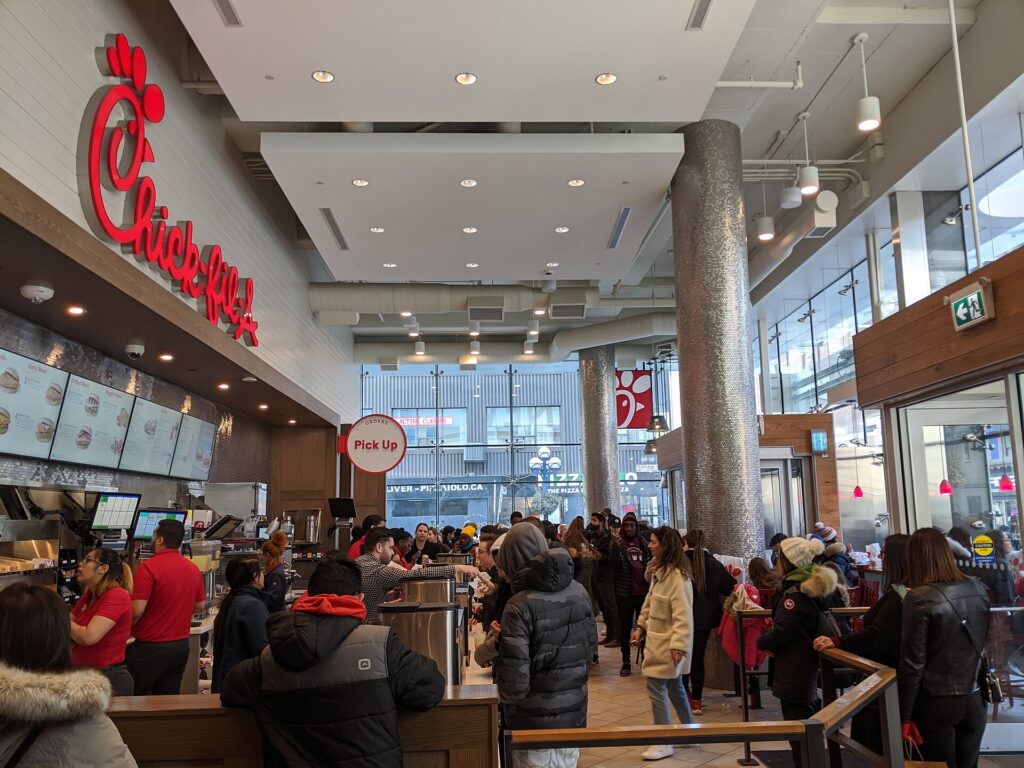
Fast-food customers have become far more interested in behind-the-scenes operations than they were a decade ago. People no longer just want a sandwich served quickly. They want to know where the food came from, how it was handled, and what happens when it is not sold.
That curiosity is especially intense with Chick-fil-A because the brand has built its reputation on freshness. Its hand-breaded chicken, pressure-cooked fillets, and tightly managed kitchen routines create an expectation that every item is prepared to a strict standard. When a company markets quality so heavily, customers naturally ask what happens to food that does not get used.
Social media has added fuel to that conversation. Videos from restaurant workers, customer theories, and online debates often turn ordinary kitchen practices into viral topics. In many cases, leftover chicken becomes shorthand for a bigger question: is the company truly as fresh and disciplined as its image suggests?
Industry experts say this kind of scrutiny is now normal. Consumers are watching food waste, portioning, and restaurant transparency more closely than ever. In that environment, even a basic operational policy can become a talking point.
The core answer: safety rules come first
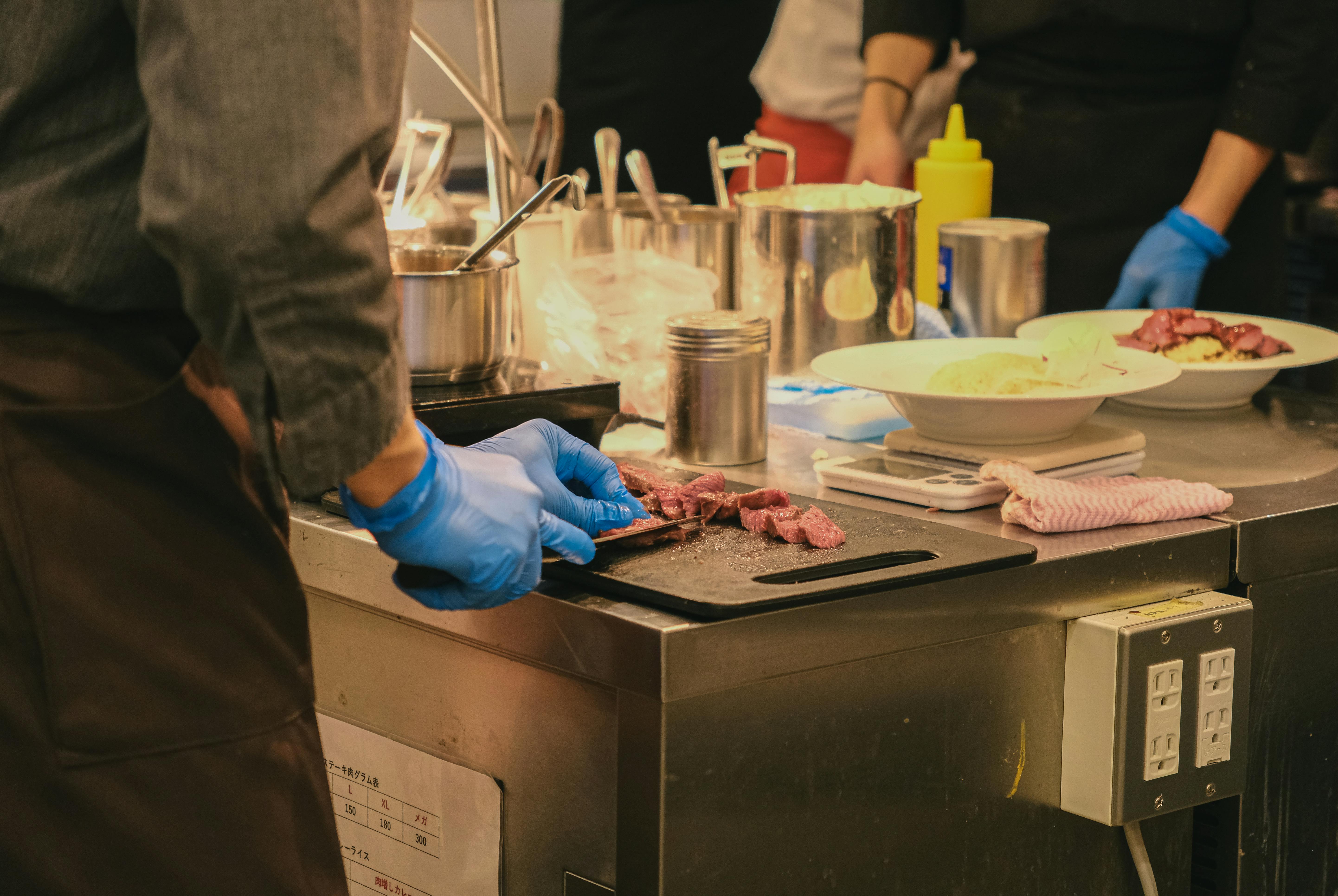
The simplest answer is also the most important one. Chick-fil-A restaurants follow holding-time standards for cooked food, and chicken that no longer meets those standards is not supposed to be served to customers. That is less dramatic than many rumors suggest, but it is the foundation of the company's approach.
In quick-service kitchens, cooked chicken can only remain in service for a limited period before quality and safety start to decline. Heat lamps and warming cabinets help preserve temperature, but they do not keep food fresh forever. Once the approved window closes, the product is typically removed from active service.
This matters because foodborne illness risks rise when restaurants blur timing rules. The U.S. foodservice industry relies on strict time-and-temperature controls, and major chains build their reputation on enforcing them. A company like Chick-fil-A has little incentive to gamble with old product, especially when one food safety failure could damage trust nationwide.
Former restaurant workers and foodservice trainers often describe this process as routine rather than exceptional. Leftover cooked chicken is generally tracked, rotated, and discarded when it ages out of approved use. Customers may not see that process, but it is a central part of how large chains protect consistency.
How kitchens try to avoid leftovers in the first place
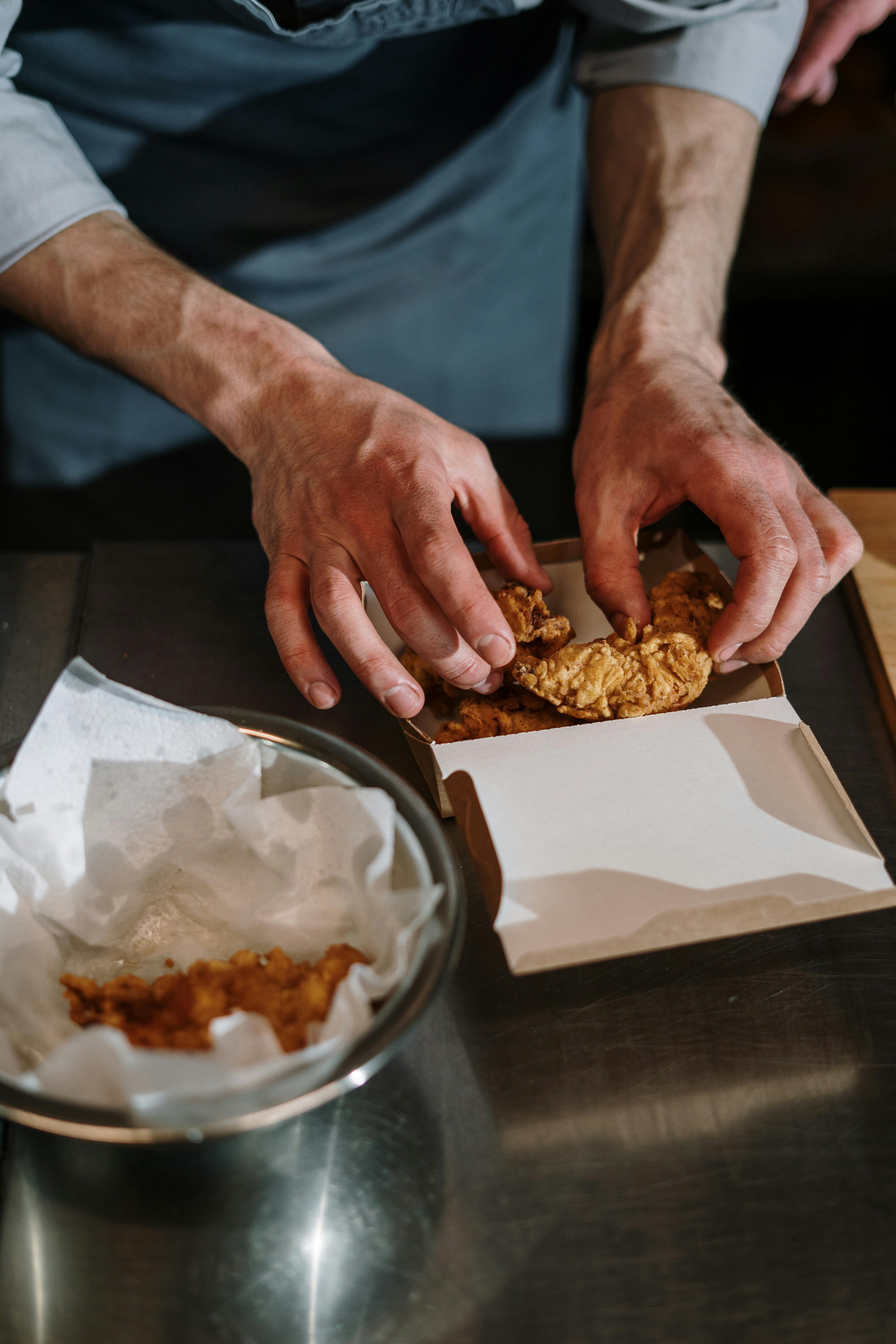
The more interesting part of the story may be that Chick-fil-A works hard to prevent large amounts of leftover chicken from building up at all. Restaurant forecasting tools help managers estimate demand by daypart, season, local events, weather, and even traffic patterns. That reduces the number of fillets cooked too far ahead of actual orders.
This is one reason the chain is known for brisk, highly choreographed kitchens. Team members monitor sales flow constantly, adjusting production in small batches instead of flooding the line with excess product. The goal is to keep food moving fresh while limiting overproduction.
Fast-food operators call this production discipline, and it has major financial consequences. Chicken is expensive, labor is expensive, and waste directly hurts restaurant margins. According to foodservice consultants, cutting overproduction by even a few percentage points can make a noticeable difference for unit-level profitability.
Customers sometimes assume leftovers pile up in back rooms at the end of the night. In a well-run quick-service operation, that is exactly what managers are trying to prevent. The smartest waste policy is not merely deciding what to do with old chicken. It is using systems that make old chicken less common.
What happens to chicken that cannot be sold
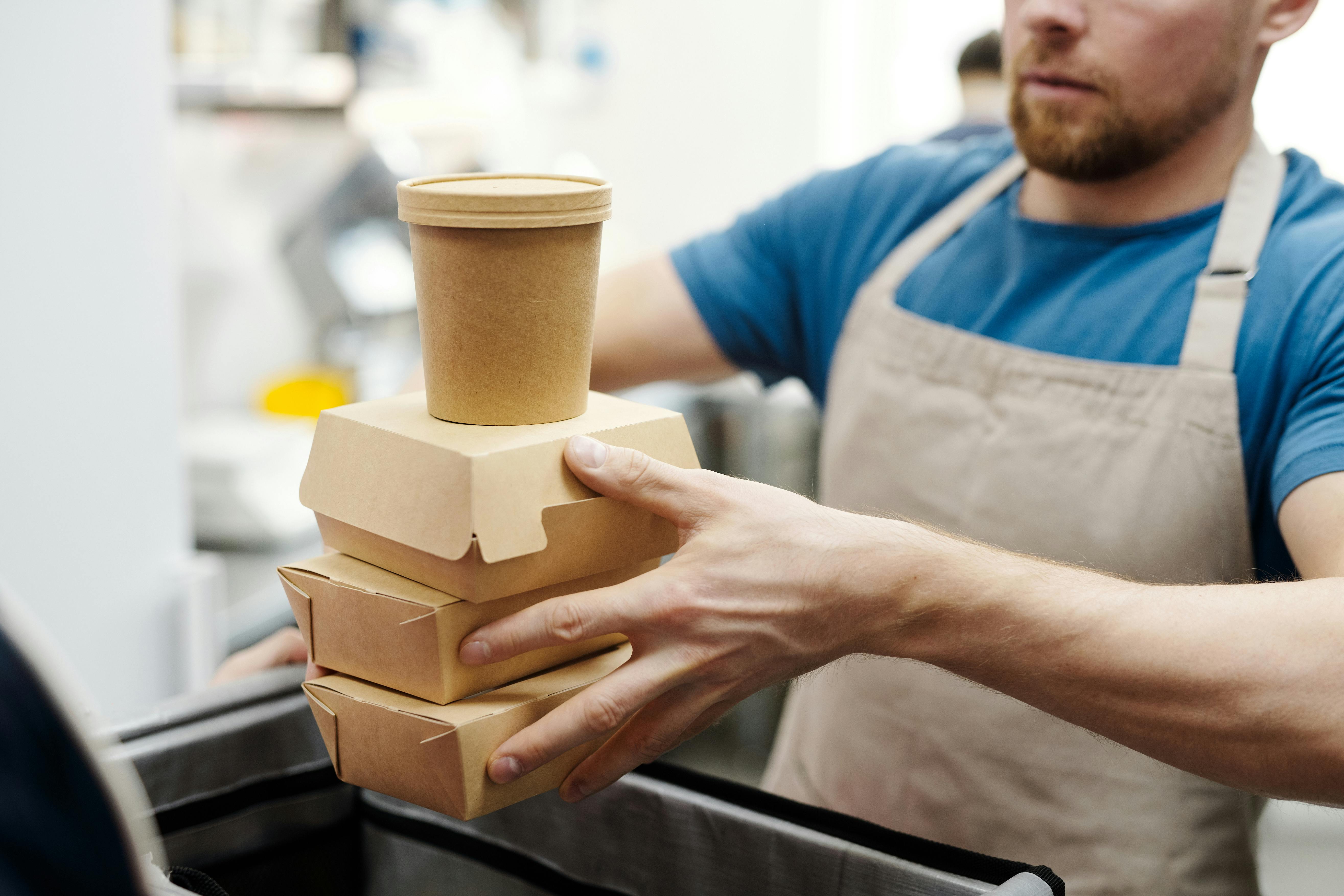
When cooked chicken exceeds its approved holding time, it is generally treated as waste rather than repurposed for the next day's sandwiches. That point is critical because many customer rumors center on the fear that unsold chicken might be quietly recycled into future meals. Chick-fil-A's operating model depends on avoiding that perception and the risk behind it.
Food discarded at restaurants can enter several channels depending on the location and local rules. Some of it is simply thrown away as part of normal food waste. In some markets, restaurants may also participate in broader waste-reduction programs such as composting, grease recycling, or managed food-waste collection, though those practices vary widely.
There is also a distinction between cooked leftovers and ingredients still safe for donation. Donation programs usually depend on local nonprofit partnerships, health regulations, timing, and proper storage conditions. Not every food item qualifies, and cooked chicken that has aged out of service standards is a very different category from unopened or otherwise safely handled food.
That distinction is why the issue gets misunderstood. People hear that a company wants to reduce waste and assume all leftover food should be donated. In reality, restaurants must separate what is still safe and compliant from what has already passed the point where responsible operators would serve or give it away.
Why customers are reacting so strongly
Part of the public reaction comes from economics. Food prices remain high, and many people dislike the idea of any edible product being discarded when families are struggling to afford meals. From that viewpoint, waste feels morally frustrating even when the restaurant is following proper rules.
Another factor is Chick-fil-A's brand identity. The company is associated with order, hospitality, and premium fast food standards. Customers therefore expect not just a safe answer, but an ethically satisfying one. If they imagine quality food ending up in the trash, it can clash with the warm, polished image they associate with the brand.
There is also a broader cultural shift around sustainability. Younger consumers in particular pay closer attention to waste streams, packaging, sourcing, and environmental impact. A chain may be complying fully with food safety law and still face criticism if customers believe it is not doing enough to minimize waste upstream.
That is why this issue keeps gaining traction online. It touches three sensitive areas at once: trust, affordability, and sustainability. Even when the operational answer is straightforward, the emotional response is much larger because customers see leftover chicken as a symbol of how modern food systems work.
The bigger lesson for fast-food chains
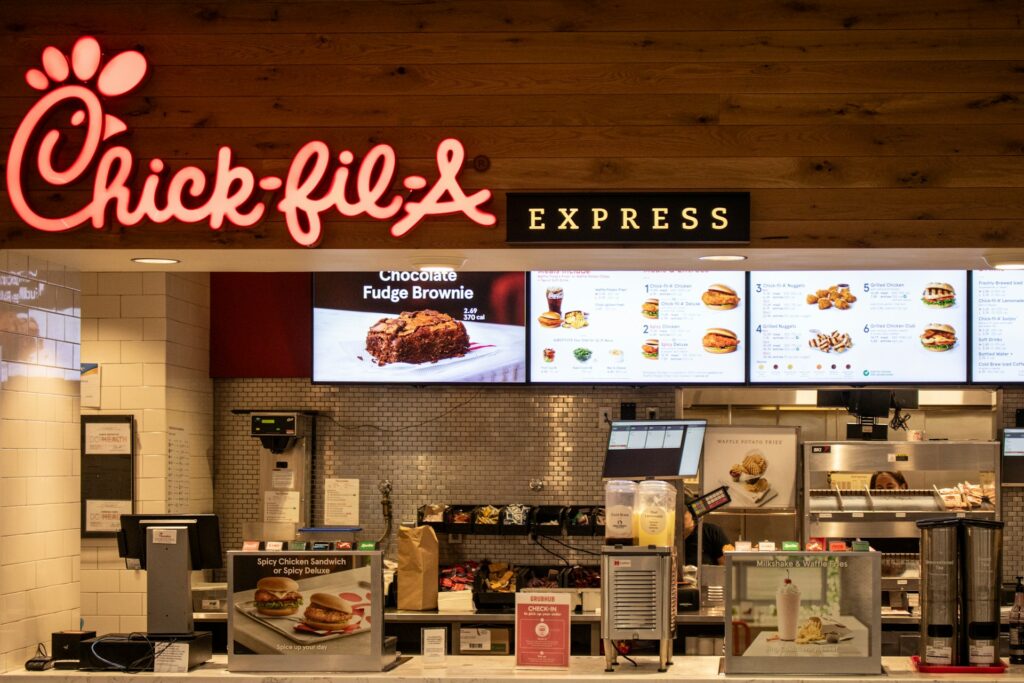
What Chick-fil-A does with leftover chicken ultimately says more about restaurant discipline than about one viral mystery. Large chains survive by making repeatable decisions at scale, and those decisions are shaped first by food safety, then by quality control, and finally by waste reduction. That order may not always satisfy public emotion, but it is how responsible operations are built.
Experts in restaurant management often note that the best-run brands treat waste data as a management tool. They study what was discarded, when, and why. That information helps stores improve forecasting, train staff better, and reduce avoidable losses without pushing old food onto customers.
For consumers, the takeaway is fairly clear. If Chick-fil-A is operating as intended, leftover chicken that no longer meets standards is not tomorrow's sandwich. Instead, the system is designed to cook in tighter batches, remove aging product, and protect the fresh-food promise the company sells every day.
That may not be the feel-good answer some customers hoped for, but it is the practical one. In modern fast food, the most responsible choice is often not finding a clever use for every leftover piece. It is preventing excess in the first place and refusing to compromise once quality time runs out.



Leave a Reply