
Community cookbooks from the early 2000s were part fundraiser, part family archive, and part culinary time capsule. Tucked between casseroles and church-supper staples were recipes so odd they now read like edible folklore. This gallery revisits 10 of the most "cursed" combinations, not to mock the cooks who made them, but to understand the pantry trends, convenience foods, and regional habits that made them feel perfectly normal at the time.
Ham and Banana Hollandaise Bake
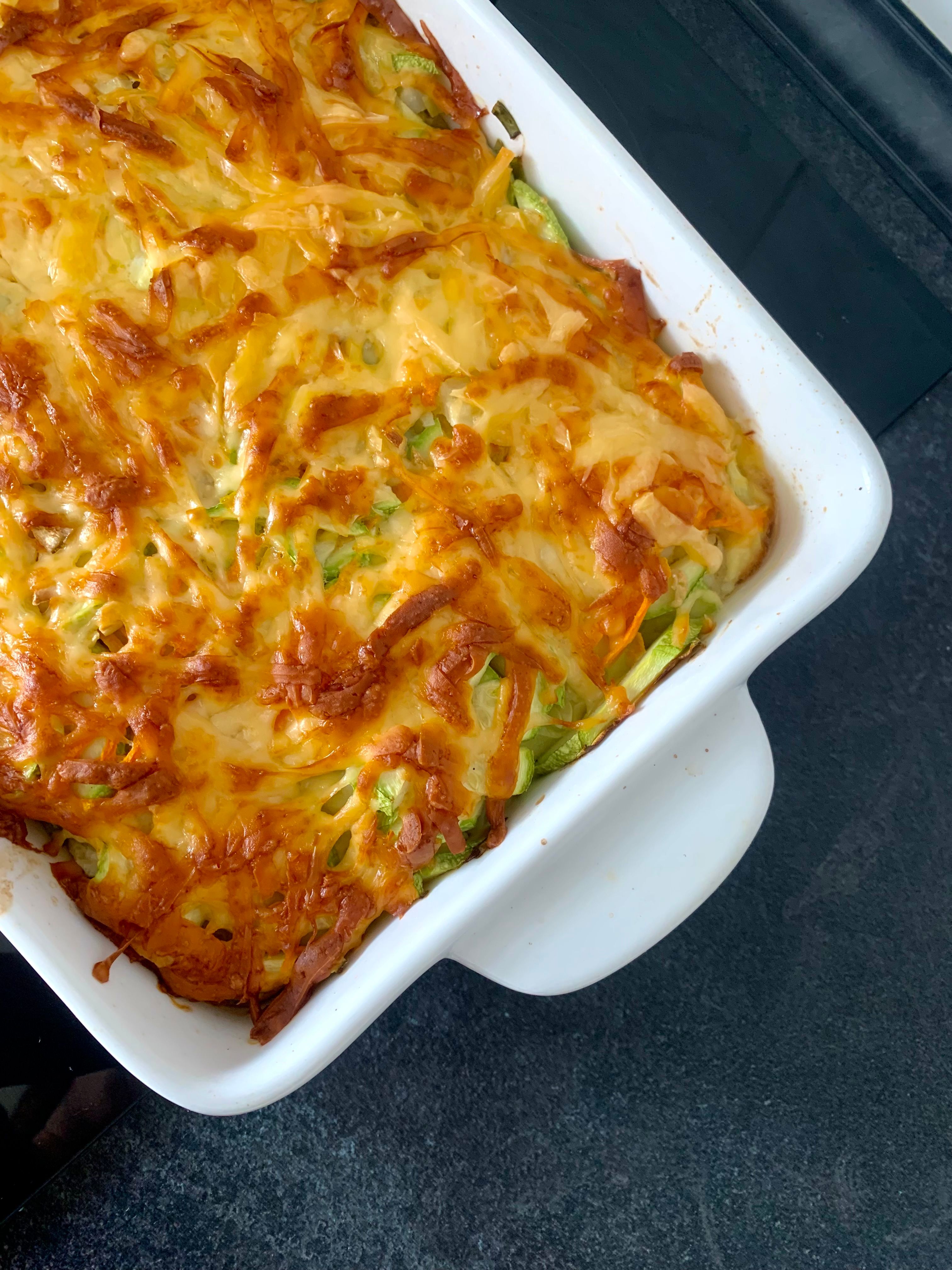
Nothing announces old-school potluck ambition quite like wrapping bananas in slices of ham and covering the whole thing in a glossy sauce. This dish appeared in community cookbooks well before the 2000s, but it lingered into that era because fundraiser collections often reprinted beloved submissions for years.
The flavor logic was built on sweet-and-savory contrast, a hallmark of mid-century entertaining that survived in church basements and family reunions. Bananas were inexpensive, ham felt celebratory, and bottled or packet hollandaise made the recipe seem elegant without much effort.
Today, the combination reads as surreal. But in its moment, it represented convenience, thrift, and the lasting influence of a generation that prized novelty on the buffet table.
Lime Jell-O Tuna Mold
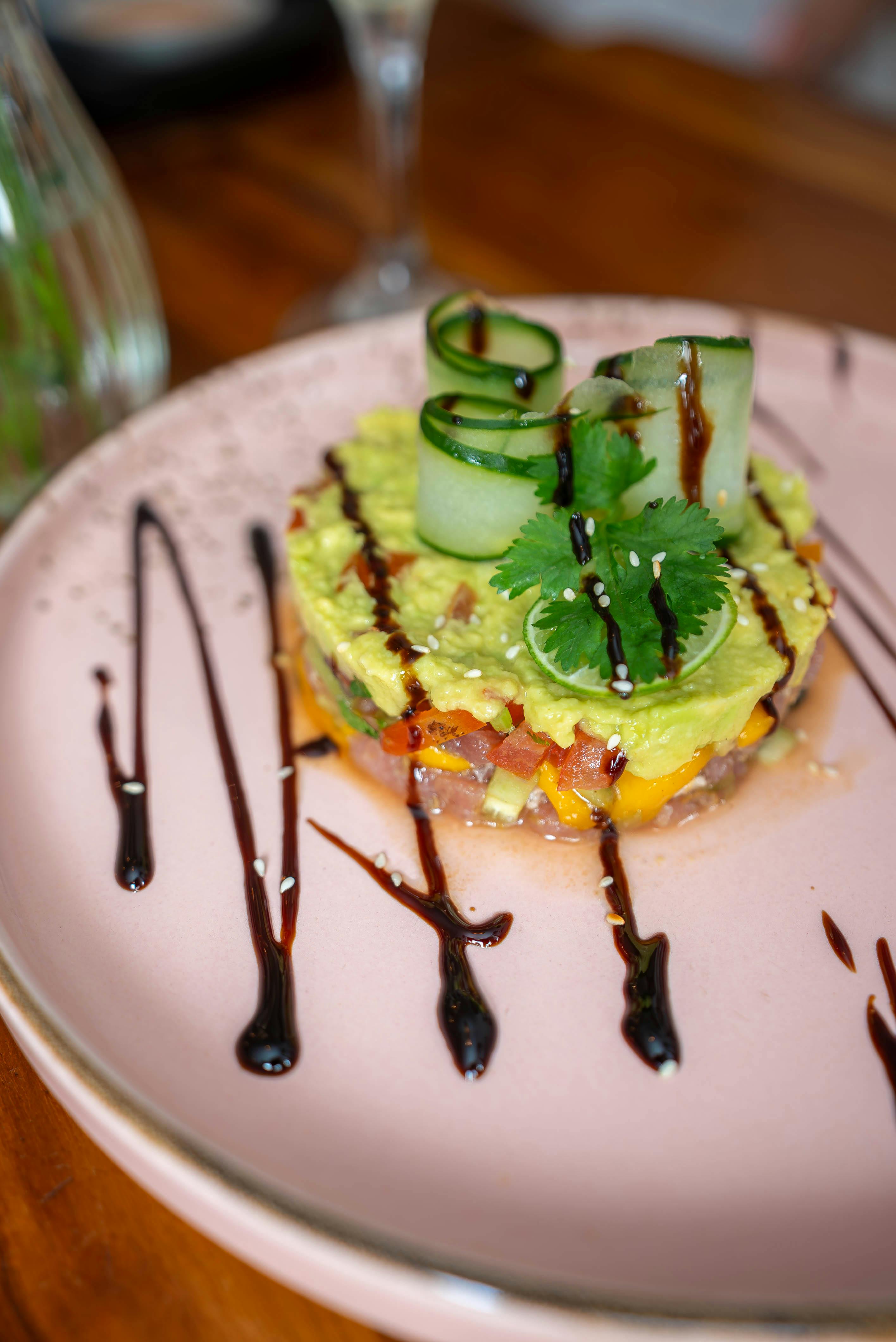
Few foods capture the uncanny mood of old community cookbooks better than a savory gelatin mold. By the early 2000s, recipes like lime Jell-O mixed with tuna, celery, and sometimes cream cheese were already relics, yet they still turned up because many local cookbooks recycled handwritten favorites from earlier decades.
The appeal once made practical sense. Gelatin dishes held well on buffet tables, stretched small amounts of protein, and photographed as festive in earlier eras. Bright lime also signaled freshness, even when the contents were unmistakably fishy.
Modern diners tend to recoil at the texture more than the ingredients. Cold, wobbly tuna suspended in neon gelatin asks people to trust a culinary idea that no longer feels safe, even if it once symbolized proud hospitality.
Coke Salad With Marshmallows
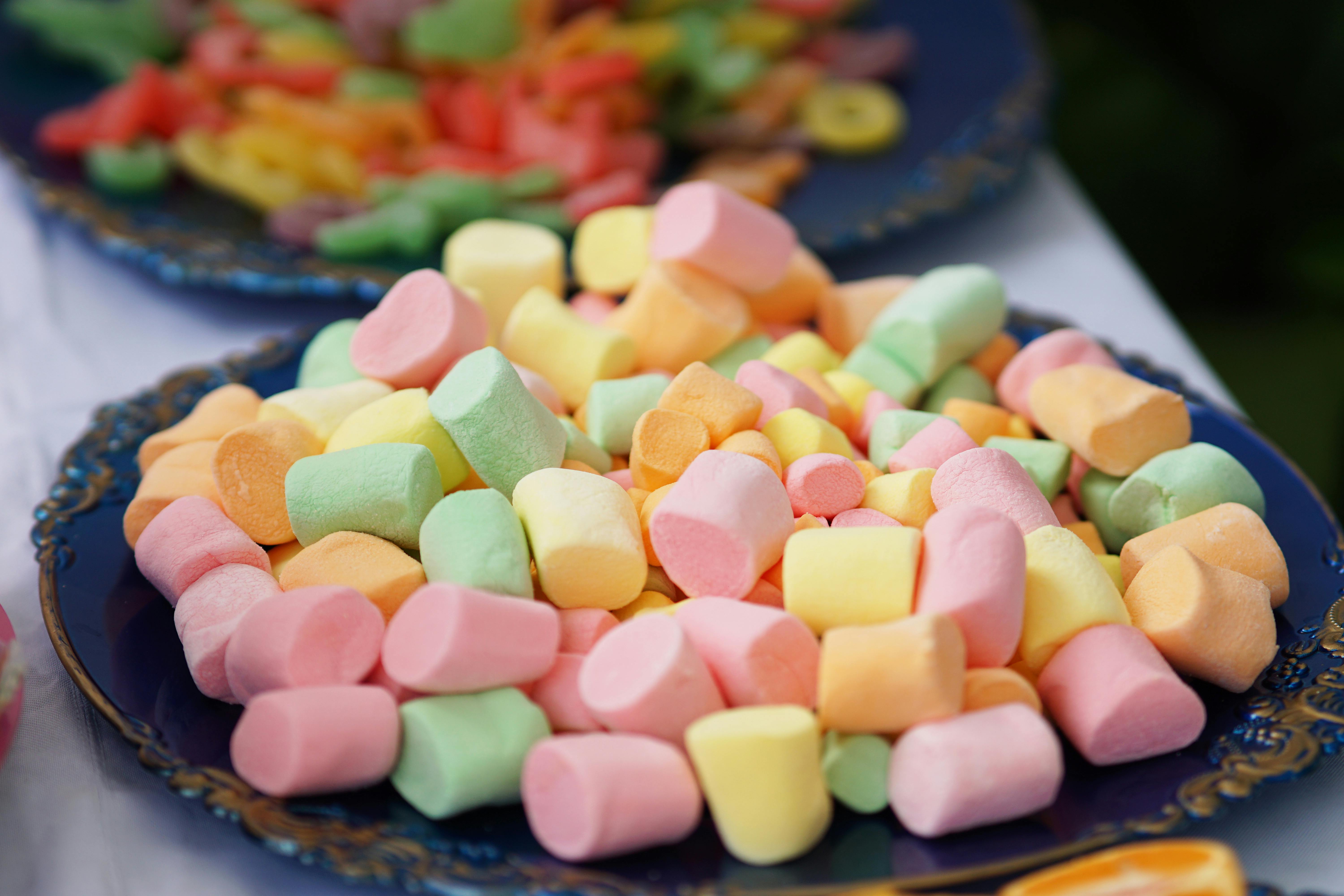
In some community cookbooks, the word salad did a heroic amount of work. Coke salad usually involved cola, dark cherries or crushed pineapple, gelatin, and a topping or filling of whipped cream, cream cheese, or marshmallows, creating something between a dessert and a side dish.
This kind of recipe made sense in regions where congealed salads stayed popular long after national food trends moved on. Soft drinks were pantry staples, and using cola in a molded dish added sweetness, color, and a sense of playful abundance that fit holiday tables and reunion spreads.
What makes it feel cursed now is the collision of categories. It looks like dessert, sits beside ham, and tastes like a carbonated memory trying to become a casserole.
Doritos Chicken Casserole
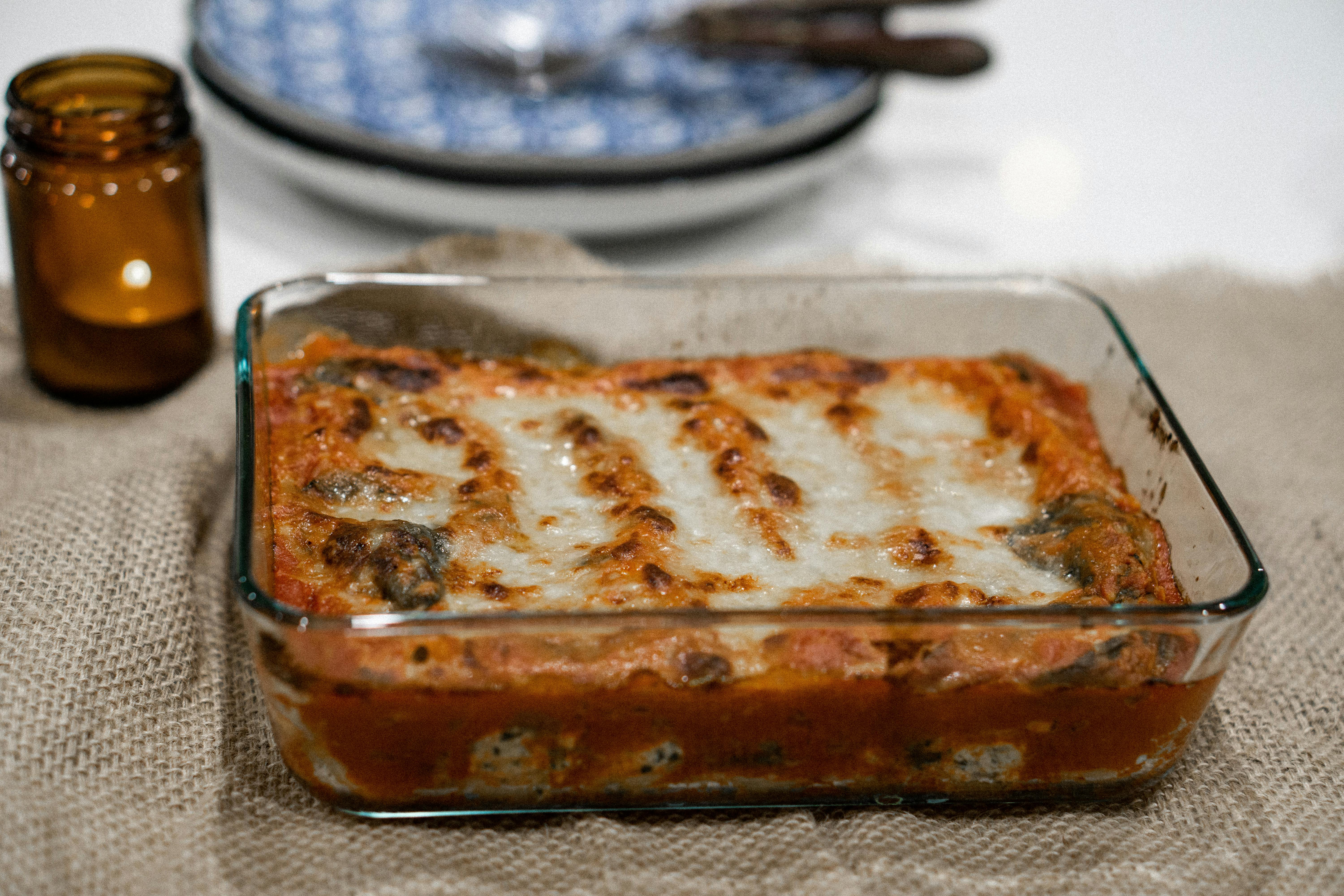
This recipe is less shocking than some older oddities, but it is deeply tied to early 2000s cookbook culture. Crushed nacho chips, canned cream soup, shredded chicken, sour cream, and lots of cheese created the kind of quick, crowd-feeding bake that showed up in school, church, and junior league collections everywhere.
Its popularity came from convenience-driven home cooking. Rotisserie chicken was easy to find, canned soup was a trusted shortcut, and Doritos added crunch, salt, and a branded flavor bomb that made the dish feel fun for kids and casual gatherings.
The cursed quality comes from excess. It is a casserole built from foods that are already heavily seasoned, so every bite tastes louder than the last. Still, it remains one of the era's most recognizable comfort dishes.
Snickers Salad
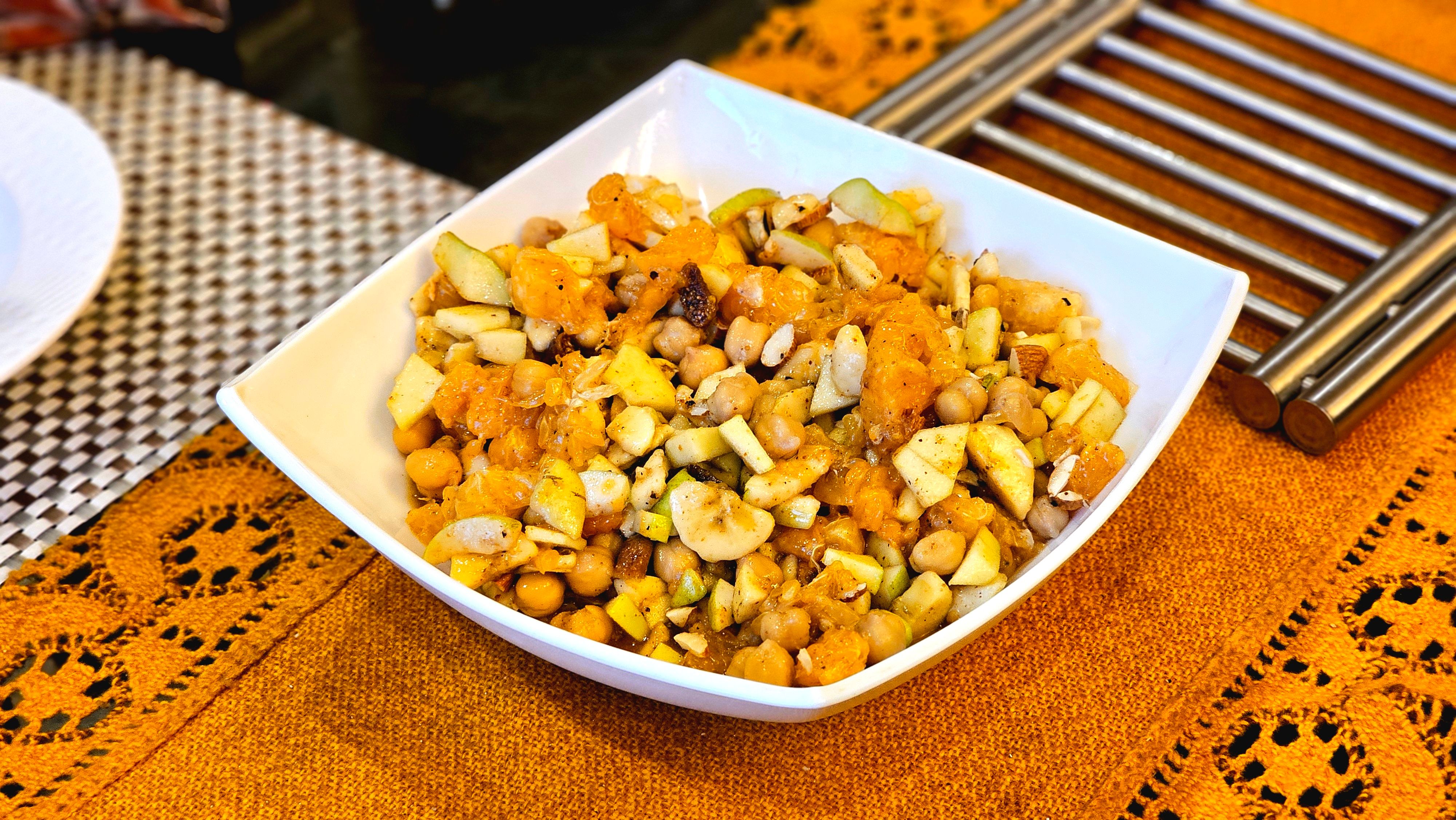
Midwestern potluck veterans know this one well. Chopped Snickers bars folded into whipped topping with tart apples, and sometimes pudding mix or caramel, created a bowl that somehow kept the title of salad while functioning as pure dessert.
The recipe spread because it was cheap, fast, and reliably popular. Apples gave it crunch and just enough fruit to make it seem picnic-appropriate, while fun-size candy bars fit perfectly into the portioned, brand-friendly cooking style of the late 1990s and early 2000s.
What unsettles outsiders is not the taste, which is undeniably pleasing, but the framing. Calling a candy-and-whipped-cream bowl a salad reveals a regional food language where potluck categories matter as much as ingredients, and often more.
Pineapple Cheese Casserole
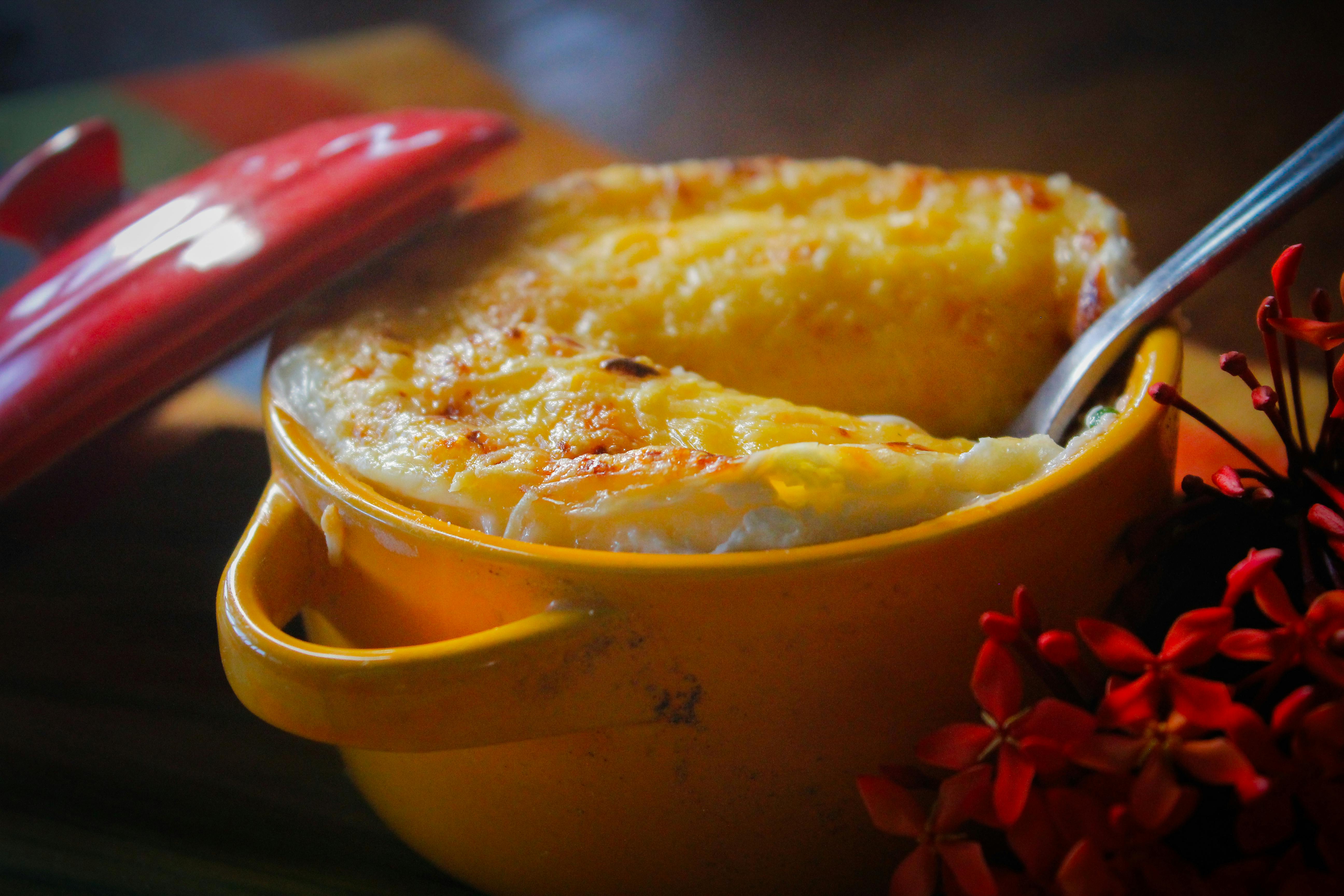
This Southern classic often surprises first-time readers because it pairs canned pineapple, sharp cheddar, butter, and cracker crumbs in one baking dish. In early 2000s community cookbooks, it was still a standard holiday side, especially beside ham, where sweet fruit and salty cheese were expected to balance each other.
The combination has deeper roots than internet food culture might suggest. Southern entertaining has long embraced tension between sweet and savory, and pantry staples like canned pineapple made festive dishes possible year-round without expensive fresh produce.
To modern eyes, the melted cheddar is the part that feels most alarming. Yet when served hot, the casserole lands somewhere between gratin and dessert, which is exactly why devotees defend it so fiercely.
Seven-Layer Lettuce Salad With Sugar
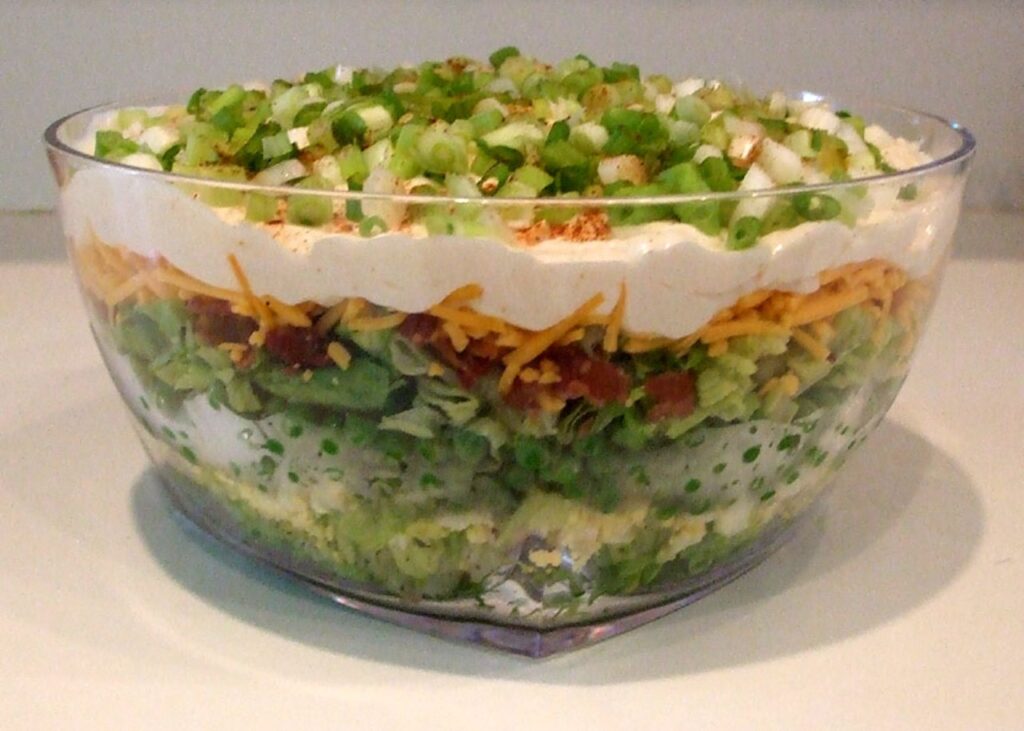
At first glance, a layered lettuce salad seems harmless. Then the dressing appears, usually a thick blanket of mayonnaise mixed with sugar, spread across peas, cheese, bacon, and iceberg lettuce before chilling overnight in a glass bowl for maximum visual drama.
This dish survived into the early 2000s because it looked impressive and could be made ahead, a major advantage for church suppers and funeral luncheons. The sugar in the dressing softened the sharpness of the mayonnaise and echoed the era's fondness for creamy salads with a hint of sweetness.
The result can be unexpectedly heavy for something called salad. It crunches, it creams, and it often leaves diners wondering how a bowl of lettuce became one of the richest dishes on the table.
Ramen Noodle Coleslaw
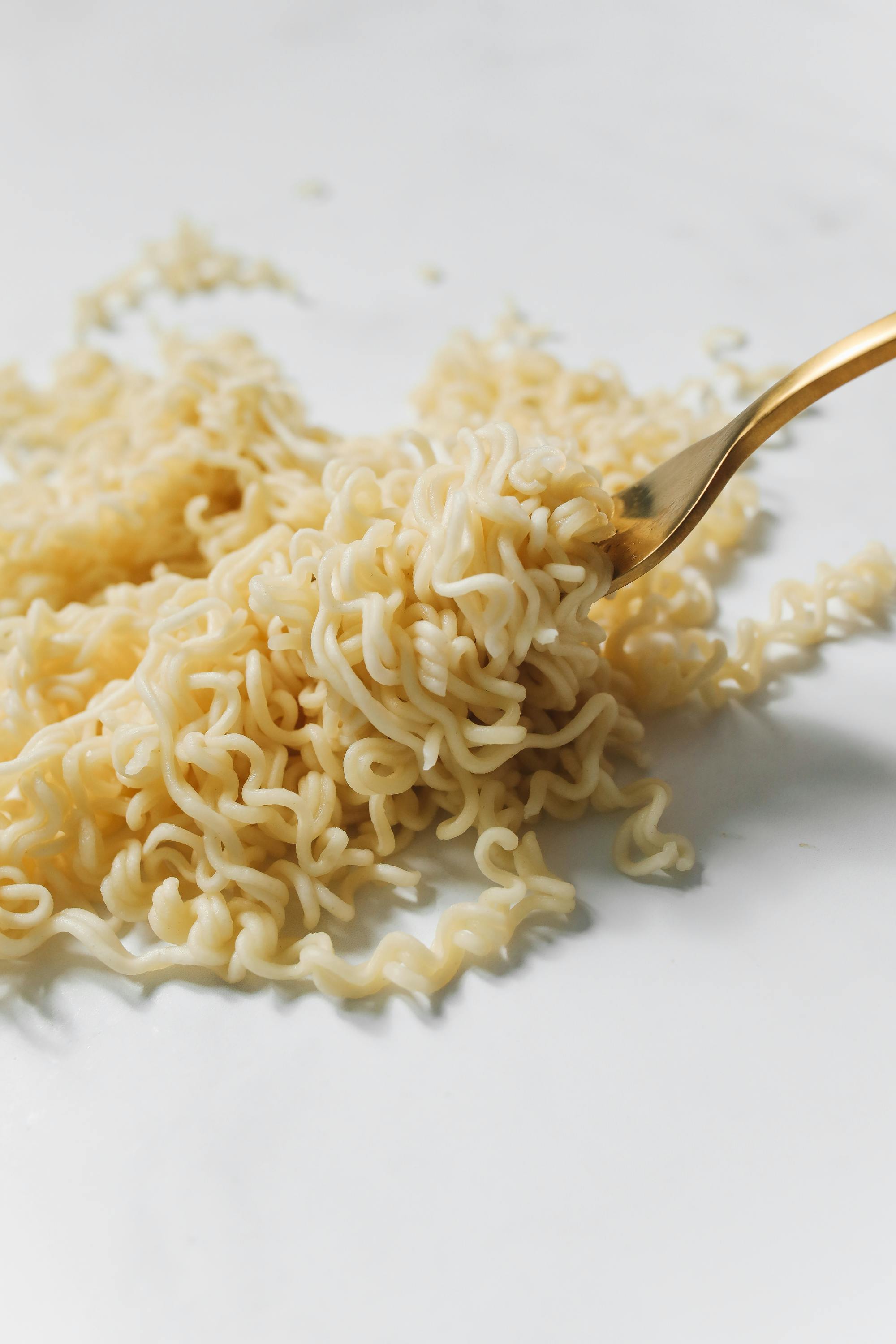
This recipe became a community-cookbook staple because it solved several problems at once. Shredded cabbage mix, crushed instant ramen noodles, sunflower seeds, almonds, and a sweet dressing made a cheap, portable salad with plenty of texture and no delicate ingredients to wilt too quickly.
The early 2000s loved recipes that transformed packaged foods into something party-worthy. Ramen, especially the seasoning packet, added salt, sugar, and instant flavor, while the crunchy noodles delivered the kind of contrast that made every scoop feel engineered for second helpings.
Its cursed reputation comes from the surprise factor. A college dorm staple suddenly appears in a church salad bowl, dressed up but not entirely disguised. Even so, it remains one of the most enduring potluck formulas of the era.
Chicken Spaghetti With Velveeta
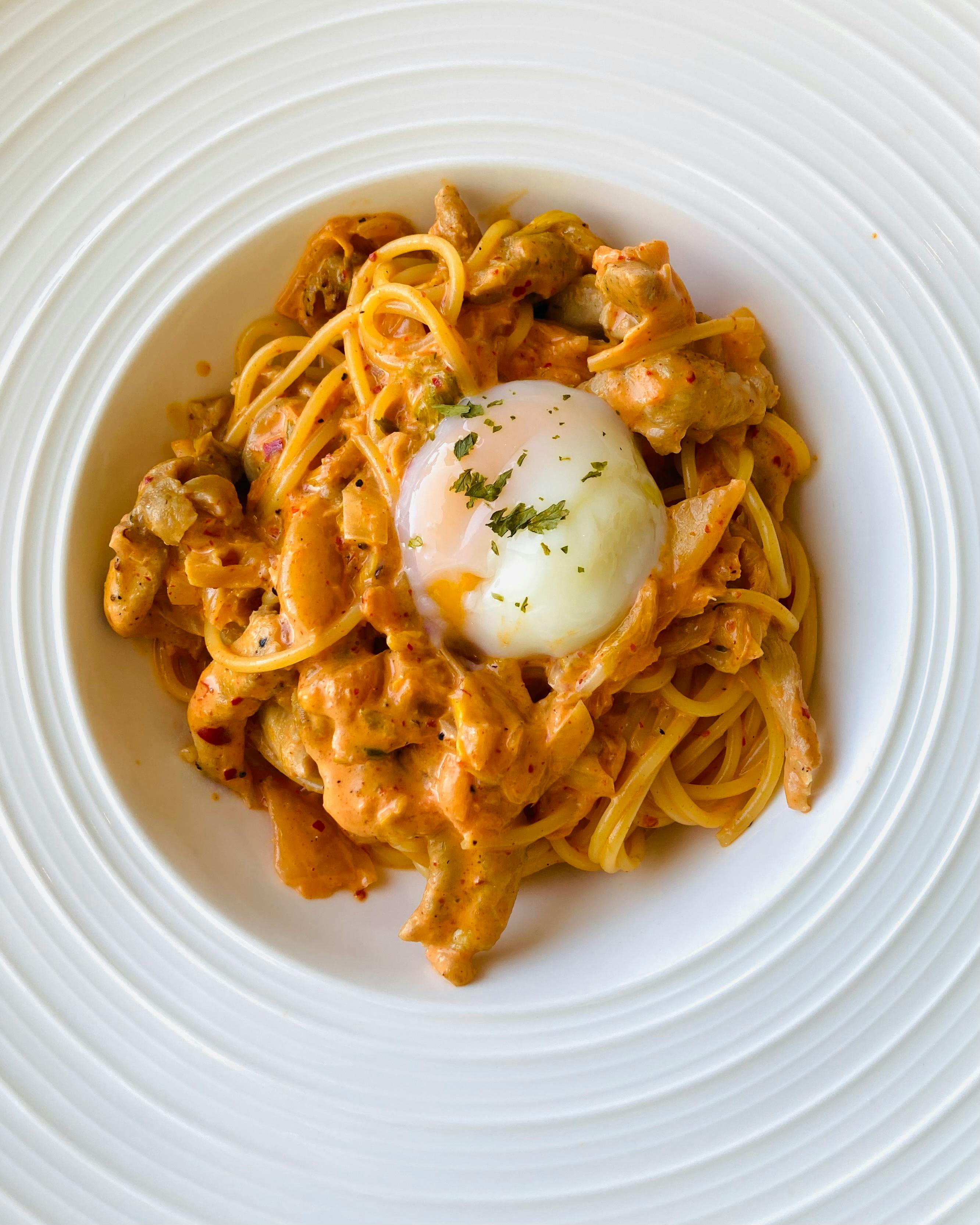
This casserole was a titan of early 2000s family cooking. Cooked spaghetti, shredded chicken, canned tomatoes with chiles, cream soup, and a block of Velveeta baked into a scoopable mass that sat somewhere between pasta dinner and queso dip.
Its staying power came from pure practicality. It fed a crowd, reheated well, and relied on products many households already kept on hand. Velveeta, in particular, offered a smooth, foolproof melt that home cooks trusted when they needed a casserole to come out creamy every time.
The dish feels cursed mostly because of its density. Spaghetti is usually twirled, not sliced into squares from a baking pan. But for many families, that exact heft is the point, a dependable kind of comfort that never pretended to be refined.
Watergate Salad

Watergate salad never really disappeared, and that is part of its strange power. Pistachio pudding mix, canned pineapple, whipped topping, marshmallows, and sometimes nuts combined into a fluffy green bowl that kept reappearing in community cookbooks long after its 1970s peak.
By the early 2000s, it survived because it was easy, nostalgic, and almost impossible to ruin. The ingredients were shelf-stable or freezer-friendly, the color was memorable, and the result fit perfectly into the dessert-salad category that many regional tables still treat as essential.
Its cursed aura comes from its artificial cheerfulness. That pale green fluff looks whimsical until you remember it is made from pudding powder and canned fruit. Then it becomes a very specific kind of American memory, sweet, soft, and slightly unsettling.




Leave a Reply