
You are not imagining it: plastic has entered the food chain far more deeply than most official guidance has fully captured. The evidence now points to a simple truth that is unsettling but actionable, because some of the biggest exposure points are inside the average kitchen.
Why microplastics in food are probably undercounted

The official picture is incomplete because the science is still catching up to the scale of the problem. Microplastics, usually defined as particles smaller than 5mm, and nanoplastics, which are even smaller, are difficult to measure consistently across food types. Different labs use different methods, and many routine food safety systems were never designed to detect them in the first place.
That matters because recent studies have found plastic particles in meat, eggs, dairy, grains, vegetables, honey, and drinking water. According to reporting from the BBC's Future desk in 2025, researchers increasingly describe contamination as widespread rather than occasional. In practical terms, that means the numbers consumers hear may reflect what has been measured so far, not the full amount people are actually ingesting.
There is also a hidden timing issue. Food can pick up plastic in the field, during transport, in industrial processing, while packaged, and again at home during storage and cooking. Each step adds another chance for contamination, so a single "official" figure for a food item can miss the many points where exposure accumulates.
Experts such as Sheela Sathyanarayana at the University of Washington have stressed that this is not a reason for panic, but it is a reason to pay attention. The research is strong enough to show broad exposure, even if exact totals remain uncertain. When a problem is measured imperfectly but detected almost everywhere, undercounting becomes a serious possibility.
How plastic gets into foods before they reach your kitchen

Most people picture contamination beginning with packaging, but it often starts much earlier. Crops can absorb contaminants from soil and irrigation water, especially on land with an industrial legacy or where plastic debris has broken down over time. Livestock and fish are also exposed through feed, water, and surrounding environments long before they become food products.
Processing adds another major layer. Ultra-processed foods typically pass through more machinery, more conveyor belts, more storage systems, and more packaging stages than whole foods. Every additional touch point increases the chance that tiny particles shed into ingredients, which is one reason researchers and public health experts often view heavily processed foods as a higher-risk category for plastic contamination.
Rice is one of the clearest examples. An Australian study cited by the BBC found that people could be consuming 3-4mg of plastic per serving of home-cooked rice, and up to 13mg per serving of pre-cooked rice. That difference is important because it shows how added processing can increase exposure before the food ever reaches a stovetop.
Even "paper" packaging is not always a reliable escape route. Some foods sold in paper containers show contamination levels similar to foods sold in plastic, either because of prior processing or because paper packaging can include plastic components and coatings. The broader lesson is that plastic exposure in food is often systemic, not just a packaging problem.
Water may be one of your biggest daily exposure points

Water is so routine that it is easy to overlook, yet it may be one of the most consistent ways people consume microplastics every day. Bottled water has drawn growing concern because repeated opening and closing of plastic caps can generate additional particles. One study found that twisting a plastic bottle cap on and off produced 553 microplastic particles per liter.
Bottled water is not the only issue. Tap water studies from the UK, the US, Europe, China, Japan, and Saudi Arabia have detected microplastics repeatedly, suggesting this is a global contamination pattern rather than a local anomaly. In one UK study, all 177 tap water samples tested contained microplastics, and concentrations were not meaningfully different from bottled water.
That does not automatically mean bottled and tap water are equal choices. Where tap water is safe to drink, many experts still consider it the better option because it avoids bottle and cap friction and reduces plastic contact overall. Annelise Adrian of World Wildlife Fund has pointed to filtration as one of the most practical household fixes.
A decent carbon filter can make a measurable difference. Some research suggests simple pitcher-style carbon filters can remove up to 90% of microplastics from drinking water. For families trying to reduce exposure without overhauling everything else, filtered tap water may be one of the cheapest and most effective steps available.
Your packaging, containers, and utensils can add more plastic
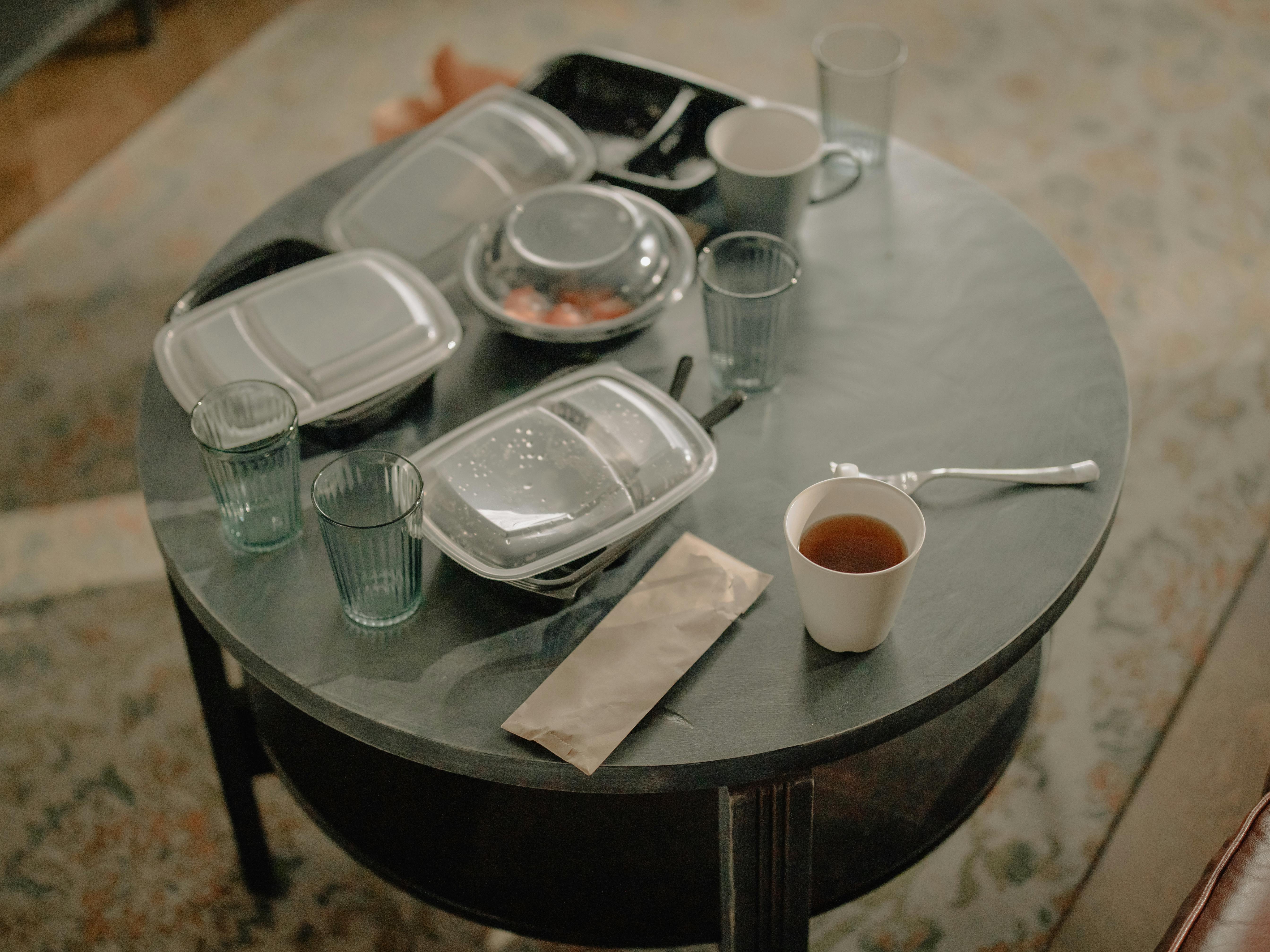
The kitchen itself can quietly turn into a contamination source. Opening a plastic package, tearing a pouch, slicing a bag, or twisting off a lid can release a burst of particles. An Australian study found these actions could generate up to 250 bits of microplastic per centimetre, which means ordinary food handling may add contamination before the meal is even prepared.
Storage matters too. Food kept in plastic tends to pick up plastic over time, and older containers often shed more as they wear down. Research on reusable melamine bowls found that after 100 washes, microplastic release increased dramatically compared with the first wash. Reuse is useful, but age and damage clearly change how much material breaks off.
Cutting boards and utensils deserve special attention. Studies have linked plastic chopping boards to microplastics found in meat, including cases where the particles later melted during cooking and re-solidified as the food cooled. A worn butcher's board examined in one study was estimated to have lost 875g of material over its usable life, a striking reminder that "durable" plastic still erodes.
The best approach is selective replacement, not a dramatic purge. If a spatula is flaking, a container is scratched, or a cutting board is scarred and rough, replace it with glass, stainless steel, or another more stable option where practical. Researchers such as Vilde Snekkevik have specifically advised against throwing out every plastic item at once, because targeted change is more sensible and less wasteful.
Heat is one of the fastest ways to increase plastic shedding

Heat changes the equation dramatically. The hotter plastic gets, the more likely it is to release microplastics and nanoplastics into food and drinks. That is why microwaving food in plastic, pouring hot liquids into disposable cups, or cooking with visibly degraded plastic tools can be more concerning than room-temperature contact.
One study found that microwaving plastic containers for three minutes could release up to 4.22 million microplastic particles and 2.11 billion nanoplastic particles from just one square centimetre of plastic. Those numbers are startling, but they fit a broader pattern: heat damages plastic surfaces and increases fragmentation. What was once a stable container can become an active source of contamination under stress.
Hot drinks are another overlooked source. Research on disposable plastic cups found that polypropylene cups holding water at 50C released especially high levels of microplastics, while cold contents caused less damage. The same basic principle applies across kitchens: avoid letting plastic meet heat whenever you can reasonably prevent it.
This is where simple substitutions have outsized value. Reheat food in glass or ceramic, brew hot drinks in stainless steel or glass, and avoid placing hot leftovers directly into plastic containers. Silicone may be somewhat more heat-stable than many conventional plastics, but current evidence does not justify treating it as risk-free in every high-heat situation.
The most effective ways to reduce what you eat and drink
The goal is not perfection. It is reduction, and there are several moves that offer meaningful returns without turning daily eating into an anxiety exercise. Start with the most repeated habits, because the exposures you experience every day matter more than the occasional one-off.
A strong first step is to favor filtered tap water over bottled water where local tap supplies are safe. Then reduce plastic contact around heat by avoiding microwaving in plastic and replacing damaged food tools first. Focus on worn cutting boards, peeling nonstick surfaces, scratched storage containers, and cheap disposable cups that come into contact with hot food or drinks.
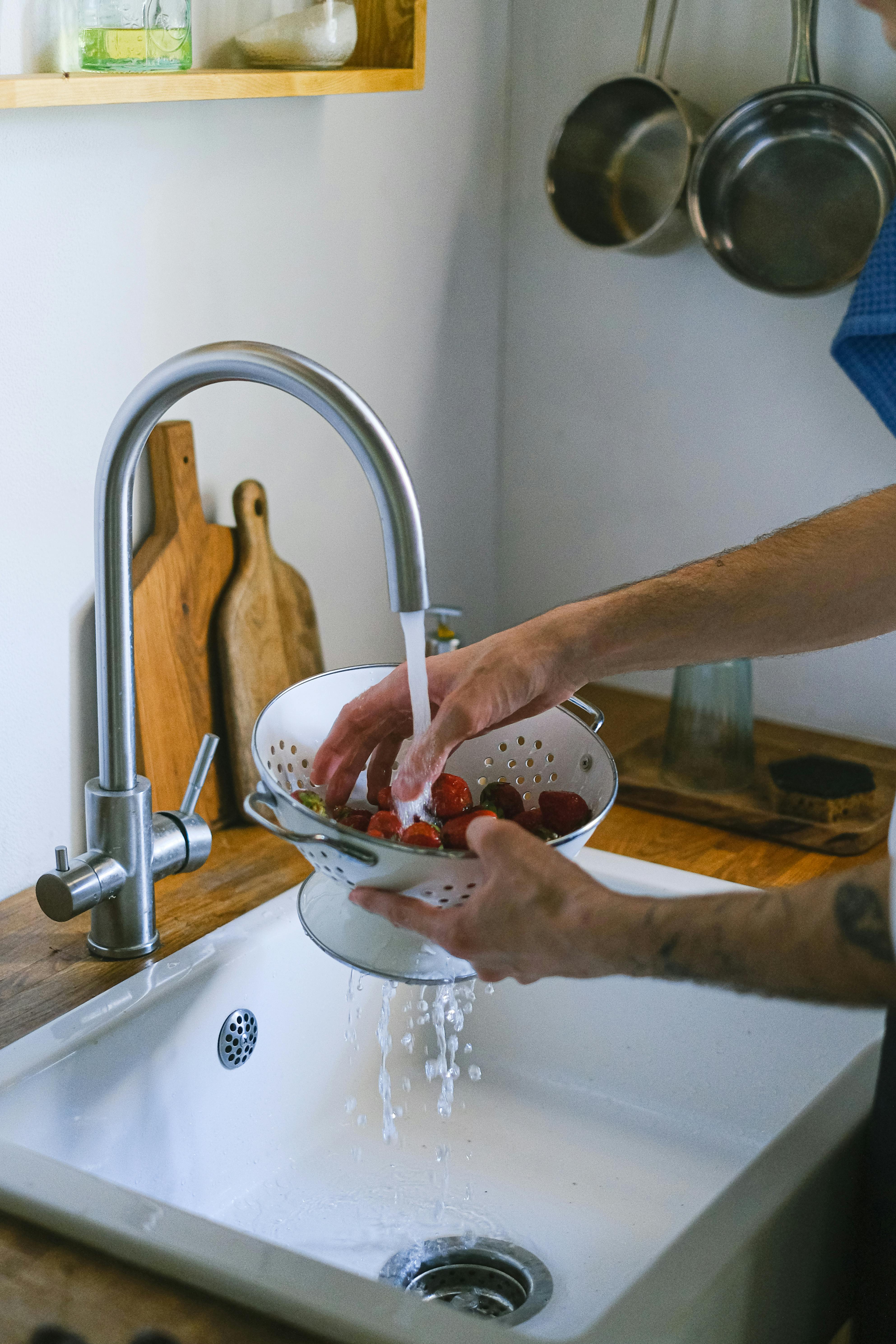
Food choice also matters. Whole and minimally processed foods generally move through fewer industrial touch points, which may lower contamination risk compared with ultra-processed foods. Wash produce thoroughly, rinse rice before cooking to reduce plastic by 20-40% according to one study, and if you prepare meat or fish, give it a careful rinse as well, while recognizing this will reduce but not eliminate particles.
Finally, do not let the scale of the problem make you feel powerless. Individual action cannot solve environmental plastic pollution on its own, but it can lower your household exposure in practical ways. The larger answer will require less plastic production and less waste in the broader food system, yet your kitchen is still one place where better choices can start today.




Leave a Reply