
There was a stretch of snack history when food companies seemed to treat common sense as an optional ingredient. Grocery shelves filled with products that were louder, sweeter, hotter, and stranger than anyone had asked for, yet many became instant cultural artifacts. This gallery revisits 15 snacks that perfectly captured that decade of excess, when corporate food labs pushed novelty so far that the real surprise is how many of these things actually made it to market.
Planters Cheez Balls
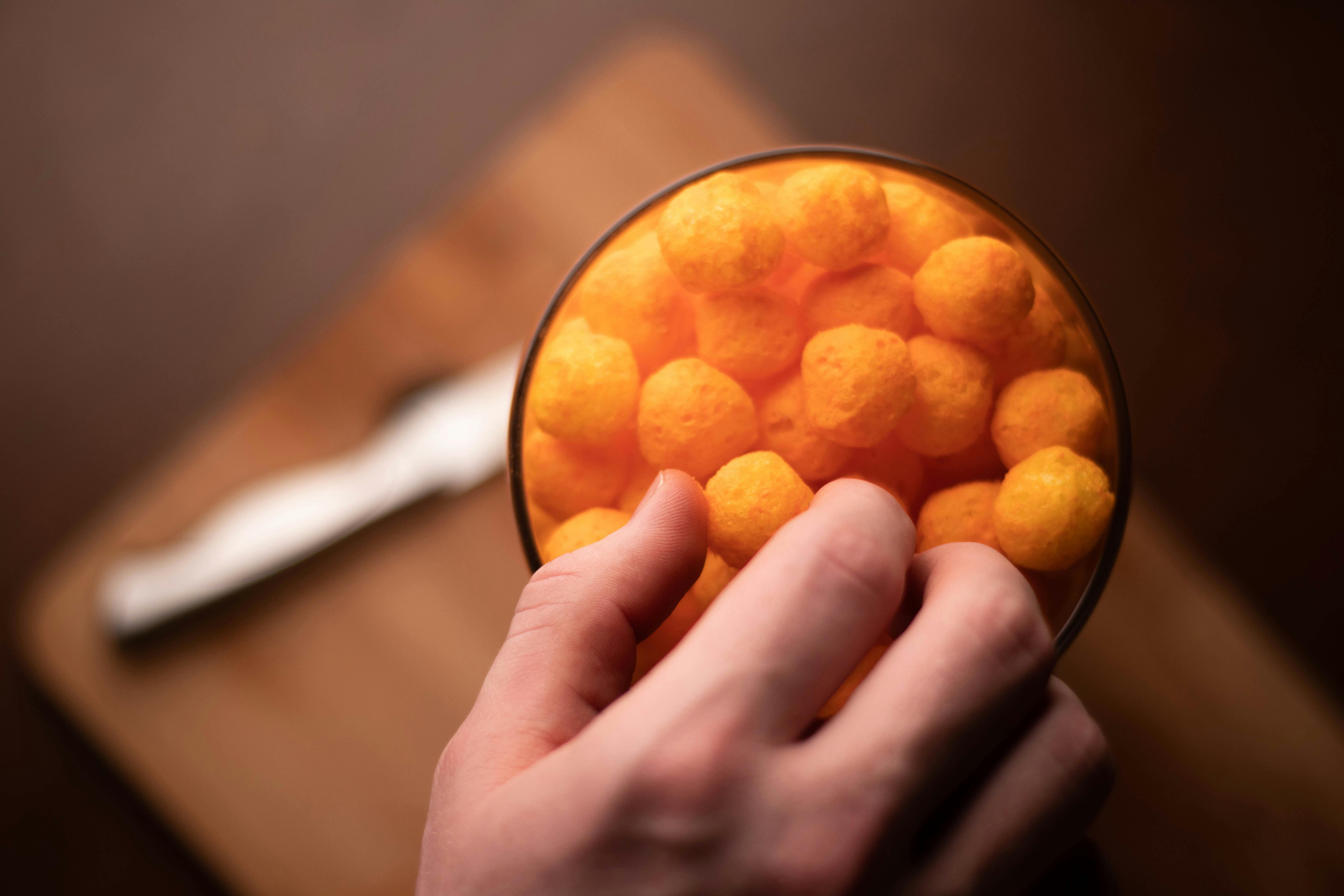
Nothing says snack-industry overconfidence quite like turning cheese powder into a glowing orange sphere and expecting people to stop at a handful. Planters Cheez Balls became a fixture in the late 1980s and 1990s, packed in a canister that practically announced excess before the lid even came off. The texture was airy, the coating was aggressively savory, and the residue on your fingers felt like part of the experience.
What made them memorable was how little restraint they showed. They were engineered to be louder than ordinary cheese puffs in color, crunch, and flavor. When they disappeared, fans complained for years, which says something important about this era. Even the most cartoonish snack could become a beloved classic if it fully committed to the bit.
Doritos 3D

This was the moment when a perfectly successful chip brand decided flat triangles were no longer dramatic enough. Doritos 3D arrived in the late 1990s as puffed, hollow versions of the original, with the same intense seasoning pushed onto a shape that felt part chip, part edible toy. The product was pure snack theater, built to make familiar flavors seem futuristic.
Their appeal had as much to do with texture as taste. The crunch was louder, the shape looked strange in a lunchbox, and the whole thing felt like a food company's answer to the era's obsession with making everything bigger and more interactive. They eventually vanished, then returned in altered form years later, proving the idea was too chaotic to stay dead.
Butterfinger BB's

Someone looked at a Butterfinger bar and decided the real obstacle was geometry. Butterfinger BB's took the candy's flaky peanut-butter crisp center and wrapped it in chocolate as bite-size balls, making an already messy candy easier to pour, share, and overeat. Introduced in the early 1990s, they fit perfectly into a period when corporations kept shrinking full-size treats into snackable forms without dialing back any of the sugar.
The format changed the experience in a way fans still remember. Instead of breaking off a piece, you got a cascade of crunch in every handful. That made them ideal for movie theaters, vending machines, and after-school sugar spikes. They disappeared despite loyal demand, which only helped turn them into one of the era's most mythologized candy experiments.
Oreo O's Cereal

At some point, the line between breakfast and dessert simply gave up. Oreo O's launched in the late 1990s and delivered exactly what the name promised, a cereal built to mimic the taste of chocolate sandwich cookies, often with marshmallow pieces depending on the version and market. It was less a reinterpretation of cookies for breakfast than a declaration that the rules had changed.
The product captured a larger food-industry habit of the era, which was taking an established brand and extending it into categories where nutrition became secondary to recognition. Kids loved the familiar flavor, parents recognized the logo, and everyone quietly accepted that milk was now the final technicality keeping this from being dessert. It disappeared in some markets, survived in others, and later returned because nostalgia is powerful and sugar always travels well.
Shark Bites Mystery Flavors
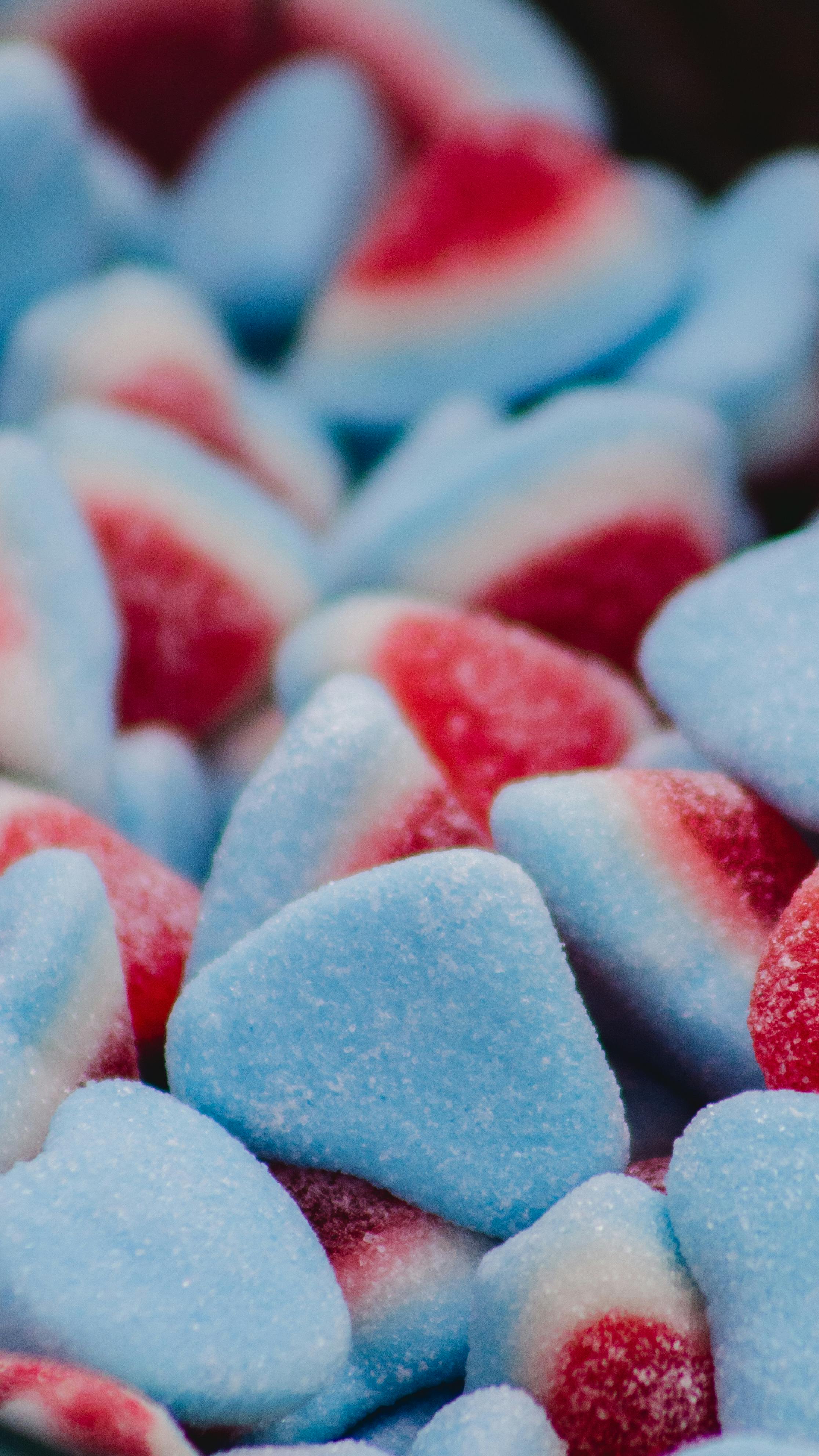
Fruit snacks were already engineered fun, but this version added a layer of edible confusion. Shark Bites, introduced by General Mills' Betty Crocker brand in the late 1980s, became especially famous in the 1990s for their sea-creature shapes and occasional white mystery piece. The gimmick was simple and very effective. Most pieces had expected fruit flavors, while the white one turned snack time into a guessing game.
That extra bit of uncertainty was exactly the kind of marketing flourish companies loved in the decade. It transformed a chewy gummy into an event without changing the basic formula much at all. Children traded theories, lunch tables turned into tiny taste tests, and the brand gained staying power from novelty as much as flavor. It was a small example of corporations learning that packaging psychology could be as important as ingredients.
Squeezit Color Changers
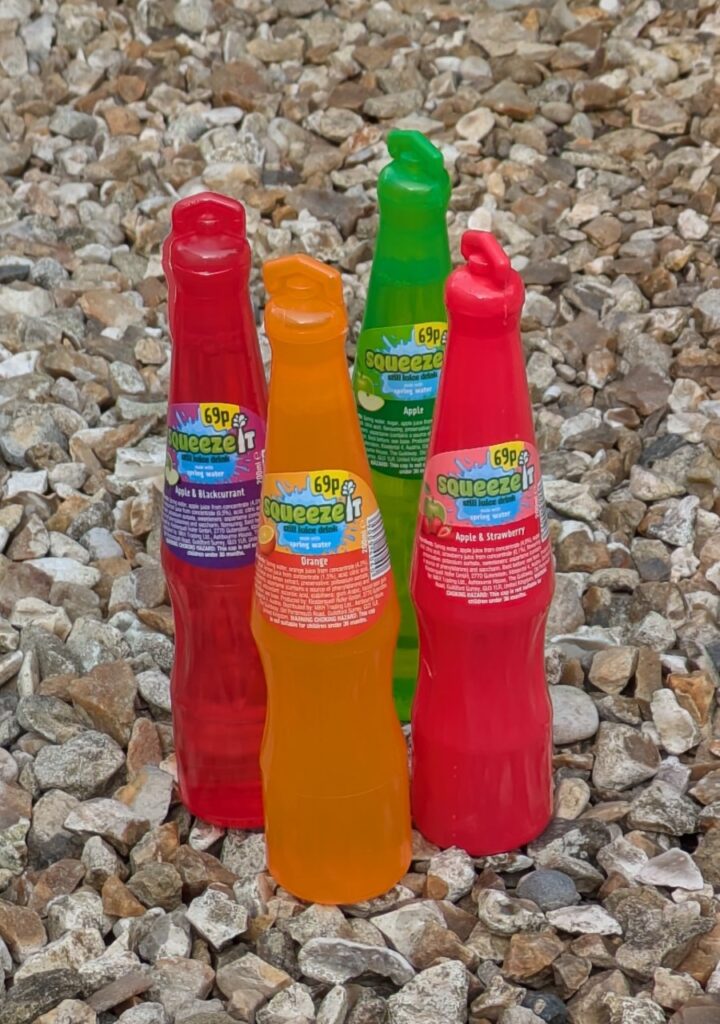
If regular juice drinks were too calm, Squeezit Color Changers offered the thrill of chemistry class in a plastic bottle. The brand had already built its identity around bright colors, cartoon bottles, and a heavy appeal to kids, but the color-changing versions pushed things further by letting children mix in edible beads or capsules that altered the drink's shade. Taste was almost secondary to spectacle.
This was classic 1990s snack logic. The product did not just need to be sweet, it needed to perform. Parents got a lunchbox beverage, kids got a tiny experiment, and the company got a memorable talking point in a crowded market. Looking back, it feels like a perfect symbol of the era's confidence that any food item could be improved by making it louder, stranger, and slightly more artificial.
Cheetos Paws
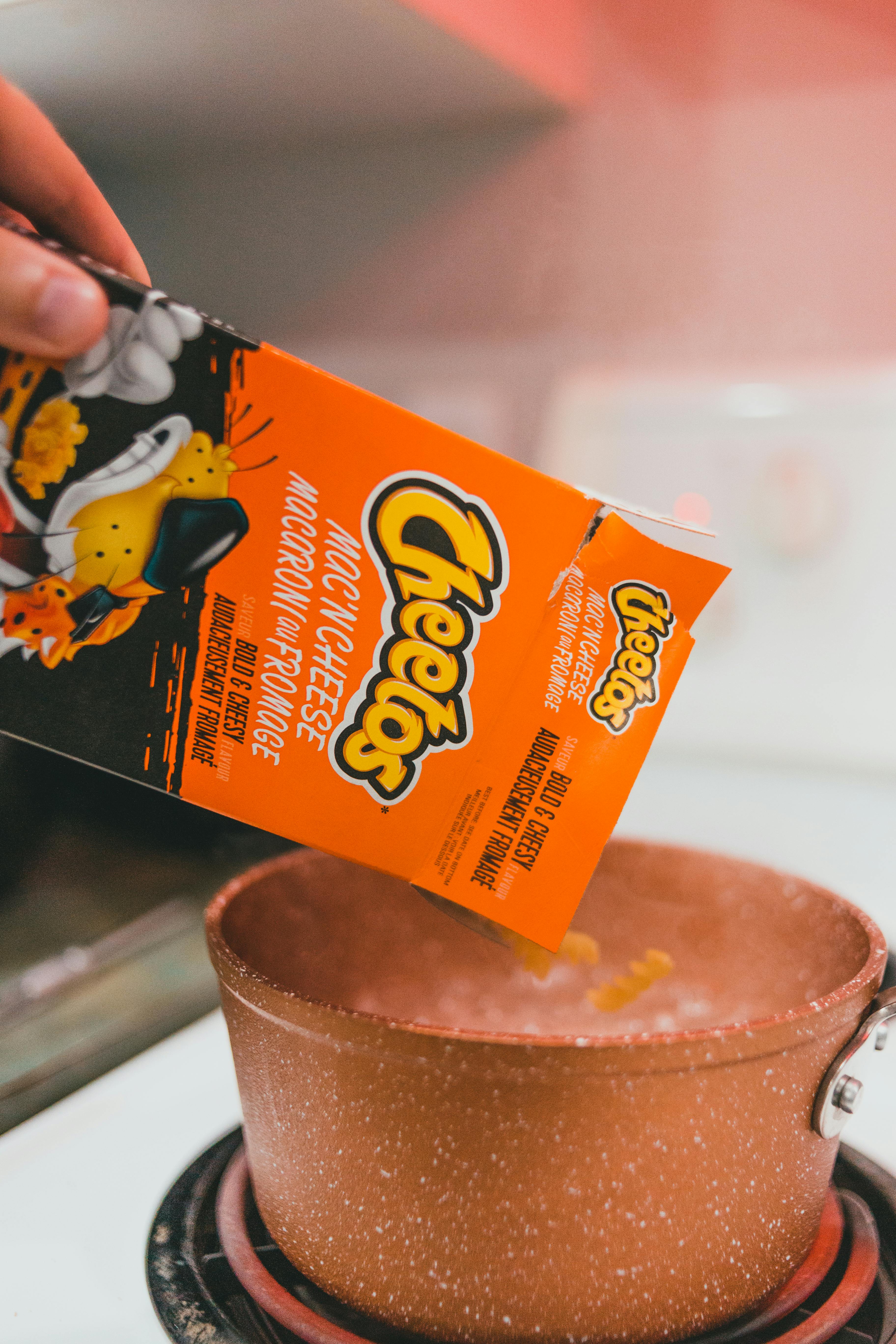
This was a snack company deciding that regular puffs needed branding on a more theatrical scale. Cheetos Paws took the familiar cheese puff formula and reshaped it into oversized paw-like pieces, leaning fully into Chester Cheetah's mascot identity. The result was a product that tasted familiar but felt more ridiculous, which was exactly the point. It turned a standard salty snack into a conversation piece.
The oversized shape changed the eating experience in subtle ways. Each piece delivered more crunch, more powder, and somehow more cartoon energy than ordinary Cheetos. It also fit a broader trend in packaged snacks, where shape innovation became a way to refresh old products without reinventing the recipe. When companies ran out of new flavors, they often just altered size, texture, or form and called it an event.
Pringles Prints
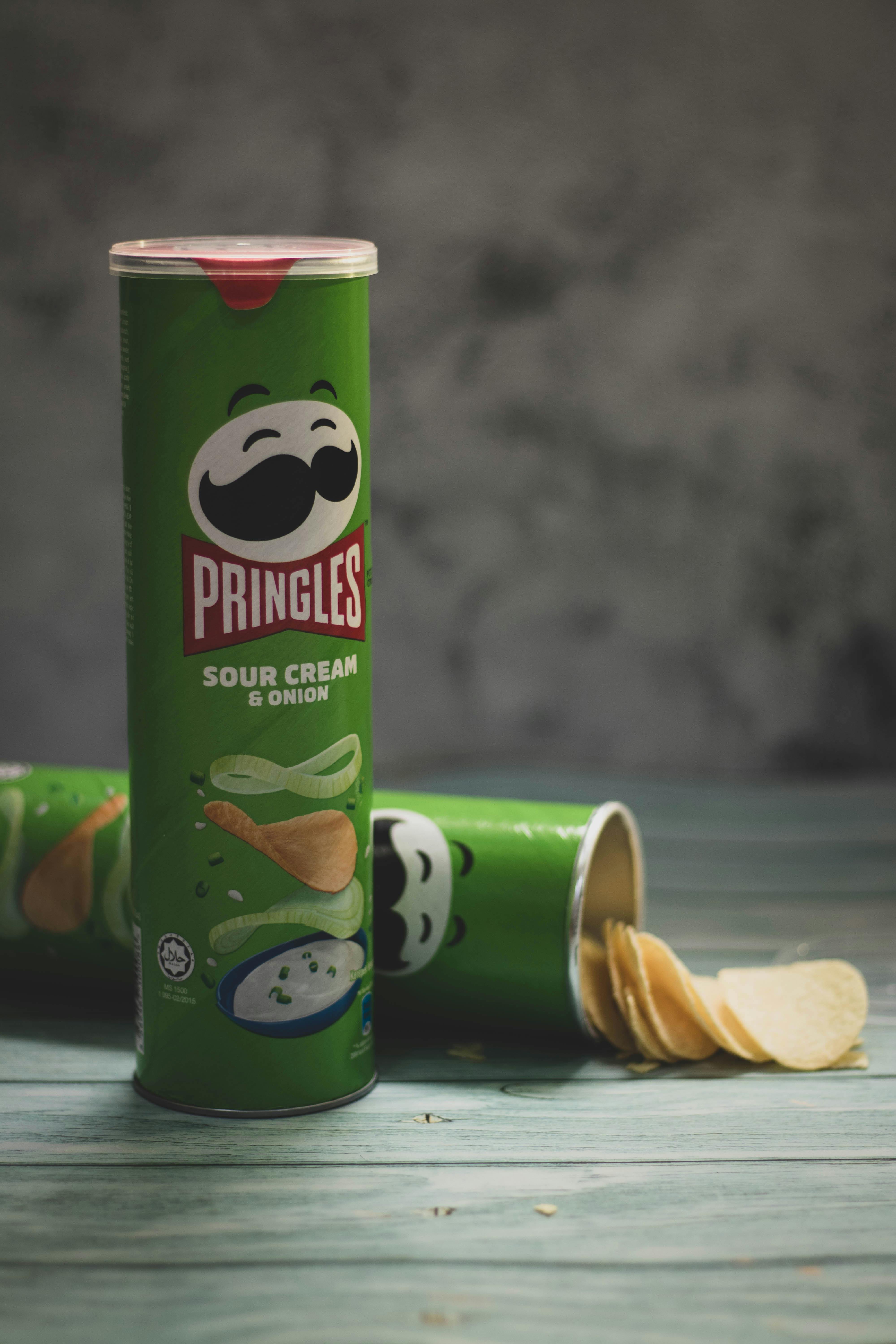
Even a stackable potato crisp was not safe from the era's compulsion to become more interactive. Pringles Prints added edible designs, jokes, or trivia directly onto the chips, turning a neatly engineered snack into a kind of lunchbox novelty act. It was one of those ideas that sounded wildly unnecessary and therefore completely on-brand for the time.
The product showed how major brands were looking for ways to compete beyond flavor alone. Chips had to entertain now. A printed crisp gave people something to inspect before they ate it, which sounds minor but mattered in an increasingly crowded snack aisle. The snack itself stayed familiar, but the branding became part of the consumption ritual. That was the genius and absurdity of the decade: food was expected to perform before it even hit your tongue.
Fruit String Thing
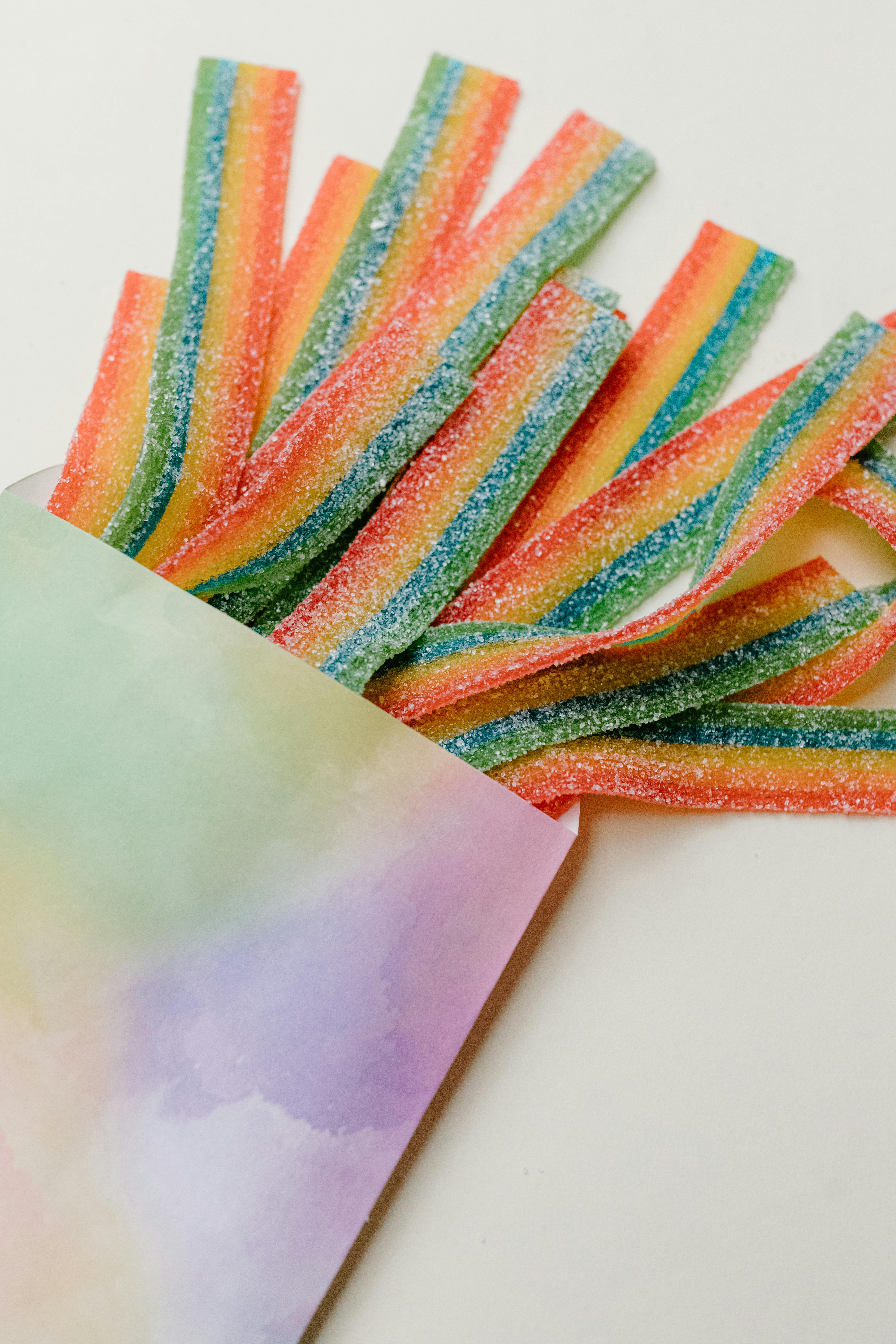
This snack understood a basic corporate truth of the era: if children have to play with the food first, it feels more valuable. Fruit String Thing turned fruit snacks into peelable, stretchy strips that could be unraveled and eaten slowly, almost like candy meets craft project. The flavor mattered, but the ritual mattered more. Every pack offered a tiny hands-on distraction before the sugar rush arrived.
It fit neatly into a market obsessed with making snacks portable, entertaining, and highly processed without appearing too serious about any of it. The product did not pretend to be elegant or especially natural. It sold fun in a foil pouch, and that honesty may be part of why people remember it so fondly. It was sugary, tactile, and engineered with the confidence of a decade that never feared excess.
Hershey's Swoops

This was what happened when a chocolate company looked at a potato chip and thought, yes, that silhouette but make it candy. Hershey's Swoops arrived in the early 2000s as thin, curved slices of chocolate designed to resemble crisps, packaged in a plastic tray that treated each piece like a premium object. The concept was as much about shape and style as taste.
The snack became a symbol of how far brand extensions could drift from necessity. There was nothing wrong with ordinary chocolate pieces, but Swoops offered a different mouthfeel and a polished, almost futuristic presentation. That was enough to justify shelf space for a while. They were discontinued after a short run, likely because novelty alone can only carry a product so far, but their sheer unnecessary elegance made them unforgettable.
Kudos Bars

On paper, this looked like a granola bar. In practice, it was candy wearing activewear. Kudos bars, launched by Mars in the 1980s and hugely visible through the 1990s, combined cereal grains with chocolate coatings, candy pieces, and dessert-like flavors that often blurred the line between snack and confection. The branding suggested an energy-boosting treat, but the formulation leaned heavily toward indulgence.
That disconnect made Kudos a perfect product of its time. It lived in the growing space between health language and candy logic, where enough oats or puffed rice could make almost anything seem lunchbox-appropriate. Parents saw a bar, kids saw chocolate, and both sides accepted the arrangement. Looking back, the real achievement was not nutrition. It was the industry's ability to market dessert in a shape associated with practicality.
Wonder Ball
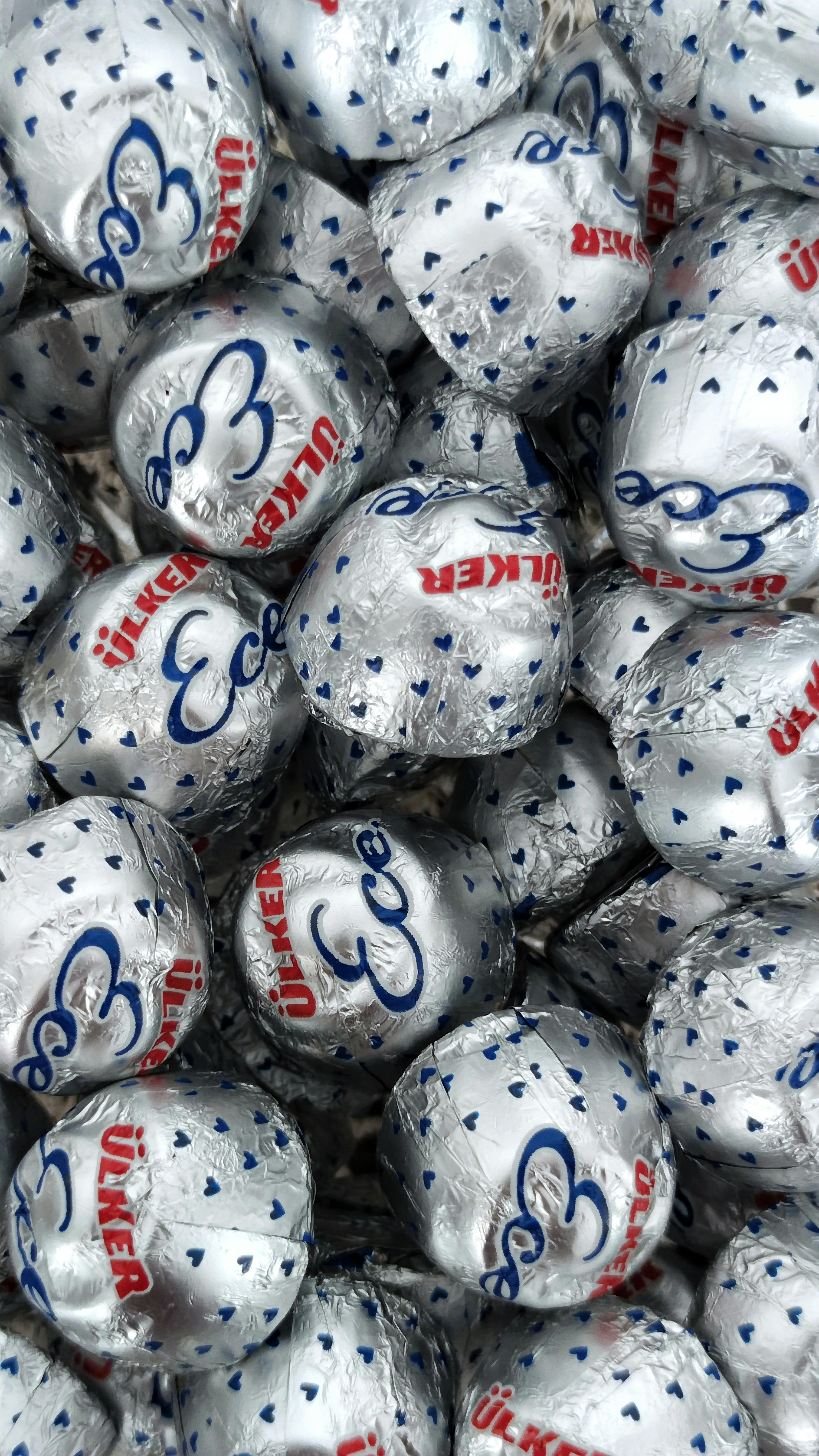
A hollow chocolate sphere with a surprise inside was always going to attract attention, especially from kids. Wonder Ball had earlier versions, but its late 1990s and early 2000s revival became iconic by filling the chocolate shell with candy instead of toys, after safety concerns changed the formula. The appeal was obvious. It was a snack built around suspense, with the treat hidden inside the treat.
Food companies loved this kind of layered novelty because it multiplied excitement without reinventing the basic ingredients. Chocolate and candy were familiar, but the delivery system made the product feel special. Add a licensed character or a flashy commercial, and it became a cultural moment. Wonder Ball worked because it understood that anticipation could be packaged just as effectively as sweetness, especially in a decade ruled by impulse and spectacle.
Philadelphia Cheesecake Bars
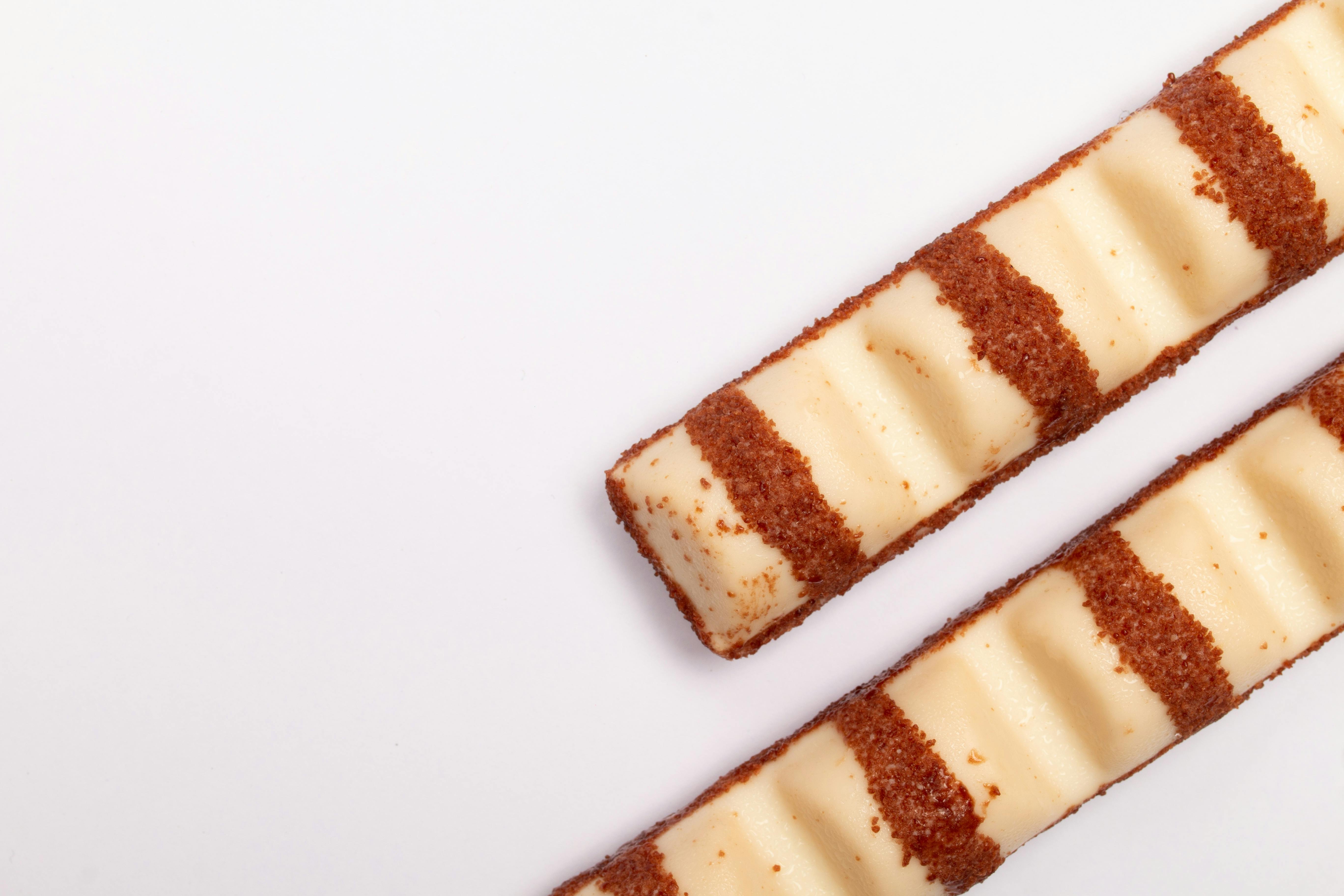
Here the refrigerated snack aisle took a hard turn into pure dessert disguised as convenience. Philadelphia Cheesecake Bars offered individually packaged cheesecake-style treats under a cream cheese brand people already trusted. It was a clever move, because the product inherited credibility from the name while delivering a rich, sweet snack that felt more indulgent than a standard pudding cup or yogurt.
This kind of item reflected a period when brand licensing and category expansion were moving fast. If consumers associated a company with a key ingredient, that recognition could be stretched into an entirely new grab-and-go product. The bars were creamy, portable, and just excessive enough to stand out. They also captured a truth about the era: companies were no longer content to sell components of dessert when they could sell dessert itself in single-serve form.
Jell-O Pudding Pops
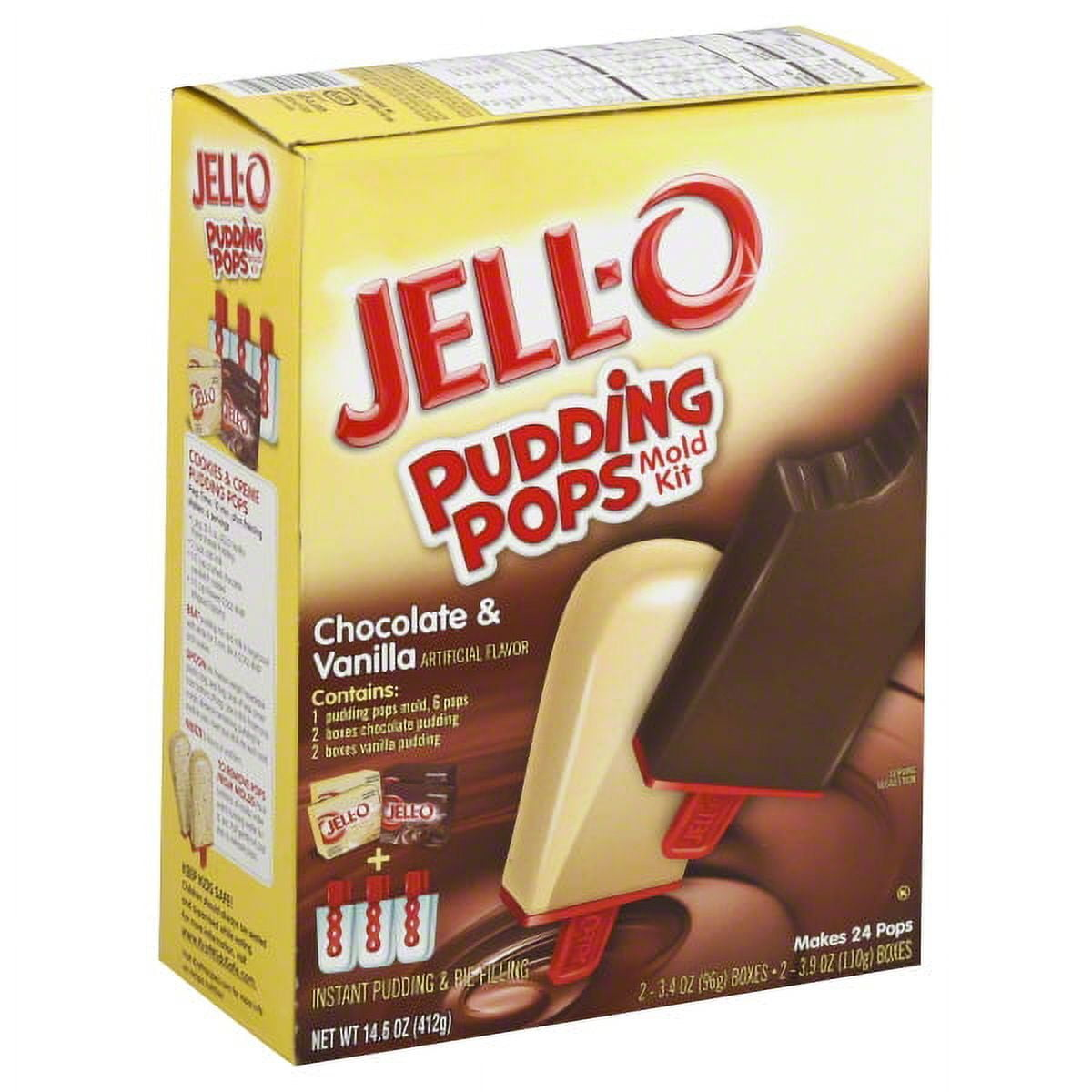
Frozen pudding on a stick sounds simple now, but Pudding Pops felt like a luxurious loophole when they hit peak popularity. Their appeal came from texture more than novelty alone. They were denser and creamier than many ice pops, with a soft bite that made them seem richer than the typical freezer treat. For families in the 1980s and early 1990s, they became a recognizable staple.
What makes them fit this list is how confidently they pushed indulgence into an everyday format. Pudding was already dessert, but freezing it and turning it into a hand-held bar made it easier to market as a fun snack. Corporate food design kept finding ways to make sweets more portable, more casual, and more frequent. Pudding Pops did not shout the way some products did, but they absolutely participated in the same logic of excess.
Hostess Chocodiles
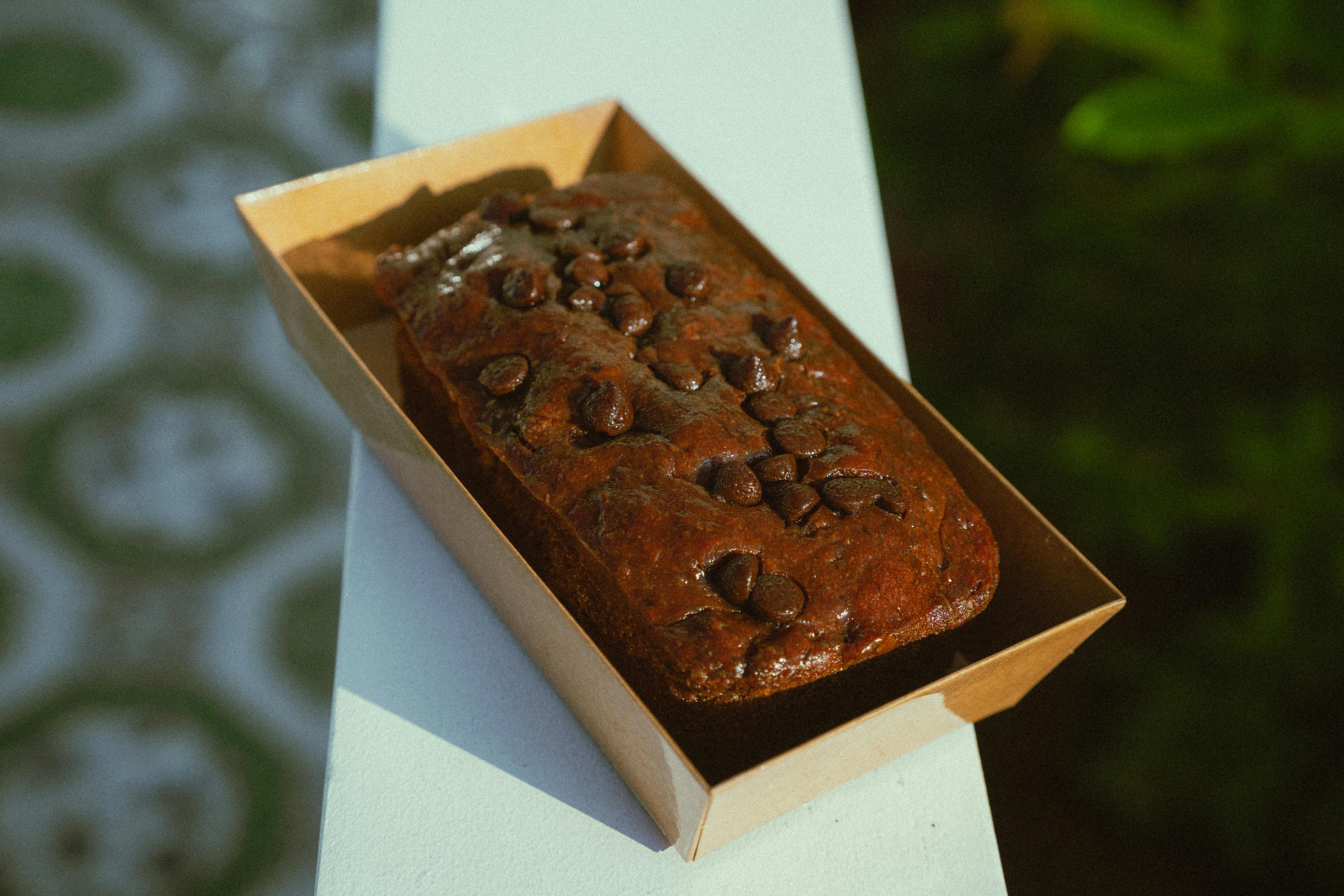
Take a Twinkie, cover it in chocolate, and you have a snack that neatly explains the decade's entire philosophy. Hostess Chocodiles began earlier, but their cult reputation grew because they embodied the idea that if a packaged dessert was already excessive, a chocolate shell could still make it more marketable. The product was rich, sweet, soft, and almost comically committed to doubling down.
Part of its legend comes from scarcity and regional availability, which made it feel even more outrageous when people finally found one. It was not trying to balance anything or present restraint. It was a cream-filled cake in a candy-like overcoat, sold with total confidence. In that sense, Chocodiles were less an invention than a mission statement for snack makers who believed there was no such thing as gilding the lily.


Leave a Reply