
Hantavirus concerns tend to make people look at the kitchen differently. That is a good instinct, because the most important protections are not exotic, they are consistent everyday habits.
Why rodent control matters more than dramatic cleaning

The biggest food safety priority during hantavirus concerns is not scrubbing every surface harder. It is preventing rodents from getting anywhere near food, dishes, or pantry storage in the first place. Public health agencies have long emphasized that hantaviruses are primarily linked to infected rodents and their urine, droppings, and saliva, especially when contaminated particles become airborne.
That means food safety starts with exclusion. Experts routinely advise sealing holes around pipes, gaps under doors, torn window screens, and cracks along foundations because mice can enter through openings that look surprisingly small. If rodents can move between walls, garages, sheds, and kitchens, contamination can spread well beyond the spot where droppings are first noticed.
This matters in homes, cabins, vacation properties, barns, and storage spaces where food is kept or prepared only occasionally. A closed building can quietly become a nesting site, and the first person to open it may disturb dried waste. According to guidance from the CDC and state health departments, reducing rodent access is one of the most effective ways to lower risk before any cleaning begins.
For food safety, the practical takeaway is simple. If a pantry, utility room, or garage shows any sign of infestation, treat everything nearby with caution, remove attractants, and fix entry points quickly. Cleaning helps, but keeping rodents out is the habit that changes the risk most.
Store food like contamination is possible, not hypothetical
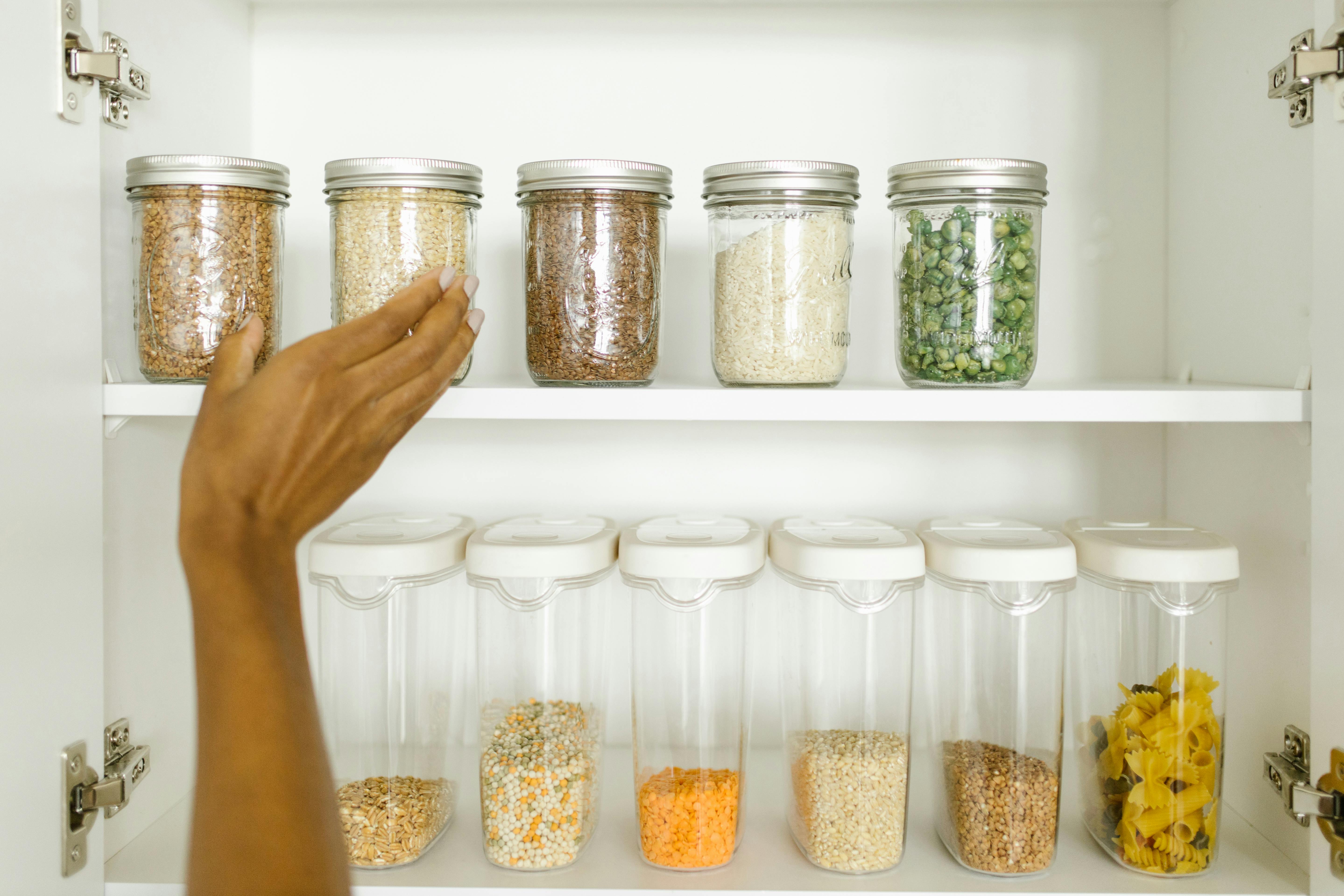
A common mistake during hantavirus worries is assuming packaged food is automatically safe if it looks untouched. In reality, experts say contamination risk rises when food is stored in places rodents can explore freely, including lower cabinets, sheds, garages, and basements. Cardboard, paper, and thin plastic are easy for mice to chew through, and even sealed outer packaging can become contaminated on the surface.
That is why sturdier storage matters more than many people realize. Dry goods such as cereal, rice, flour, pet food, bird seed, and snacks are safer in glass, metal, or heavy-duty plastic containers with tight-fitting lids. This is especially important in seasonal properties and rural homes, where rodent pressure can be higher and food may sit undisturbed for long periods.
Experts also advise being more selective about what stays in secondary spaces. Keeping bulk food in a garage may be convenient, but it increases the chance that rodents will find a reliable food source and remain nearby. Once that happens, the issue is no longer just property damage. It becomes a direct contamination problem affecting food, prep areas, and nearby utensils.
If packaging shows gnaw marks, punctures, droppings nearby, or urine odor, discard it. The same caution applies to disposable plates, paper towels, and napkins stored in infested areas. A clean-looking item is not necessarily a safe item if rodents have had access to it.
The safest way to clean droppings is not the way many people guess

When people see droppings in a pantry or kitchen, the instinct is often to sweep, vacuum, or wipe quickly. During hantavirus concerns, that is exactly what experts tell people not to do at first. Dry sweeping and vacuuming can stir contaminated particles into the air, which is the exposure route that has made hantavirus such a serious public health concern in outbreak reports across the Americas.
The recommended method is slower but much safer. Health authorities advise ventilating enclosed spaces when appropriate, then thoroughly wetting droppings, nests, and contaminated areas with a disinfectant or a freshly prepared bleach solution made according to official guidance. Letting the surface soak helps prevent particles from becoming airborne during removal.
After that, use gloves and disposable towels to pick up material and place waste in a sealed bag. Then disinfect the surrounding area again, including nearby counters, shelf edges, drawer pulls, and floors. If there is heavy infestation, dead rodents, or contamination inside HVAC systems or inaccessible voids, professional pest control or remediation may be the safer choice.
This approach matters for food safety because contamination rarely stays confined to one visible spot. A few droppings behind a toaster or under a sink may signal activity around stored food, cookware, and preparation surfaces. Safe cleanup protects both the air you breathe and the food environment you use every day.
Kitchen sanitation habits need to become more deliberate

During hantavirus concerns, ordinary sanitation habits deserve extra discipline. People often focus on the dramatic image of droppings, but experts stress that the more routine risks come from contaminated hands, counters, containers, and utensils. In other words, food safety improves when every step between storage and serving becomes more intentional.
Start with hand hygiene after handling traps, cleaning products, contaminated packaging, or anything from a suspect storage area. Washing with soap and water before touching food, dishes, refrigerator handles, or spice jars helps interrupt the quiet spread of contamination through the kitchen. Gloves can help during cleanup, but they do not replace handwashing once the job is done.
Surface sanitation matters too. Countertops, pantry shelves, cabinet handles, reusable grocery bins, and small appliances should be cleaned and disinfected if rodent activity is suspected nearby. Experts also recommend laundering kitchen textiles such as towels or cloths that may have been stored where rodents had access, because porous materials can hold contamination in ways hard surfaces do not.
One underappreciated issue is cross-contamination from nonfood items. Pet bowls, lunch boxes, reusable water bottles, and baby feeding supplies stored in garages, mudrooms, or lower cabinets can become part of the risk chain. Good sanitation is not just about what you eat. It is about everything that touches food before it reaches the table.
High-risk spaces change the rules for what feels clean
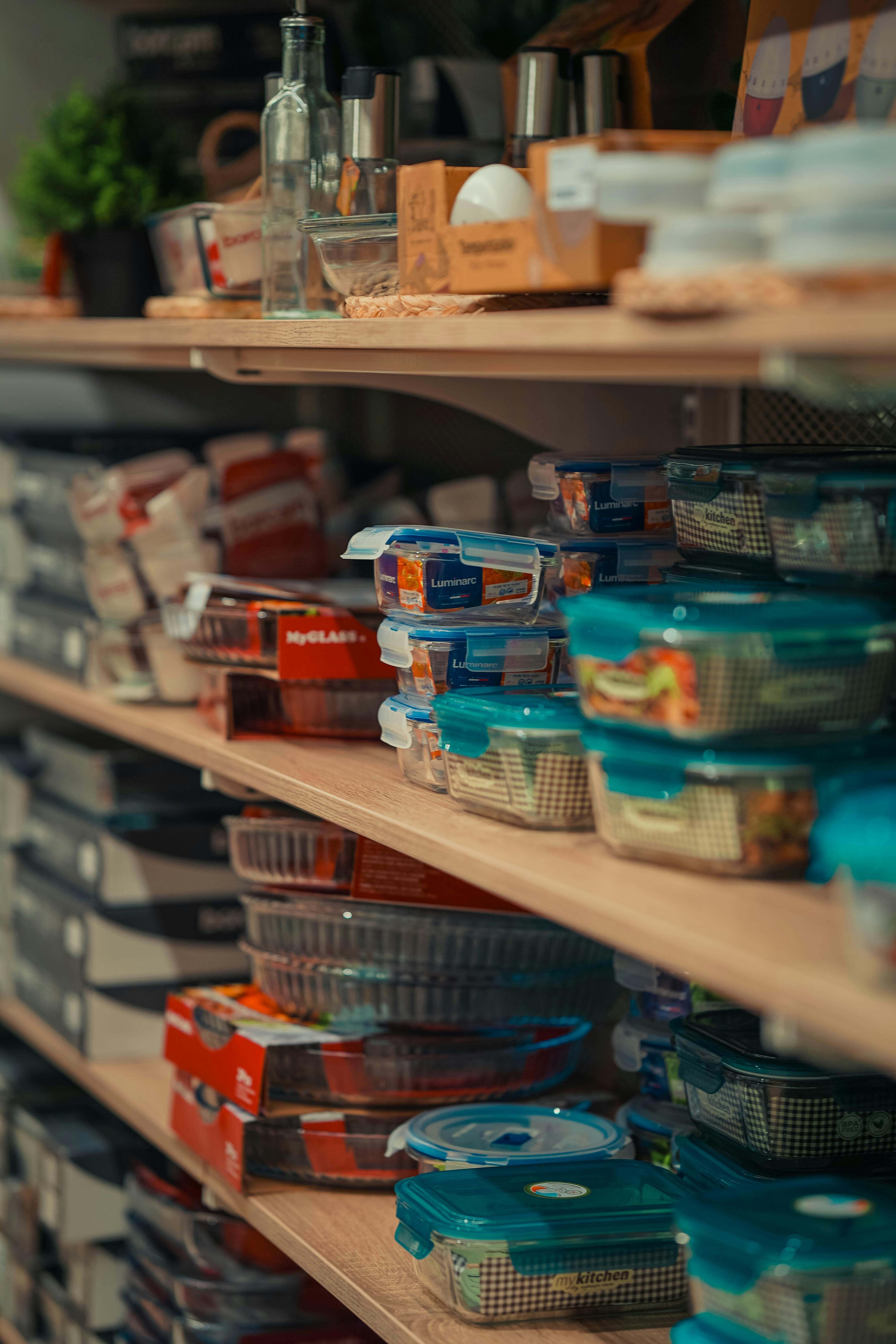
Some locations need a different level of caution because they combine food storage, low traffic, and hidden rodent activity. Cabins, campers, hunting properties, garden sheds, detached garages, and vacation homes are classic examples. Experts often point to these places because people tend to open them after weeks or months away, then immediately start sweeping, unpacking food, or cooking.
That first visit back should be slower than usual. Open the building carefully, look for signs such as droppings, nests, gnaw marks, and dead rodents, and avoid stirring dust until the area has been assessed. Public health guidance has repeatedly warned that enclosed, poorly ventilated spaces with rodent infestation deserve special care before normal household tasks begin.
Food items left behind in these places should be viewed skeptically. Even canned goods may need surface disinfection if stored where rodents were active, while boxed mixes, tea bags, pet treats, and paper-wrapped products are often better discarded. Utensils, pans, and dishes may also need thorough washing before use if they were exposed in open shelving or drawers.
The same principle applies to vehicles and outdoor cooking setups. A camp kitchen box, grill accessory bin, or RV pantry can seem clean at a glance and still carry contamination risk. In these settings, caution is not overreaction. It is the most realistic response to how rodents actually behave around shelter and food.
When to throw food away, call experts, and stay calm

One of the hardest parts of hantavirus-related food safety is deciding what can be saved. Experts generally urge people to discard any food, beverage container, or food-contact item that shows direct evidence of rodent contact or that was stored unprotected in a heavily infested area. The financial loss can be frustrating, but the health tradeoff usually favors caution.
This is especially true for infant formula accessories, pet food scoops, paper goods used in food service, and any item with chew marks or droppings nearby. Food in thin packaging should not be transferred and kept if contamination is suspected. Once rodents have had access, the issue is not freshness alone. It is whether infectious material may have reached the package or contents.
There is also a point where household cleanup should give way to professional help. Widespread infestation, repeated rodent sightings, strong urine odor, contamination in wall voids, or uncertainty about safe removal are all signs that pest control and remediation specialists may be needed. Their work can help restore safety more reliably than repeated surface cleaning.
The reassuring part is that the most important habits are straightforward. Store food in rodent-proof containers, keep rodents out, clean contamination the safe way, wash hands carefully, and do not gamble on questionable food. During hantavirus concerns, those simple decisions matter more than panic, and they are the habits experts trust most.




Leave a Reply