
For candy fans, this is more than a seasonal product drop. It is the return of a treat that helped define an entire category.
Why These Gummy Bears Matter So Much
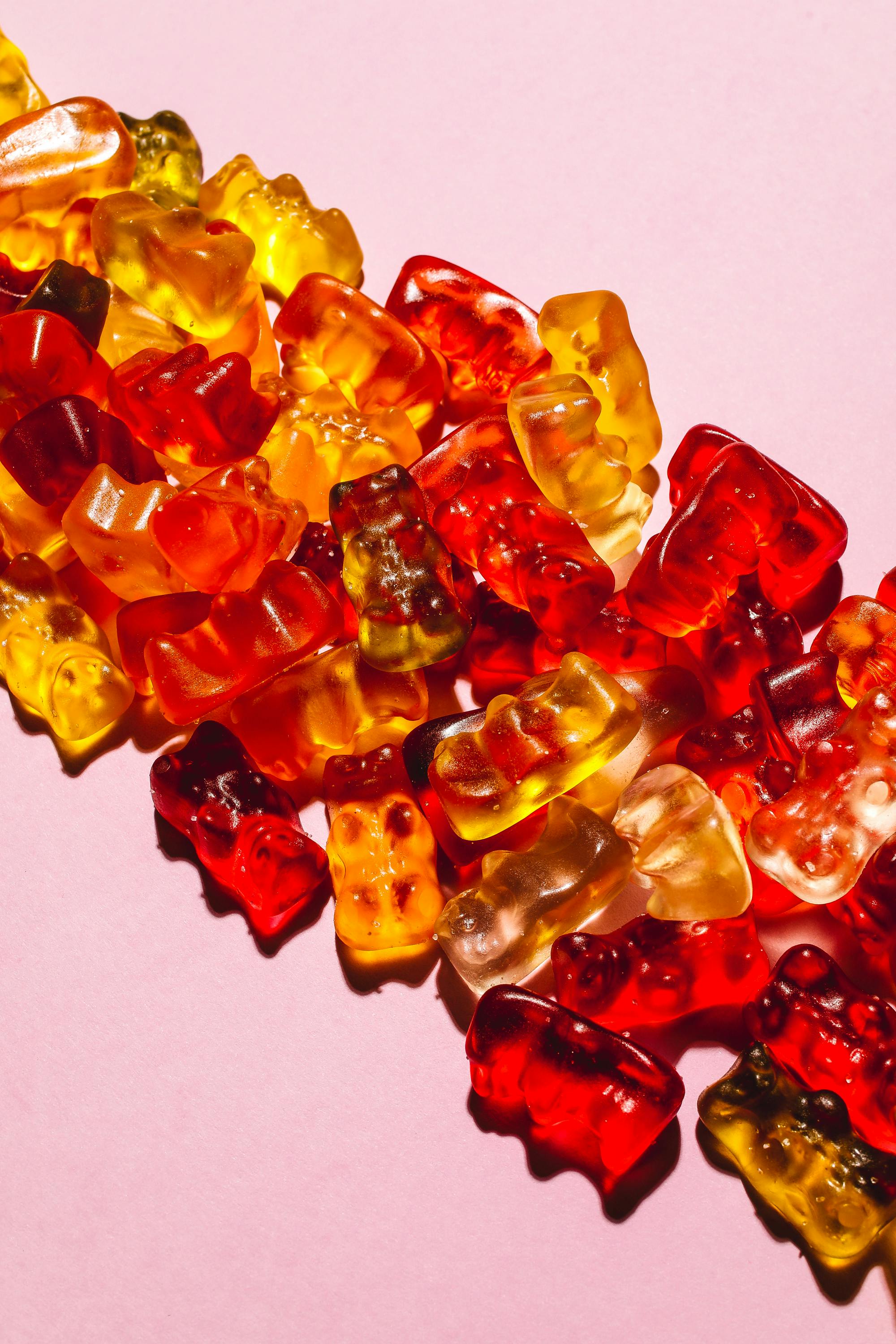
Haribo's reputation was built on a deceptively simple idea: a chewy, fruit-flavored bear with a distinct bounce and bright color. The company's Goldbears became one of the most recognizable candies in the world, and for many shoppers they were not just another sweet but the standard by which all gummy candy was judged. That matters because very few brands can point to a single product and say it helped create a global habit.
The story reaches back to Germany in the early 1920s, when Haribo founder Hans Riegel began experimenting with gummy sweets that were very different from hard candies dominating the market at the time. What made the early gummy bears stand out was texture. They were firmer, more elastic, and slower to chew than many modern competitors, which gave them a memorable identity that consumers came to expect.
Over time, Haribo expanded into international markets and became a dominant force in confectionery. According to industry market reporting over the years, gummy candy has remained one of the strongest non-chocolate categories in supermarkets, convenience stores, and specialty candy aisles. Haribo's core bear product has remained central to that strength, serving as both a legacy item and a mass-market bestseller.
That is why this revival carries weight beyond nostalgia. When a company brings back a product closely tied to its own origin story, it is not just filling shelf space. It is reminding customers where the brand's credibility began.
What Is Actually Coming Back

This return centers on the style of gummy bear that consumers associate with Haribo's earliest identity, the version that built its name before endless flavor mashups and novelty shapes became common. Depending on the market, these revivals often emphasize original-style formulas, retro packaging, or taste profiles meant to reflect the candy's older character. The key selling point is authenticity, even if modern food regulations and production methods shape the final product.
That distinction matters because "bringing back" a candy can mean several different things. In some cases, brands reproduce a close approximation of the original recipe. In others, they lean more heavily on visual nostalgia, using classic branding to trigger memories while keeping the current texture and flavor balance. Haribo knows dedicated fans notice the difference, especially with a candy as iconic as Goldbears.
Limited runs are a familiar strategy across the food industry because they create urgency and concentrate demand. Snack makers, soda brands, and fast-food chains have used the approach effectively, especially when reviving discontinued or heritage items. Consumers respond because scarcity changes shopping behavior. A candy that might be ignored as an everyday staple suddenly becomes something worth hunting down.
For Haribo, that short window is part of the appeal. The company is not simply offering a permanent reset. It is turning its own history into an event, and that gives the comeback much more cultural energy.
Why Limited-Time Candy Releases Work So Well

A temporary release succeeds when it taps into two powerful forces at once: memory and fear of missing out. People who grew up eating Haribo often carry a highly specific memory of what the candy tasted like after school, at movie theaters, on road trips, or during holidays. That emotional connection is difficult for newer products to replicate because it is tied to personal routine, not just flavor.
Food companies have increasingly relied on nostalgia because it is one of the most efficient ways to cut through crowded shelves. Researchers who study consumer behavior have long noted that familiar products can create a sense of comfort and trust, particularly during periods of economic uncertainty. Shoppers may hold back on bigger indulgences, but a bag of candy tied to a happy memory still feels like an affordable treat.
Scarcity adds the second layer. When buyers believe a product will disappear quickly, they are more likely to act immediately rather than postpone the purchase. Retail analysts have seen this pattern repeatedly across limited-edition snacks, seasonal beverages, and anniversary packaging. The product becomes part item, part experience, and sometimes part collectible.
Haribo is especially well positioned to benefit because gummy candy spans generations. Children may be drawn in by the colorful bears, while adults recognize the brand from decades past. That crossover appeal gives a limited release unusually broad reach.
What Fans Will Be Looking For
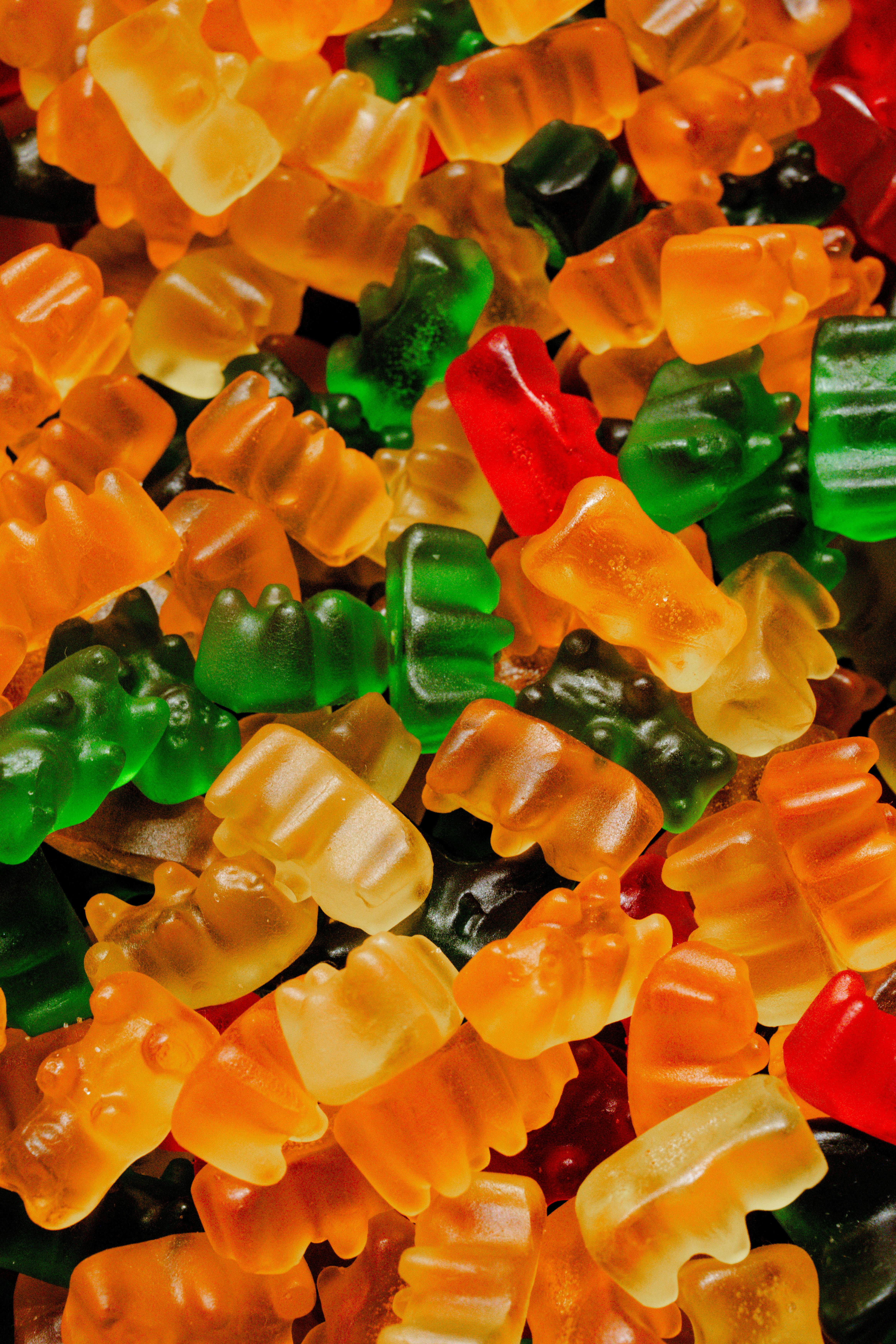
People who care about classic candy revivals usually pay attention to three things first: texture, flavor, and packaging. Texture is often the most debated element because longtime Haribo fans tend to expect a firmer chew than what many rival gummy brands offer. If the revived bears deliver that signature resistance, fans are more likely to see the comeback as legitimate rather than cosmetic.
Flavor comes next, and here nostalgia can be surprisingly exacting. Consumers often remember certain colors tasting sharper, brighter, or less sweet than contemporary candies. Even when blind taste tests suggest memories are imperfect, the expectation remains powerful. A successful revival has to feel right, not just taste pleasant, and that can be a difficult balance for manufacturers trying to serve both old fans and new customers.
Packaging also carries disproportionate importance in a release like this. Retro logos, old-style fonts, and heritage color palettes can instantly signal that a product is meant to celebrate the past. In many modern grocery environments, packaging is doing the work of storytelling before the consumer even picks up the bag.
Social media will likely amplify every detail. Fans tend to post side-by-side comparisons, taste reactions, and store sightings within hours of release. That kind of organic attention can turn a limited candy launch into a broader retail moment.
What This Means for Haribo as a Brand
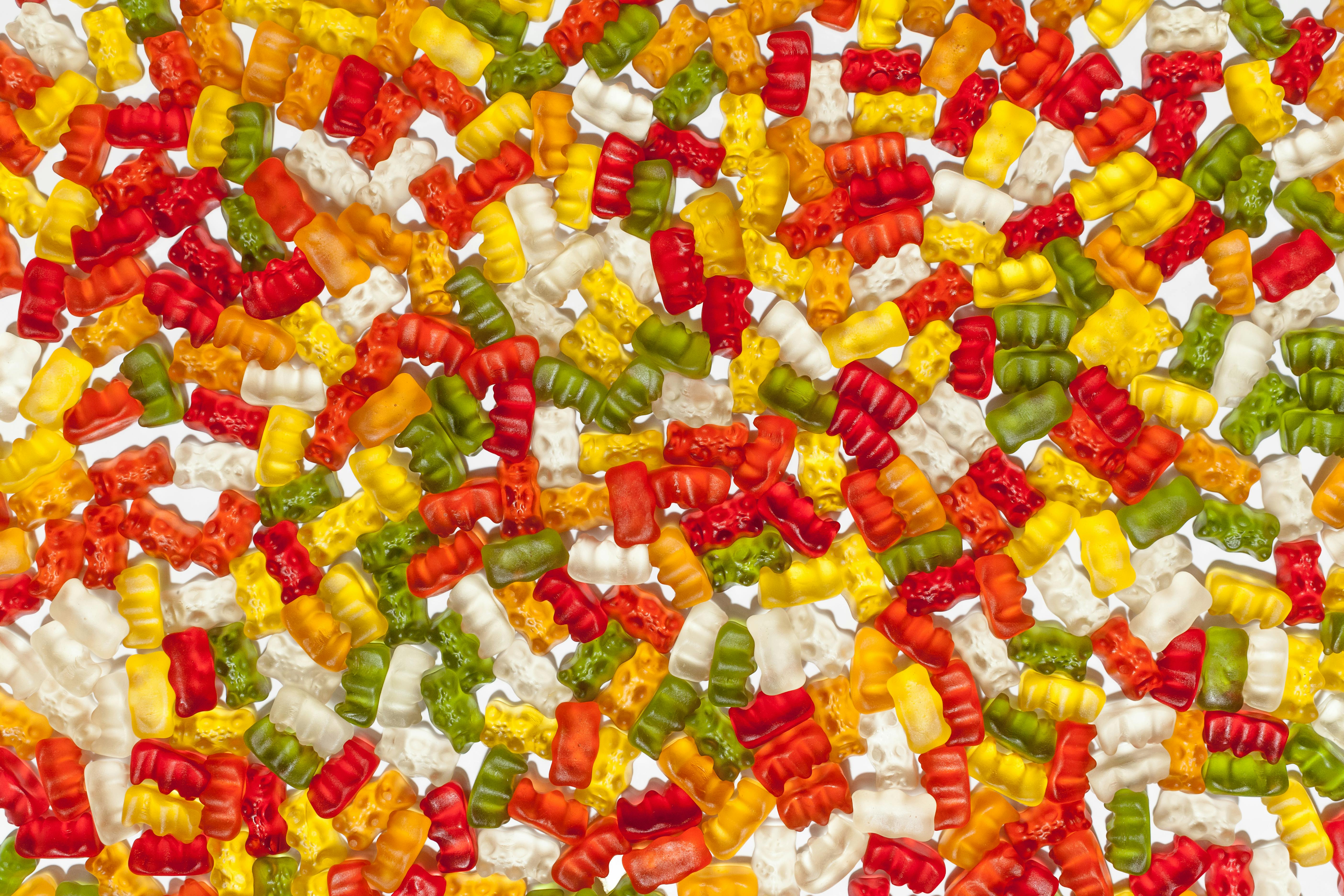
This comeback is not just about selling a nostalgic bag of candy. It is also a reminder that Haribo's strongest asset is its history, especially at a time when food companies are under constant pressure to launch new formats, collaborate with other brands, and chase short-lived trends. Revisiting the product that made the company famous can be a smart way to reinforce trust.
Brand heritage has real commercial value when it is used carefully. In crowded food categories, consumers often reward companies that appear confident in their original identity. Haribo does not need to invent a completely new story to stay relevant. It already owns one of the best-known stories in confectionery, and this release puts that legacy back at the center of the conversation.
There is also a competitive angle. The gummy aisle is far more crowded than it was decades ago, with private labels, sour variants, organic alternatives, and novelty imports all competing for attention. By bringing back a foundational product, Haribo can remind retailers and shoppers alike that it is not just another gummy brand. It is the brand that set the template.
If the launch performs well, it could influence future strategy. Limited heritage releases often serve as informal market tests, helping companies measure whether classic products deserve a wider return or a more permanent place in the lineup.
Why Shoppers Should Expect Them to Sell Fast

Whenever a heritage product returns with a time limit attached, demand tends to spike early. Some buyers genuinely want to relive a favorite candy experience, while others simply do not want to miss the chance and assume they can decide later whether to repurchase. That initial surge can thin out store inventory much faster than normal candy restocking cycles would suggest.
Retail behavior also plays a role. Grocery chains and mass retailers often allocate limited-run products conservatively at first, especially if they are unsure whether the appeal is national or regional. That can make the release seem even scarcer in practice. A product may exist in the market, but not in equal quantities across every store, which fuels the sense that shoppers need to act quickly.
Collectors and resellers can intensify the pressure, too. Nostalgic food launches sometimes attract people who buy multiple bags either to save, trade, or resell once shelves empty out. Even when that activity stays relatively small, it contributes to the impression that the product is disappearing in real time.
For anyone interested, the simplest takeaway is also the most practical one: do not wait too long. Haribo built its name on these bears, and that legacy alone is enough to make a short-run return feel like an event worth catching while it lasts.


Leave a Reply