
Food history has a funny way of flipping status symbols upside down. Some of the cheapest things people once ate out of necessity are now sold as delicacies, praised for their heritage, craftsmanship, or rarity. This gallery explores 11 foods with humble roots that have been rebranded into luxury, often with much higher price tags than their original fans could have imagined.
Lobster
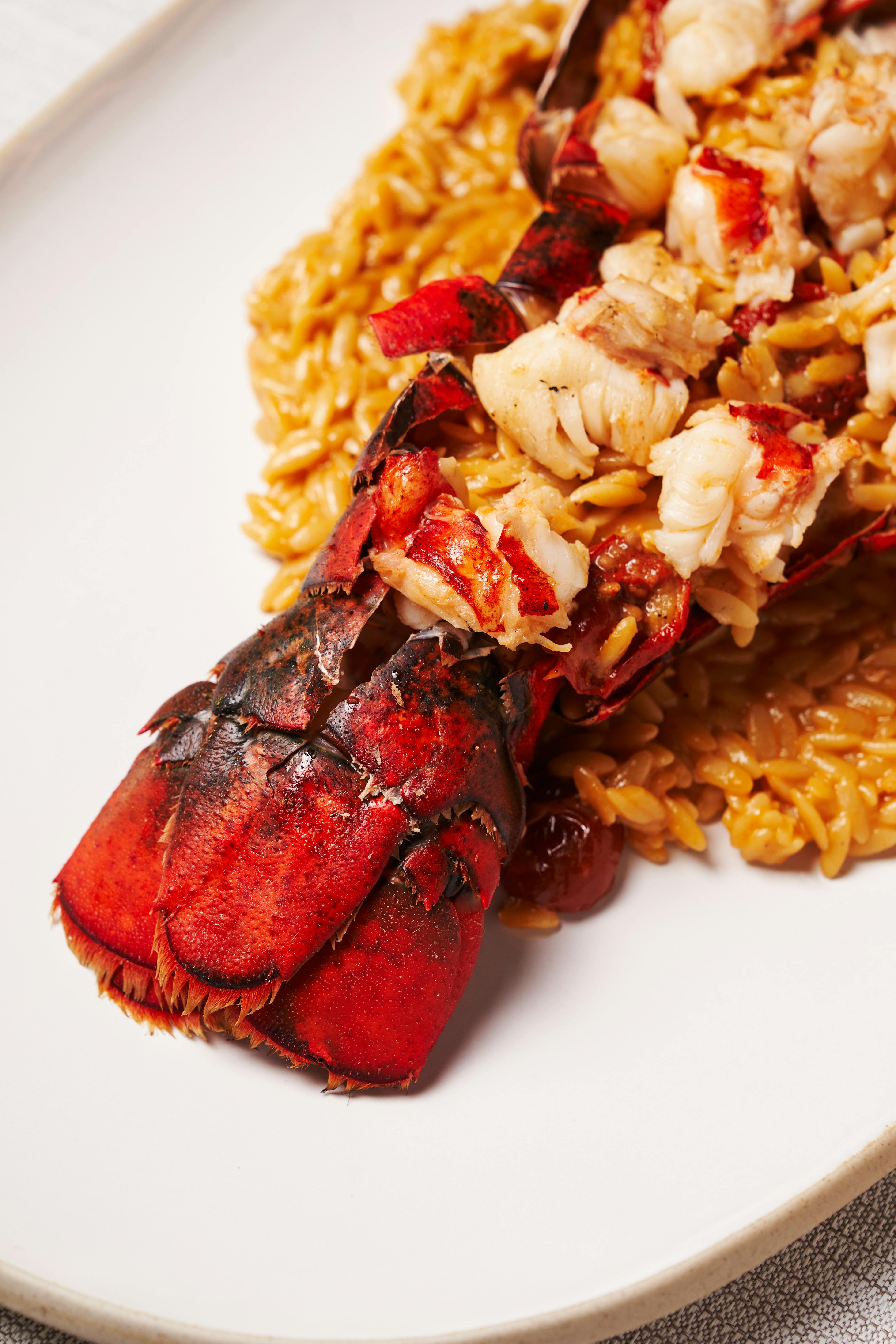
It is hard to believe now, but lobster was once so common in parts of North America that it was treated like a nuisance catch. In colonial New England, it washed up in huge piles, was fed to prisoners and servants, and was sometimes used as fertilizer because it was cheap and abundant.
Its image changed as transportation improved and rail travel introduced inland diners to lobster as a novelty. By the late 19th and early 20th centuries, restaurants had turned it into a special-occasion dish.
Today, limited supply, labor-intensive harvesting, and restaurant markups have made lobster one of the clearest examples of a poor food becoming a luxury symbol.
Oysters
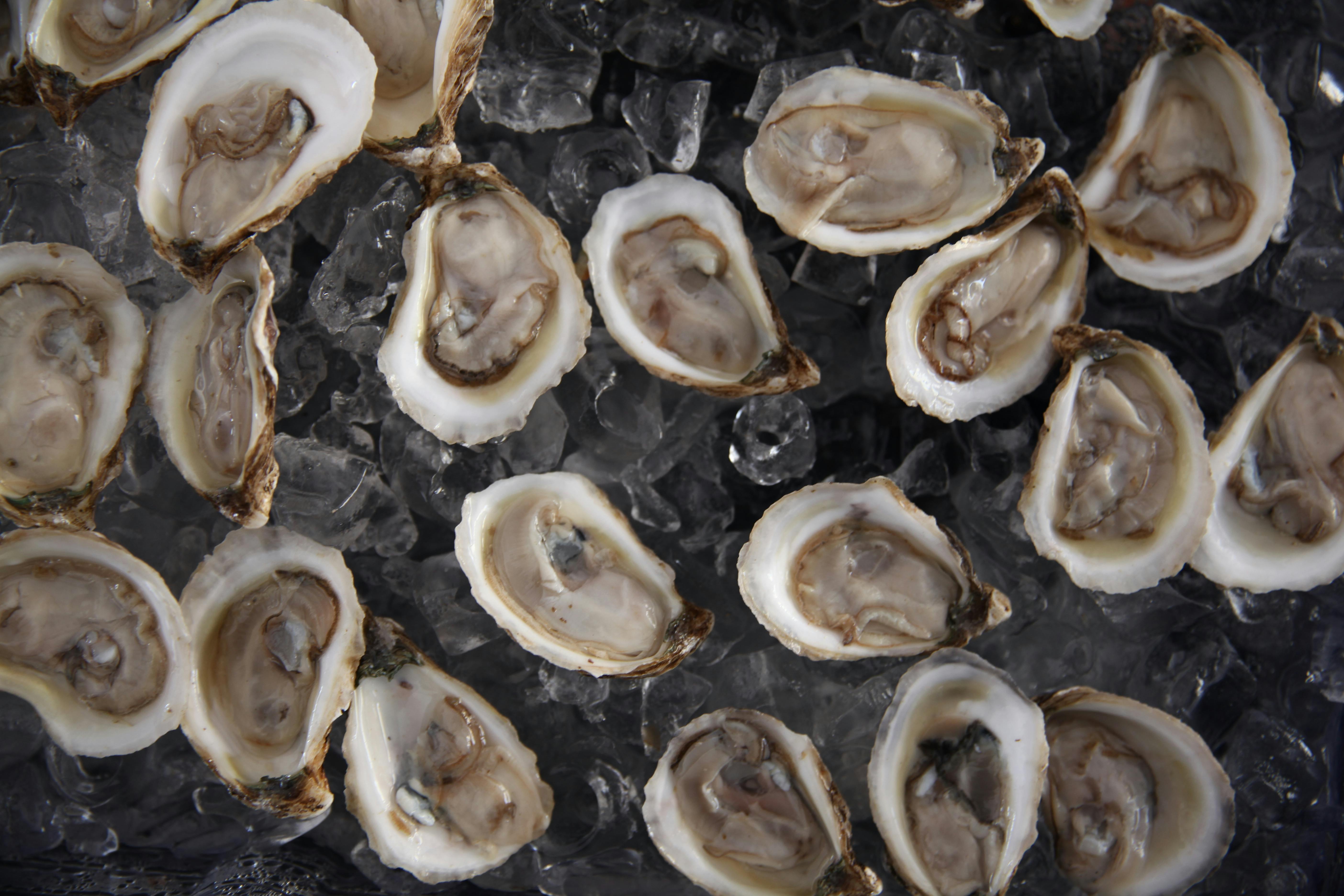
For much of the 18th and 19th centuries, oysters were everyday street food in cities like New York and London. They were plentiful, filling, and cheap enough for working-class people to eat regularly, often sold from carts, taverns, and oyster cellars.
That abundance did not last. Overharvesting, pollution, and habitat loss sharply reduced wild oyster beds, turning a once-basic food into a premium product.
Now oysters are tied to raw bars, champagne pairings, and carefully named coastal regions. What was once a quick, inexpensive bite is now marketed through terroir, seasonality, and shell-by-shell pricing.
Bone Marrow
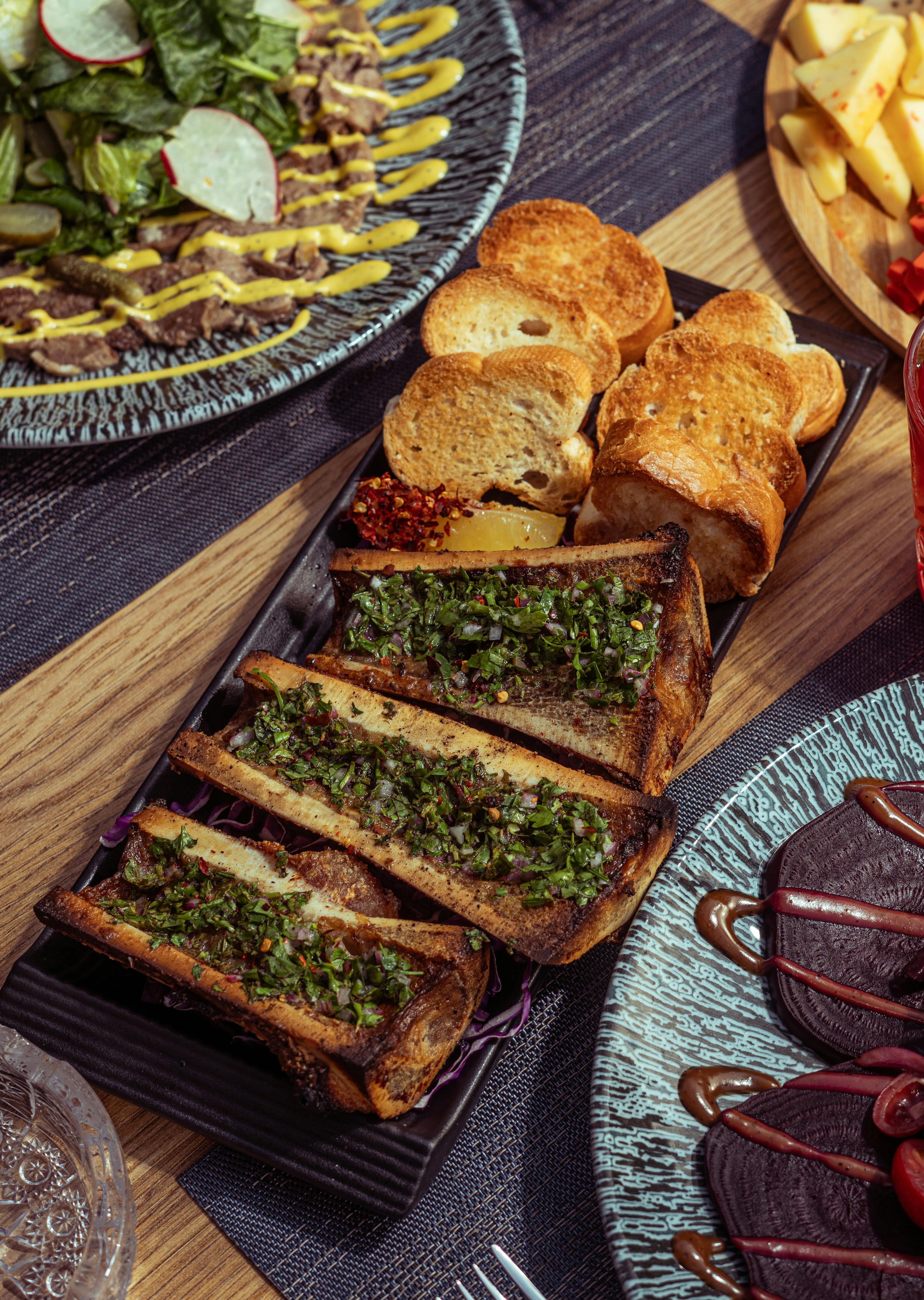
Bone marrow began as a thrifty cook's reward, not a luxury appetizer. Families who could not afford to waste anything roasted bones, simmered them for stock, and scraped out the rich center because every usable bit mattered.
In many traditional cuisines, marrow was valued for nourishment long before restaurants discovered its dramatic presentation. It carried flavor, fat, and calories, all important when budgets were tight and meals needed to stretch.
Fine dining changed its public image. Served on split roasted bones with toast, herbs, and sea salt, bone marrow now appears as an indulgent starter that can cost far more than the humble soups and stews where it first earned its place.
Oxtail
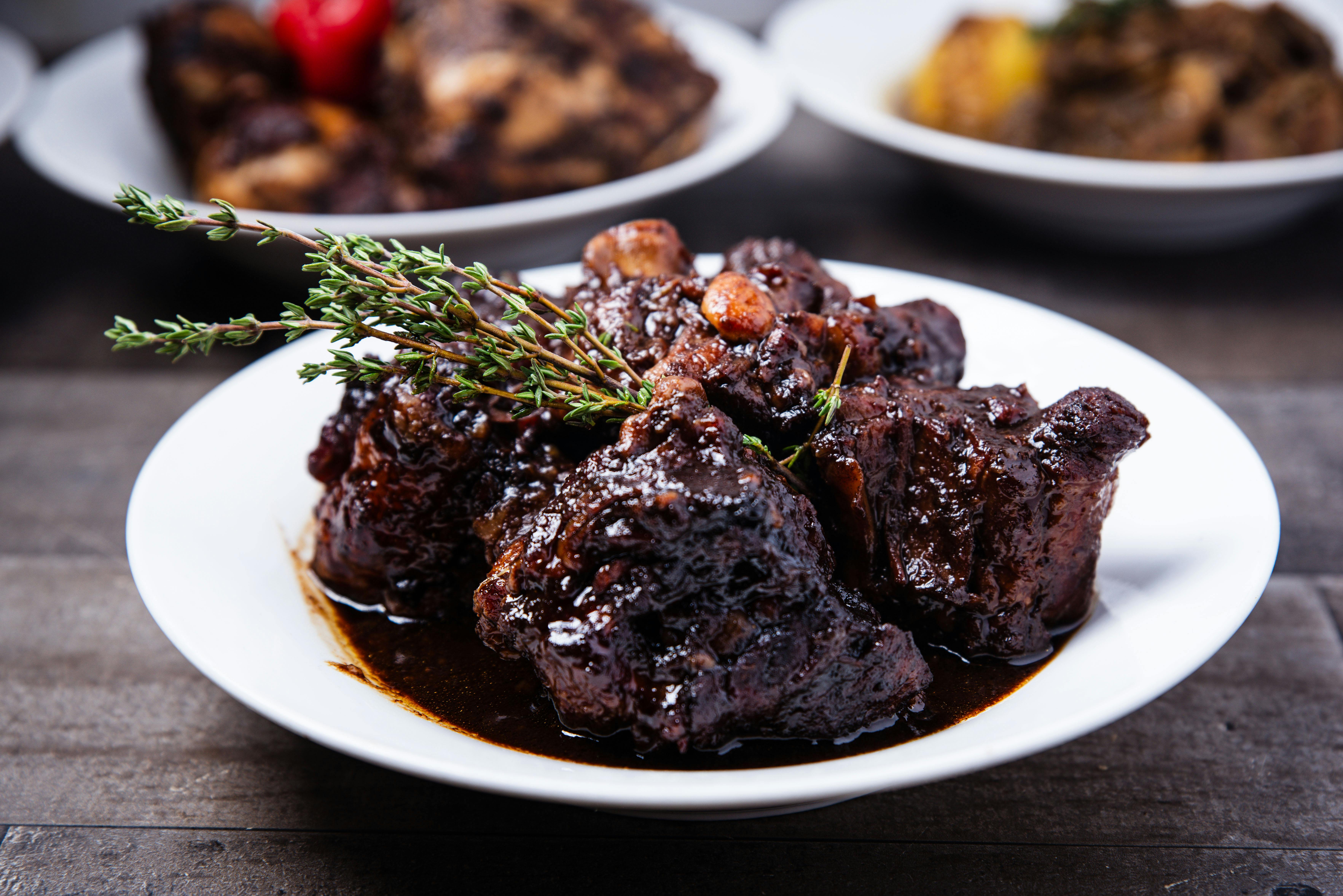
Oxtail tells the story of nose-to-tail eating before that phrase became trendy. It came from a cut most shoppers ignored, so it was long associated with economical home cooking in Caribbean, African, Latin American, and European kitchens.
The catch is that oxtail needs time. Slow simmering transforms its collagen, connective tissue, and small pockets of meat into something silky and deeply savory, which is exactly why cooks who understood it prized it.
As chefs embraced slow-braised dishes and rustic technique, demand climbed. Oxtail is now expensive in many markets, and restaurant versions often present it as comfort food with a luxury twist instead of the budget staple it once was.
Short Ribs
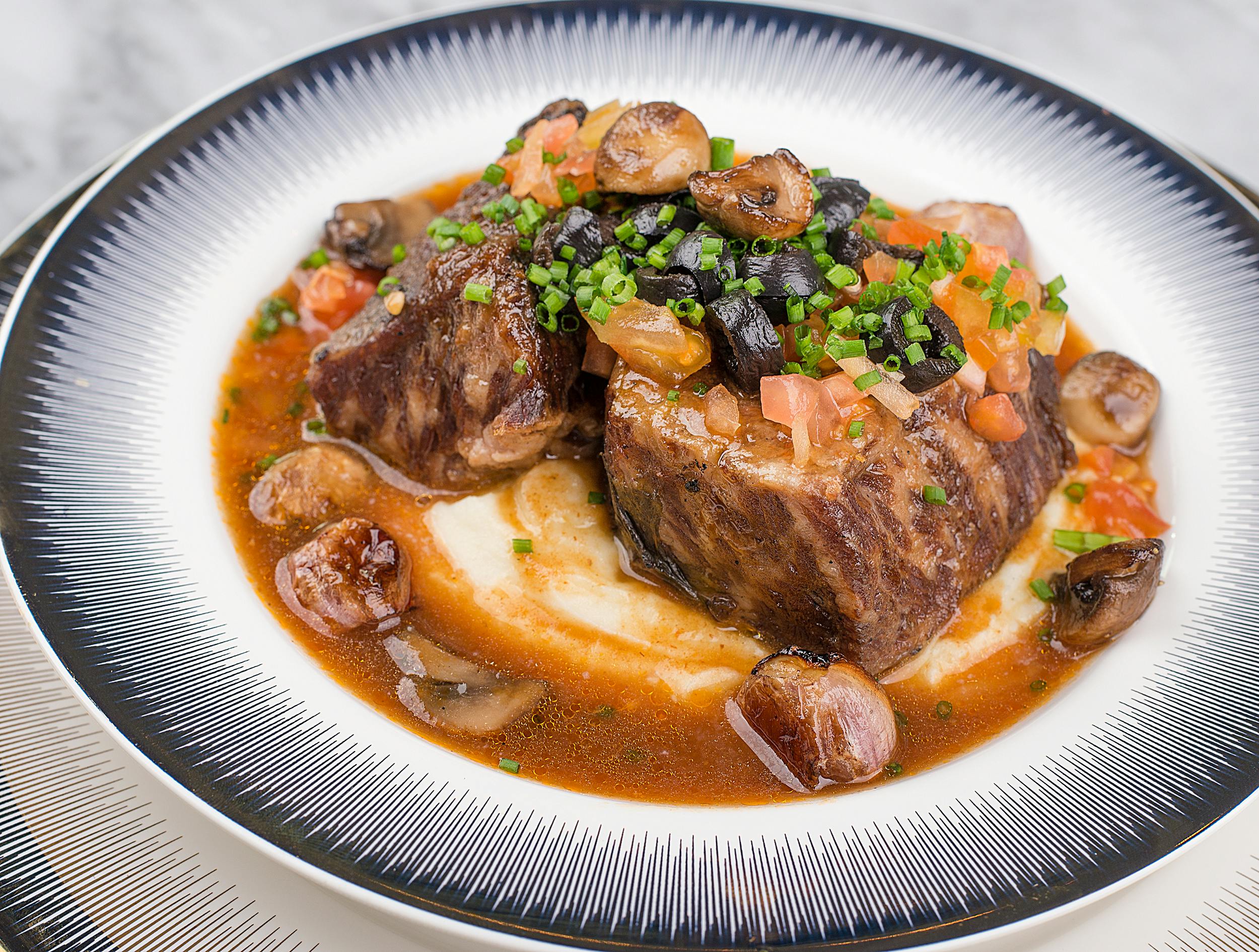
Short ribs were once the sort of cut a careful shopper bought because they were flavorful and affordable, not because they were fashionable. They came from tougher sections that needed patient cooking, which made them ideal for braises, soups, and family meals built around time rather than money.
What changed was taste culture. Restaurants began celebrating deep beef flavor and fork-tender textures, and short ribs delivered both when handled well.
Now they appear in glossy wine sauces, over creamy polenta, or tucked into upscale tacos and sandwiches. The same qualities that once made them practical for working kitchens now make them highly desirable, and often significantly pricier than they used to be.
Polenta

Polenta was peasant food for generations in northern Italy and beyond, prized because cornmeal was cheap, filling, and easy to cook in large quantities. It was the kind of meal that kept people going when meat and other expensive ingredients were scarce.
Its simplicity was once the point. Soft polenta could anchor a meal with little more than milk, cheese, or a bit of sauce, and firm leftovers could be sliced and fried the next day.
Today, polenta is often sold as rustic elegance. Restaurants enrich it with butter, cream, aged cheese, and truffle, turning an old survival staple into a premium side that signals comfort, craft, and culinary nostalgia.
Sardines

Sardines used to be a practical answer to hunger. They were inexpensive, widely available, and often preserved in tins, making them especially valuable for workers, soldiers, and households that needed shelf-stable protein without a high cost.
Their strong flavor and modest price gave them an unglamorous reputation for years. Yet nutrition experts have long noted their value, including omega-3 fats, calcium when the bones are eaten, and substantial protein in a small package.
Now sardines have been reinvented through premium canning, heritage sourcing, and designer packaging. Good tins from Portugal, Spain, and France can cost surprisingly high amounts, especially when marketed as artisanal seafood for the modern pantry.
Brisket
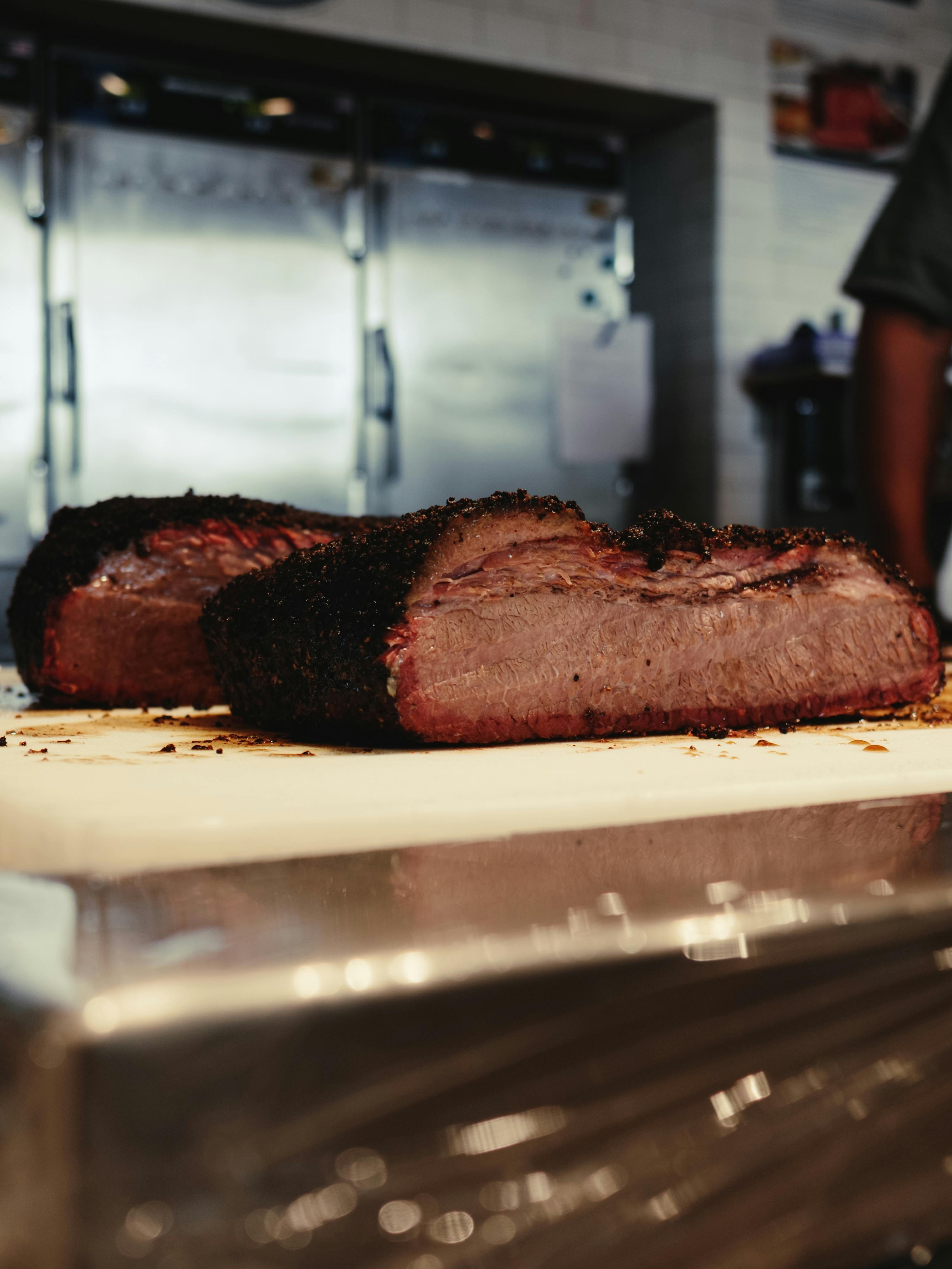
Brisket was once a tough bargain cut that rewarded patience more than cash. In Jewish cooking, Texas barbecue, and many home kitchens, it became important because it could feed a crowd when cooked low and slow, even if it started out chewy and plain.
That long cooking time is what unlocks brisket. Fat renders, connective tissue softens, and the meat turns tender, flavorful, and deeply satisfying. For generations, that transformation was part of practical cooking, not luxury dining.
Now demand from barbecue culture and restaurant trends has driven up both status and price. Prime brisket, smoked for hours or braised with care, is often treated as a culinary event rather than an economical centerpiece.
Chicken Wings

Chicken wings were once close to throwaway parts, often overlooked in favor of breasts, thighs, and drumsticks. Butchers and home cooks did use them for soup and stock, yet they were not considered a premium item by any stretch.
That changed dramatically once Buffalo wings caught on in bars and sports culture. Their crisp skin, spicy sauce, and shareable format made them a hit, and demand exploded far beyond their original value.
Today, wings can be shockingly expensive, especially during major sports events or supply squeezes. What used to be a cheap side item has become a category of its own, with gourmet sauces, free-range sourcing, and restaurant pricing to match.
Tongue
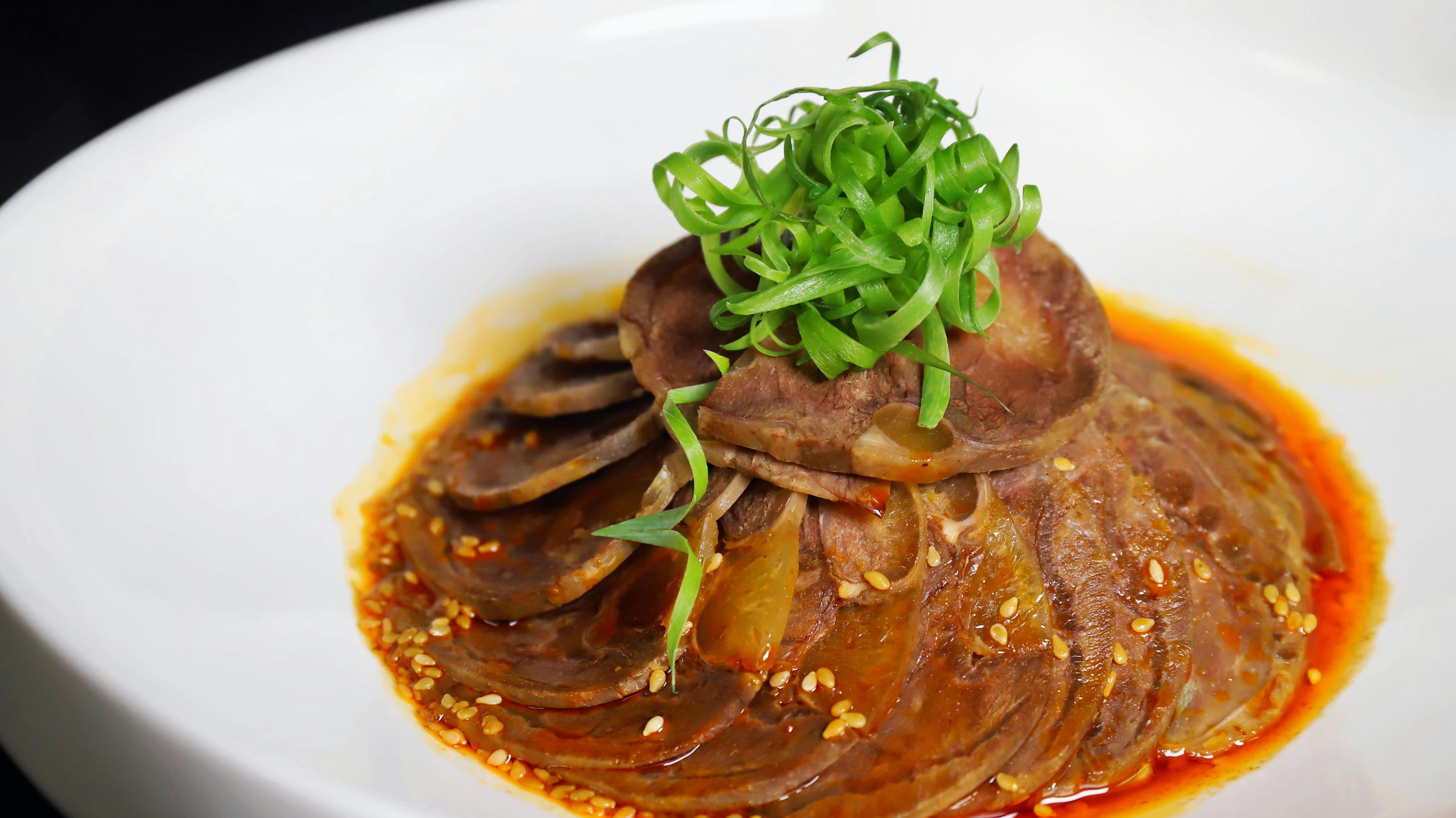
Tongue was once a classic example of making the whole animal count. In many cultures, especially in immigrant and rural communities, it was valued because it was affordable, nutritious, and capable of becoming tender and flavorful with proper cooking.
Its barrier was never taste so much as image. People willing to look past the cut itself discovered a rich texture that works beautifully in tacos, sandwiches, salads, and cold sliced preparations.
As chefs and adventurous diners embraced offal and traditional cooking methods, tongue gained new prestige. What was once a necessity item is now often sold as a specialty ingredient, sometimes at prices that reflect fashion as much as scarcity.
Truffles
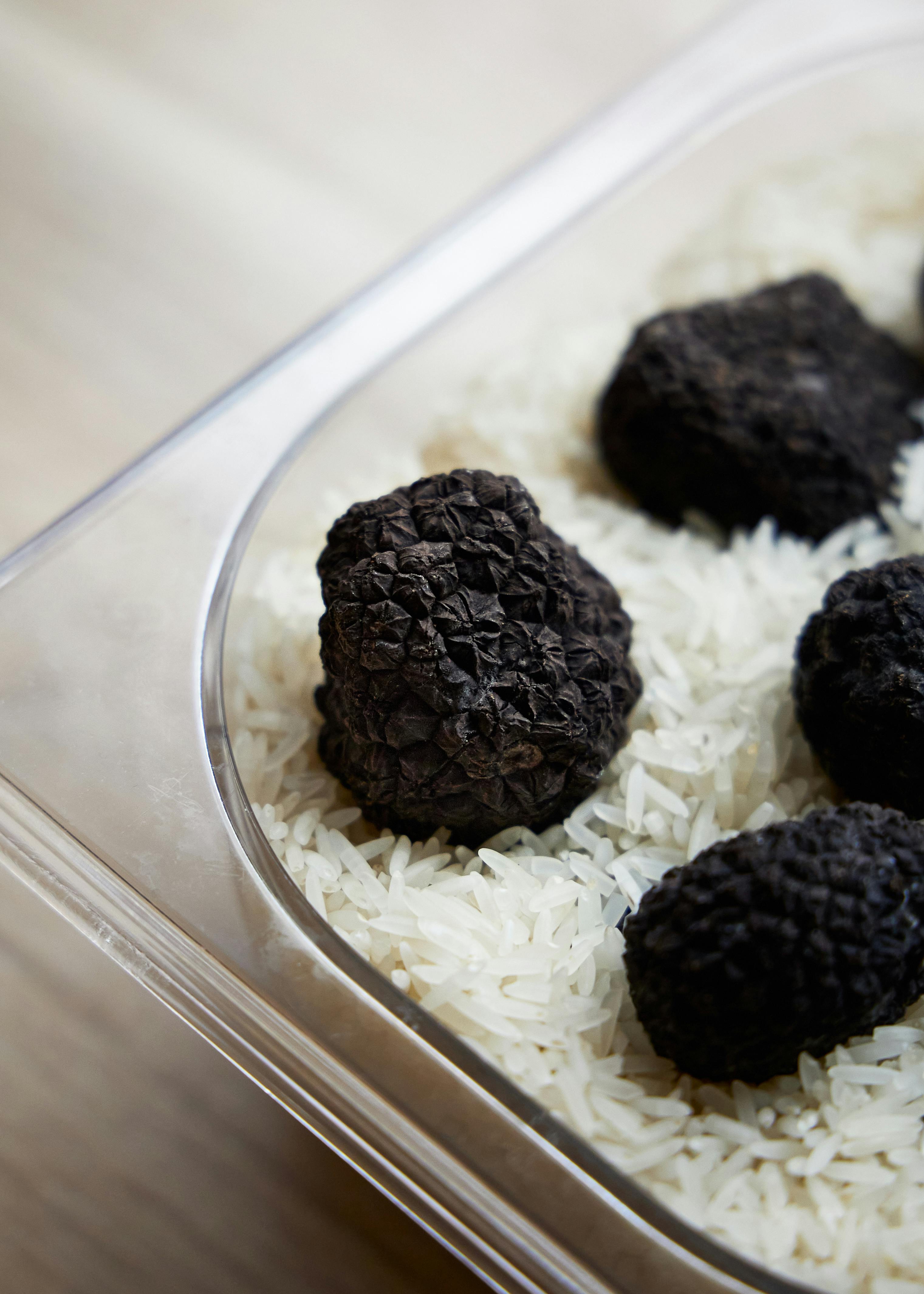
Truffles may sound like they have always belonged to the wealthy, but their history is more complicated. In some European rural communities, people gathered wild truffles as a local resource rather than a luxury symbol, and they did not always command the elite mystique they carry now.
What elevated truffles was a mix of scarcity, difficulty in finding them, short seasons, and the rise of French and Italian haute cuisine. Once chefs and food writers framed them as the pinnacle of aroma, prices soared.
Today, even a shaving of truffle can add a serious premium to a dish. Their earthy scent, limited supply, and powerful branding have turned a foraged ingredient into one of the clearest markers of culinary extravagance.




Leave a Reply