
Every Canadian workplace has its own food culture, and somehow the most confusing moments always happen near the fridge, microwave, or break room table. From mystery leftovers to passive-aggressive birthday cake etiquette, these situations are so common that they feel almost official. Here are eight office food scenarios that workers across Canada know well, even if nobody has agreed on the right way to deal with them.
The Lunch That Disappears From the Fridge
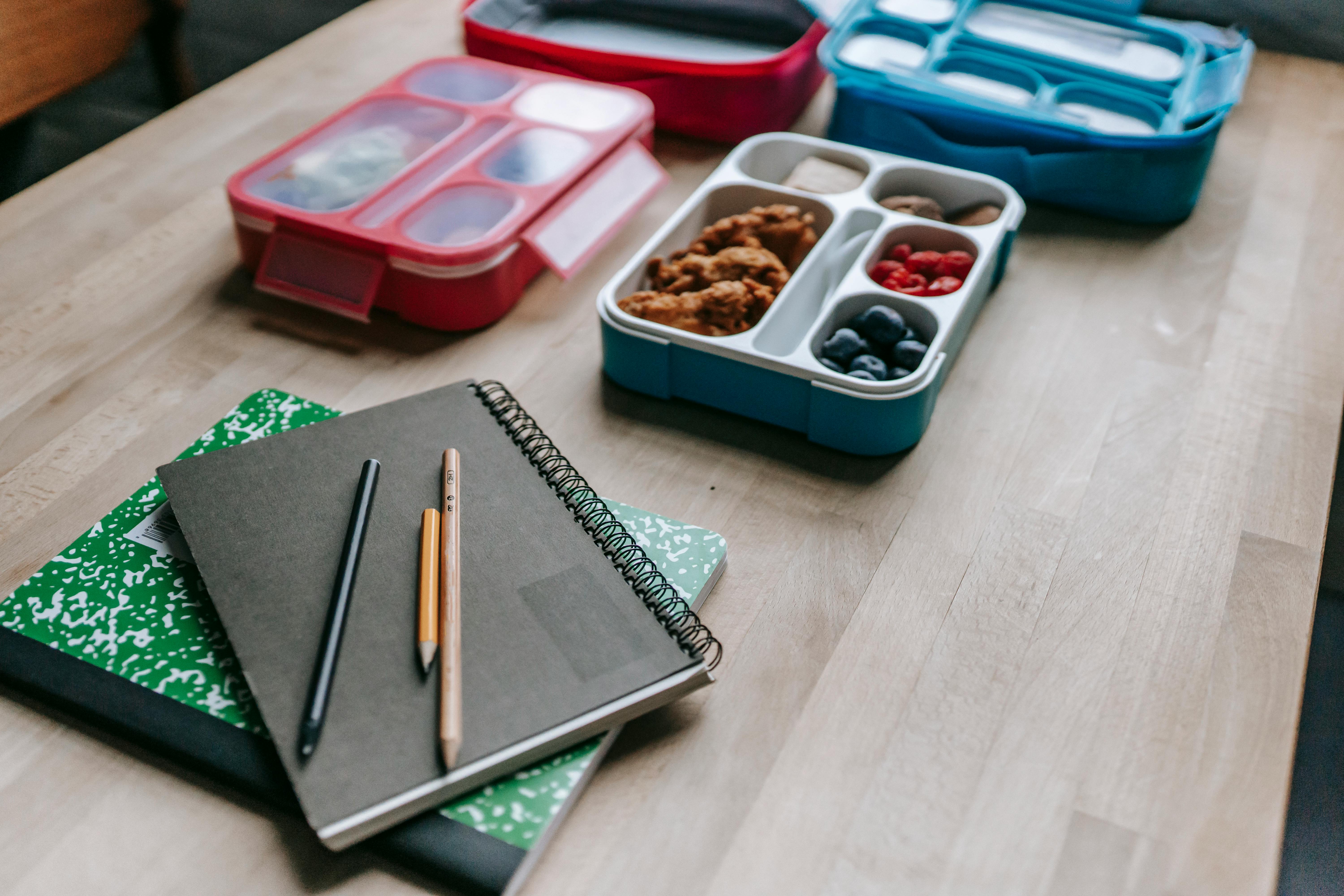
Nothing tests workplace trust faster than opening the shared fridge and realizing your lunch is gone. In offices across Canada, this small act can derail an afternoon, not only because someone took food that was not theirs, but because it breaks an unwritten rule everyone depends on.
Sometimes it is a genuine mistake, especially when containers all look alike and leftovers are packed in reusable tubs. More often, people suspect a repeat offender, which creates tension that is hard to prove and even harder to address without sounding dramatic.
The result is familiar: labels get bigger, passive-aggressive notes appear, and people start keeping yogurt at their desks like it is private property. It is rarely just about the sandwich. It is about fairness, respect, and the strange politics of a communal fridge.
The Fish in the Microwave Debate
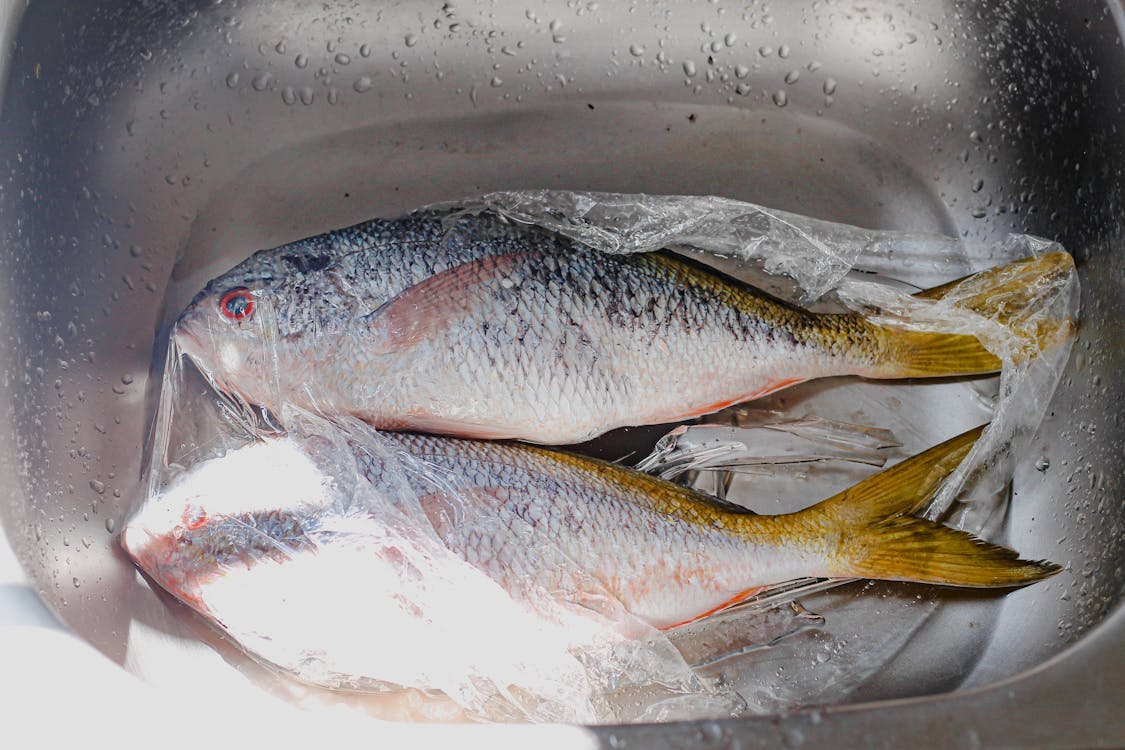
Every office seems to have one food smell that becomes legend, and microwave fish usually tops the list. The issue is not that fish is unusual or wrong to eat. It is that the smell travels quickly, lingers in fabric, and somehow reaches desks far beyond the kitchen.
In many Canadian workplaces, this becomes less about taste and more about shared air. Open-plan offices, compact lunchrooms, and weak ventilation turn one reheated meal into a building-wide announcement that nobody asked for.
The awkward part is that few people want to police someone else's lunch. So coworkers cough politely, open a window if there is one, and send messages in group chat about "strong smells" without naming names. It is a modern office standoff, handled with equal parts courtesy and quiet resentment.
The Birthday Cake That Nobody Wants to Cut First
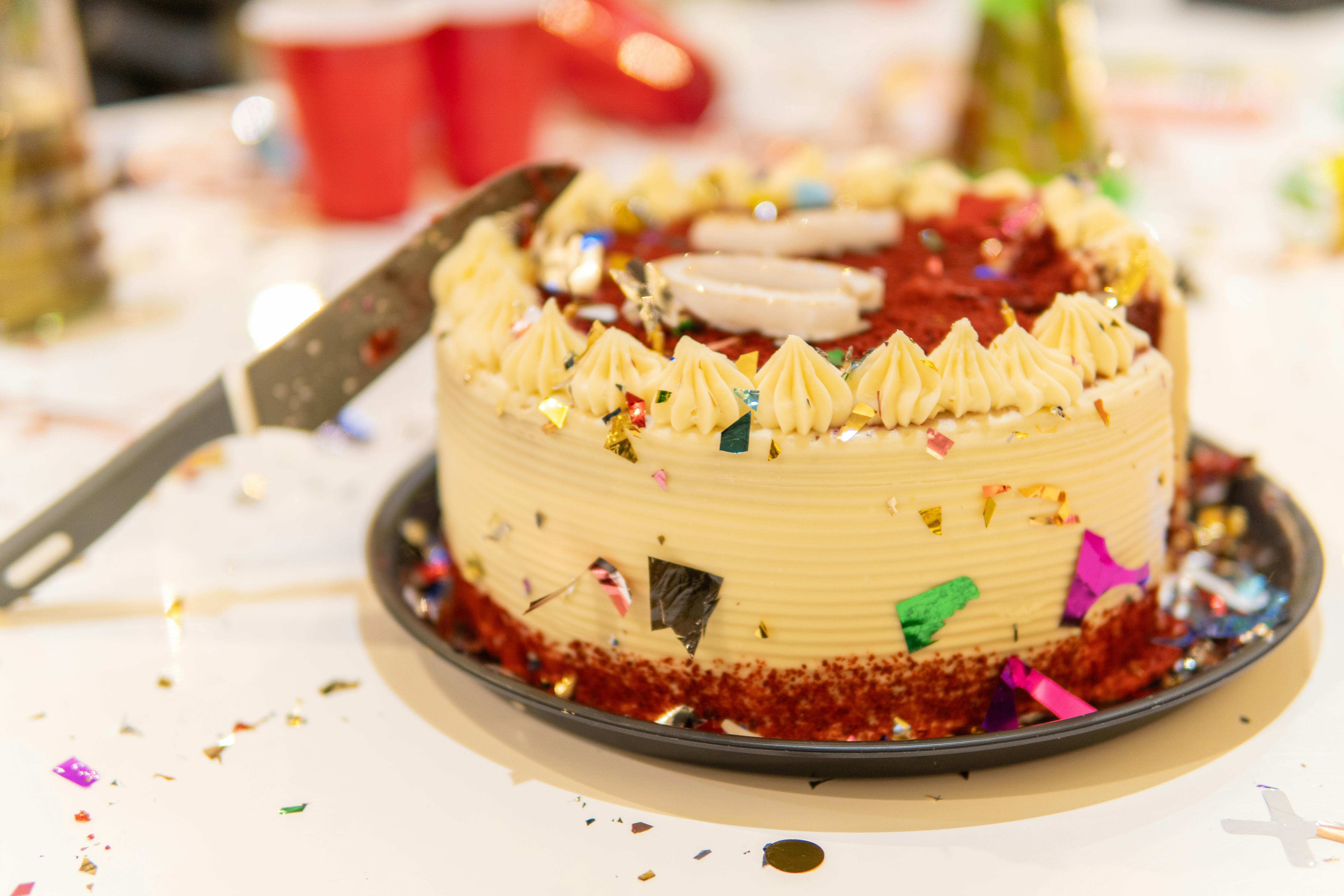
A sheet cake in the break room should be simple, yet it often creates a surprising amount of social hesitation. People gather, admire it, and wait. No one wants to be the first to ruin the perfect icing border or take a piece that looks too large.
In Canadian offices, this pause can stretch longer than expected because politeness becomes a full performance. Workers ask whether the guest of honour has had some, whether others have been called down, and whether it is rude to take the corner piece everyone secretly wants.
Then comes the second phase, when the cake sits out for hours and suddenly becomes suspicious. Is it still fresh, has everyone had a chance, and does taking another slice look greedy? A five-minute celebration somehow turns into a quiet study in etiquette, timing, and sugar-fuelled diplomacy.
The Potluck With One Amazing Dish and Seven Mystery Ones

Office potlucks are meant to build morale, but they also reveal how little people know about each other's cooking habits. One person arrives with a restaurant-level casserole, another brings a grocery store veggie tray, and someone else sets down a dish no one can identify without asking three careful questions.
In Canada, potlucks can be especially layered because workplaces are often culturally diverse, which is a wonderful thing when it leads to variety, but tricky when labels are missing. People want to be adventurous, yet they also want to know about ingredients, spice levels, and possible allergens.
The social choreography is delicate. You do not want the homemade labour-intensive dish to go untouched, and you definitely do not want to offend the colleague who proudly made tuna macaroni salad at 6 a.m. Everyone smiles, fills a plate strategically, and tries to look equally enthusiastic about everything.
The Coffee Fund Nobody Understands

Few office systems are as vague as the communal coffee setup. There is usually a tin, jar, or envelope somewhere in the kitchen, plus an honour-based expectation that regular drinkers should contribute. The trouble starts when nobody knows the amount, the schedule, or who is actually keeping track.
Some workers bring their own coffee and avoid the whole issue. Others drink the office brew daily but forget to chip in until someone sends a gently pointed reminder. Then there are the occasional visitors who pour a cup without realizing they have entered a tiny economy built on silent assumptions.
What makes this so awkward is that coffee is both inexpensive and oddly symbolic. It stands in for fairness, generosity, and team spirit. A few unpaid cups should not matter much, yet somehow they do, especially when the machine is empty and the person who bought the last tin of grounds knows it.
The Leftovers That Become a Science Experiment

Every shared office fridge eventually develops a lower shelf horror story. It starts with good intentions, usually a takeout container or half a salad meant for tomorrow's lunch. Then the workweek gets busy, somebody calls in sick, and the container stays long enough to become part of the ecosystem.
Canadian offices often rely on periodic fridge clean-outs, especially before holidays or long weekends. Until then, people perform avoidance. They shift containers carefully, pretend not to notice the smell, and hope the owner will recognize their own forgotten pasta before it reaches a dangerous stage.
No one wants to throw out someone else's food too soon, because that risks conflict. Wait too long, though, and the fridge becomes a public health lesson. The problem persists because it sits at the intersection of personal responsibility and collective discomfort, which is where office habits tend to get stuck.
The Free Food Email That Starts a Stampede

There are few messages more effective than an office email announcing free food in the kitchen. It could be bagels from a morning meeting, catered leftovers from a client event, or an unopened box of donuts. Whatever the source, people appear with remarkable speed and very little small talk.
This reaction is not just greed. In many workplaces, free food carries a sense of urgency because it is finite, unassigned, and socially competitive. If you wait too long, only plain crackers and one bruised banana remain, which is how office disappointment often looks.
The tricky part is pacing yourself with dignity. Arrive too early and you seem opportunistic. Arrive too late and you get nothing. People try to act casual while quietly calculating whether it is acceptable to take a second cookie. It is one of the most democratic and revealing moments in office life.
The Colleague Who Brings Treats and Creates an Obligation

Homemade muffins, holiday cookies, Timbits on a Friday morning, these gestures are generous and often genuinely appreciated. But they can also create a low-level pressure in the office, especially when one person becomes known as the thoughtful bringer of snacks and everyone else starts wondering whether they should be doing more.
In Canadian work culture, food often doubles as friendliness. Bringing treats can smooth over stress, celebrate small wins, or simply make a cold morning better. At the same time, not everyone has the budget, time, or interest to participate in that kind of informal generosity.
That is where the uncertainty sets in. Do you reciprocate, contribute, or just say thank you and move on? Most people choose gratitude and hope that is enough. Still, the dynamic can quietly shift a nice gesture into a social norm, which is when kindness starts feeling complicated.




Leave a Reply