
Funeral food is supposed to comfort, but in Canada it can also leave outsiders doing a double take. Across the country, church basements, legion halls, and family homes fill up with dishes that reflect immigration, prairie practicality, Atlantic thrift, and deep-rooted community tradition. These are the foods that show up when people gather to mourn, remember, and feed a crowd, even if the menu makes perfect sense only once you understand the place behind it.
Egg salad sandwiches
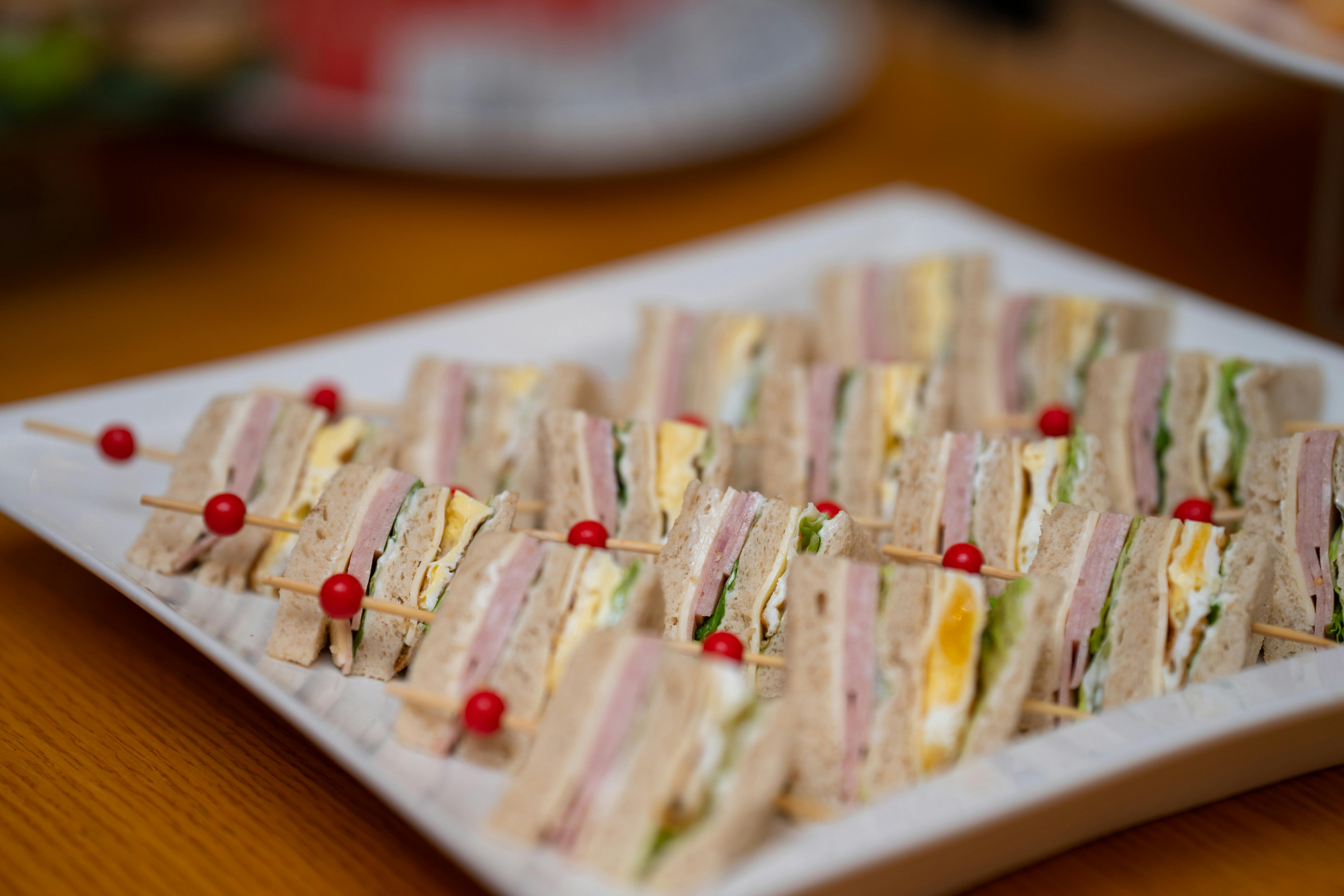
If there is one food that practically announces a Canadian funeral reception, it is the egg salad sandwich. Served on soft white or whole wheat bread with the crusts often trimmed off, these little triangles are easy to make in bulk, inexpensive, and familiar enough to reassure people who may not feel like eating much.
Their staying power has a lot to do with church and community cooking. Across Ontario, the Prairies, and Atlantic Canada, volunteers have long relied on egg salad because it stretches well and holds up on platters beside coffee urns and dainties. To outsiders, a room full of mourners quietly eating neat little tea sandwiches can look oddly formal. To many Canadians, it simply looks like care.
Ham and buns

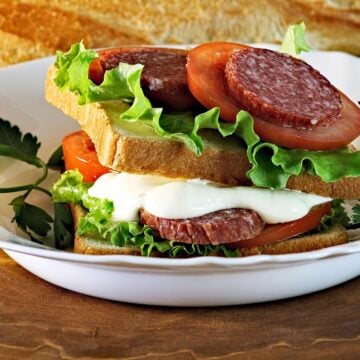
Few foods are more tied to Canadian post-funeral gatherings than ham and buns. The formula is simple: sliced ham, soft dinner rolls, mustard, pickles, maybe cheese, and a table where people can build a sandwich while catching up with cousins they have not seen in years.
This is especially common in rural communities, where feeding a crowd quickly matters more than elegance. Ham is affordable, easy to prep ahead, and satisfying without being fussy. In Manitoba, Saskatchewan, Alberta, and parts of Ontario, a memorial lunch without ham and buns can feel almost incomplete. For someone from elsewhere, the plainness may seem surprising. For Canadians, that plainness is part of the point.
Perogies

At some Canadian funerals, especially on the Prairies, the comfort food is not a casserole or a sandwich but a tray of perogies. Filled with potato, cheddar, onion, or cottage cheese and served with fried onions, sour cream, and sometimes sausage, they bring unmistakable Ukrainian and Eastern European influence to the table.
That regional history matters. Manitoba, Saskatchewan, and Alberta were shaped by generations of Ukrainian settlement, and funeral meals often reflect what families actually cook at home for major gatherings. To an outsider, dumplings at a funeral might feel unexpected. To many Prairie families, they are exactly what belonging tastes like, even in moments of grief.
Cabbage rolls

Cabbage rolls are another dish that can puzzle anyone expecting subdued finger food. These hearty parcels of cabbage wrapped around rice, meat, or both, then baked in tomato sauce, look more like a full supper than a light reception plate. Yet in many Canadian communities, especially in the Prairie provinces and among Eastern European families, they are a classic expression of hospitality.
They also make practical sense. Cabbage rolls can be prepared in advance, cooked in large batches, and kept warm for hours, which is exactly what a funeral meal often requires. Their presence says the family wanted people fed properly. In Canada, that message can matter just as much as any formal gesture of sympathy.
Jell-O salads

Nothing confuses non-Canadians quite like the sight of a funeral buffet featuring something that jiggles. Jell-O salads, sometimes layered, sometimes studded with canned fruit, shredded carrots, marshmallows, or a creamy topping, survive in Canadian funeral culture long after many people stopped serving them at ordinary dinners.
Their endurance comes from mid-20th-century community cookbooks, church ladies' recipes, and the fact that they can be made ahead and portioned neatly. In parts of the country, especially smaller towns, they still appear as a bright, slightly surreal splash of color beside sandwiches and casseroles. Outsiders may read them as retro kitsch. Canadians of a certain generation often read them as memory.
Funeral potatoes

The name alone can make visitors pause, but funeral potatoes are very real and very beloved. This rich casserole usually combines hash browns or diced potatoes with sour cream, condensed soup, cheese, and a crunchy topping of cornflakes or crushed crackers. It is warm, soft, salty, and made for feeding people who need comfort more than culinary novelty.
The dish is best known in Mormon community cooking in the United States, but it has also found a home in Western Canada, where church suppers and family potlucks overlap in style and purpose. At funerals, it works because it is cheap, filling, and easy to transport. What sounds dark to outsiders feels almost reassuringly direct to everyone else.
Date squares

Date squares have a serious, old-school Canadian energy that makes them perfect funeral food. With a crumbly oat base and topping wrapped around a sweet, sticky date filling, they are sturdy enough to sit on a tray for hours and tidy enough to eat while standing in a church hall balancing a paper napkin and a coffee cup.
They also speak to the long tradition of prairie baking and practical desserts across the country. Dates were a pantry staple in many home kitchens, and squares in general became a natural choice for any event that required feeding dozens. To someone unfamiliar with Canadian dainties, a memorial table full of brown dessert bars may look plain. In truth, they are deeply deliberate.
Nanaimo bars

A funeral spread in Canada can include a dessert so rich and sweet that it seems almost at odds with the occasion. Nanaimo bars, with their crumbly chocolate-coconut base, custard-flavored middle, and glossy chocolate top, are often part of the familiar tray of squares that appears after services, especially in Western Canada and British Columbia.
Their popularity comes down to convenience and national affection. They do not require baking in their classic form, they cut neatly, and nearly everyone recognizes them. For outsiders, the idea of serving such a decadent treat after a funeral may feel strange. In Canada, a small square like this is less about indulgence than about continuity, the kind that helps people settle into conversation again.
Butter tarts
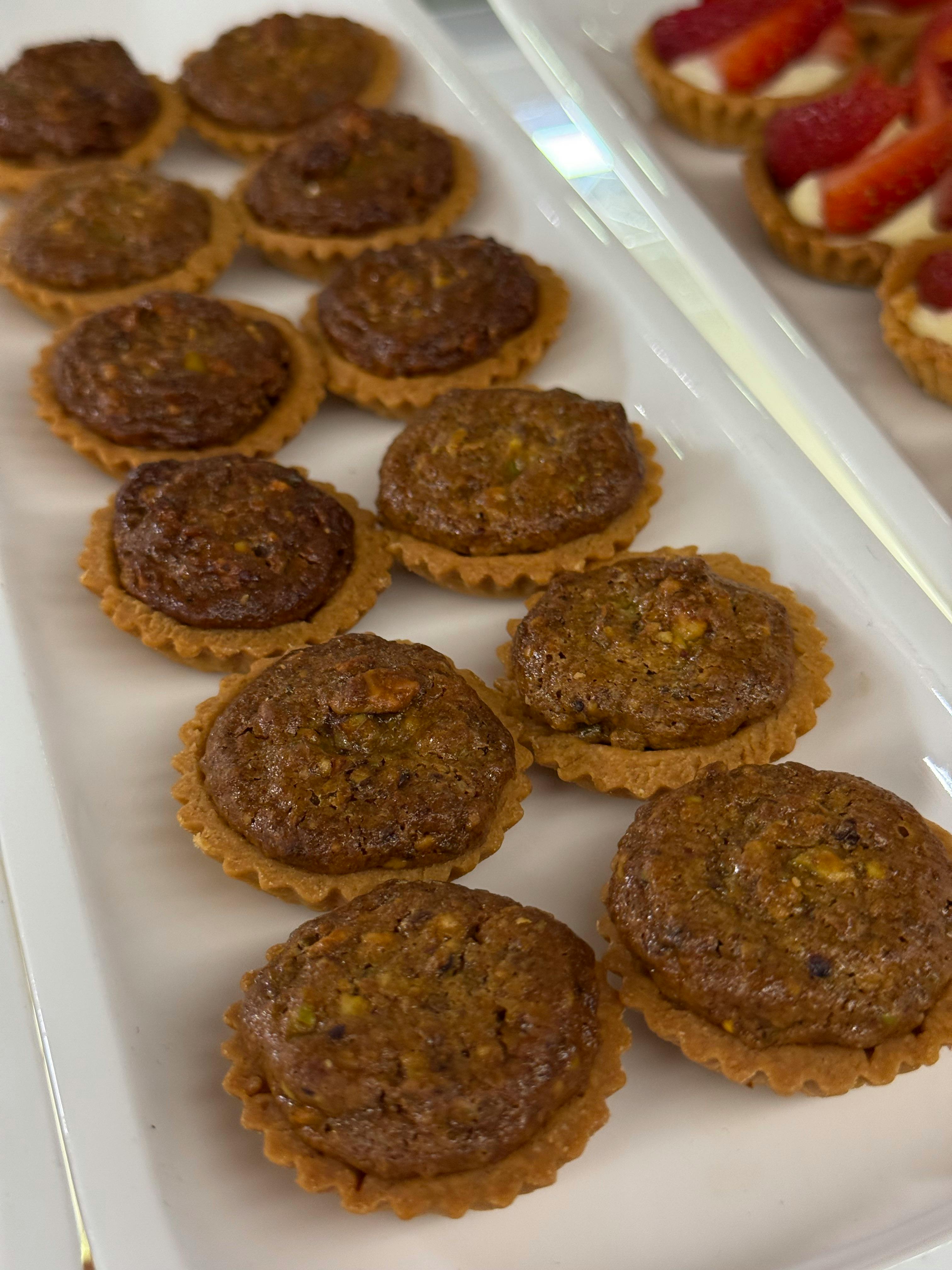
Butter tarts show up at plenty of cheerful Canadian gatherings, but they also make regular appearances at funeral receptions, especially in Ontario. With their flaky pastry shells and gooey filling of butter, sugar, and egg, sometimes with raisins or pecans depending on how opinionated the baker is, they bring a familiar kind of sweetness to a difficult day.
Their role is partly regional and partly emotional. Butter tarts are one of the most recognizable Canadian baked goods, and serving them can feel like placing something unmistakably local on the table. To someone from outside the country, they may just look like miniature pecan pies with a mysterious filling. To Canadians, they often read as heritage in pastry form.
Salmon sandwiches
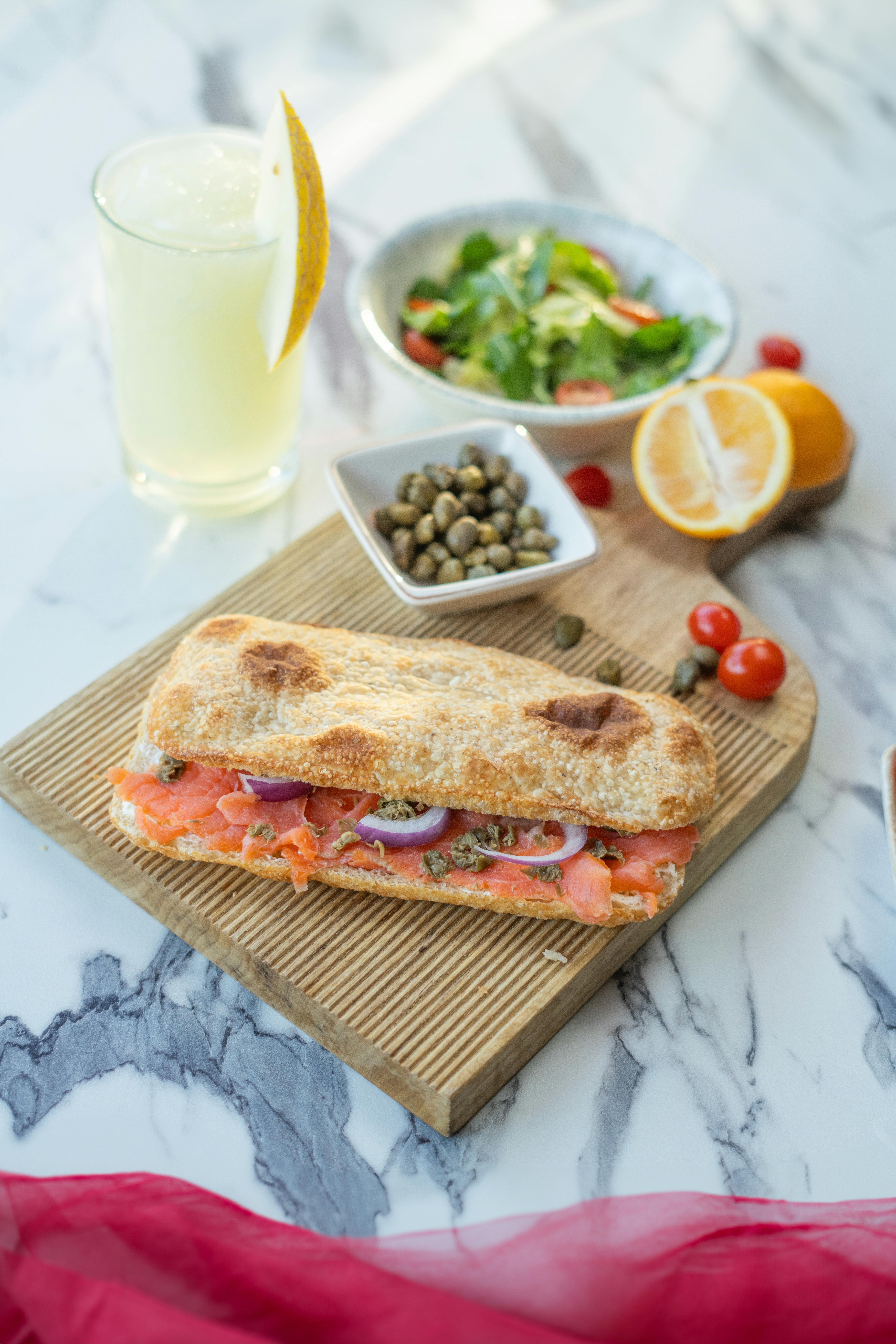
In parts of Atlantic Canada and some coastal communities, salmon sandwiches can be just as common as egg salad or ham. Usually made with canned salmon mixed into a simple spread or served as soft sandwich fillings on sliced bread or buns, they reflect both local seafood habits and the older home-economy style of feeding a crowd affordably.
These sandwiches can throw off visitors who expect seafood to be reserved for restaurants or special dinners. In Canadian funeral settings, though, practicality and tradition often go hand in hand. Canned salmon is shelf-stable, protein-rich, and familiar to generations raised on maritime pantry staples. What seems unusual from the outside often makes perfect regional sense once you know the coastline behind it.
Pickles, relishes, and vegetable trays
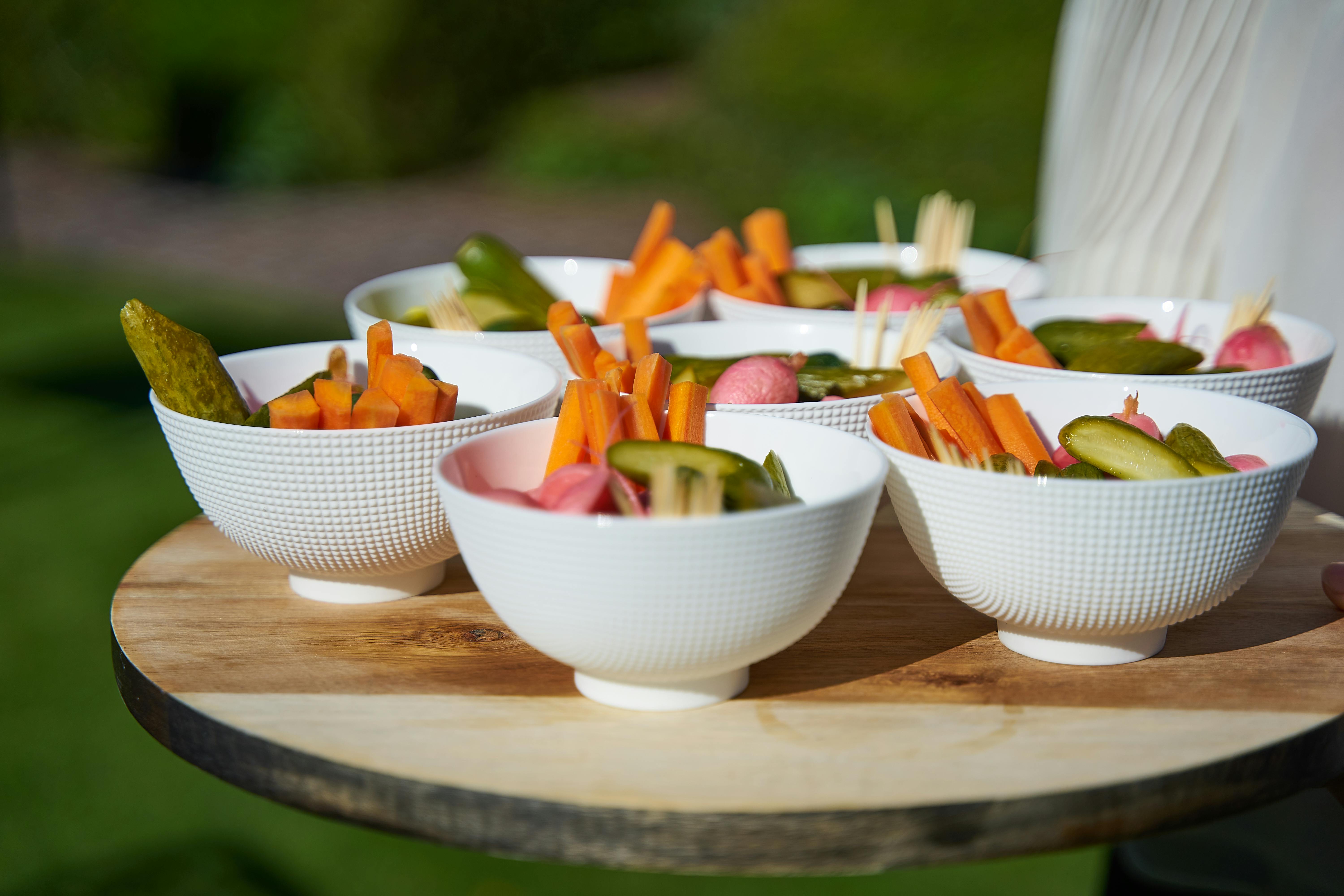
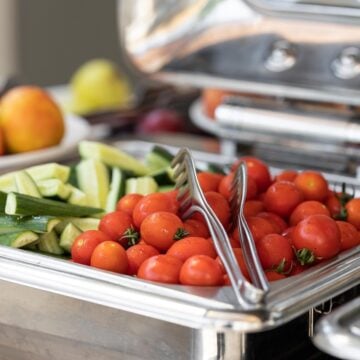
One of the more quietly Canadian sights at a funeral is the relish section. Pickles, beet pickles, cucumber pickles, olives, chow-chow, and simple vegetable trays often take up as much room as the main dishes. To outsiders, the amount of preserved and pickled food can feel strangely old-fashioned, as if the buffet were assembled from a prairie pantry.
That impression is not entirely wrong. Preserving has long been woven into Canadian home cooking, especially in rural regions and places with strong Eastern European, Maritime, and farmhouse traditions. At funeral lunches, these acidic, crunchy foods cut through all the starch, meat, and mayonnaise. More than that, they signal abundance. Even in grief, the table is supposed to look prepared.
Leave a Reply