
Coffee feels permanent, almost like part of the machinery of modern life. That is exactly why its growing vulnerability has been so easy to ignore.
Coffee's importance is much bigger than a daily habit

For many people, coffee is simply the drink that starts the day. In reality, it is one of the world's most significant agricultural commodities, woven into trade, employment, retail, hospitality, and household routine on nearly every continent. Industry estimates often place global consumption at roughly 400 billion cups per year, which helps explain why even small disruptions can ripple widely through economies and kitchens alike.
Its cultural footprint is just as large as its economic one. Coffee shops anchor neighborhoods, office workers run on it, and entire social rituals revolve around brewing, sharing, and discussing it. In the United States alone, coffee has long been a daily staple for a large share of adults, while demand for specialty drinks, premium beans, and at-home brewing gear has continued to expand.
Behind that familiar cup, however, sits a labor-intensive supply chain that starts far from the espresso bar. More than 120 million people worldwide are estimated to depend on coffee for their livelihoods, from growers and pickers to processors, exporters, roasters, and café workers. When coffee production becomes unstable, the consequences extend far beyond taste or convenience. It becomes a livelihood crisis, a food system problem, and in some regions, a threat to social stability.
The people growing coffee are earning less, not more
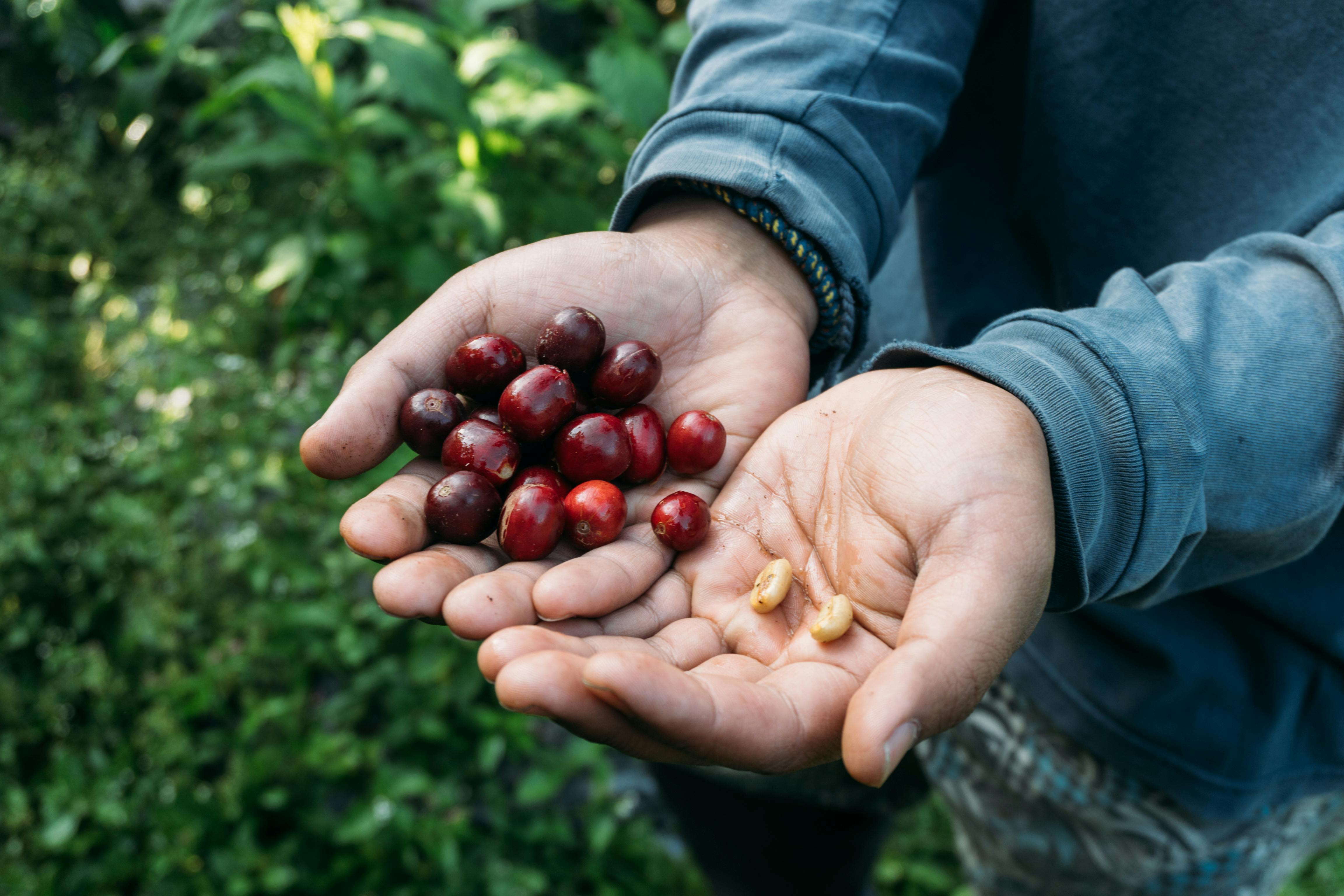
One of the most troubling realities in coffee is that retail prices and farmer earnings have often moved in opposite directions. Consumers have grown used to paying more for cappuccinos, cold brew, and branded beans, yet many coffee farmers have faced years of squeezed income. Source material from Alma Coffee highlights a stark example: green coffee prices fell dramatically from historical highs, even as roasted coffee prices on the consumer side continued to rise.
That disconnect reveals where value is being captured. The farmer carries weather risk, crop disease risk, labor costs, fertilizer costs, and financing pressure, but often receives only a tiny fraction of the final price. Some industry analyses have argued that growers may see less than 1¢ of every retail dollar generated by roasted coffee. Whether the exact figure varies by market, the broader pattern is clear. The people producing the raw ingredient often have the least power in setting its price.
This pressure changes behavior at the farm level. When coffee no longer pays enough, growers may delay maintenance, reduce wages, cut investments in quality, or switch to other crops altogether. Some abandon coffee entirely. That may sound like an isolated business decision, but multiplied across producing regions, it threatens future supply. The danger to your morning coffee is not just that beans may cost more. It is that fewer farmers may be able, or willing, to keep growing them.
Climate change is reshaping where coffee can survive
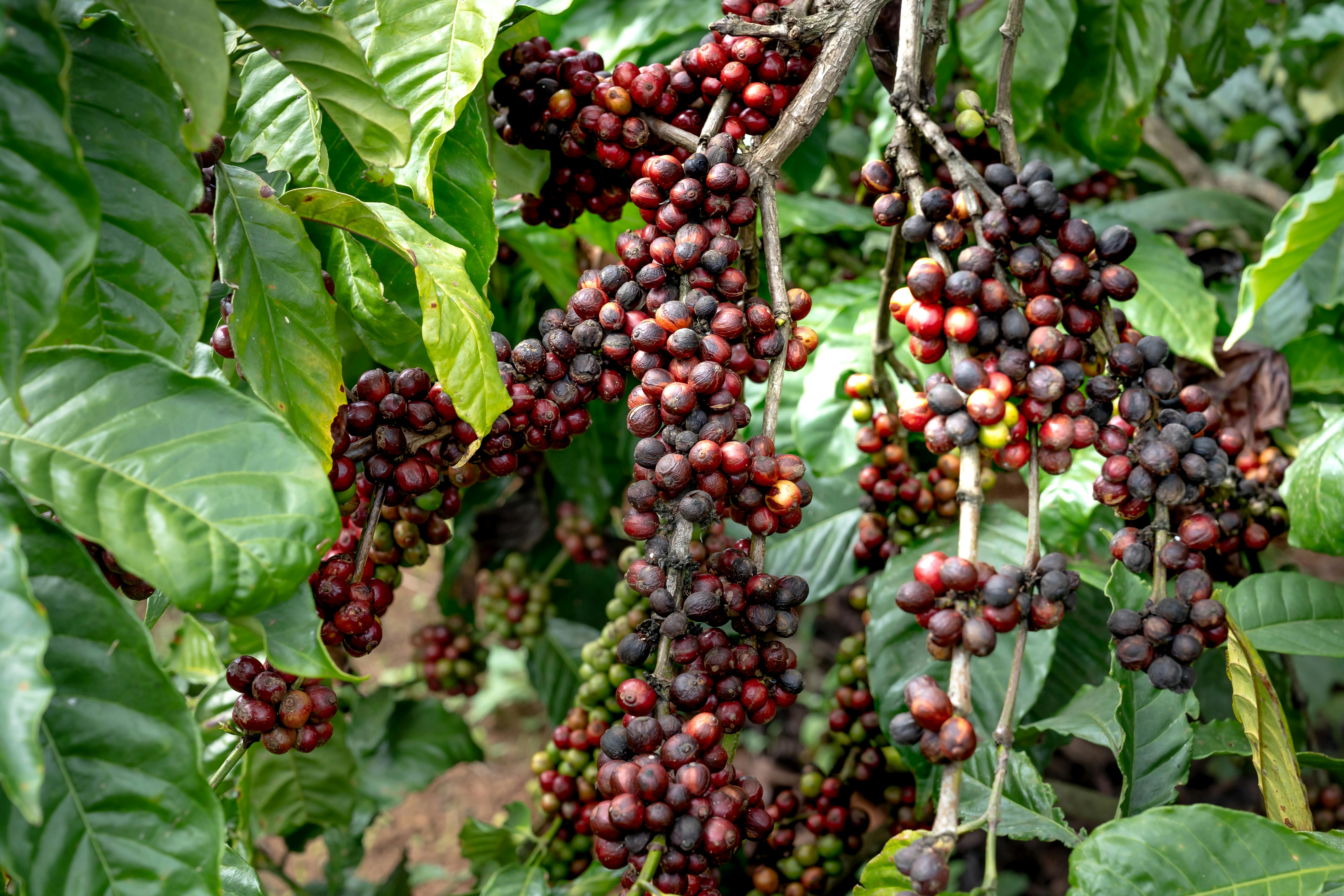
Even if the economics were fairer, coffee would still face an enormous challenge: climate change. Arabica, the species behind many of the world's most prized coffees, is especially sensitive to temperature swings, changing rainfall, and disease pressure. Research from institutions including World Coffee Research and peer-reviewed climate studies has repeatedly warned that suitable land for Arabica cultivation could shrink significantly in several producing countries by mid-century.
Coffee thrives within a relatively narrow environmental range. As average temperatures climb, farms at lower elevations can become less productive or unsuitable. Warmer conditions also help pests and plant diseases spread into areas where they were once less damaging. Coffee leaf rust has already devastated crops in parts of Latin America, while the coffee berry borer remains a costly threat in many regions.
For growers, climate stress is not abstract. It means blossoms arriving at the wrong time, rains becoming erratic, harvests shrinking, and quality becoming harder to maintain. In countries such as Honduras, Colombia, Ethiopia, and Brazil, producers have had to adapt through shade management, new varieties, irrigation changes, and moving cultivation uphill where possible. But adaptation costs money, and that returns us to the core problem. Farmers being paid too little are the same farmers expected to finance resilience against a warming planet.
The coffee market rewards scale, not always sustainability

Coffee's global market is built for volume. Large traders, major roasters, and multinational brands can lock in supply, negotiate favorable contracts, and spread risk across massive operations. Smaller farms, independent cooperatives, and specialty-focused producers rarely enjoy that same leverage. According to research cited in the provided source material, a significant share of global roasting has been concentrated among a small number of large companies, giving them outsized influence over pricing and purchasing norms.
That concentration matters because it shapes incentives throughout the chain. If buyers prioritize consistency, low costs, and bulk availability above all else, growers are pushed toward a race where survival depends on producing more for less. Quality, soil health, biodiversity, and labor standards can become secondary unless consumers and roasters actively pay for them. Cheap coffee is never really cheap if its true cost is shifted onto farmers, workers, forests, and future harvests.
This is also why ethical labels can feel both helpful and incomplete. Fair-trade systems have improved conditions for many producers by creating minimum standards and some price protections. But certification alone cannot solve every local problem, and one-size-fits-all frameworks do not always reflect the realities of specific farms or regions. More companies are now emphasizing transparency, traceability, and direct relationships precisely because the old commodity logic has left too many cracks in the foundation.
Why supply chain fragility now affects what lands in your cup
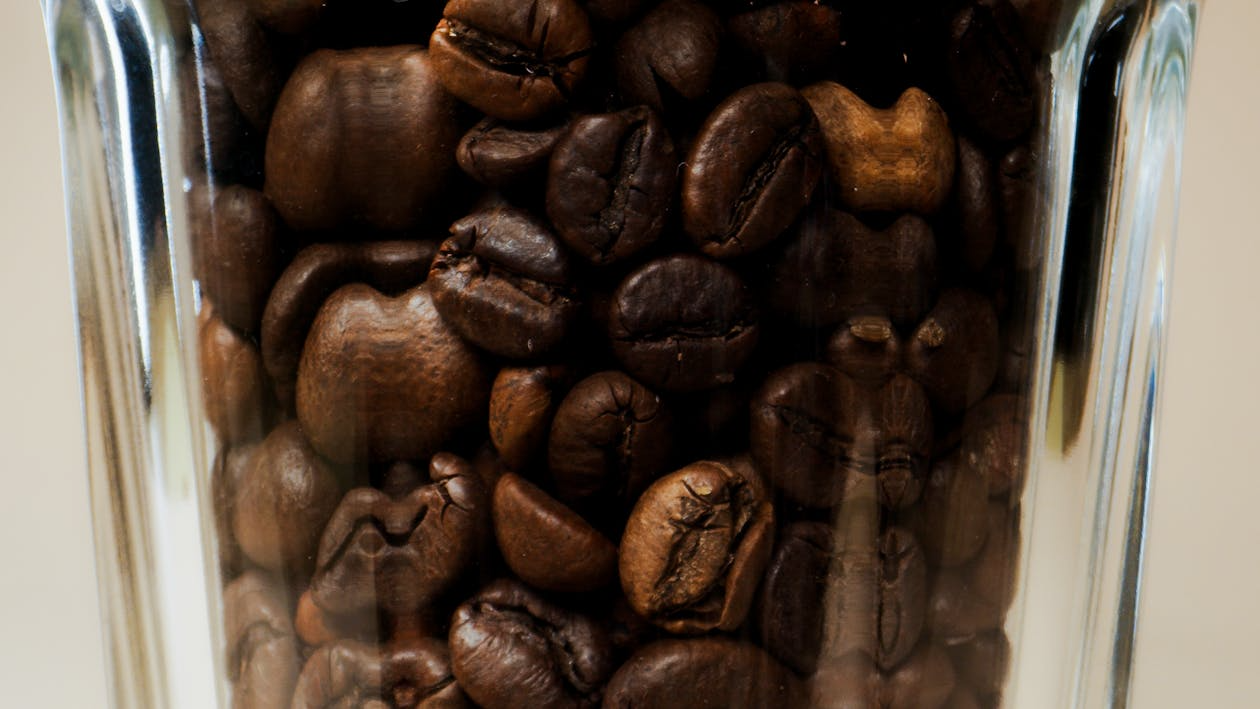
Recent years have made one fact impossible to miss: global supply chains are fragile. Coffee has been hit by shipping disruptions, fertilizer spikes, labor shortages, extreme weather, and export bottlenecks, all while demand in many markets remained strong. Brazil's frost events, drought conditions in major producing regions, and logistics snarls after the pandemic each showed how quickly coffee prices can jump when multiple risks collide at once.
Those shocks do not stay confined to producing countries. Roasters face higher green bean costs, cafés pay more for milk, cups, labor, and rent, and consumers notice rising shelf prices. But supply chain fragility is about more than inflation. It can also reduce consistency and quality. A favorite blend may change because one origin became too expensive or unavailable. A small roaster may struggle to secure enough beans from a farm relationship it spent years building.
The deeper issue is systemic dependence on a product that is geographically concentrated and environmentally sensitive. Much of the world's coffee comes from regions already exposed to climate volatility, economic inequality, and infrastructure constraints. That means the fate of your morning cup is tied to forces far outside the kitchen. When people say coffee is in danger, they are not exaggerating. They are describing a supply system under multiple layers of pressure at the same time.
What consumers can do to help protect coffee's future
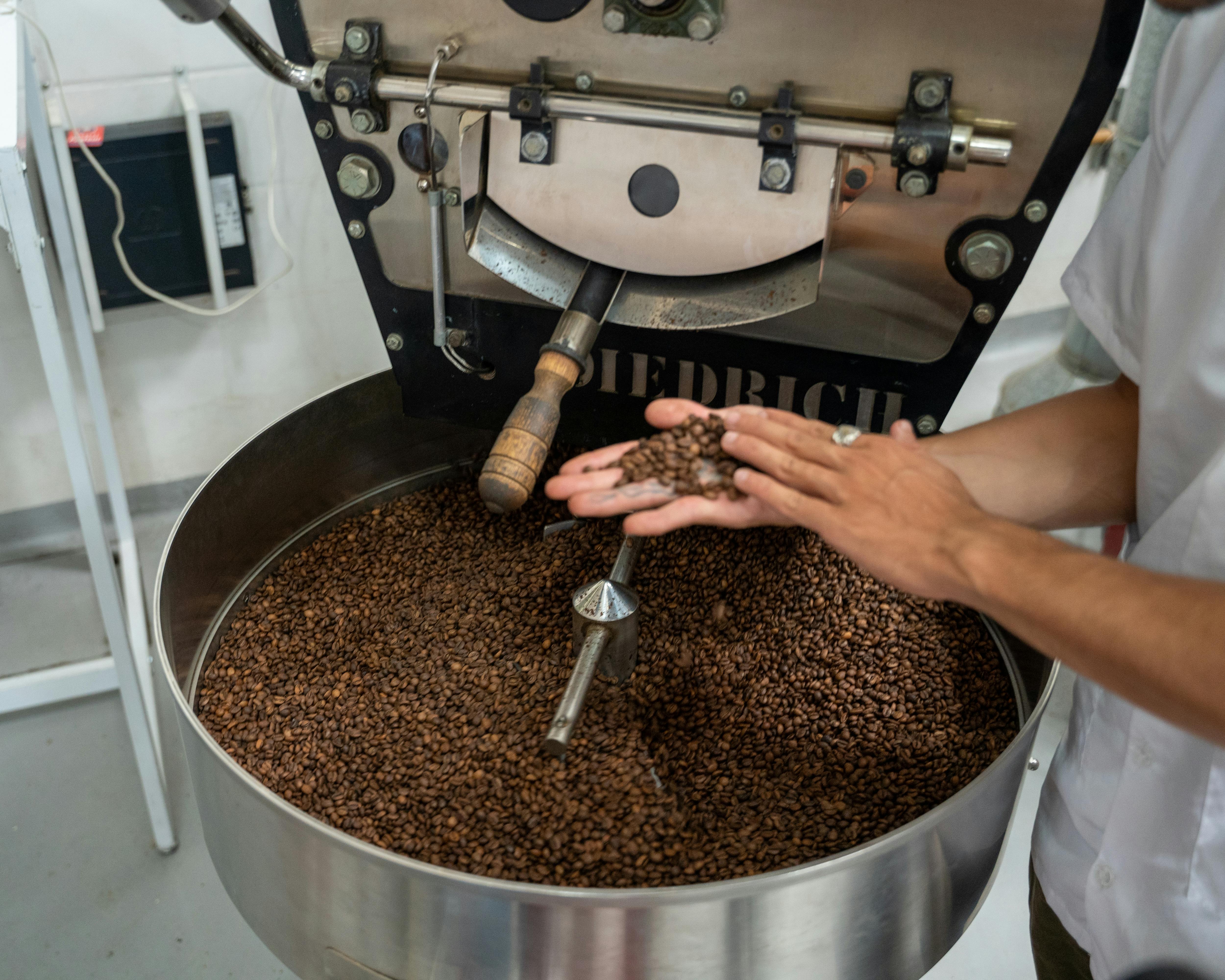
The good news is that coffee drinkers are not powerless. Purchasing choices may seem small, but they matter in a market where margins are thin and buyer behavior shapes incentives. One practical step is to favor roasters and cafés that can clearly explain where their coffee comes from, who produced it, and how those producers are paid. Transparency is not a marketing extra. It is often the clearest signal that a company takes the farm side of the business seriously.
Direct-trade models, relationship-based sourcing, and well-run cooperatives can all help keep more value closer to producers, though no single model is perfect in every setting. The key question is whether growers are earning enough to invest in workers, quality, and climate resilience. If a seller cannot name the origin, the producing community, or the sourcing approach, that should raise concerns. Coffee is too complex, and too vulnerable, to be treated as an anonymous commodity.
Consumers can also broaden their expectations. Paying a little more for traceable coffee can support better economics upstream. Trying different origins reduces pressure on a narrow set of famous regions. Valuing seasonality and agricultural reality over total uniformity creates room for a healthier system. Saving coffee will not come from nostalgia alone. It will come from recognizing that the real threat is bigger than caffeine, bigger than cafés, and bigger than one crop. It is about whether a global industry can become fair enough, and resilient enough, to survive.




Leave a Reply