
Great cooking is usually less about fancy gadgets and more about smart tools. The best chefs know that a few overlooked workhorses can improve speed, control, and consistency almost immediately.
A good fish spatula is the most versatile turner in the kitchen
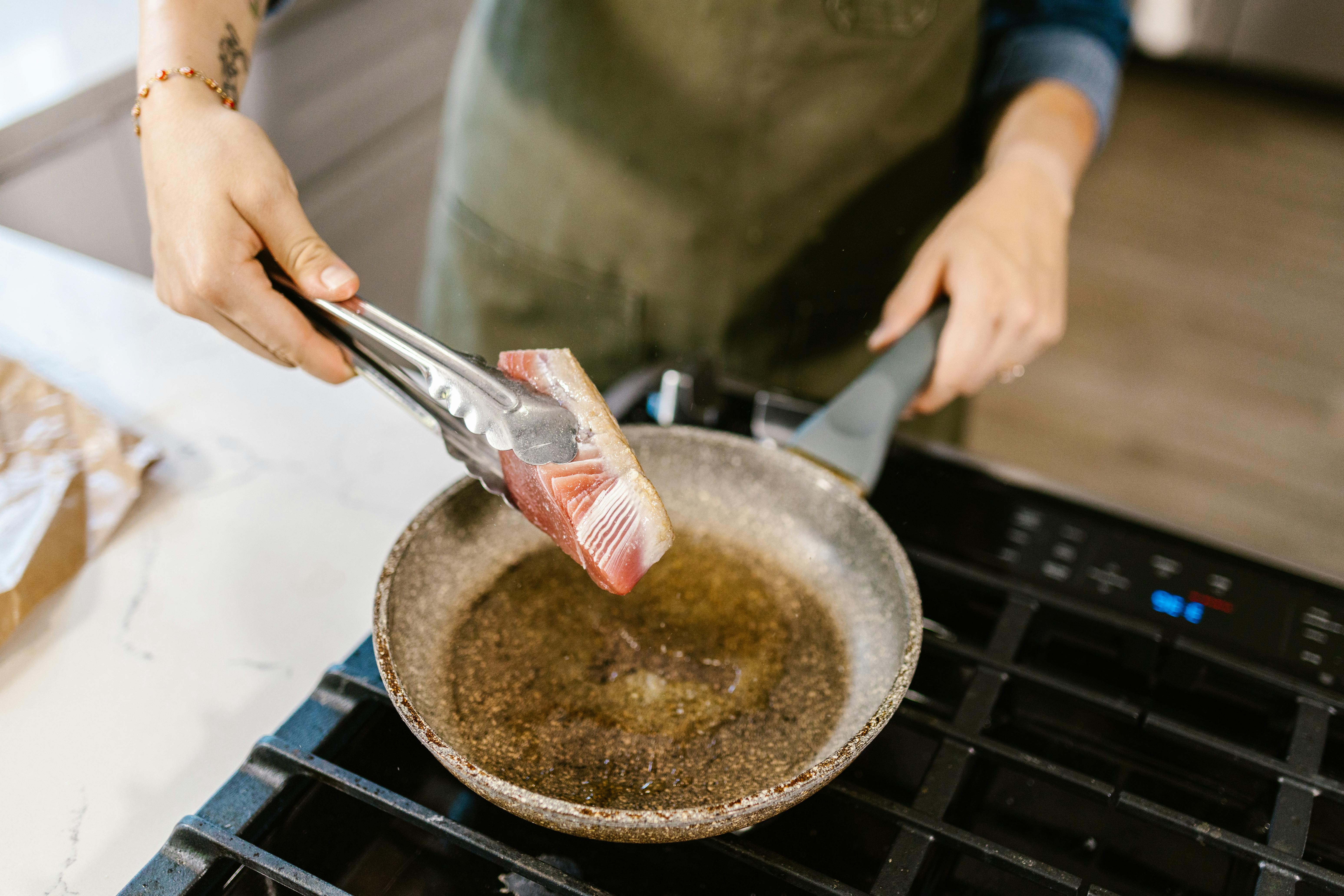
At first glance, a fish spatula looks too specialized for everyday use. That is exactly why many home cooks skip it. In professional kitchens, though, it is rarely treated as a single-purpose tool. Chefs reach for it because the thin, flexible metal edge slides under delicate food with far less force than a thick silicone turner or bulky pancake spatula.
Its real strength is control. The angled shape and slight spring in the blade let cooks lift fried eggs, crisp-skinned salmon, smash burgers, roasted vegetables, and even cookies without tearing or crushing them. In restaurant line cooking, where timing matters, that quick clean lift can preserve presentation and prevent food loss. A torn fillet or broken egg may still taste fine, but in a professional setting it is considered a preventable mistake.
A well-made fish spatula also handles high heat better than many common alternatives. It can work in stainless steel, carbon steel, and cast iron pans where plastic tools may warp and thicker spatulas can feel clumsy. Many chefs prefer slotted versions because excess oil or butter drains away as food is lifted, which is especially useful with seared fish and pan-fried cutlets.
The key is buying the right one. Look for thin stainless steel, a comfortable handle, and enough flexibility to bend slightly without feeling flimsy. It is not ideal for nonstick surfaces unless the manufacturer specifically says so, but for most serious stovetop cooking, it often becomes the tool that quietly replaces three others.
A bench scraper turns messy prep into organized cooking
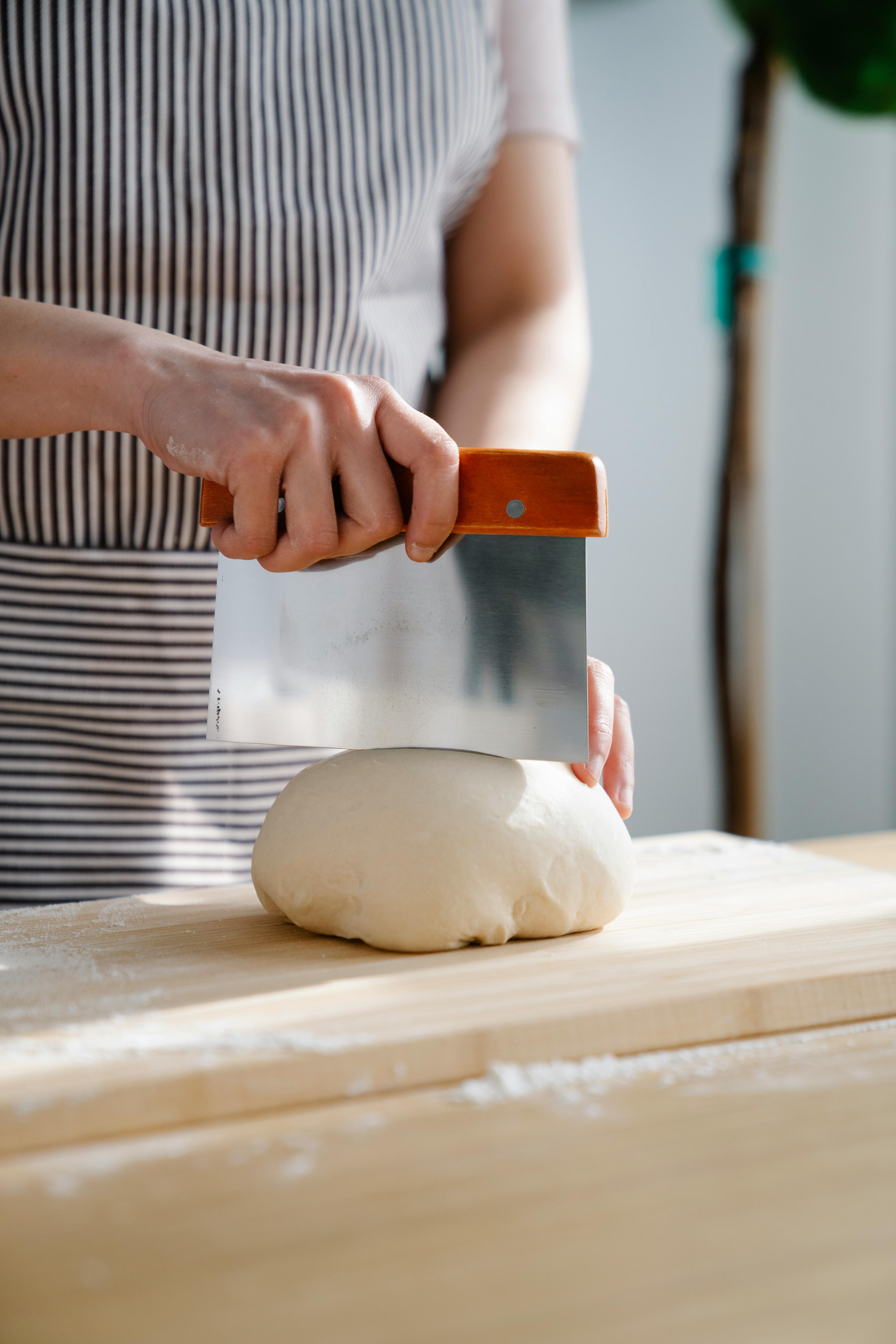
Most home cooks think of a bench scraper as something for bakers shaping dough. Professional cooks know it is one of the most efficient prep tools in the room. It is essentially a flat metal blade with a handle, but that simple design solves a constant kitchen problem: moving chopped ingredients quickly and neatly from board to pan, bowl, or hotel tray.
Using a knife blade to scoop ingredients dulls the edge over time and increases the chance of spills. A bench scraper does the job better. It can gather minced garlic, diced onions, chopped herbs, and sliced peppers in one clean motion. In fast-paced kitchens, those seconds matter, especially during mise en place when dozens of ingredients must be portioned and organized before service begins.
It is also a cleanup tool. Chefs use bench scrapers to clear flour, dough scraps, and sticky bits from counters without smearing them around. When working with pastry, bread, pasta dough, or gnocchi, it helps divide portions precisely and keep the workspace orderly. Some models even include measurement markings, which adds another layer of usefulness for portioning and dough handling.
For home cooks, the appeal is immediate once it is used regularly. It reduces waste, protects knife edges, and keeps cutting boards less chaotic. If there is one low-cost tool that makes prep feel more professional from the first day, this is it. Few items deliver so much efficiency with so little learning curve.
A fine-mesh chinois or conical strainer creates restaurant-level texture
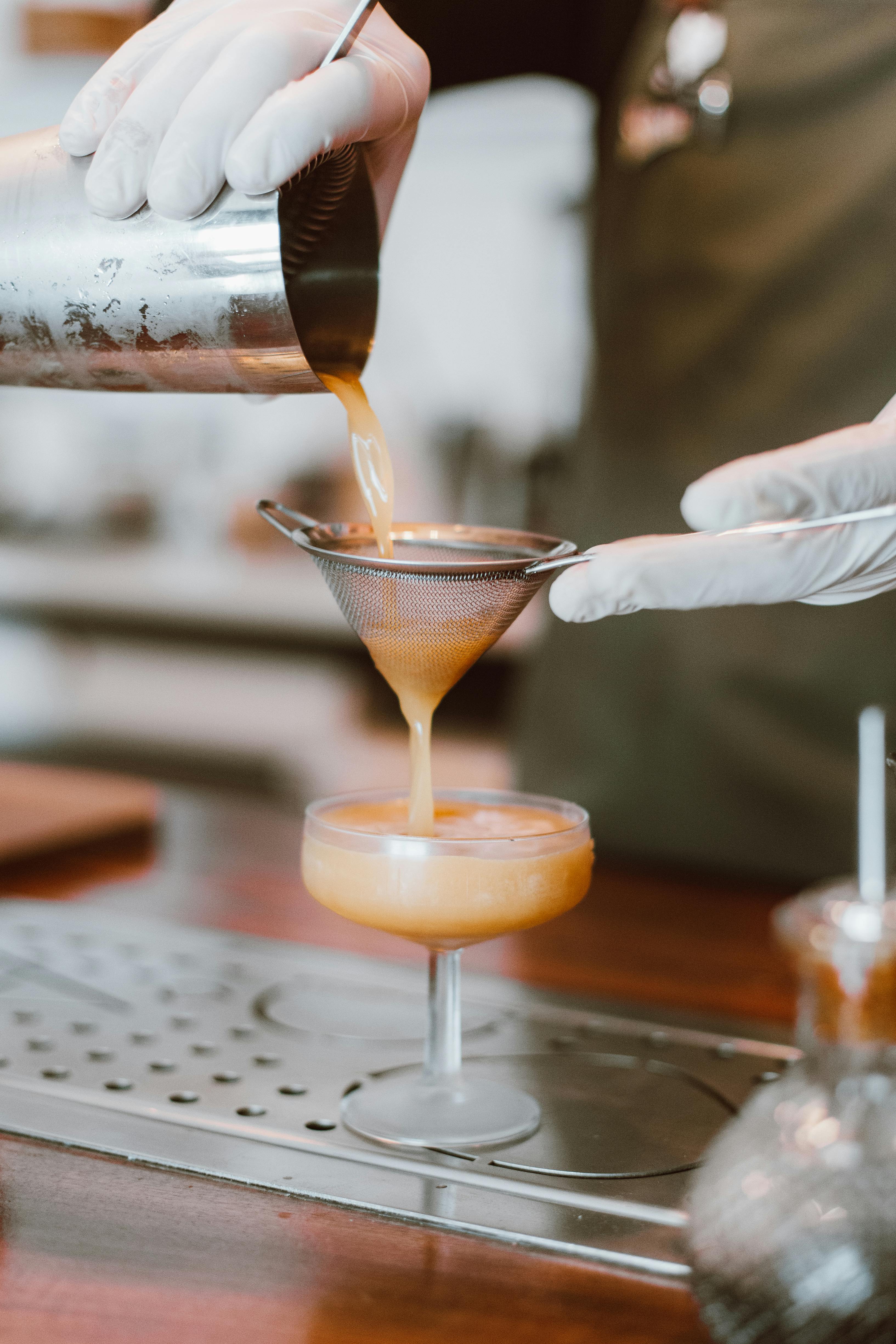
Texture is one of the biggest differences between home cooking and restaurant cooking. A conical strainer, often called a chinois, is one reason why. It refines sauces, soups, stocks, and purees to a level that ordinary colanders or wider mesh strainers simply cannot match. In professional kitchens, this matters because smoothness is not cosmetic alone. It affects mouthfeel, consistency, and how flavors are perceived.
When chefs finish a sauce, they are often removing tiny solids, herb fibers, coagulated proteins, or vegetable fragments that would make the final result feel rough. A chinois catches those particles while allowing liquid to pass through evenly. Paired with a ladle or pestle, it can turn roasted tomato soup silky, hollandaise more elegant, and pan sauces noticeably cleaner on the palate.
This tool also improves stock work. Even carefully skimmed broths can carry fine sediment that clouds the liquid and muddies flavor. Passing stock through a fine-mesh conical strainer helps clarify it without aggressive handling. In French technique, clarity has long been a sign of careful execution, and many modern chefs still treat this step as a mark of discipline rather than showmanship.
Home cooks may not need it every night, but when they make gravy for a holiday meal, fruit puree for dessert, or a velvety soup, the difference is obvious. It is one of those tools that seems optional until the first side-by-side comparison. Then it starts to feel essential.
An instant-read digital thermometer removes guesswork from cooking
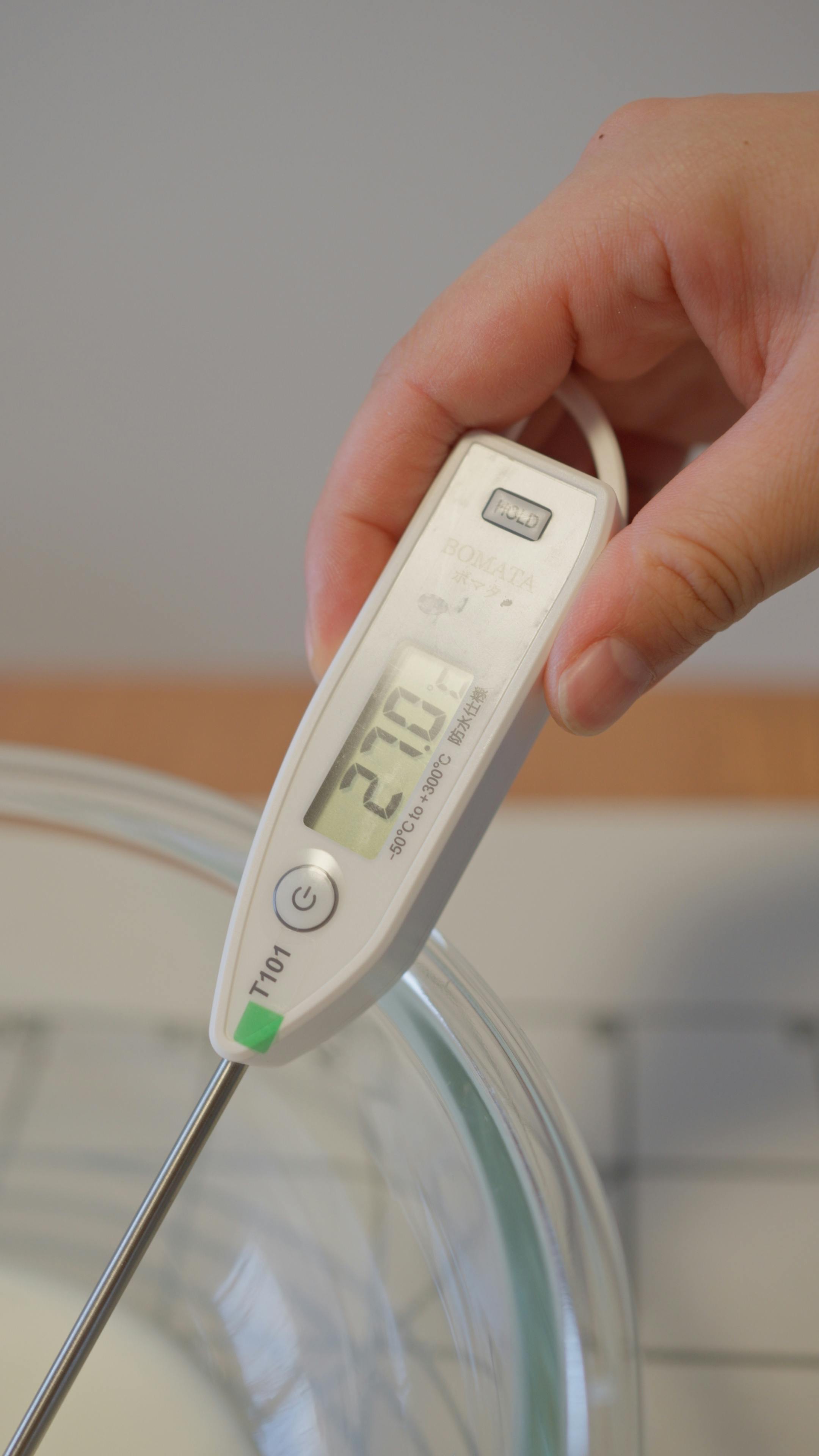
Many skilled home cooks still rely on touch, timing, or visual cues alone. Chefs do not. In professional kitchens, an instant-read digital thermometer is one of the fastest ways to ensure food is properly cooked without sacrificing moisture or texture. It replaces guessing with measurable accuracy, which is especially important when consistency must be repeated hundreds of times.
Take chicken, pork, fish, and steak. The line between perfectly cooked and overcooked can be narrow, sometimes just a few degrees. A thermometer helps cooks pull food at the right moment, accounting for carryover cooking as it rests. That means juicier chicken breasts, less chalky pork loin, and steaks cooked to the intended doneness instead of to hopeful intuition.
It is just as useful outside meat cookery. Chefs use thermometers for custards, caramel, frying oil, bread, chocolate work, and even reheating leftovers safely. In pastry kitchens, precise temperature control can determine whether a crème anglaise coats a spoon properly or curdles. In savory cooking, oil that is too cool leads to greasy crusts, while oil that is too hot scorches food before the inside cooks through.
The best models give readings in a few seconds and are easy to calibrate. According to food safety guidance widely used in the industry, temperature remains one of the most reliable ways to verify doneness and safe holding. For home cooks, this single tool may prevent more disappointing meals than any other item on the list.
A kitchen scale is the quiet secret behind consistency
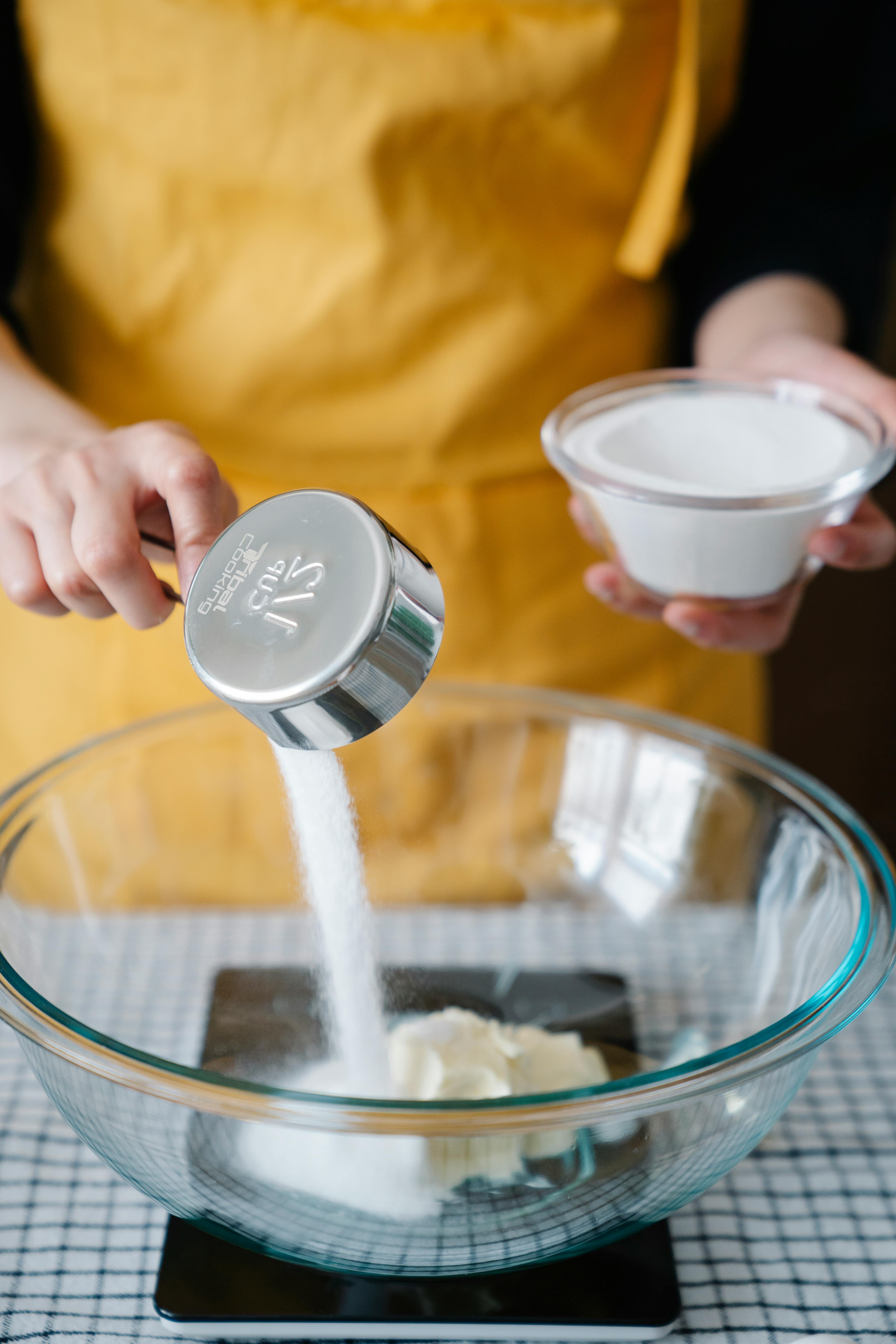
If there is one tool professional cooks trust more than measuring cups, it is a digital kitchen scale. Weight is faster, more precise, and far more repeatable than volume. That matters in baking, where a small excess of flour can toughen cake or bread, but it also matters in savory cooking when portioning proteins, pasta, rice, or ingredients for sauces and dressings.
Volume measurements are surprisingly inconsistent. A cup of flour can vary significantly depending on how it is scooped, packed, or leveled. Weight removes that variable. Many professional recipes are written in grams because scaling up or down becomes simple and errors are easier to avoid. In bakeries and restaurant prep stations, this precision is not a luxury. It is how quality is maintained day after day.
A scale also improves efficiency. Instead of dirtying multiple measuring cups and spoons, cooks can place a bowl on the scale, tare it to zero, and add each ingredient directly. That streamlines prep and reduces cleanup. It is especially useful for bread dough, pizza dough, coffee brewing, fermenting, and portioning proteins for even cooking.
For home cooks trying to recreate a favorite recipe exactly, a scale is often the missing link. It helps answer why one batch worked beautifully and the next did not. Consistency is not magic. More often than not, it is measurement. This tool makes that truth impossible to ignore.
Why these tools matter more than another trendy gadget
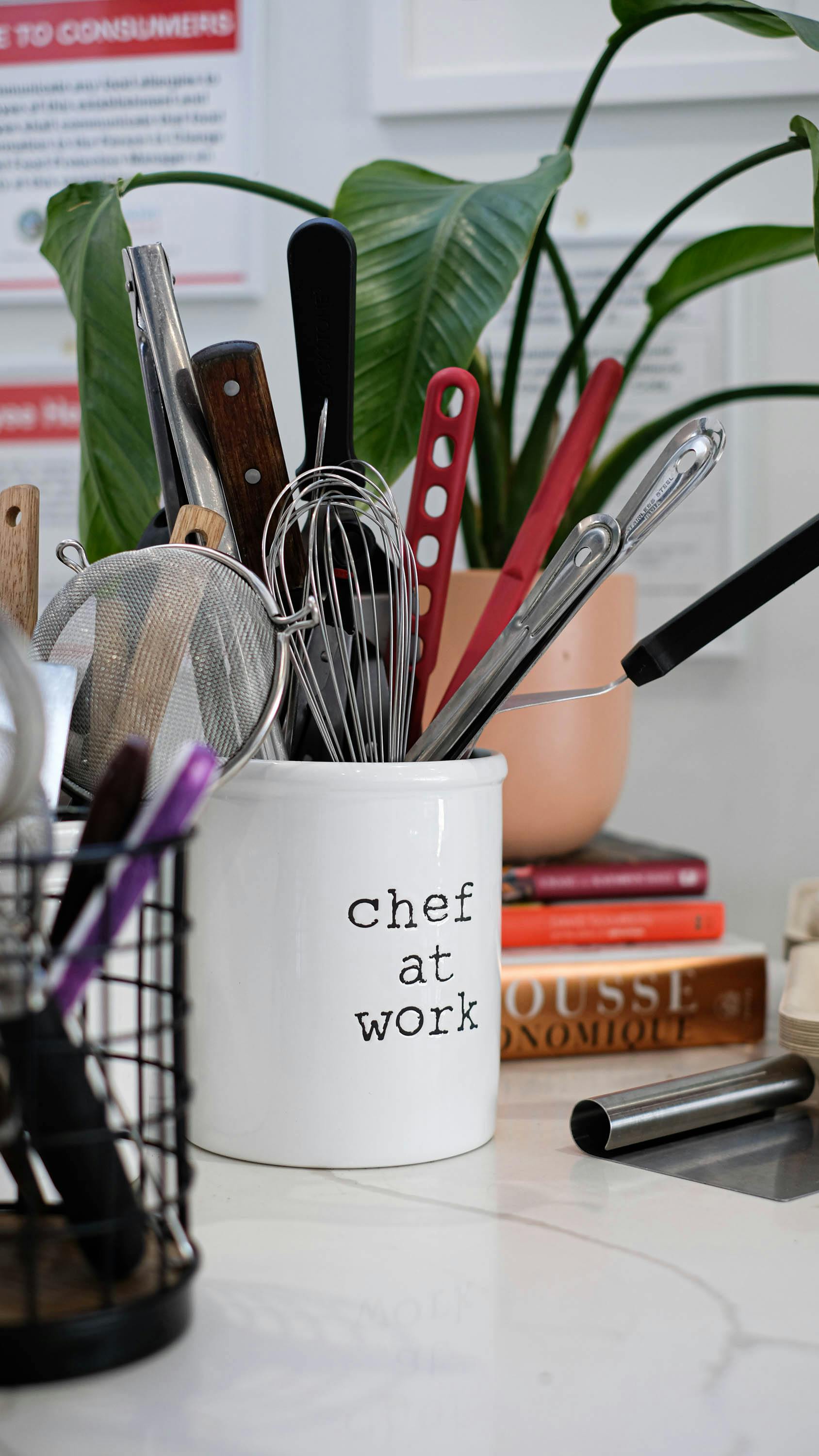
The common thread behind these five tools is not novelty. It is utility. Professional cooks choose equipment that saves time, protects ingredients, improves consistency, and reduces avoidable errors. That is why these items endure in restaurant kitchens while so many consumer gadgets end up in drawers, cabinets, or donation piles after a burst of initial excitement.
They also reflect how chefs think. Instead of asking whether a tool is exciting, they ask whether it solves a recurring problem. Can it lift delicate food cleanly? Can it move prep faster? Can it improve texture, verify doneness, or standardize results? If the answer is yes, the tool earns space in the kitchen. If not, it does not matter how clever the marketing sounds.
For home cooks, adopting this mindset can be transformative. Buying fewer but better tools leads to a more functional kitchen and often to better food. A fish spatula, bench scraper, chinois, thermometer, and kitchen scale may not look glamorous on a gift guide, but each one changes daily cooking in a practical, measurable way.
That is exactly why chefs swear by them. They do not promise miracles. They simply make good cooking easier to repeat, which is ultimately what every serious cook wants. Skill will always matter most, but the right tools make skill easier to use well.



Leave a Reply