
The 1960s dinner table could look wildly different from what most people expect today. Back then, convenience, novelty, and changing ideas about nutrition shaped what families bought, served, and celebrated. Some of those foods were beloved in their time, but seen through a modern lens, they would trigger instant debate over health, safety, and taste.
Aspic and gelatin salads
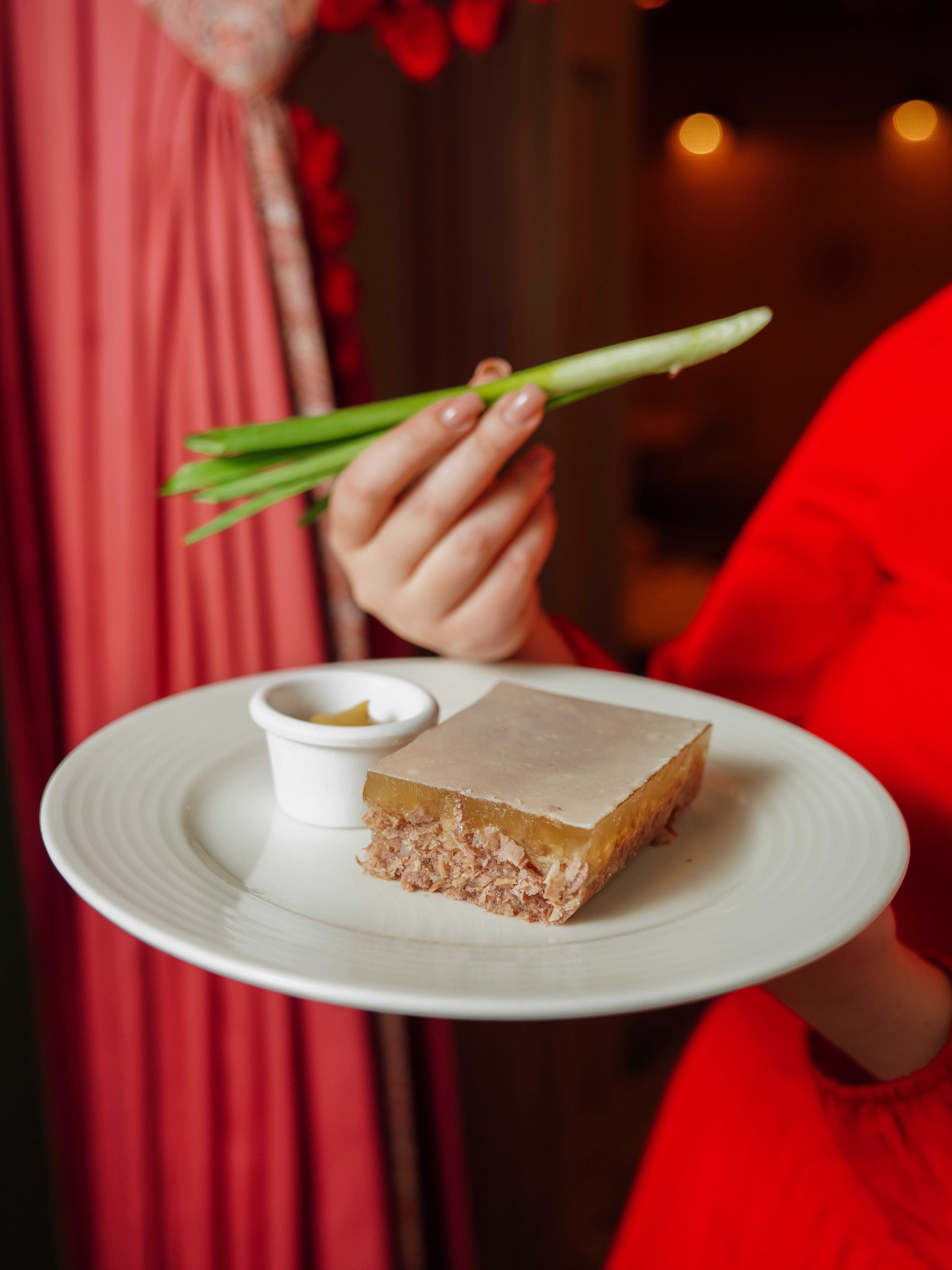
Nothing says mid-century food theater quite like dinner suspended in Jell-O. In the 1960s, savory gelatin molds were a sign of effort and modern style, showing up at potlucks, holiday tables, and suburban dinner parties with vegetables, seafood, eggs, or even bits of meat sealed inside.
Part of the appeal was practical. Gelatin helped home cooks shape inexpensive ingredients into something that looked polished, and food brands heavily promoted these recipes as elegant and efficient. Molded salads also fit the era's love of refrigeration, convenience foods, and presentation.
Today, the idea of tuna, olives, or shredded celery trapped in lime gelatin would set off a wave of disbelief online. Modern diners usually separate dessert textures from savory foods, so these glossy creations now read less as chic and more as culinary time capsules.
Cigarette candy and candy cigarettes

Here is a food that feels almost impossible to explain to a modern parent. Candy cigarettes, often made from sugar sticks or bubble gum, were sold openly to children and packaged to resemble real cigarette brands, turning imitation smoking into a playful part of everyday childhood.
The product fit a broader culture in which smoking was common in restaurants, offices, airplanes, and homes. Tobacco advertising was everywhere, and health warnings had not yet fully reshaped public behavior. In that environment, a sweet designed to mimic smoking barely raised eyebrows.
Today, the backlash would be immediate. A product that normalizes the look and gesture of smoking for kids would run straight into fierce criticism from parents, public health experts, and anti-tobacco groups. What once passed as harmless fun now looks like marketing that blurred a dangerous line.
TV dinners loaded with salt and additives

The TV dinner was the ultimate symbol of postwar convenience. By the 1960s, frozen compartment trays filled with turkey, fried chicken, meatloaf, potatoes, and dessert promised an easy meal that matched the new rhythm of television-centered family life.
These dinners were popular for good reason. They saved time, felt modern, and tapped into the growing freezer culture of American households. But many were packed with sodium, preservatives, stabilizers, and heavily processed ingredients, all designed to survive freezing, reheating, and mass production while still tasting rich and satisfying.
If those same formulations landed today with their original labels, the uproar would be loud. Consumers now scan nutrition panels closely, and ultra-processed meals often face criticism for their links to poor diet quality. What once felt futuristic would now be read as a warning sign in aluminum.
Raw eggs in everyday recipes and drinks
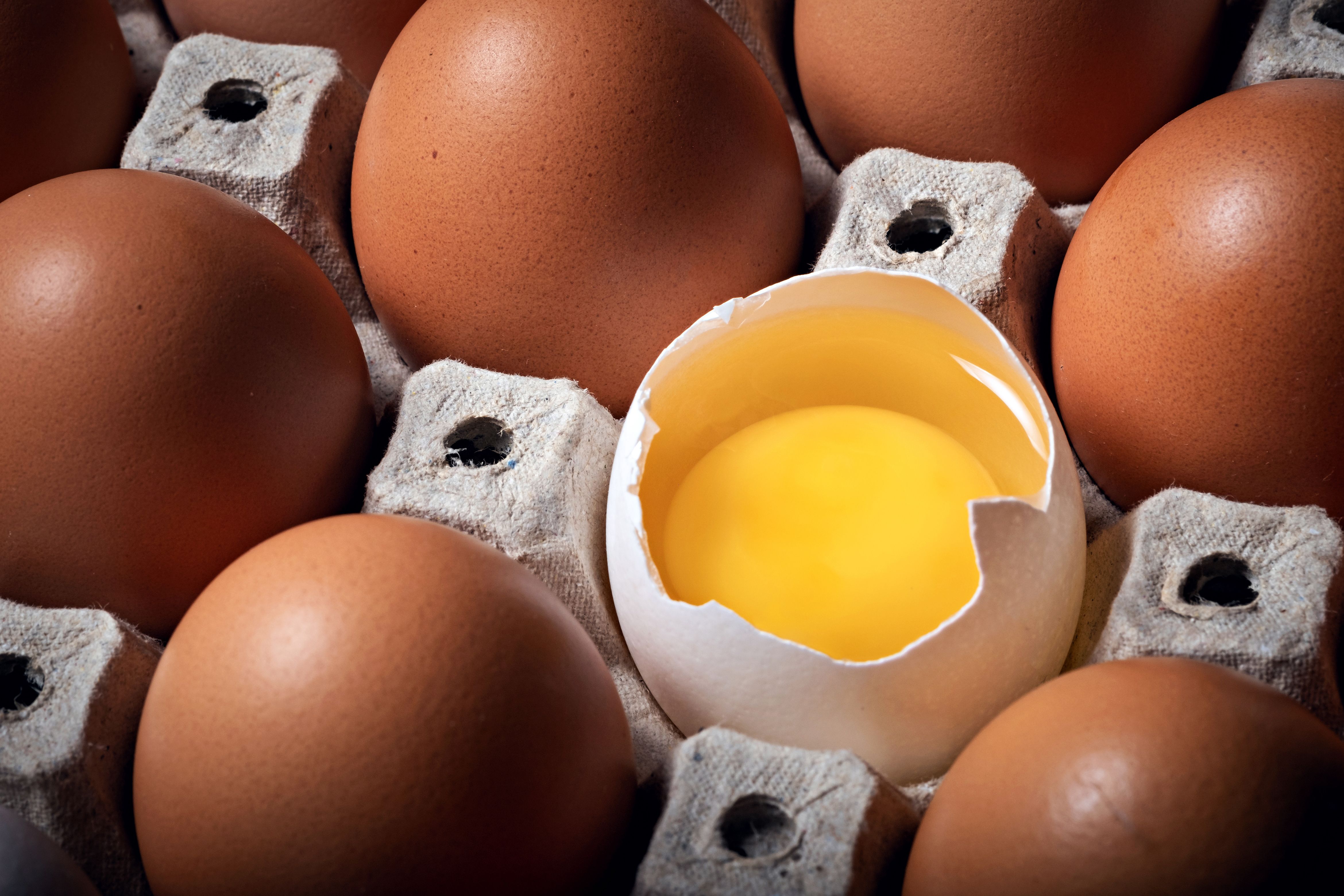
In the 1960s, raw eggs slipped into recipes with surprising ease. They turned up in homemade mayonnaise, Caesar-style dressings, fluffy frostings, eggnog, health drinks, steak tartare preparations, and even quick protein tonics people believed were strengthening or sophisticated.
That comfort came from habit and from a very different level of public awareness. Many home cooks treated eggs as a basic fresh ingredient rather than a possible food safety risk. Widespread concern about salmonella in eggs became much more prominent later, along with stronger food handling advice and pasteurized alternatives.
Today, casually serving raw-egg dishes at a party would make many guests pause before the first bite. Modern cooks are far more alert to contamination risks, especially for children, older adults, and anyone with a weakened immune system. A once-routine ingredient now comes with a safety conversation attached.
Canned meat and processed spreads as party food

For many 1960s hosts, opening a can was not cutting corners. It was modern hospitality. Deviled ham, potted meat, liver spread, canned corned beef, and similar products were turned into sandwiches, dips, canapes, and cocktail-hour snacks that felt practical, affordable, and completely respectable.
These foods thrived because they were shelf-stable, easy to serve, and heavily advertised to busy households. In an era that celebrated convenience, processed spreads offered protein without much prep and carried a certain confidence in industrial food science. Packaging itself suggested reliability and progress.
Serve a tray built around these products today, though, and the reaction would probably be swift. Many shoppers now associate heavily processed canned meats with excess sodium, preservatives, and murky ingredients. Even before the first taste, the labels alone would ignite a debate about what belongs at a modern table.




Leave a Reply