
Bacon still has plenty of fans, but it is no longer the automatic star of the breakfast plate. Across home kitchens, cafés, and meal-prep menus, other proteins are stepping in with more versatility, steadier nutrition, and easier everyday appeal. This gallery looks at the breakfast foods quietly taking over the morning table, and why so many people are choosing them instead.
Greek Yogurt

Greek yogurt wins people over by doing something bacon never tried to do. It fits just as easily beside berries and granola as it does in a savory bowl with cucumbers, herbs, and olive oil, which makes it one of the most adaptable proteins on the breakfast table.
Its appeal is not just convenience. Strained yogurt typically delivers more protein than regular yogurt, and it brings calcium, probiotics, and a creamy texture that feels substantial without being heavy. Many shoppers also like that it can be bought plain, which gives them control over sweetness.
That flexibility matters on busy mornings. A tub in the fridge can become breakfast in two minutes, which is exactly why so many people now reach for it before they ever think about frying bacon.
Eggs

Eggs never really left, but they are doing more of the heavy lifting now. As more people build breakfasts around protein first, eggs have become the obvious foundation because they are familiar, fast, and easy to shape into dozens of meals.
They also bring a nutrition profile that keeps them relevant. Eggs offer high-quality protein along with nutrients like choline, selenium, and vitamin B12, and they can feel light or hearty depending on how they are prepared. A soft scramble, a jammy egg over grains, or a vegetable-packed omelet all land differently.
That range gives eggs an advantage over bacon. They can anchor a breakfast sandwich, top avocado toast, or be cooked ahead for the week, all without making the meal feel locked into one flavor.
Cottage Cheese
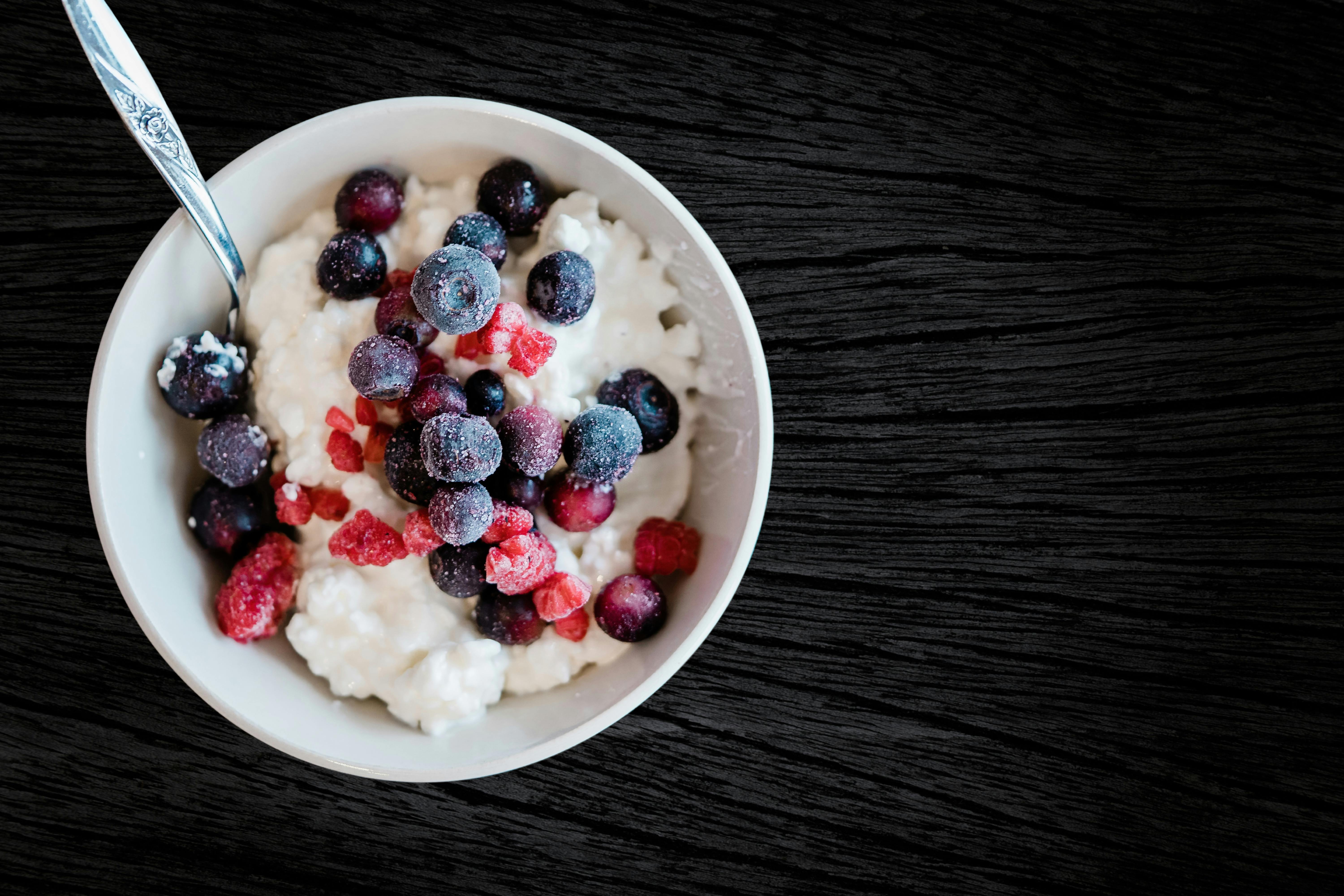
Cottage cheese has returned with better timing and a better reputation. For years it was seen as a retro diet food, but now it is being rediscovered as a genuinely useful breakfast protein that works in both sweet and savory meals.
Its biggest strength is density. Cottage cheese delivers a solid amount of protein per serving, and it tends to be filling without feeling greasy or overly rich. It also pairs well with fruit, tomatoes, smoked salmon, seeds, or toast, which makes it easy to tailor to different tastes.
Social media helped reintroduce it, but the staying power comes from practicality. People want breakfast foods that are quick, affordable, and satisfying, and cottage cheese checks all three boxes with very little effort.
Turkey Sausage
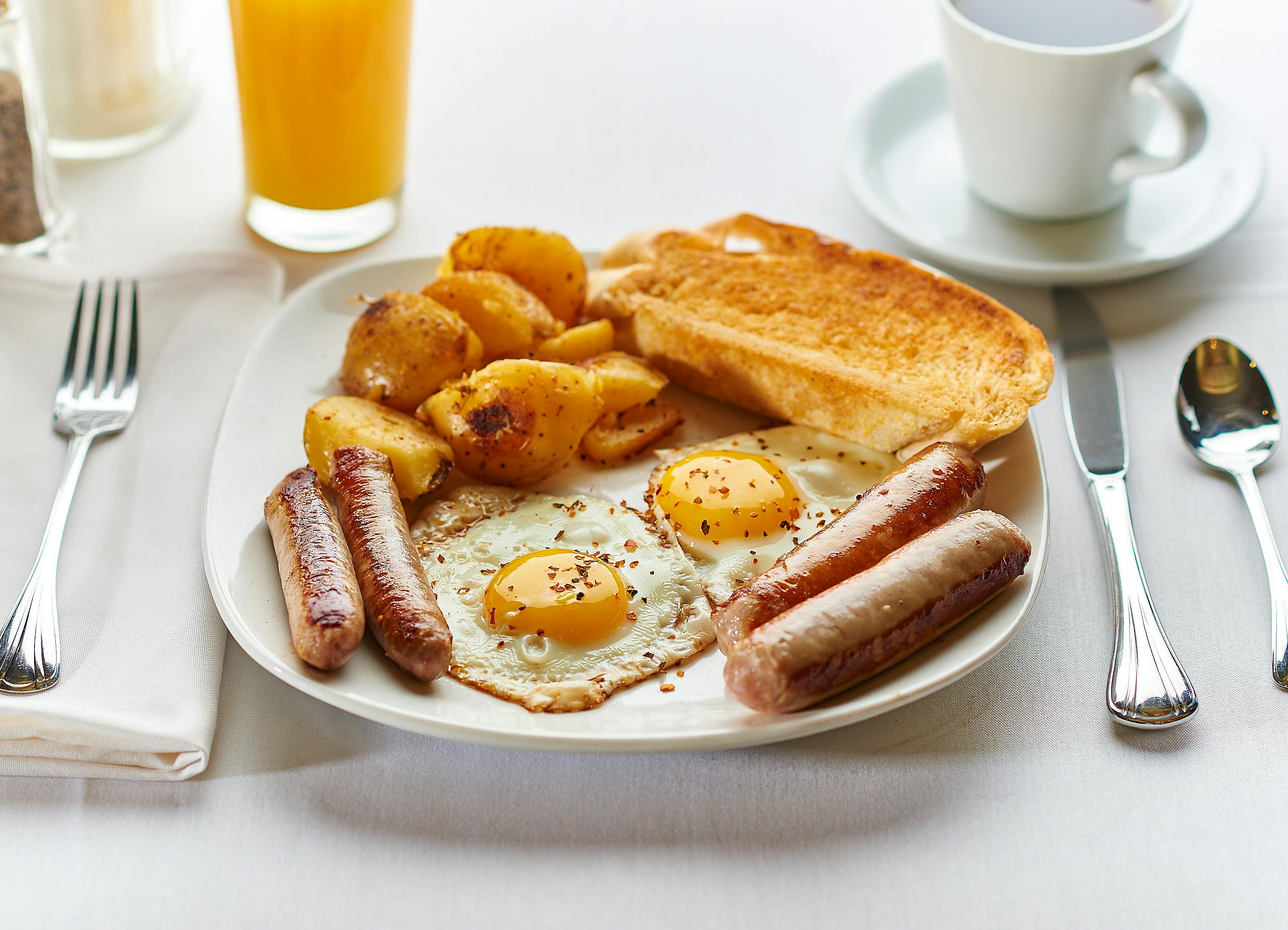
Turkey sausage steps into familiar territory without trying to be a health lecture. It gives breakfast the savory, seasoned bite many people want from a morning meat, but usually with less saturated fat than traditional pork bacon or sausage.
That makes it an easy switch for households that are not interested in giving up hearty breakfasts. It works in patties, links, crumbles, and breakfast sandwiches, and it can carry classic flavors like sage, black pepper, maple, or red pepper just as well.
Its rise is really about compromise in the best sense. People still want comfort and convenience, but they are also reading labels more closely. Turkey sausage offers a middle ground that feels recognizable, not restrictive.
Smoked Salmon

Smoked salmon brings a different kind of luxury to breakfast. Instead of the sizzling, salty punch of bacon, it offers richness with a cleaner finish, which is one reason it has become a favorite in cafés, brunch spreads, and upgraded home breakfasts.
It also brings nutritional appeal. Salmon is known for protein and omega-3 fatty acids, and many people see it as a more balanced choice when they want something savory but not overly heavy. Layered over toast, folded into eggs, or paired with cream cheese and cucumber, it feels polished with very little work.
Another reason it keeps gaining ground is that it creates a full breakfast experience fast. Open the package, add a few fresh elements, and the plate already feels deliberate and restaurant-worthy.
Tofu
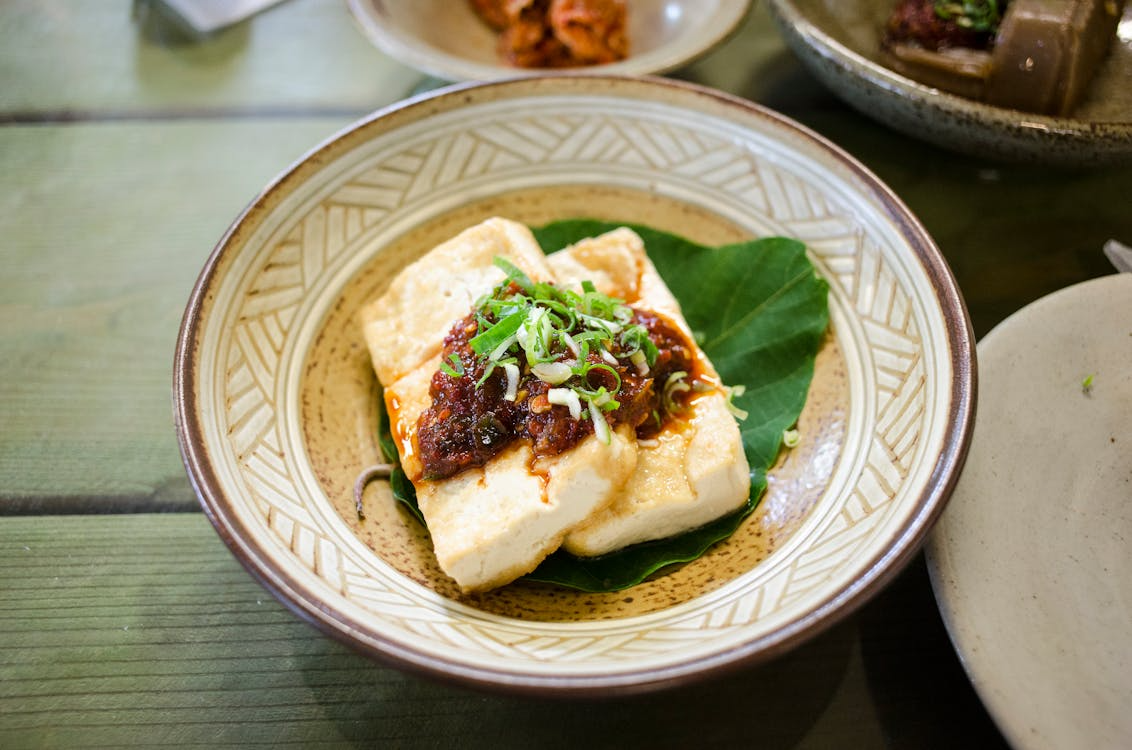
Tofu has moved far beyond the vegetarian corner of the menu. At breakfast, especially in the form of a tofu scramble, it has become a smart option for people who want a savory, protein-rich start without relying on meat.
Its strength is how well it absorbs flavor. Cooked with turmeric, garlic, onions, peppers, or nutritional yeast, tofu can take on a warm, satisfying character that feels substantial rather than austere. It also works in breakfast burritos, grain bowls, and sandwiches with ease.
What makes tofu especially relevant now is its broad usefulness. It suits plant-based eaters, people managing cholesterol, and anyone simply looking to rotate proteins. In many homes, it is not replacing bacon out of ideology. It is replacing it because breakfast still tastes good.
Chicken Sausage

Chicken sausage has become the modern breakfast meat for people who still want a classic plate. It delivers the browned, savory appeal of a cooked sausage, but often feels lighter and more weeknight-friendly, or rather weekday-friendly, than heavier pork options.
Manufacturers have also given it range. Today you can find chicken sausage with apple, spinach, feta, herbs, or spicy pepper blends, which means it can lean cozy, bright, or bold depending on the meal. That variety keeps breakfast from feeling repetitive.
Its quiet success comes down to how easy it is to live with. Chicken sausage cooks quickly, pairs well with eggs and potatoes, and slips neatly into meal prep. For many households, that combination is more useful than bacon's crisp, one-note role.
Protein Oatmeal
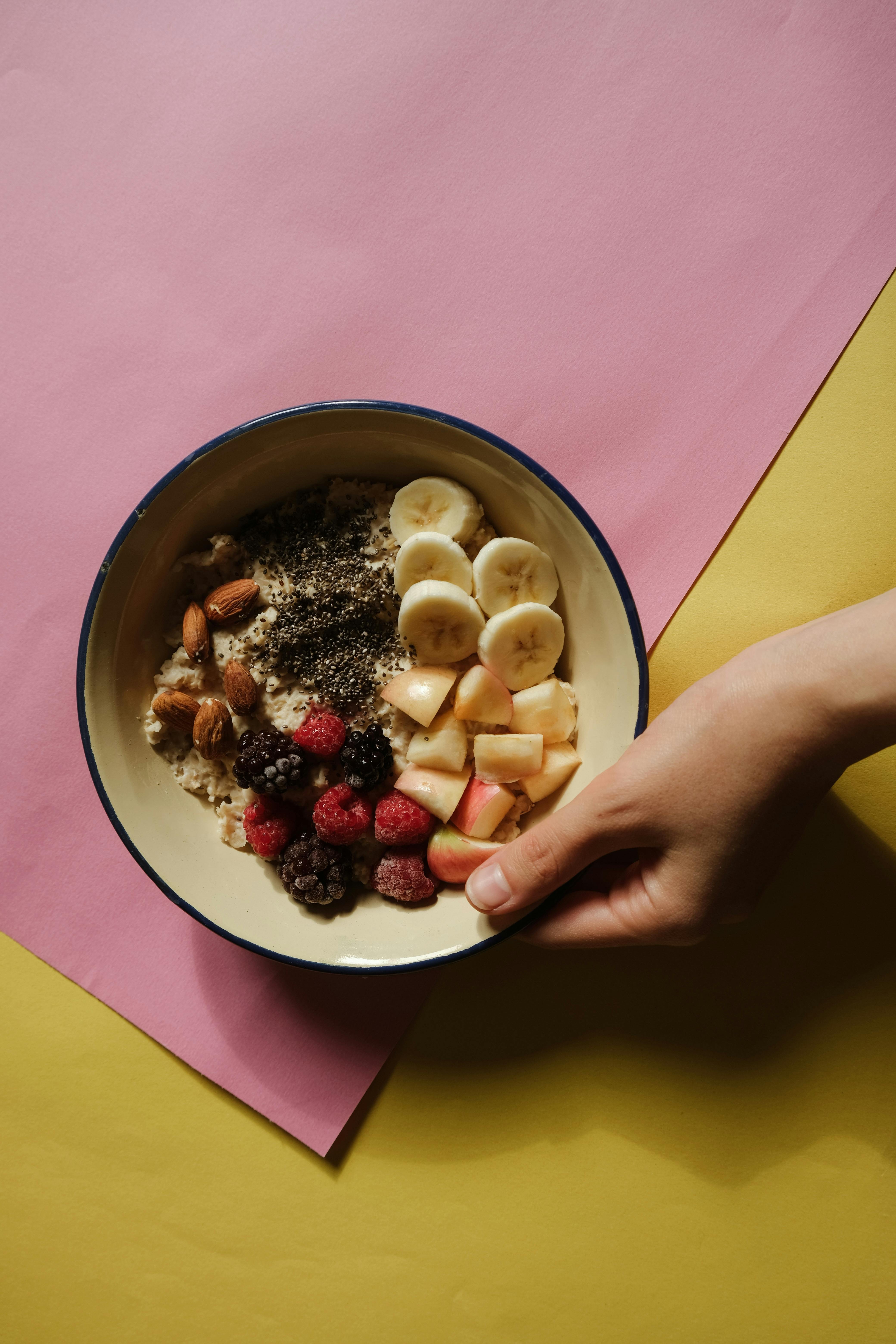
Oatmeal used to be praised mainly for fiber, but now it is being rebuilt as a protein breakfast. Thanks to additions like milk, protein powder, nuts, seeds, soy products, and nut butter, a simple bowl of oats can become far more sustaining than its old reputation suggests.
That matters because many people want energy that lasts beyond the commute. Protein-enhanced oatmeal slows down the quick hunger that can follow a sugary breakfast, and it still offers the comfort and warmth people crave in the morning. It also suits different budgets and dietary needs.
Another advantage is that it invites customization. One person can go cinnamon and almonds, another can stir in peanut butter and chia, and someone else can top it with yogurt. Bacon cannot compete with that kind of flexibility.
Beans

Beans are one of the most overlooked breakfast proteins in the American morning routine, yet they make perfect sense. In many food cultures, beans already belong at breakfast, bringing steady energy, fiber, and a savory depth that can anchor a meal better than a few strips of meat.
Black beans, white beans, and baked beans all work differently. They can be folded into breakfast tacos, spooned over toast, paired with eggs, or served alongside greens and grains. Their protein matters, but so does their fiber, which helps make breakfast feel genuinely filling.
Beans are also practical. They are affordable, pantry-friendly, and easy to cook ahead. As more people rethink what breakfast is supposed to look like, beans are becoming a smart and surprisingly satisfying replacement for bacon-centered habits.
Breakfast Sandwiches Built Around Lean Protein

Sometimes the real replacement for bacon is not a single ingredient but a new blueprint. More breakfast sandwiches are now built around eggs, turkey, chicken sausage, smoked salmon, or plant-based patties, with bacon treated as optional instead of automatic.
That shift reflects how people actually eat on busy mornings. They want something portable, satisfying, and balanced enough to carry them into lunch. Lean proteins deliver that while leaving room for cheese, greens, avocado, or whole-grain bread without making the sandwich feel too heavy.
Restaurants and coffee chains have helped normalize this change, but it sticks because it works at home too. Once people realize a breakfast sandwich can be flavorful without bacon leading the whole show, the habit starts to change on its own.


Leave a Reply