
The future of food is not hiding in a laboratory. It is already appearing in supermarkets, restaurant menus, farm fields, and factory floors.
The plate is changing long before most people notice

Most food revolutions do not arrive with a dramatic moment. They slip in quietly, first as a new ingredient label, then as a better-tasting product, and finally as something ordinary. That is exactly what is happening now with plant-based proteins, oat milk, mushroom-derived ingredients, and egg alternatives made without chickens.
A decade ago, many of these products were niche items aimed at vegans or early adopters. Today, they are stocked by major grocery chains and used by global food companies because they solve practical problems. They offer longer shelf life, lower price volatility, and, in many cases, a smaller environmental footprint than conventional animal products.
The drivers behind this shift are not mysterious. Climate pressure, supply chain shocks, animal disease outbreaks, water stress, and changing consumer preferences are all pushing the food industry to diversify how calories and protein are produced. According to the United Nations, food systems account for roughly ⅓ of global greenhouse gas emissions, which means even modest changes in ingredients can have outsized effects.
What surprises many people is that the new food economy is not centered on futuristic pills or flavorless substitutes. It is focused on making familiar foods in unfamiliar ways. Milk without cows, chocolate made with less cacao exposure, and cooking oils built through fermentation are not science fiction anymore. They are commercial responses to real economic and environmental pressure.
Farms are becoming data systems as much as growing spaces
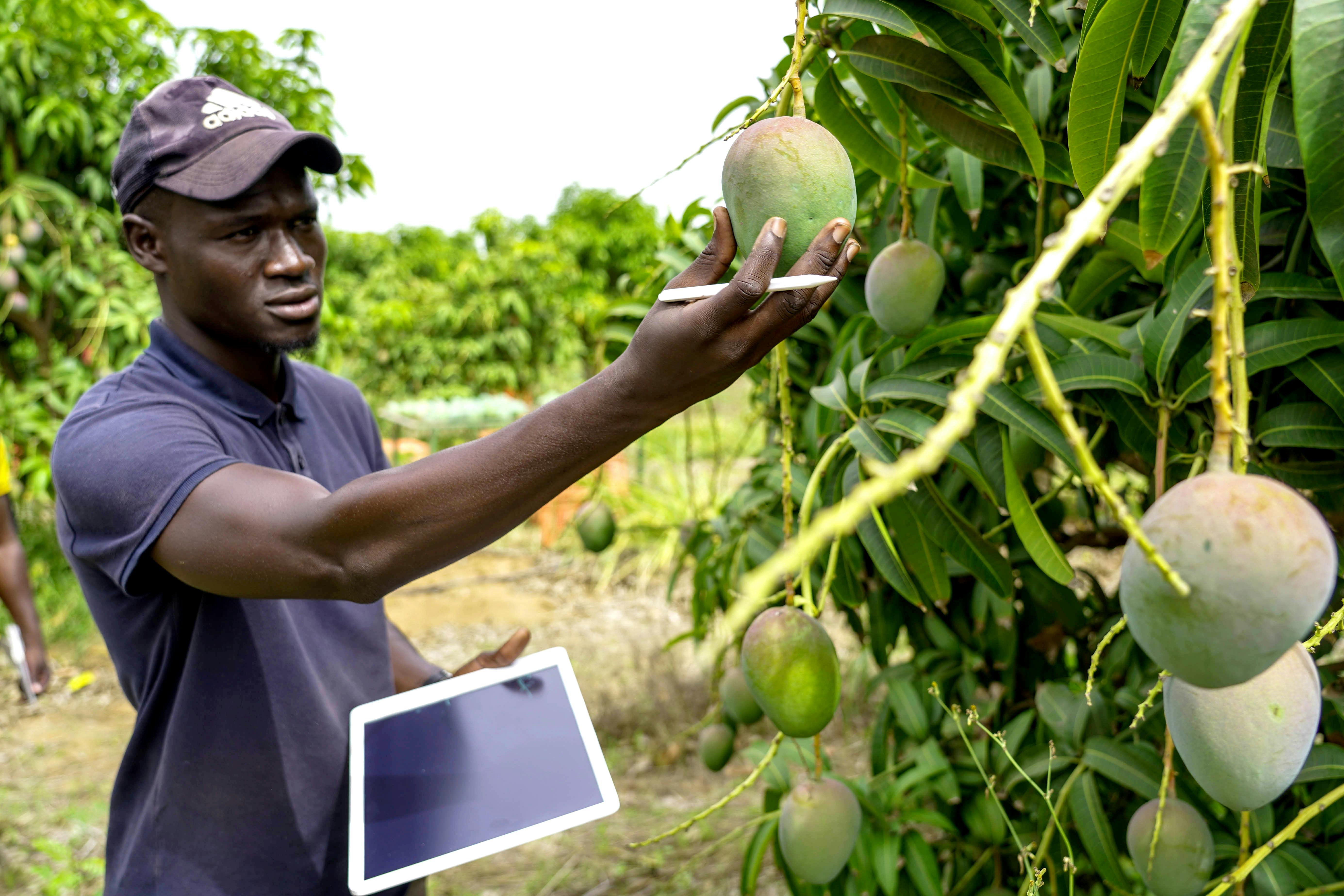
The modern farm is increasingly a technology platform. Tractors now drive with centimeter-level GPS precision, drones scan fields for stress, and sensors in the soil report on moisture, salinity, and nutrient conditions in real time. This is not gadgetry for its own sake. It allows farmers to apply water, fertilizer, and crop protection only where needed, cutting costs while protecting yields.
That matters because agriculture is facing a harder math problem every year. The world must feed more people with less reliable weather, tighter land constraints, and growing scrutiny over environmental damage. Precision agriculture helps close that gap by turning fields into measurable systems instead of broad estimates and guesswork.
Artificial intelligence is now joining that toolkit. Companies use machine vision to detect weeds so equipment can target them individually rather than spraying an entire field. Satellite imagery helps predict crop stress before the human eye can see it. Researchers and agribusiness firms are also building models that estimate yield, disease risk, and ideal harvest windows with greater accuracy.
Vertical farming and controlled-environment agriculture add another layer to this transformation. While they are not suitable for every crop, they are proving useful for leafy greens, herbs, and seedlings in urban or water-stressed regions. These systems use carefully managed light, humidity, and nutrients to produce consistent harvests close to consumers, reducing spoilage and transportation time.
Protein is being reinvented from the ground up

If one category defines the new food era, it is protein. For more than a century, most protein innovation focused on breeding animals, improving feed, and scaling industrial processing. Now the question is broader: can protein be made with fewer animals, less land, and more control over quality and risk?
Plant-based meat opened the public conversation, but it is only one branch of a much larger movement. Precision fermentation uses microbes such as yeast or fungi to produce specific proteins that are chemically identical or functionally similar to those found in milk, eggs, and other animal products. That means ice cream, cheese, or baked goods can be made with familiar textures and performance, but without relying entirely on livestock.
Cultivated meat goes a step further by growing animal cells directly rather than raising and slaughtering whole animals. Singapore approved the sale of cultivated chicken before many other countries, and regulators in the United States have also moved the category forward. The sector still faces cost and scale challenges, but the scientific progress is no longer theoretical.
Meanwhile, fermentation-based foods using fungi and biomass are advancing quickly because they can be cheaper to produce and easier to scale. Mycoprotein, for example, has already built a market in meat alternatives, and newer companies are refining texture and taste even further. The likely future is not one winner replacing everything else. It is a layered protein market where conventional meat, plant proteins, fermented ingredients, and cultivated products coexist.
Climate pressure is reshaping what food companies consider valuable

The old food model rewarded abundance above all else. The new model is starting to reward resilience. That shift changes which crops matter, which ingredients attract investment, and how companies define risk across sourcing, manufacturing, and distribution.
Take cocoa, coffee, and olive oil, all categories under pressure from climate volatility and disease. When drought, heat, or flooding hits producing regions, prices jump and supply tightens. Food companies are responding by reformulating products, diversifying suppliers, and investing in alternatives that can reduce dependence on fragile crop systems. This is one reason why upcycled ingredients, fermentation-derived fats, and new sweetener systems are attracting serious attention.
Waste reduction is also becoming a core business strategy rather than a branding exercise. According to the UN Environment Programme, a large share of food is lost or wasted across the supply chain, even as food insecurity persists globally. Better cold storage, smarter logistics, AI forecasting, and improved packaging are helping companies save money while shrinking waste.
Consumers are part of this value shift as well, though not always in the way headlines suggest. Most people still buy on price, taste, convenience, and trust before anything else. But once sustainable products reach acceptable performance and cost, adoption rises quickly. The future of food, in other words, is being shaped less by idealism alone and more by products that make climate resilience economically sensible.
Health is moving from general nutrition to personal response

Food is increasingly being treated as a health tool, not just fuel. This does not mean every meal is becoming a medical intervention, but it does mean the line between nutrition, prevention, and personalized care is getting thinner. The supermarket shelf is now full of products promising high protein, lower sugar, added fiber, probiotics, prebiotics, and functional benefits tied to energy, digestion, or metabolic health.
A major reason is that nutritional science is becoming more nuanced. Researchers now understand that people can respond differently to the same food based on genetics, microbiome composition, activity level, sleep, and underlying health conditions. A 2024 study in the growing field of personalized nutrition reinforced that blood sugar and satiety responses vary more widely between individuals than older one-size-fits-all guidance assumed.
This has opened the door for continuous glucose monitors, app-based meal tracking, and subscription services that tailor food recommendations to individual goals. While some claims in the wellness market remain overstated, the broader direction is real. People want food that fits their lives more precisely, whether that means managing blood sugar, supporting muscle retention, or improving gut health.
Food manufacturers are adapting by reformulating mainstream products, not just selling expensive niche items. More breads now emphasize fiber quality, yogurts promote microbial benefits, and beverages are being positioned around hydration and cognitive support. The next wave of food innovation will likely be less about removing ingredients dramatically and more about designing foods that produce measurably better outcomes for different people.
The biggest surprise is that the future of food will feel familiar

The most important truth about the future of food is that it will not arrive as a total replacement of what came before. People are deeply attached to habit, culture, comfort, and taste. Successful food innovation works when it respects those realities instead of trying to lecture consumers into changing overnight.
That is why many of the strongest advances are hidden in the production process rather than the eating experience. A consumer may still buy cream cheese, chicken nuggets, pasta sauce, or chocolate, but the proteins, fats, stabilizers, and sourcing systems behind those foods may be completely different from those of 20 years ago. The product remains familiar even as the system behind it evolves.
Large food companies understand this well. They are investing in reformulation, alternative ingredients, supply chain intelligence, and automation because the future market will reward stability as much as novelty. Startups bring speed and experimentation, but established manufacturers bring scale, distribution, and the ability to normalize new food technologies for millions of households.
So the future of food may not look like a silver packet from a science fiction movie. It may look like a carton of milk made through fermentation, lettuce grown in a warehouse, or a burger blended from several protein sources. In that sense, the revolution is already here. It just looks a lot more like dinner than anyone expected.




Leave a Reply