
That empty tin or outdated snack box in the back of a cabinet might be more than clutter. A growing group of collectors is paying attention to food history, brand nostalgia, limited editions, and packaging design, turning everyday throwaways into sought-after finds. Before you toss old labels, jars, or promotional boxes, it is worth knowing which pieces tend to attract real interest and why.
Vintage cookie and biscuit tins
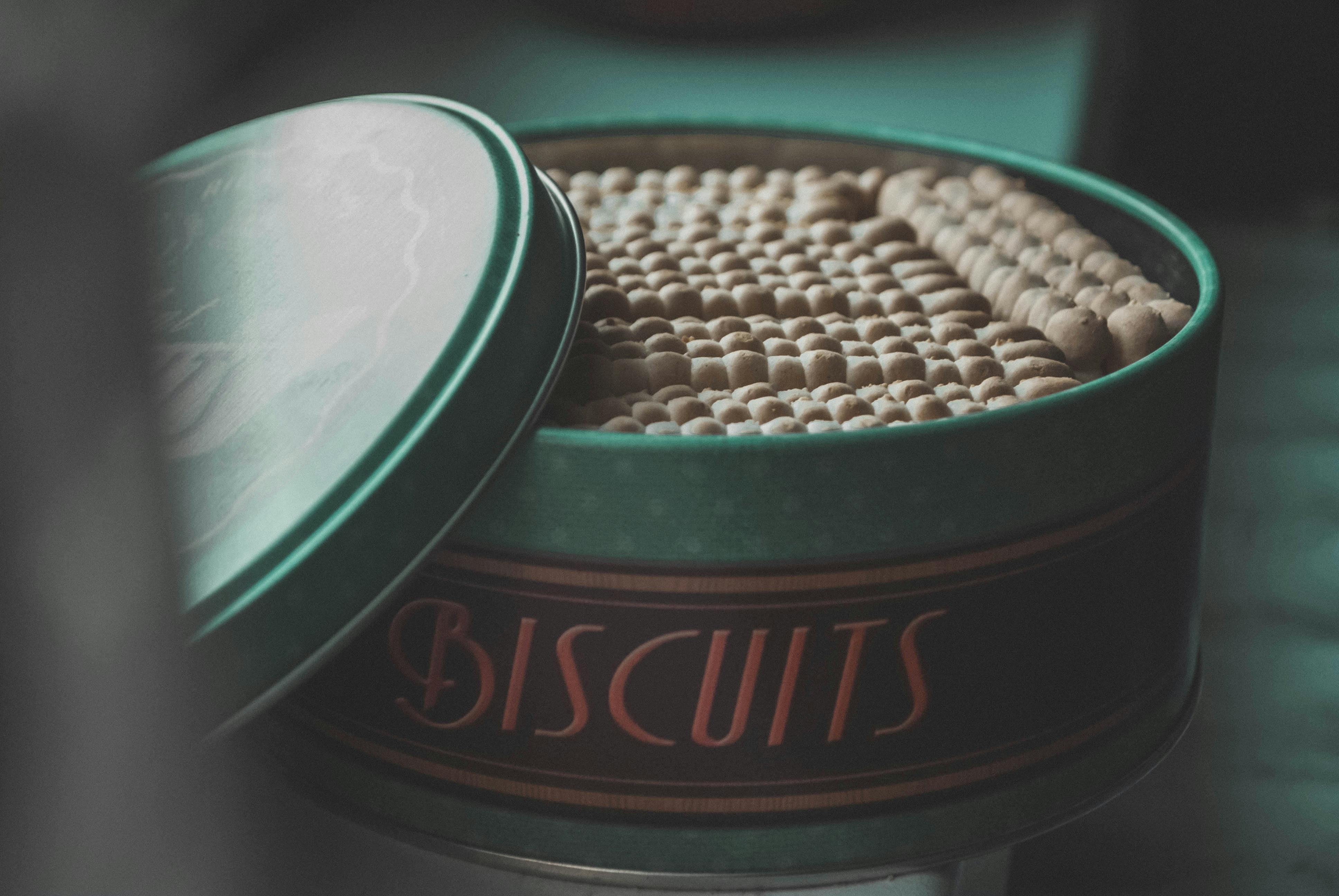
A decorative cookie tin is one of the easiest collectibles to overlook because it often survives long after the treats are gone. Collectors are drawn to older biscuit and confectionery tins for their colorful lithography, seasonal artwork, and ties to well-known brands that once treated packaging like an art form.
Condition matters, but age, rarity, and design can matter just as much. Holiday editions, tins with unusual shapes, and examples from defunct bakeries often attract the most attention. Even visible wear can be acceptable if the graphics are strong and the piece still tells a clear story about a particular era of home entertaining and grocery shopping.
Old soda bottles and regional soft drink labels
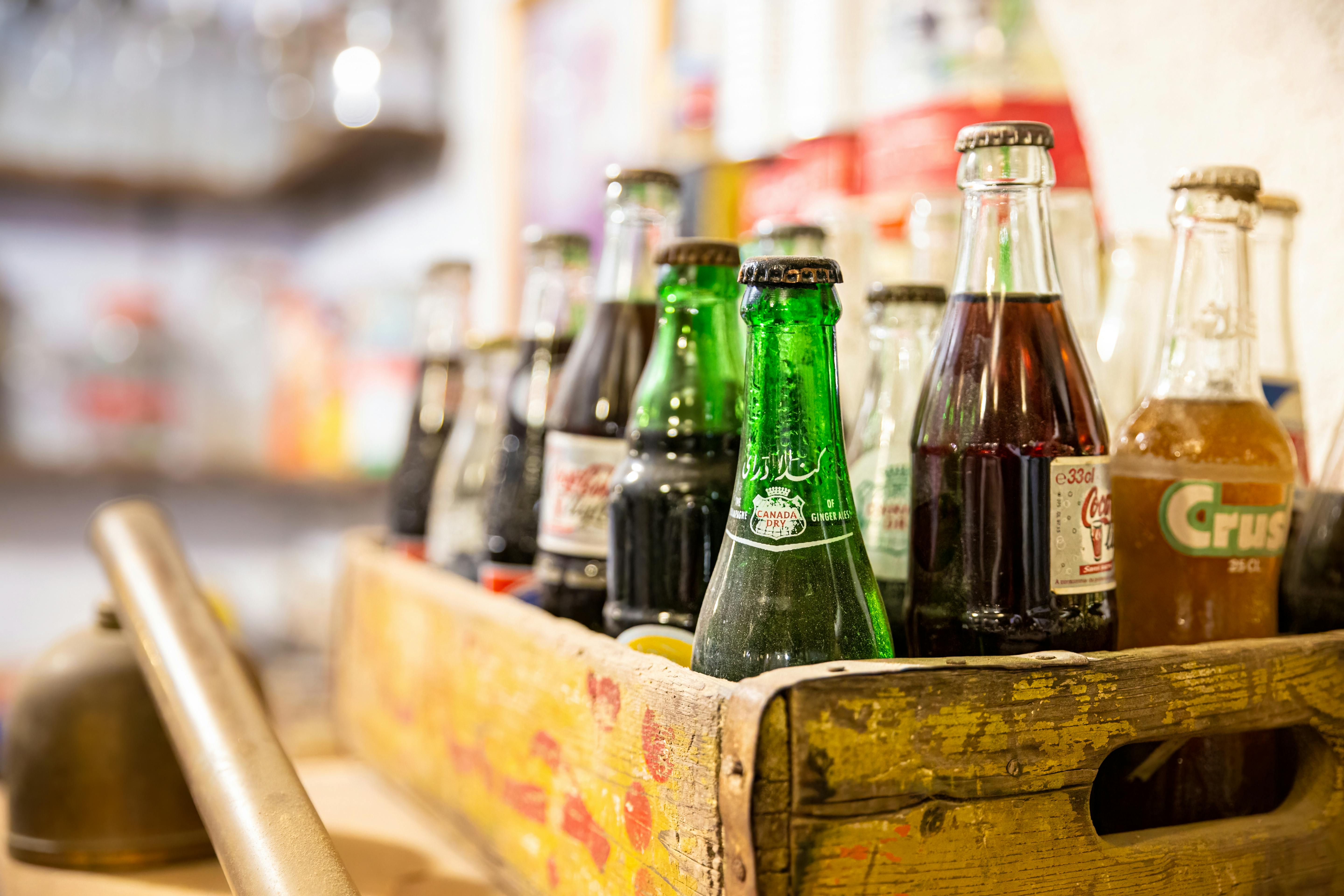
An empty soda bottle can carry a surprising amount of local history. Collectors often seek embossed glass bottles, unusual cap designs, and labels from regional soft drink brands that disappeared or were absorbed by larger companies, especially when the packaging reflects a place, bottler, or era that no longer exists.
Glass color, bottling location, and whether the label is original all affect value. Short-run regional brands can be especially desirable because fewer examples survived. Even bottles that seem ordinary may interest collectors if they represent a local bottling plant, a discontinued flavor, or a packaging style used before modern standardization took over the beverage aisle.
Cereal boxes with popular characters
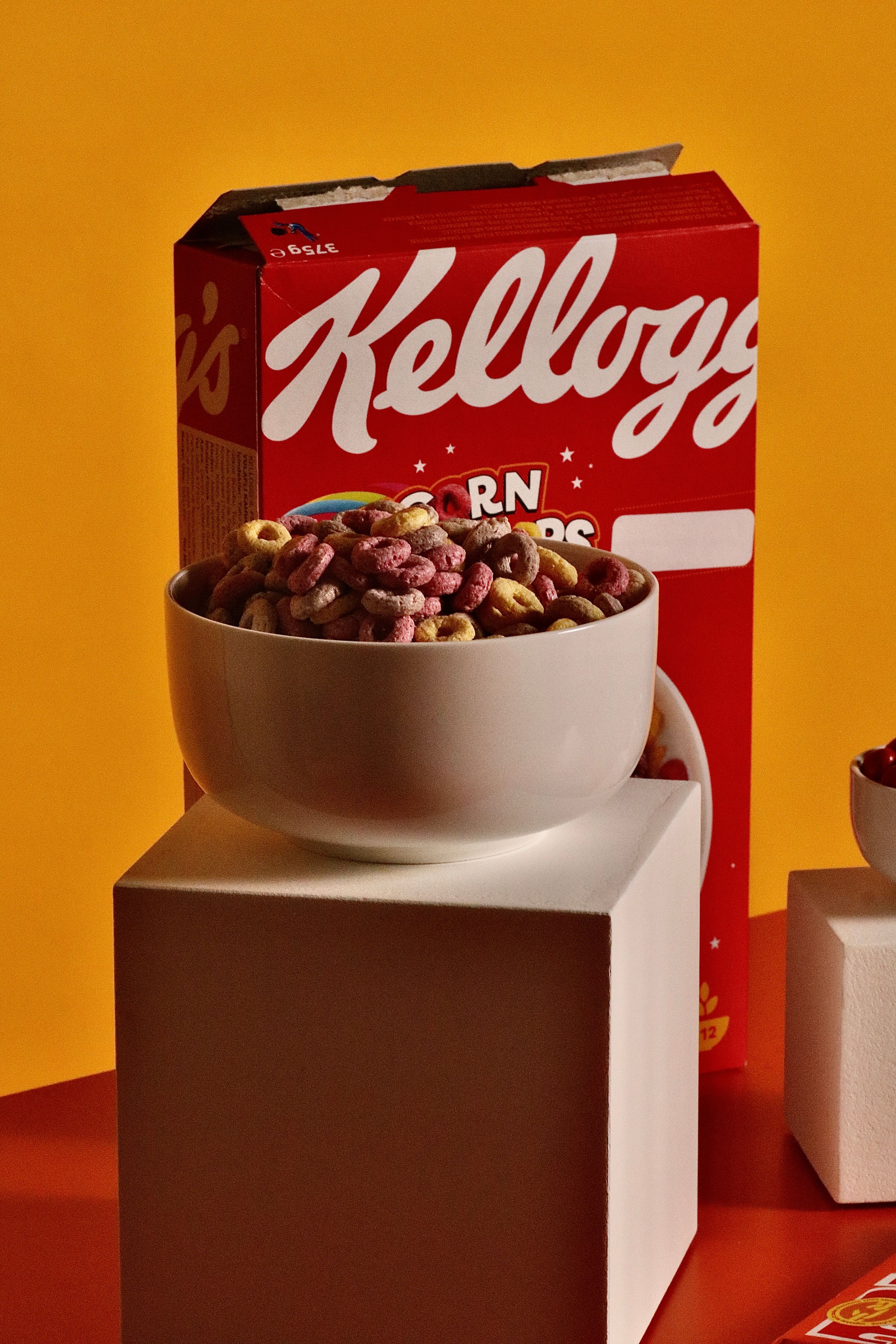
A cereal box becomes collectible when it captures a cultural moment people want to revisit. Boxes featuring beloved mascots, movie tie-ins, athlete endorsements, or limited-time games can draw strong nostalgia, especially if they were tied to a short promotion and were never meant to last beyond breakfast.
Flattened boxes in clean condition often sell better than expected because artwork is the main attraction. Unopened boxes can command more attention, but they come with storage concerns and aging contents. Collectors tend to prize examples with vivid printing, intact tops, and promotional elements still attached, since those details preserve the exact look shoppers saw on the shelf decades ago.
Promotional fast-food containers and cups
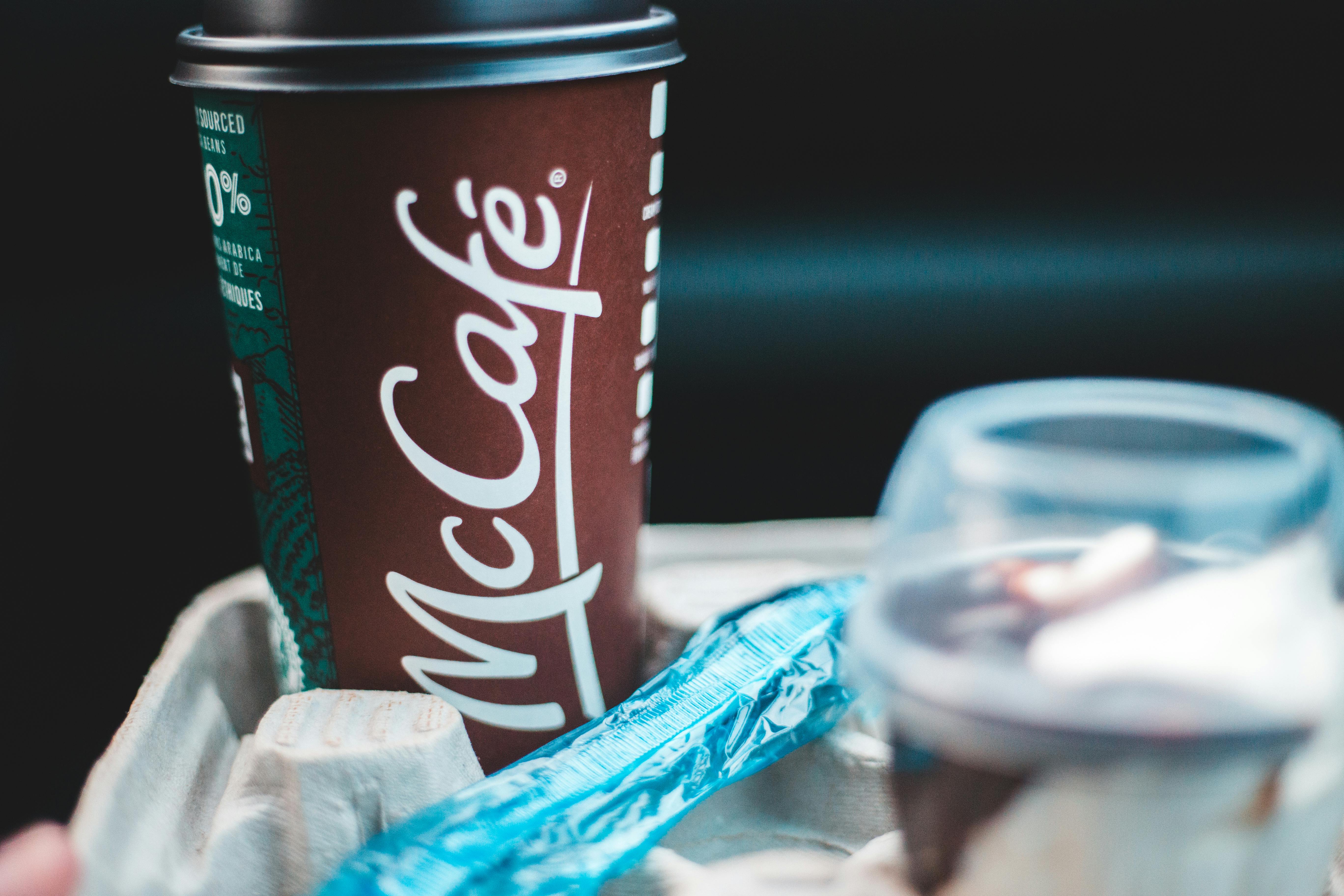
A paper cup from a fast-food chain might sound disposable, but promotional packaging can become highly collectible once a campaign ends. Special cups, sandwich boxes, and kids' meal containers tied to blockbuster films, major sports events, or anniversary branding often gain value because they were used quickly and thrown away just as fast.
Collectors usually look for graphics that are instantly recognizable and difficult to replace. The strongest examples are unused or carefully saved, with bright color and minimal fading. Packaging from limited regional promotions can be especially desirable, because it combines nostalgia for a familiar chain with the scarcity of a release that never reached every market.
Coffee tins and branded canisters

Coffee packaging has long balanced utility with strong shelf appeal, which is why older tins and canisters remain a favorite among collectors. Bold typography, rich color palettes, and instantly recognizable logos make these pieces decorative, but the real appeal often lies in how clearly they reflect changing tastes in advertising and kitchen storage.
Collectors tend to notice unusual sizes, rare regional roasters, and containers with original lids and clean graphics. Metal tins from earlier decades often survive in repurposed form, which helps explain why some are still around. Even so, examples with minimal rust, solid seams, and legible branding usually command the strongest interest in the vintage packaging market.
Limited-edition candy wrappers and boxes
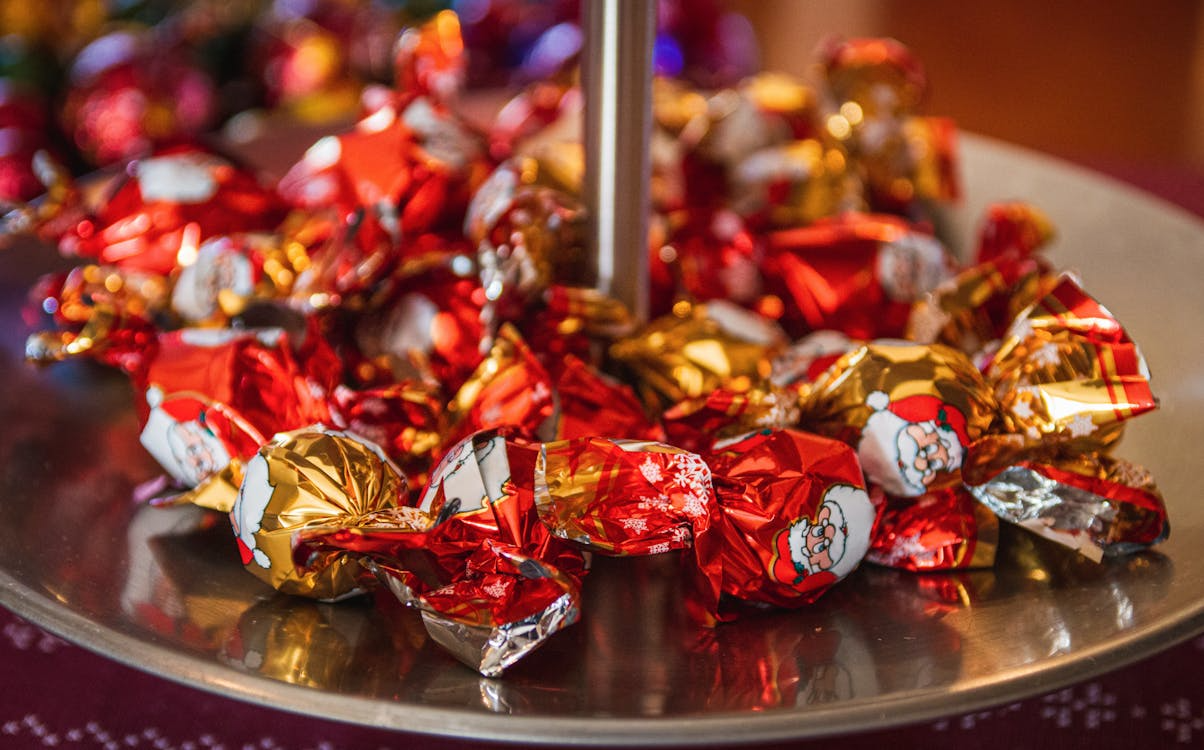
Candy packaging can be surprisingly valuable when it marks a short-lived product, holiday release, or memorable ad campaign. Collectors often save wrappers and boxes because confectionery brands have a long history of eye-catching design, and limited runs tied to certain seasons or collaborations were never produced to last very long.
What matters most is survival. Thin wrappers tear easily, and small candy boxes were usually crushed or discarded right away. That makes crisp examples more desirable, especially if the graphics are unusual or the product has been discontinued. Packaging tied to old slogans, novelty flavors, or now-defunct candy makers often stands out because it preserves a very specific piece of snack history.
Unused restaurant menus and takeout packaging
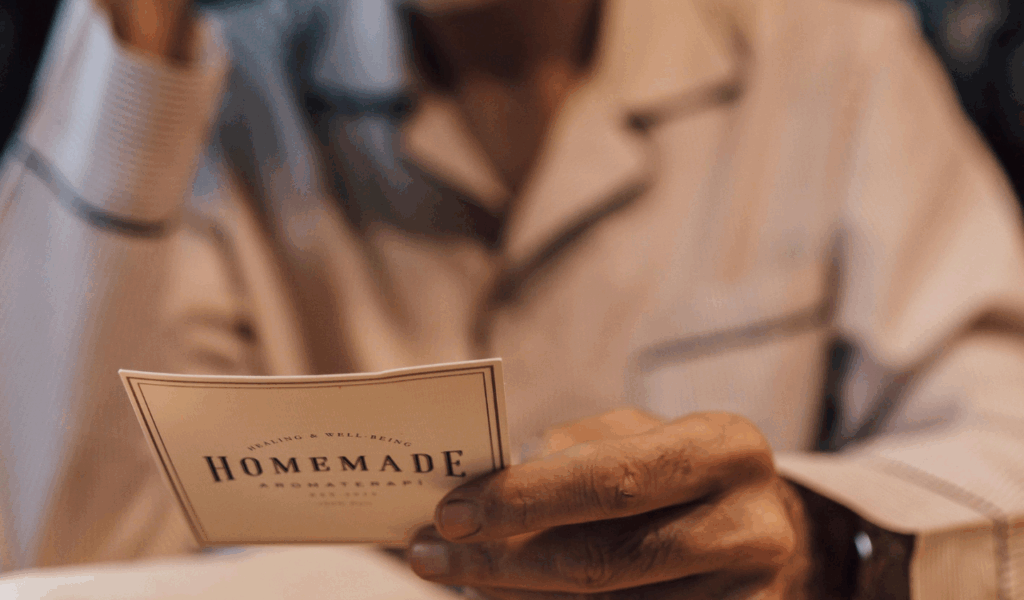
A menu does more than list food. It captures prices, design trends, neighborhood change, and the identity of a restaurant at a specific moment in time. Collectors seek older menus and takeout packaging from notable eateries, iconic chains, or places that closed long ago, especially when the branding is distinctive and the condition is clean.
Unused or lightly handled items usually perform best because stains and folds are common. Menus from grand hotels, ocean liners, famous city restaurants, and classic drive-ins can attract particular interest. Even humble takeout bags and boxes matter when they feature memorable logos or graphic styles, turning a routine meal container into a surviving piece of local culinary history.
Beer cans with rare graphics

Old beer cans occupy a unique corner of collecting because packaging changed quickly and many designs were produced for short windows. Flat-top and cone-top cans, regional brewery labels, and seasonal artwork are especially appealing, with collectors often focused on graphic style as much as the beverage brand itself.
Rarity, age, and condition drive interest, but so does whether the can has been cleaned, opened, or restored. Some collectors prefer untouched examples, even with honest wear, because originality matters. Cans from breweries that closed decades ago can be especially sought after, since they preserve brand identities that disappeared from stores but still carry strong emotional pull for fans of brewing history.
Vintage spice tins and baking powder cans
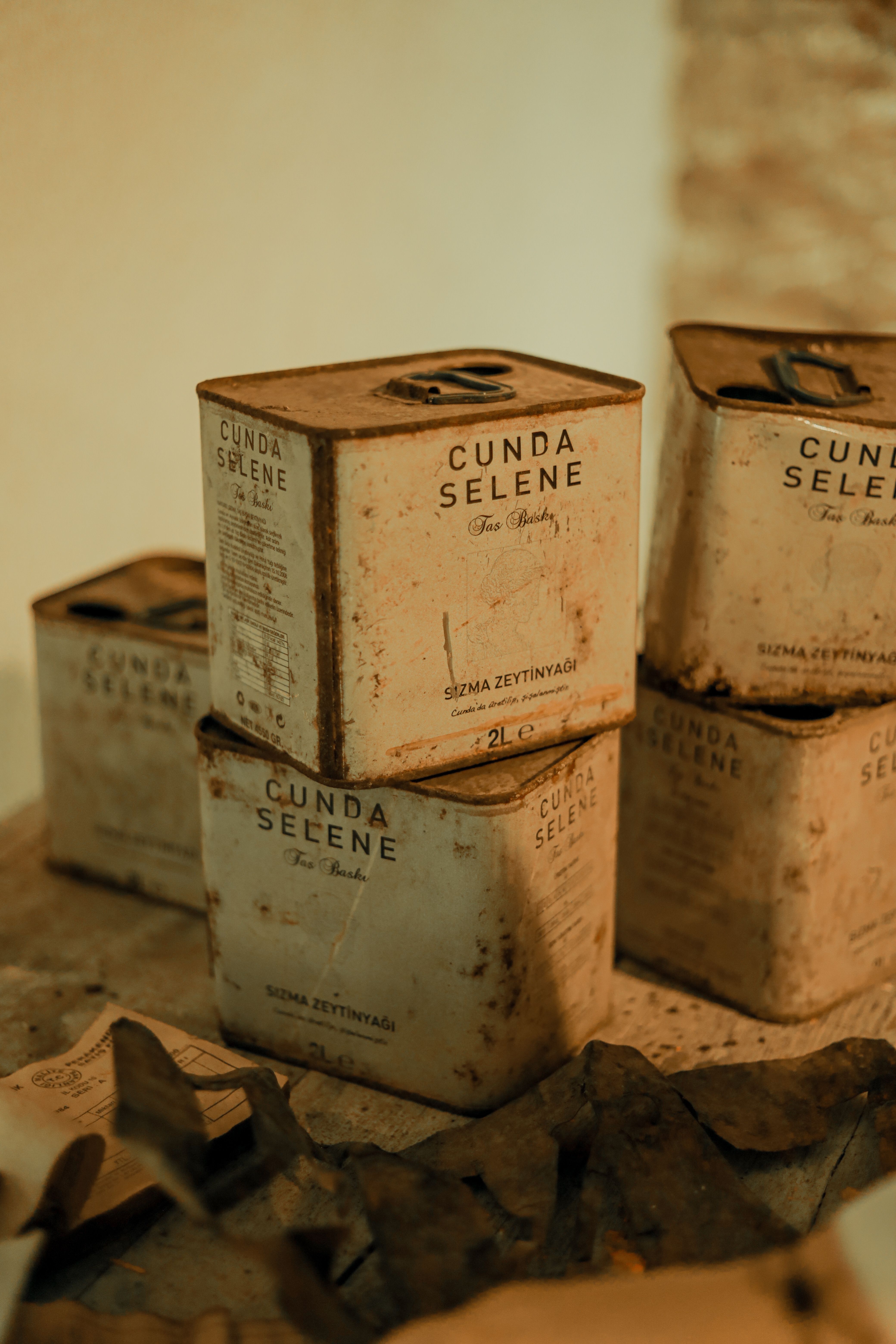
Spice tins and baking powder cans often survive tucked away in old kitchens, which makes them easy to miss and easy to underestimate. Collectors value them for their compact size, practical charm, and strong printed graphics, especially when they come from brands that changed logos over the years or vanished entirely.
Because they were used often, many examples show rust, dents, or fading, so cleaner pieces tend to stand out. Small-format containers can also appeal to collectors who do not have room for larger items. A simple spice tin with sharp lettering and period color can become a strong collectible because it reflects the everyday look of cooking and pantry storage in another generation.
Discontinued snack foods in sealed packages

Sealed packages of discontinued snacks sit at the strange intersection of nostalgia and rarity. Collectors are often not buying them to eat. They want the untouched design, the novelty of a vanished product, and the thrill of owning something that was meant to be opened, enjoyed, and forgotten in a single sitting.
Value can rise when a snack had a cult following, a brief run, or packaging that changed dramatically before it disappeared. Storage is crucial, since fading, leaks, and crushing can ruin appeal. Even when the contents are no longer viable, the sealed state itself can make the item more interesting, preserving a complete snapshot of branding from a very specific retail moment.

Leave a Reply