
A price tag is no longer always a single, universal number. In many Canadian stores, the amount you pay can depend as much on data and membership status as on the product in your cart.
The shelf price is often only the starting point
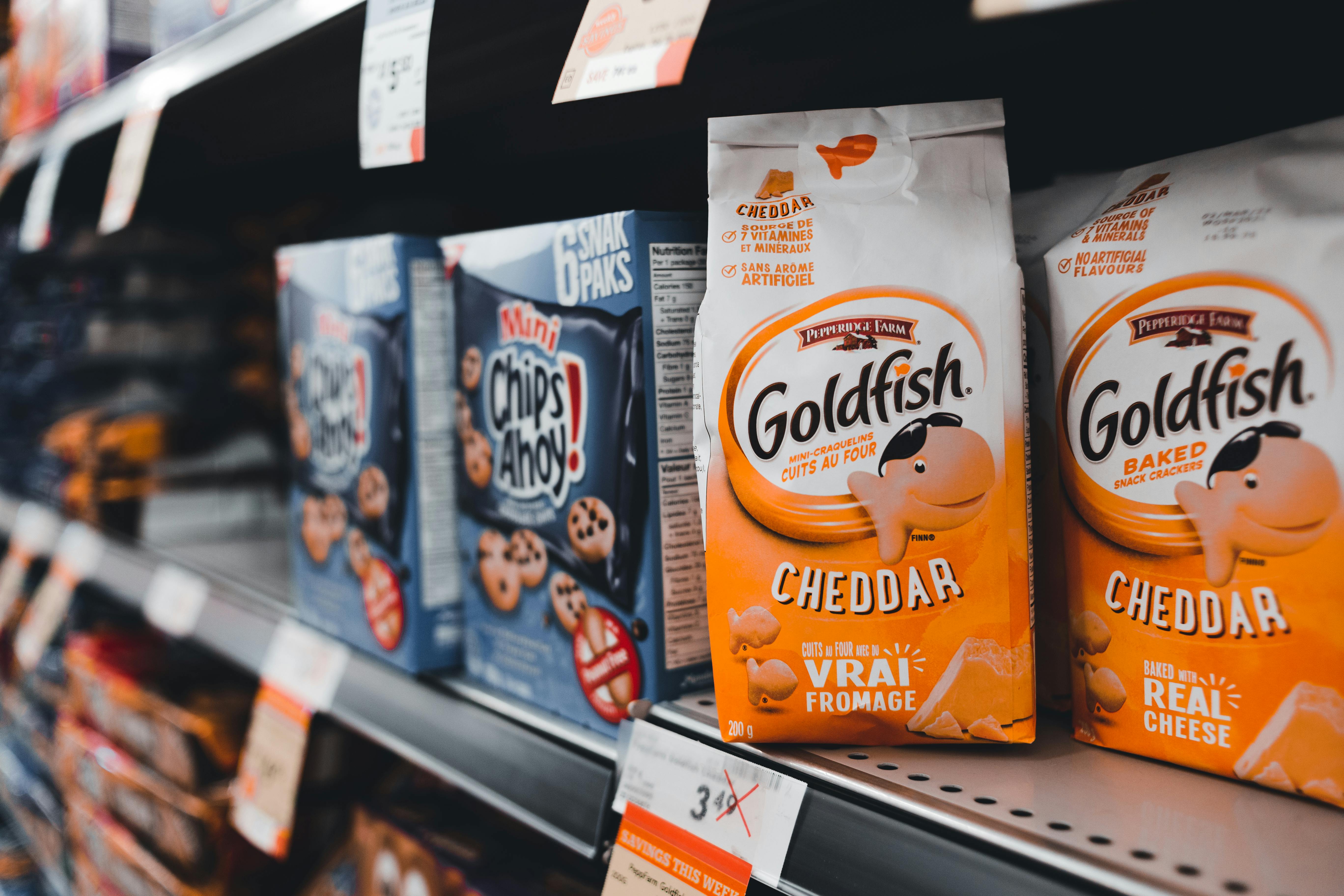
What looks like one price can actually be several prices stacked together. A shelf label may show the regular price, a temporary sale price, a loyalty-member price, and a digital coupon price, all tied to different conditions. Retailers increasingly design promotions so that the advertised deal is available only to shoppers who scan an app or enter a phone number at checkout.
This is already common in major grocery and pharmacy chains across Canada. Loblaw banners, for example, frequently feature PC Optimum pricing, while Scene+ and Air Miles-linked promotions shape prices elsewhere. Two shoppers standing side by side may both pick up the same cereal, but only the one enrolled in the program receives the lower effective price.
Consumer advocates have argued that this can blur the line between a sale and a selective discount. Stores usually disclose the terms, but the fine print may be buried on shelf tags or apps. The result is simple: the shelf appears shared, yet the final price can be personalized.
Loyalty programs now function like pricing engines

Membership programs used to be mostly about collecting points. Today, they are sophisticated systems for segmenting shoppers by habits, spending levels, and responsiveness to promotions. A customer who routinely buys baby products may receive app-only offers on diapers, while another customer in the same aisle gets no discount at all.
According to retail analysts, these systems are valuable because they help stores avoid cutting prices for everyone. Instead of reducing the shelf price universally, a retailer can target discounts only to the people it most wants to influence. That protects margins while still creating the impression of strong value.
For shoppers, the tradeoff is data for savings. If you share purchase history, location information, or app engagement, you may unlock lower prices that anonymous shoppers never see. Two Canadians at the same shelf are no longer just customers. One may be a known profile in a retailer's database, and the other may not.
Digital coupons and apps can split prices instantly

The smartphone has become part of the pricing system. Many stores issue limited-time app offers, loadable digital coupons, or location-based deals that activate only after a customer signs in. If one shopper has already loaded a coupon before entering the store, their checkout total can be lower than the person beside them.
This difference can happen without any negotiation or cashier override. A barcode scan or linked account can trigger a discount invisibly in seconds. Some offers are one-time use, some are personalized, and some are sent only to selected users based on prior purchases or lapse risk.
That is why price comparison inside a store has become harder than it used to be. The number printed on the shelf matters, but so do the unseen discounts attached to a person's phone. In effect, the aisle is physical, but the price structure is increasingly digital.
Dynamic pricing tools are creeping into physical retail
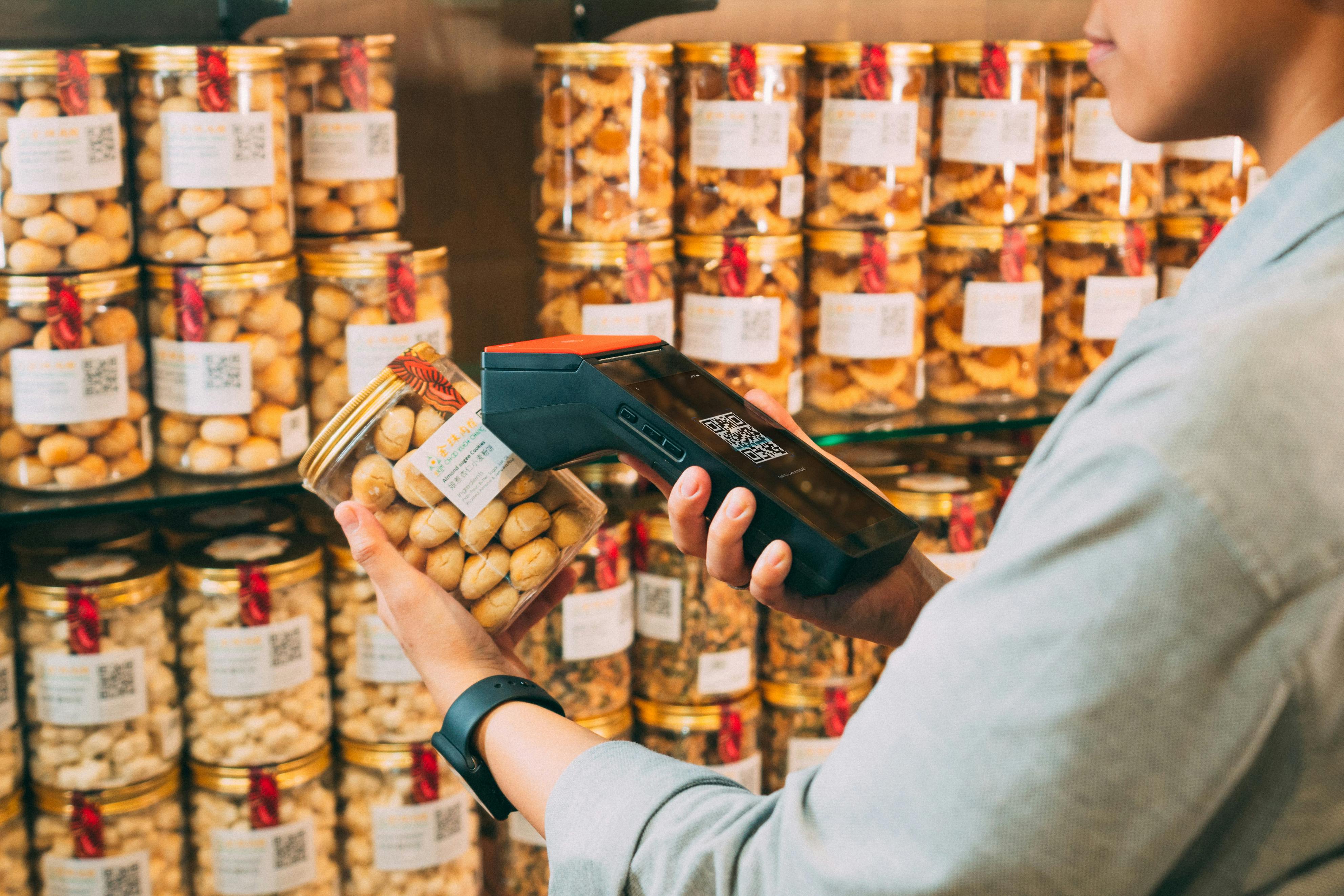
Airlines and hotels made dynamic pricing famous, but retailers have been experimenting with similar logic for years. Electronic shelf labels and centralized pricing software allow chains to update prices faster across locations, sometimes in response to inventory levels, demand patterns, competitor moves, or time-sensitive promotions.
Canadian grocers have not fully turned stores into surge-pricing environments, but the technology exists. Industry reporting has shown growing interest in systems that let retailers test price elasticity, manage markdowns, and localize offers with far more precision than paper tags allowed. That means one store in a wealthy urban area may not price identically to a branch elsewhere.
Even when two people are in the same store, dynamic systems can still produce different outcomes if one receives a triggered discount. The base price may shift for everyone, while layered incentives change by shopper. It is not always obvious, but software increasingly shapes the final number.
Geography, language, and regulation also matter

Canada is not one uniform retail market. Provincial rules, transport costs, competition levels, and language requirements can all influence how products are marketed and priced. Quebec, for instance, has distinct consumer protection expectations, and remote communities often face higher distribution costs that affect everyday shelf prices.
Within cities, stores also tailor promotions to neighbourhood demographics. A retailer may offer stronger discounts where competition is intense or where household budgets are tighter. Statistics Canada has repeatedly shown that inflation is experienced differently across regions and income groups, and retailers respond to those differences in practical ways.
That does not always explain two people at one shelf, but it explains why pricing systems are built to be flexible. Once retailers accept that not every market behaves the same, they become more willing to customize prices by store, customer segment, or promotion channel.
Fairness concerns are growing as pricing gets more personal

Many shoppers instinctively feel that a shelf price should be the same for everyone. That expectation comes from decades of simpler retail practices, when discounts were mostly public and widely accessible. Personalized pricing challenges that norm because it rewards participation, data sharing, and digital fluency rather than treating every shopper identically.
Critics worry that older Canadians, low-income shoppers without smartphones, and privacy-conscious consumers may be left paying more. The Competition Bureau has emphasized the importance of clear advertising and truthful pricing, while consumer groups continue pressing for better disclosure when discounts depend on memberships or digital steps.
Retailers counter that loyalty pricing is voluntary and that points programs help families save. Both things can be true. But the practical answer to why two Canadians at the same shelf may pay different prices is clear: modern retail no longer sells only products, it sells prices based on who you are in the system.




Leave a Reply