
Packed tables and long waitlists don't always translate into healthy profits. Across Canada, many restaurants are serving more customers than ever while quietly struggling to stay financially afloat.
Busy Doesn't Always Mean Profitable

A crowded restaurant can create the impression that business is booming, but appearances can be deceiving. Across Canada, many restaurants are welcoming plenty of customers while still struggling to make a profit. Industry surveys show that a growing number of operators are either losing money or barely breaking even despite steady foot traffic.
The reason is simple. Revenue is only one side of the equation. Profit depends on what remains after paying for food, wages, rent, utilities, insurance, taxes, and countless other operating expenses. When those costs rise faster than sales, profits disappear.
Many restaurant owners say they are serving more meals than ever but keeping less money from each one. A full dining room may keep the lights on, yet it does not guarantee a healthy business.
Rising Costs Are Eating Into Every Sale

Every plate that leaves the kitchen costs more to prepare than it did just a few years ago. Ingredients, cooking oil, dairy products, meat, fresh produce, and imported items have all become more expensive, increasing the cost of every menu item.
Operating expenses have also climbed sharply. Commercial rent, electricity, natural gas, insurance premiums, kitchen equipment maintenance, cleaning supplies, and payment processing fees continue to rise, making daily operations significantly more expensive.
Restaurants cannot always increase menu prices enough to recover these costs. Owners worry that frequent price hikes may discourage customers, forcing many businesses to absorb part of the increase and accept lower profit margins.
Customers Are Spending Less Per Visit
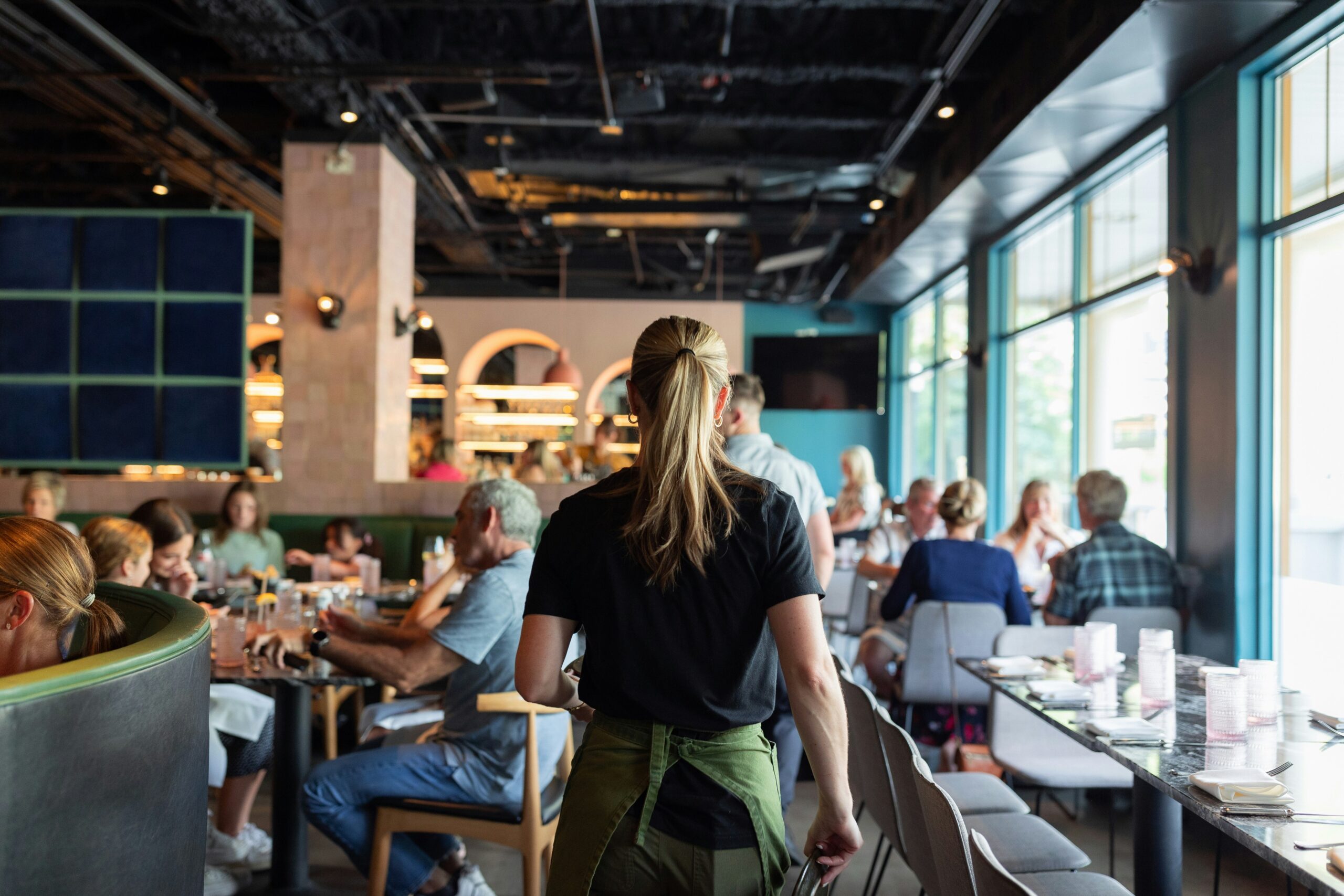
Many Canadians still enjoy dining out, but they are becoming more selective about how much they spend. Instead of ordering a full meal with drinks and dessert, customers are increasingly choosing only the essentials to keep their bills manageable.
High-margin items such as alcoholic beverages, appetizers, desserts, and specialty coffees often generate much of a restaurant's profit. When customers skip these extras, restaurants lose an important source of income even if dining rooms remain busy.
As a result, restaurants may serve the same number of guests while collecting less revenue from each table. Smaller average bills can quickly reduce overall profitability, especially when operating costs continue to rise.
Delivery Orders Come With Hidden Costs

Food delivery has helped many restaurants reach more customers, but it has also created new financial challenges. Third-party delivery platforms typically charge commissions, while restaurants also pay for packaging, disposable containers, and additional labour to prepare takeout orders.
Although delivery increases order volume, each sale often generates less profit than an in-person meal. Restaurants must carefully balance convenience with the higher costs associated with serving customers outside the dining room.
Some businesses have encouraged customers to order directly through their own websites or pick up meals in person. Doing so reduces commission costs and allows restaurants to keep a larger share of each sale.
Staffing Challenges Continue to Add Pressure
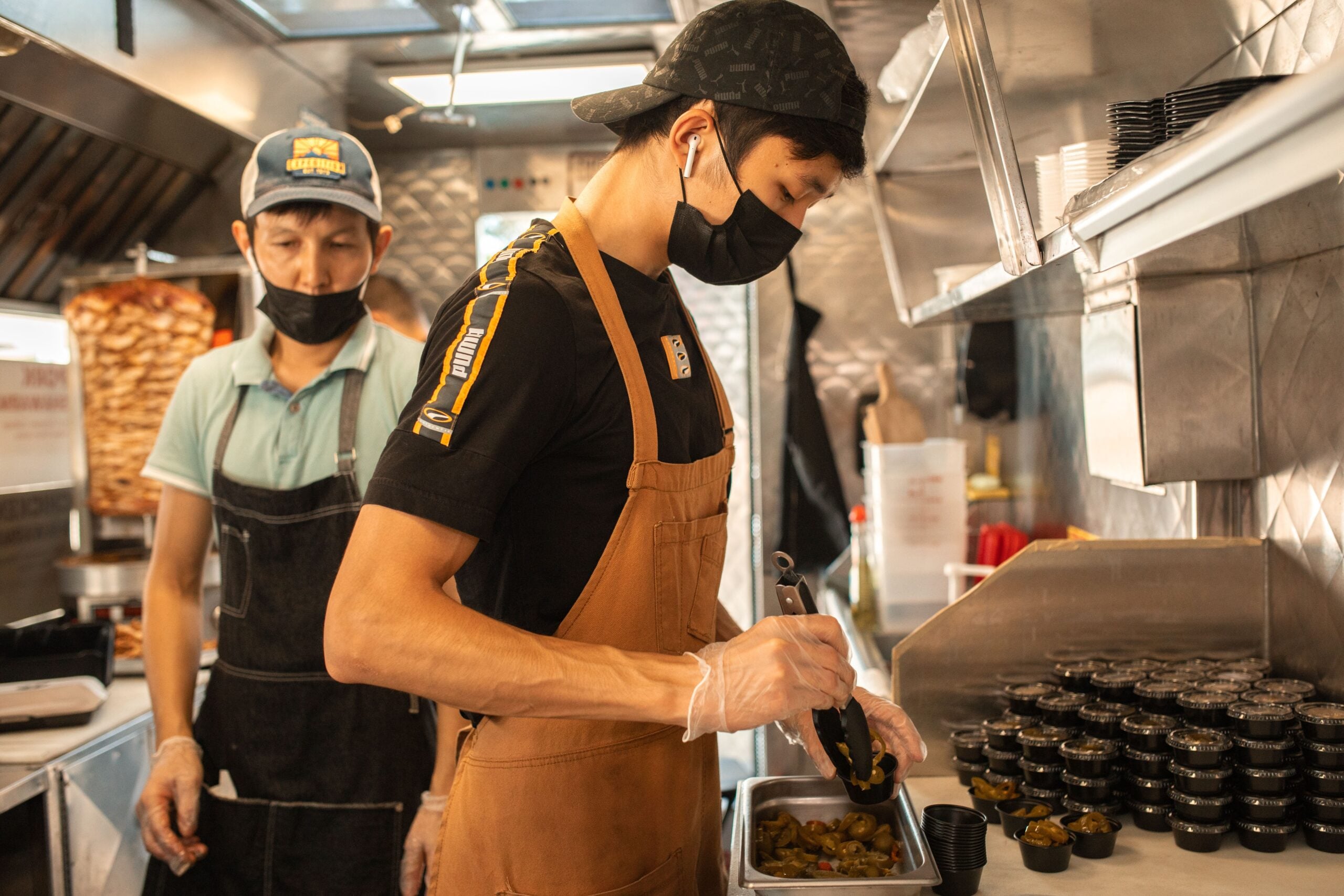
Behind every successful restaurant is a team of cooks, servers, dishwashers, managers, and support staff. Finding and keeping qualified employees has become increasingly difficult, especially as wages and competition for workers continue to grow.
Restaurants often need to offer higher pay, additional benefits, flexible schedules, or overtime to maintain adequate staffing levels. While these investments help attract employees, they also increase payroll expenses, which are already one of the industry's largest costs.
Labour shortages can create additional challenges. When restaurants operate with fewer employees, existing staff may work longer hours, increasing overtime costs while making it harder to maintain consistent service.
Small Margins Leave Little Room for Mistakes
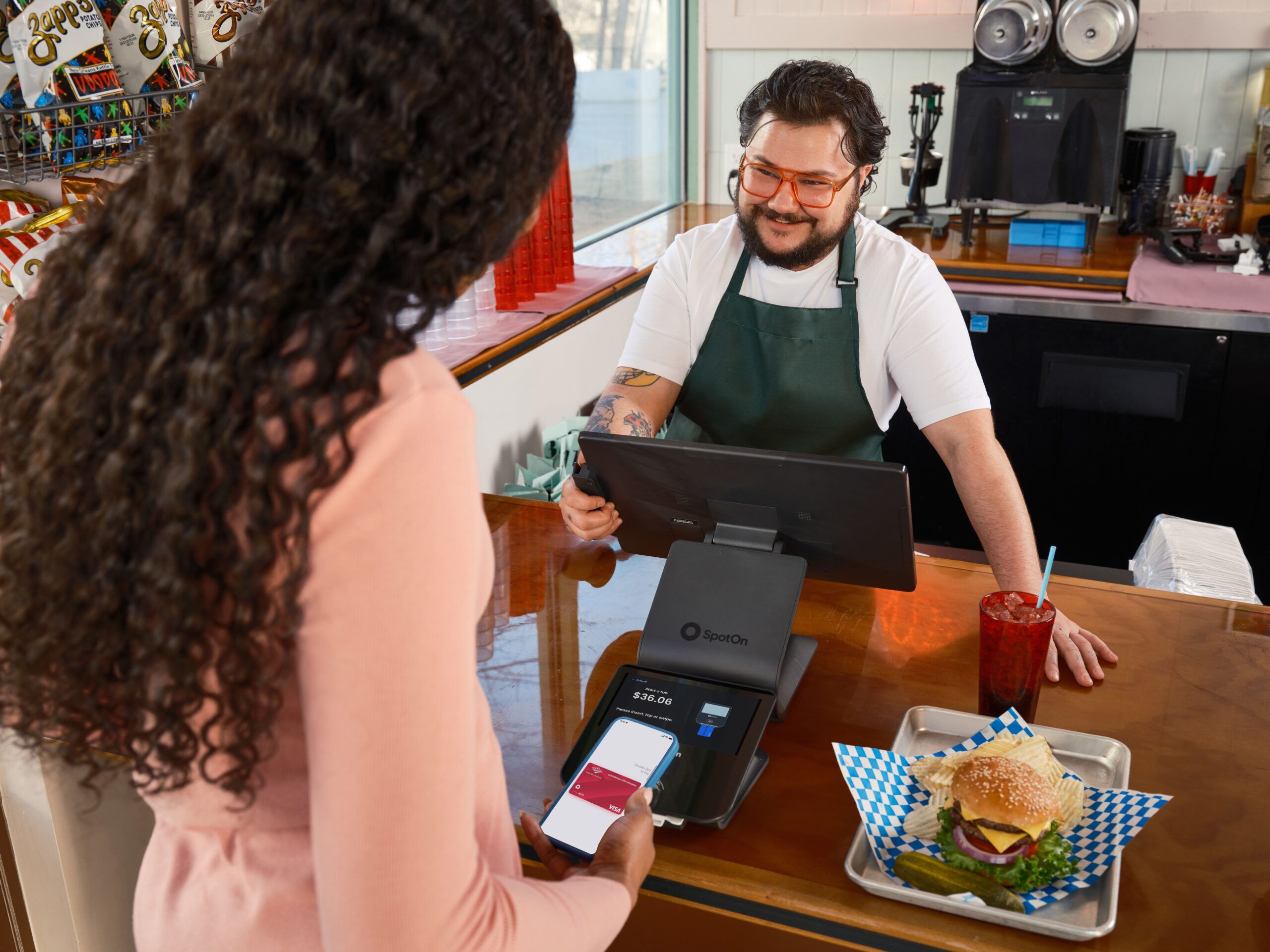
Restaurants have traditionally operated on relatively thin profit margins, often keeping only a small percentage of every dollar earned after covering expenses. That means even minor cost increases or unexpected setbacks can significantly affect financial performance.
Food waste, equipment repairs, utility spikes, weather-related slowdowns, or a few quieter business days can quickly erase profits for an entire week. Unlike many industries, restaurants must continually purchase fresh ingredients regardless of how many customers arrive.
For diners, a busy restaurant often signals success. For owners, however, true success depends on carefully controlling costs while delivering great food and service. In today's economy, staying profitable requires far more than simply filling every table.



Leave a Reply