
Canadians are already encountering AI in the grocery aisle, even if most never see the software at work. The real divide is not whether grocery AI is coming, but why some provinces want rules now while others are barely talking about it.
Grocery AI is no longer a future issue
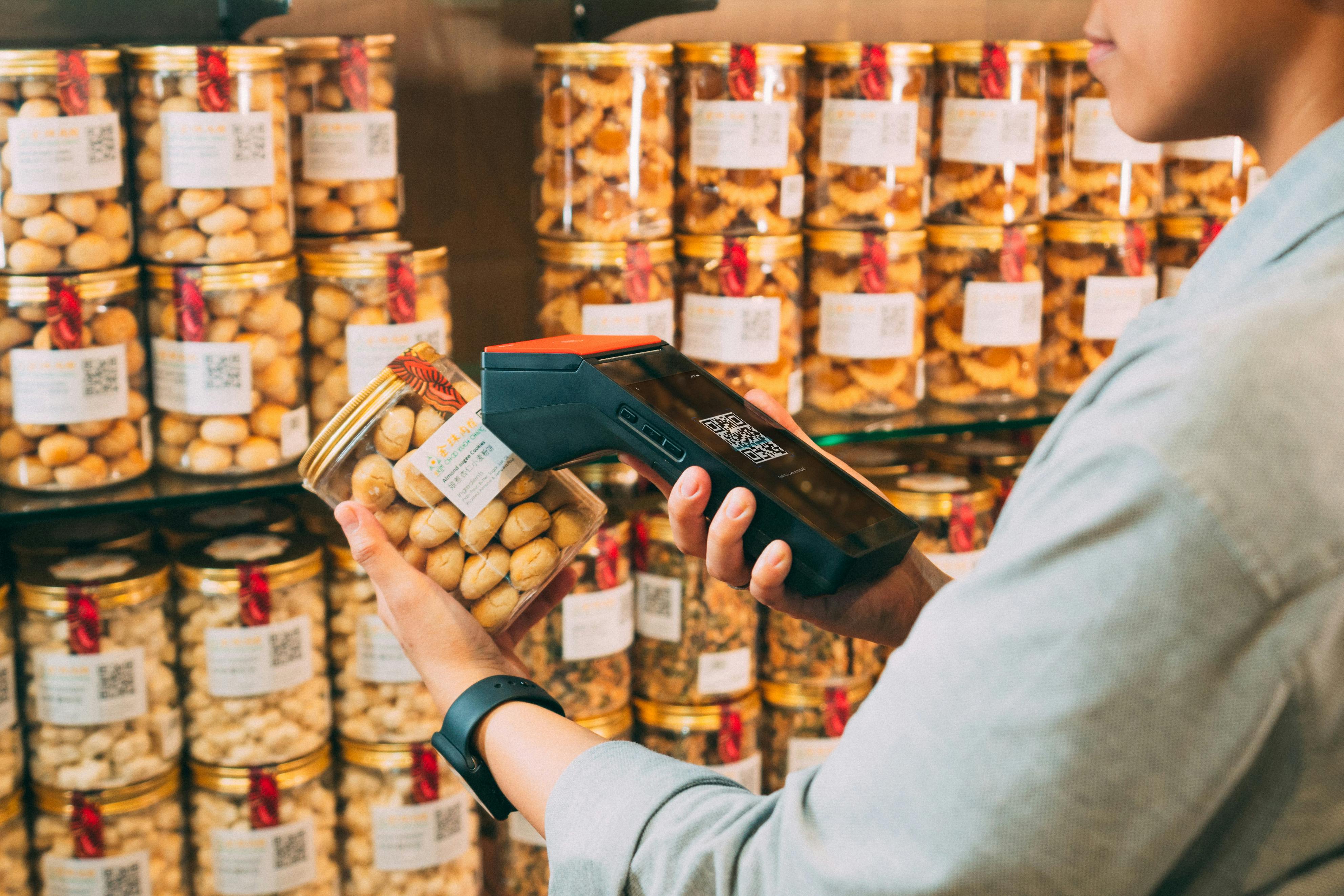
What makes this debate urgent is how ordinary the technology has become. Grocers are using AI to forecast demand, reduce spoilage, automate warehouse decisions, flag suspected theft at self-checkout, and shape digital promotions. In some cases, pricing software can also help retailers react faster to supply changes, competitor moves, and local demand patterns.
That matters because groceries are not just another retail category. Food prices hit every household, and trust in grocery chains is already fragile after years of inflation, shrinkflation complaints, and political scrutiny of competition in the sector. When AI gets added to that environment, even useful tools can start to look suspicious to consumers and policymakers.
Privacy specialists have also raised concerns about loyalty data, facial analysis, and behavioral tracking inside stores. A system designed to stop fraud or optimize shelf layout can still collect sensitive information about how people shop, what they buy, and when they are most responsive to price changes. That is why some provinces see grocery AI as a consumer protection issue, not just a technology story.
Provinces moving first are reacting to pressure already on the ground

One reason a few provinces are acting faster is simple: they have more public pressure. Larger provinces with dense urban populations tend to face louder concerns from privacy advocates, labor groups, and consumer watchdogs. They also host more large grocery banners, more pilot projects using advanced retail tech, and more media attention when a system appears to cross a line.
Quebec stands out because it already has a stronger tradition of privacy and language regulation than much of Canada. Its updated privacy regime has pushed businesses to think harder about automated decision-making and consent. That does not mean Quebec has a grocery-AI law specifically, but it does mean the province is institutionally more prepared to ask harder questions sooner.
British Columbia and Ontario also have reasons to move quickly. Both have major urban markets where digital commerce, app-based promotions, and data collection are deeply embedded in food retail. If complaints emerge around dynamic pricing, surveillance, or algorithmic discrimination, those provinces are more likely to hear about it first and feel pressure to respond.
The provinces staying quiet are not necessarily unconcerned

Silence can look like indifference, but often it reflects capacity and priorities. Smaller provinces may have fewer staff dedicated to emerging technology policy, fewer local retail headquarters, and less political incentive to launch a public debate before a visible problem appears. In many cases, governments are still focused on affordability, health care strain, housing, and rural economic issues.
There is also a practical calculation at work. If a province believes federal privacy law, competition law, or existing consumer protection rules already cover the most serious risks, it may see no need to move first. That wait-and-see approach is common when the technology is evolving faster than regulators can define it.
Some Atlantic and Prairie governments may also be reluctant to create rules that businesses portray as burdensome. If local officials think strict standards could discourage investment or complicate relationships with national grocery chains, they may prefer informal monitoring over formal regulation. That does not remove the issue. It simply delays the political moment when it becomes unavoidable.
The real policy fight is about prices, privacy, and power
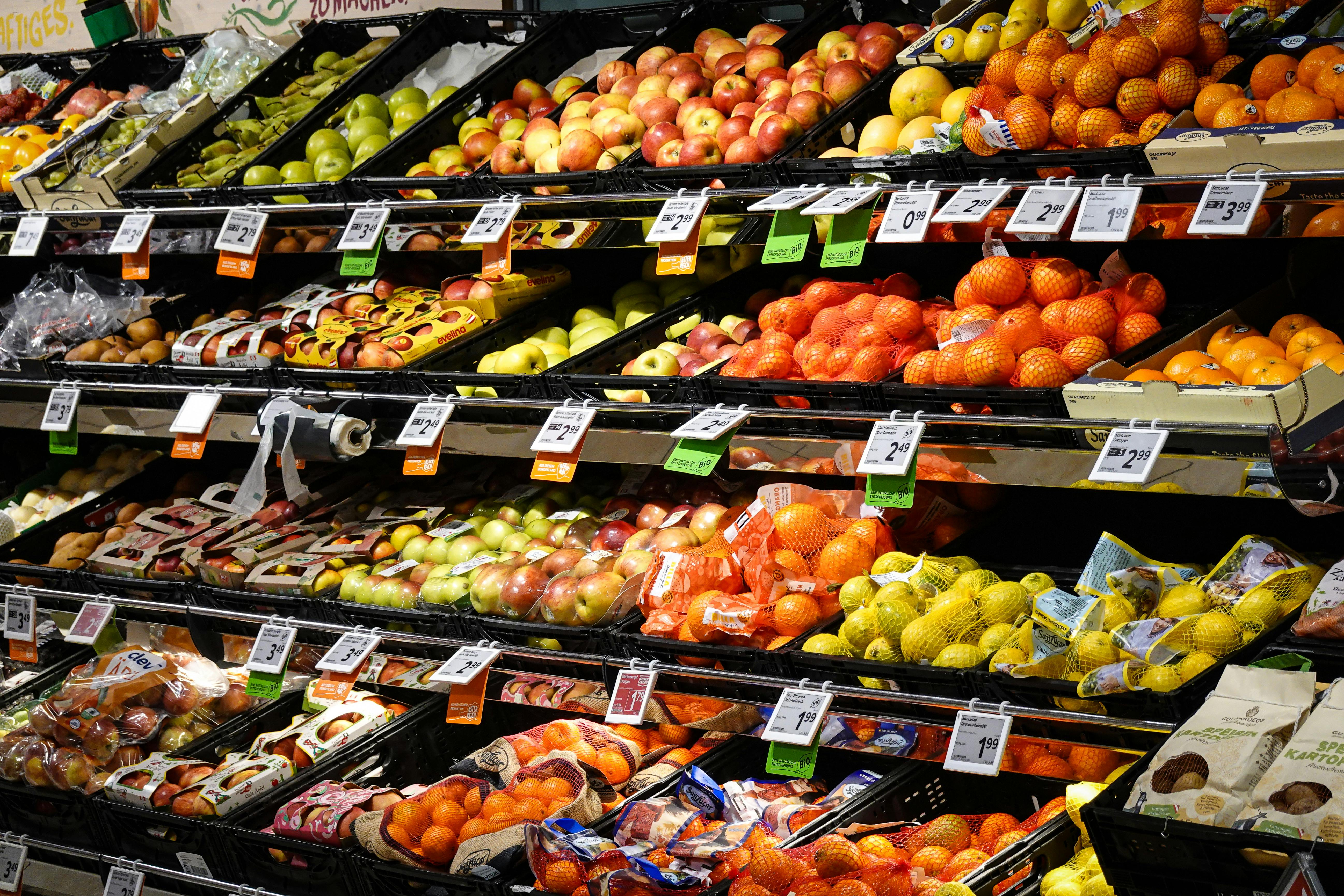
At the heart of the issue is a public fear that AI could quietly amplify existing market power. Canada's grocery sector is already highly concentrated, with a handful of major players shaping prices, supplier relationships, and consumer choices. If AI helps dominant firms optimize margins faster than watchdogs can understand the systems, the regulatory concern grows sharply.
Dynamic pricing is especially sensitive in food retail. While grocers argue that smarter pricing can reduce waste and keep products available, critics worry about opaque algorithms adjusting prices in ways consumers cannot detect or challenge. A discount on yogurt nearing expiry is one thing. A data-driven system nudging prices upward based on neighborhood behavior is another.
Labor is part of the fight as well. AI-powered monitoring can measure cashier speed, flag worker errors, and alter staffing decisions. Unions and labor advocates worry that these systems can intensify work, reduce discretion, and normalize surveillance without meaningful oversight. Provinces with stronger labor politics are naturally more likely to bring grocery AI into broader debates about workplace rights.
Ottawa's uneven role has left room for provinces to improvise

A big reason the map looks patchy is that the federal framework remains incomplete. Canada has debated broader AI and privacy reforms, but progress has been uneven, and no national grocery-specific regime exists. That leaves provinces to decide whether to wait for Ottawa, adapt existing laws, or build narrower rules around consumer privacy, pricing transparency, or automated decisions.
This creates a familiar Canadian pattern. When federal action lags, provinces with stronger regulatory cultures often experiment first, while others hold back until a model emerges. In practice, that can produce a fragmented system where shoppers in one province enjoy clearer protections than those in another, even when they shop at the same chain.
Retailers generally dislike that kind of patchwork, but it can also force standards upward. If one or two major provinces require clearer disclosure of AI-driven pricing or stronger consent for data use, national chains may adopt those rules more broadly rather than operate several different compliance systems. Provincial action, even if uneven, can reshape behavior well beyond provincial borders.
What happens next will depend on trust more than technology
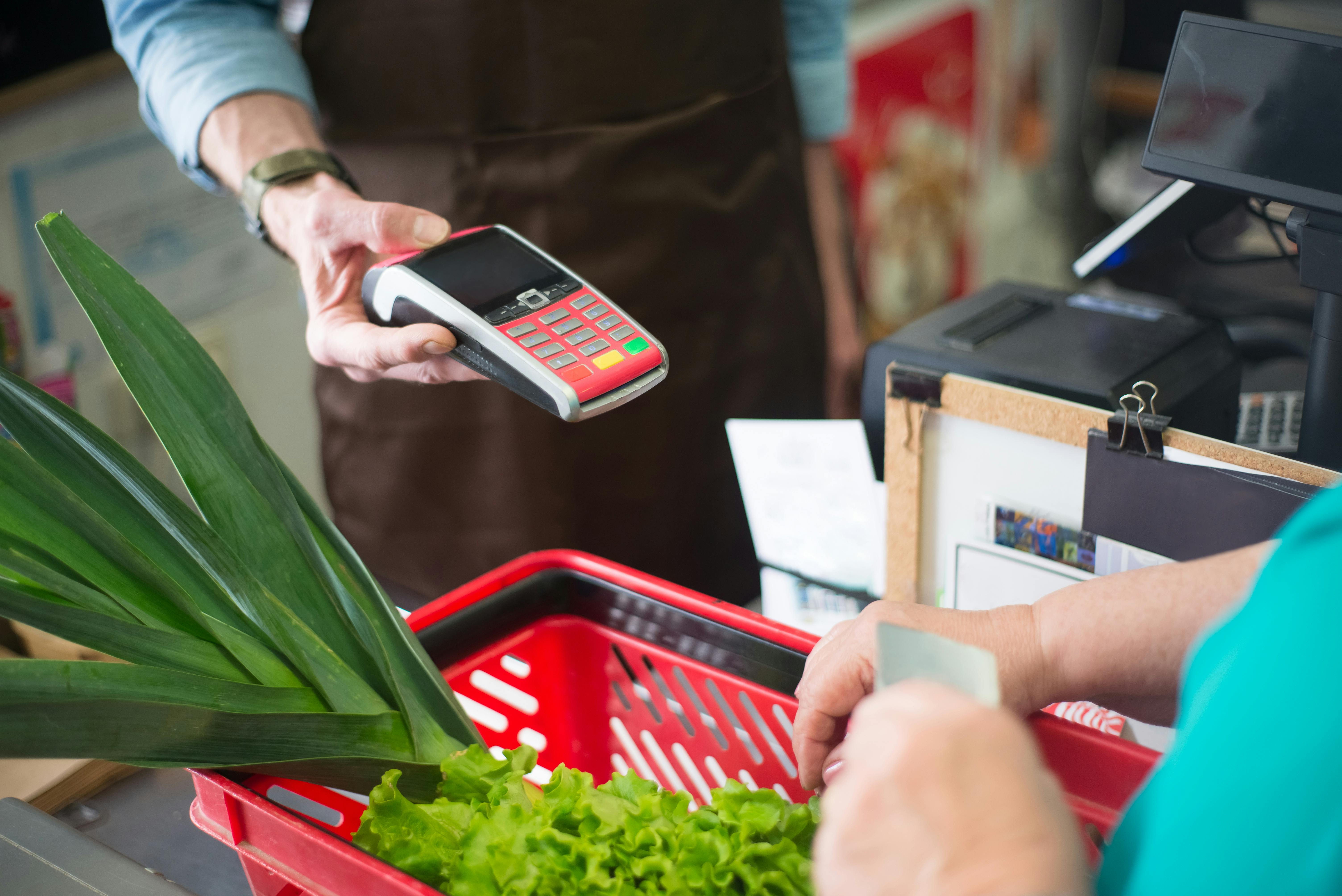
The next phase will likely be driven by public trust, not by technical breakthroughs alone. Most shoppers will accept AI that cuts waste, improves stock levels, or speeds up checkout if they believe the system is fair and transparent. They become far less patient when the same technology appears to manipulate prices, invade privacy, or punish workers.
That is why the provinces moving first are not necessarily anti-innovation. In many cases, they are trying to prevent a backlash before it hardens. Clear disclosure, audit requirements, complaint mechanisms, and limits on sensitive data use can make grocery AI more legitimate and easier for the public to tolerate.
The provinces that have not yet joined the discussion may not stay on the sidelines for long. One pricing controversy, one privacy complaint, or one leaked internal retail document could shift the political mood quickly. In a country where food affordability is already emotionally charged, grocery AI is unlikely to remain a quiet policy niche for much longer.




Leave a Reply