
The dining room still looks busy. The check tells a more cautious story.
What executives mean when they say "resilient spending"
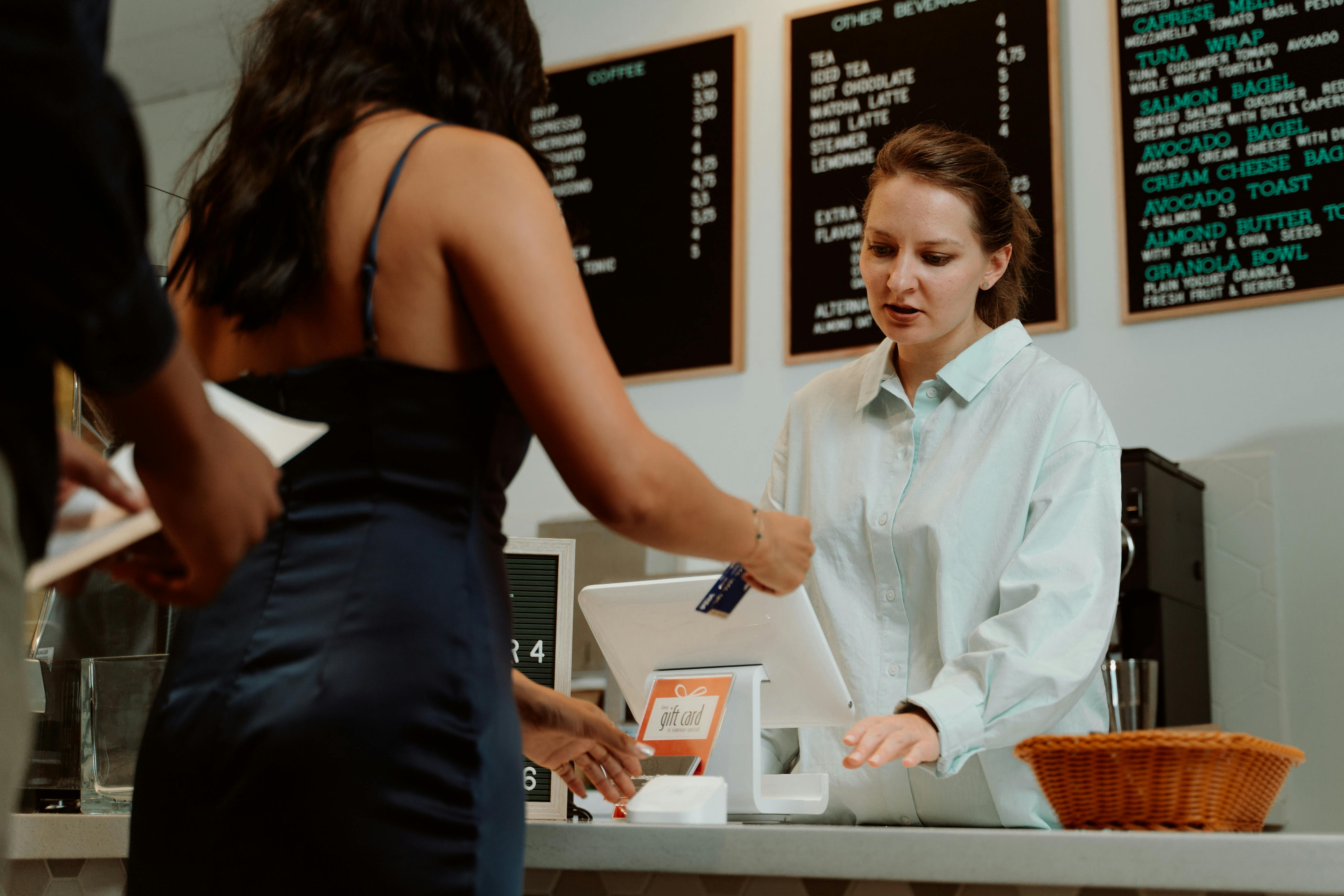
The phrase sounds reassuring, and that is exactly why companies use it. In restaurant earnings calls, "resilient spending" usually means customers have not disappeared, even if they are clearly acting more carefully. Traffic may be soft, but enough people are still coming through the door to prevent a sharper drop.
What matters is the gap between visits and spending patterns. A guest who once ordered drinks, appetizers, and dessert may now buy only an entrée and water. According to reporting from Reuters and comments across recent earnings calls, chains are seeing consumers trade down in subtle ways rather than abandon restaurants all at once.
This is why the wording can feel like code. It softens a harder truth. Customers are still participating in restaurant culture, but many are managing inflation, rent, credit card balances, and higher grocery bills by quietly shrinking the size of each occasion.
The clearest signs of cutbacks are hiding in the check average
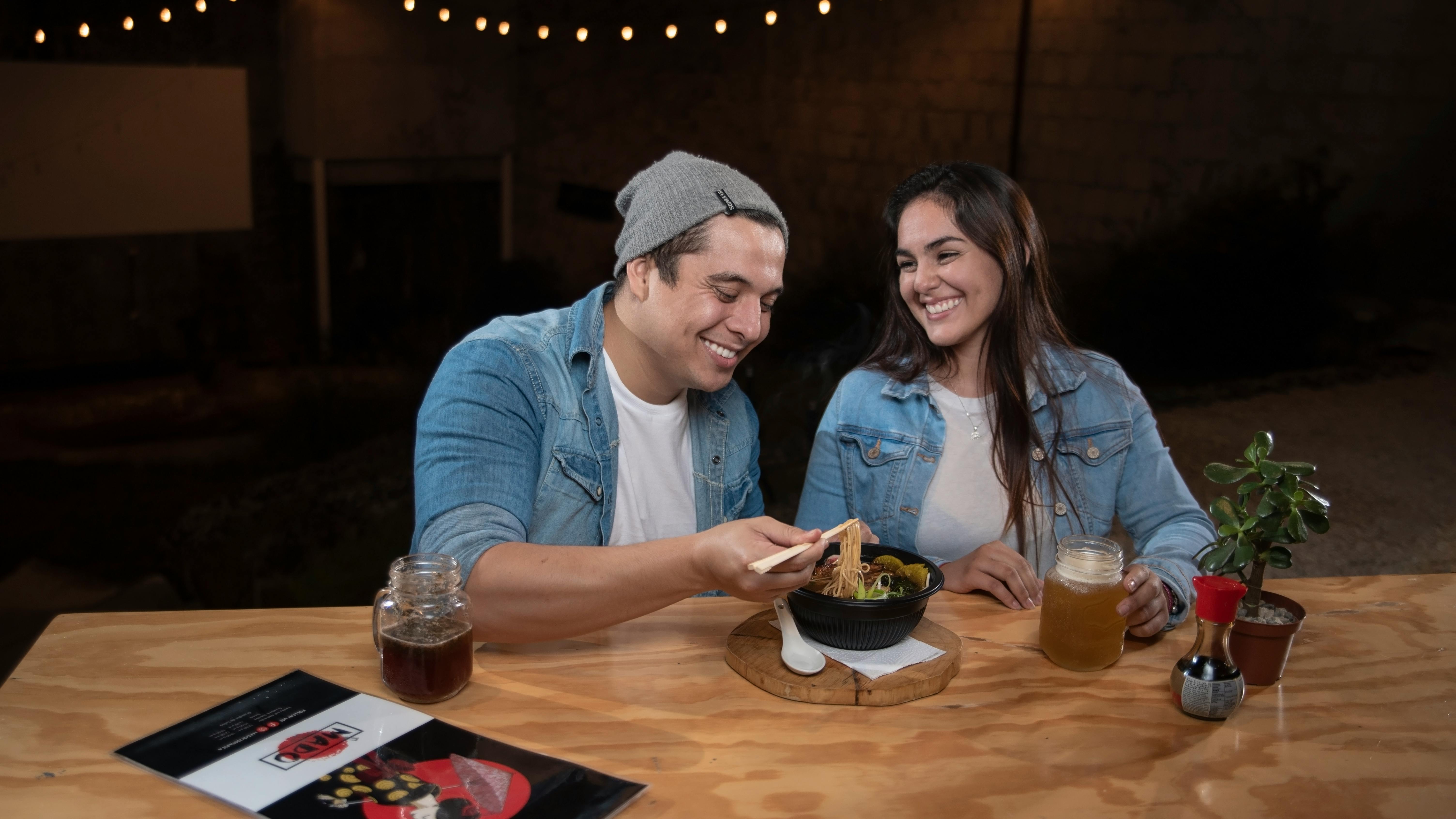
The strongest evidence is often found in what diners leave off the order. Restaurant operators have noted slower add-on sales, weaker beverage attachment, and more selective ordering across income groups. Those changes can be easy to miss in a full parking lot, but they show up quickly in margins.
Even when menu prices lift average checks, that does not always signal healthier demand. Part of that increase can come from inflation rather than enthusiasm. If a customer pays more for fewer items, the top line may look stable while the experience underneath is actually one of restraint.
Casual dining chains have talked about guests splitting meals, skipping starters, and responding aggressively to promotions. Fast-food brands have seen similar pressure, especially among lower-income consumers. McDonald's, Wendy's, and others have acknowledged value sensitivity, reinforcing the idea that demand has not vanished, but confidence has weakened.
Why consumers are acting careful even if employment remains solid
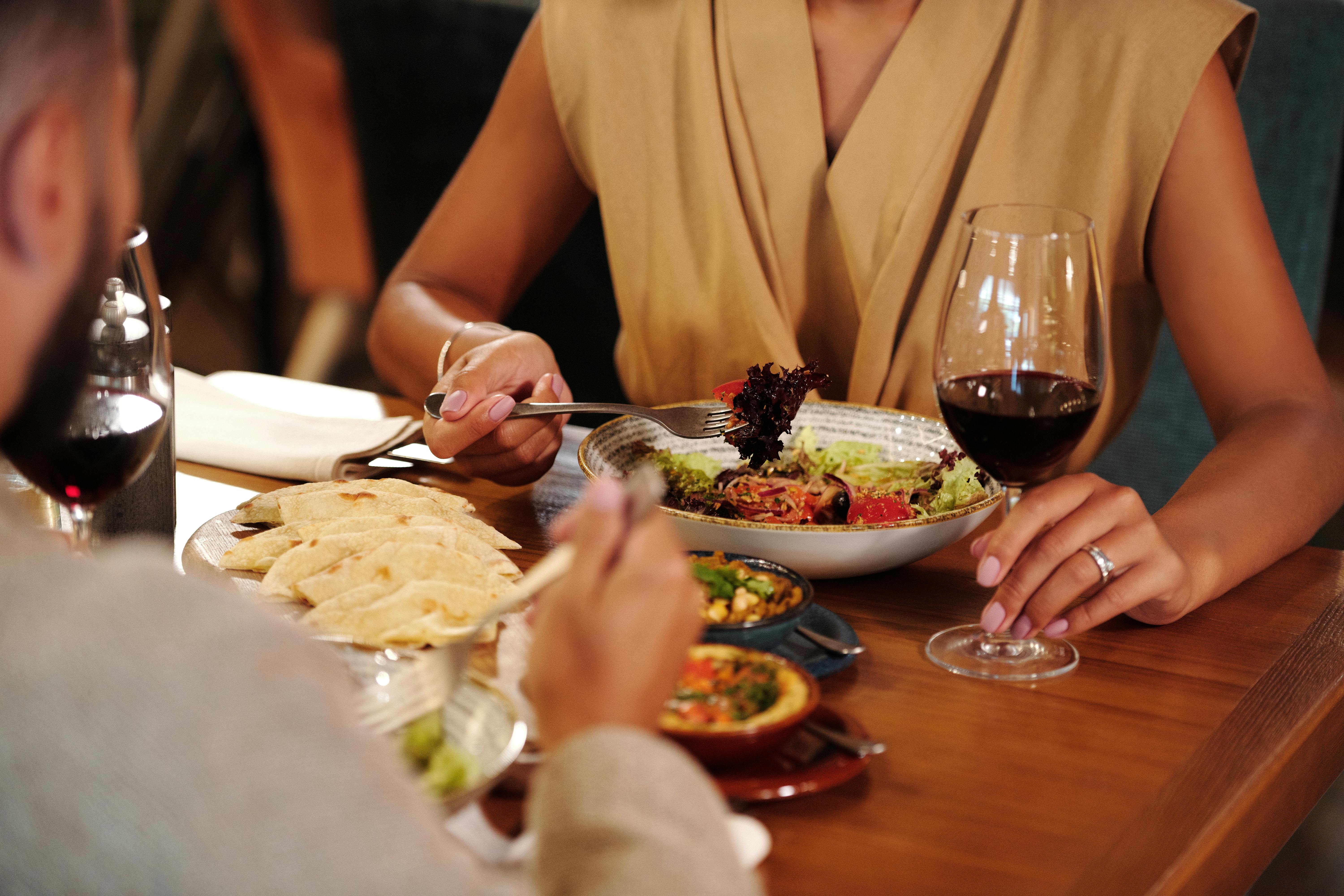
A strong job market does not automatically create carefree spending. Many households are contending with accumulated price increases from the past several years, and restaurant meals have become one of the clearest examples of sticker shock. What felt affordable in 2021 can feel indulgent in 2026, even for people with steady paychecks.
There is also a psychological shift at work. Consumers may still have income, but they no longer assume prices will settle quickly. That changes behavior. People plan fewer spontaneous meals out, compare deals more closely, and place more value on certainty before spending on extras.
Higher borrowing costs add another layer. Credit cards, auto loans, and housing expenses have all become more expensive for many households. So even if people keep dining out occasionally, they often arrive with a tighter internal budget and a sharper sense of what they are willing to skip.
Restaurants are responding with value menus, bundles, and promotions
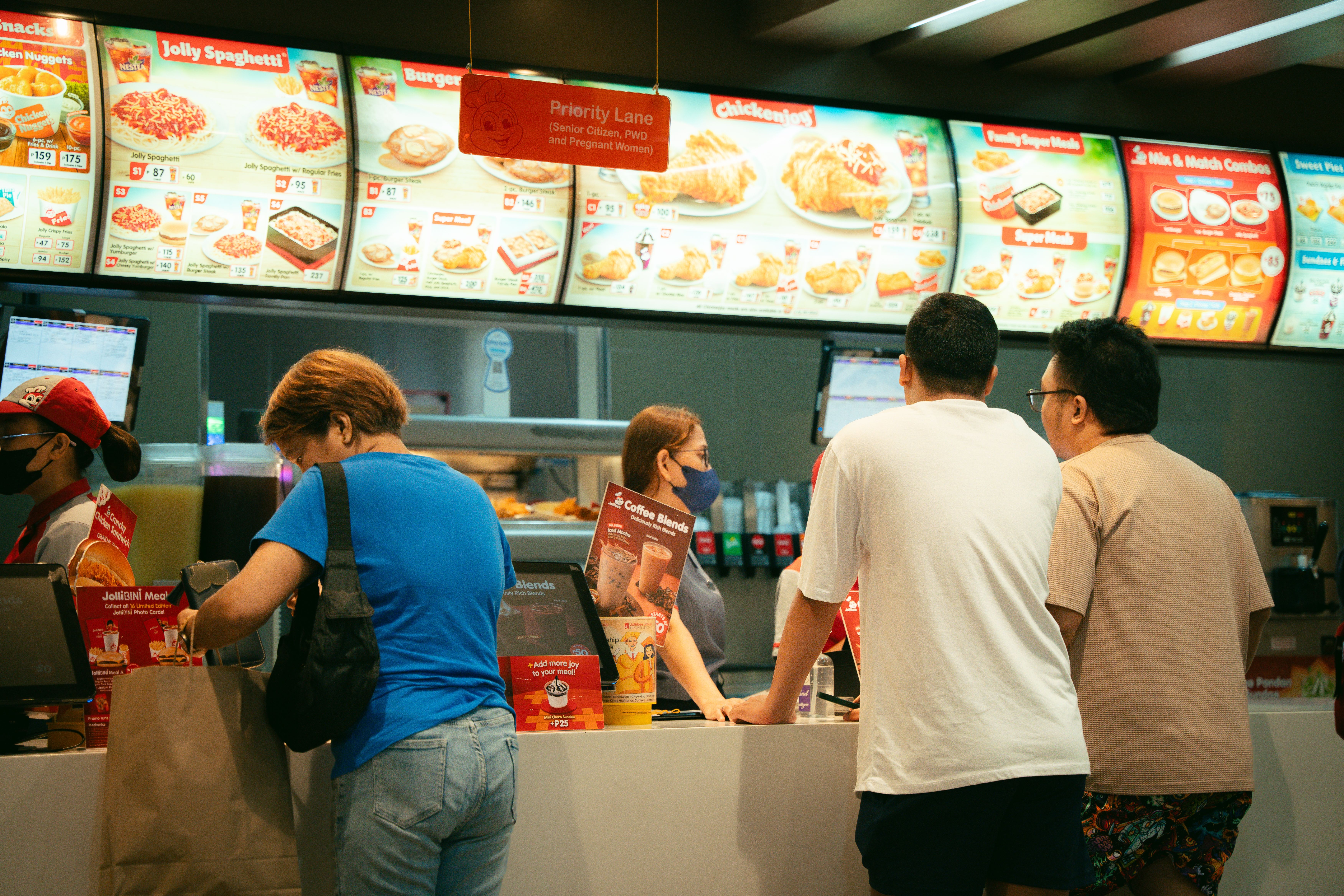
Operators understand this behavior better than the polished language suggests. That is why so many chains have revived bundles, limited-time deals, loyalty perks, and lower entry price points. These moves are not just marketing creativity. They are defensive tools meant to hold onto guests who are becoming more deliberate.
Recent value meal battles in quick service reflect that pressure. When large chains race to advertise combo deals, they are signaling concern about frequency, not just competition. The goal is to preserve habit. A customer who visits once a week instead of twice can damage sales even if the dining room still looks lively.
Full-service brands are adapting too. Some are leaning on happy hour, prix fixe offerings, or menu engineering that nudges guests toward items with better margins. In plain terms, restaurants are trying to make cautious customers feel comfortable spending without openly admitting how fragile that spending has become.
The trend reaches far beyond low-income diners

It is tempting to assume this is only a budget consumer story, but the evidence is broader. Executives across the industry have described a more value-conscious middle-income guest as well. Even higher earners, while less strained, are becoming more selective about where a meal feels worth the price.
That matters because restaurants rely heavily on repeat behavior from a wide swath of customers. If affluent diners pull back from premium wine, business lunches, or frequent delivery orders, the effect spreads quickly. The industry feels it not only through lower traffic, but through less profitable mix.
Delivery platforms and convenience spending have also complicated the picture. Fees, tips, and menu markups make the final total hard to ignore. Consumers who once treated delivery as routine are increasingly shifting back to pickup, cooking at home, or reserving restaurant spending for occasions that feel more justified.
What "resilient spending" really tells us about the industry now

The phrase is not entirely false. People are still going out, celebrating, grabbing coffee, and fitting restaurants into their routines. But resilience in this context means endurance under pressure, not carefree demand. That is a meaningful distinction, and it explains why upbeat language often coexists with cautious guidance.
For restaurant companies, the challenge is that small trade-down decisions add up. One fewer side, one skipped cocktail, one missed weekly visit, multiplied across millions of transactions, can materially change performance. The customer has not left. The customer has simply become more calculating.
So when executives say spending is resilient, listen for what they are not saying outright. Diners are still showing up, but many are quietly rewriting the rules of what a meal out should cost. In today's restaurant economy, survival for many brands depends on recognizing that restraint before it turns into retreat.




Leave a Reply