
Canada's seafood trade has a surprising leader. It is not salmon, but lobster, and the gap is rooted in value as much as volume.
Value matters more than volume
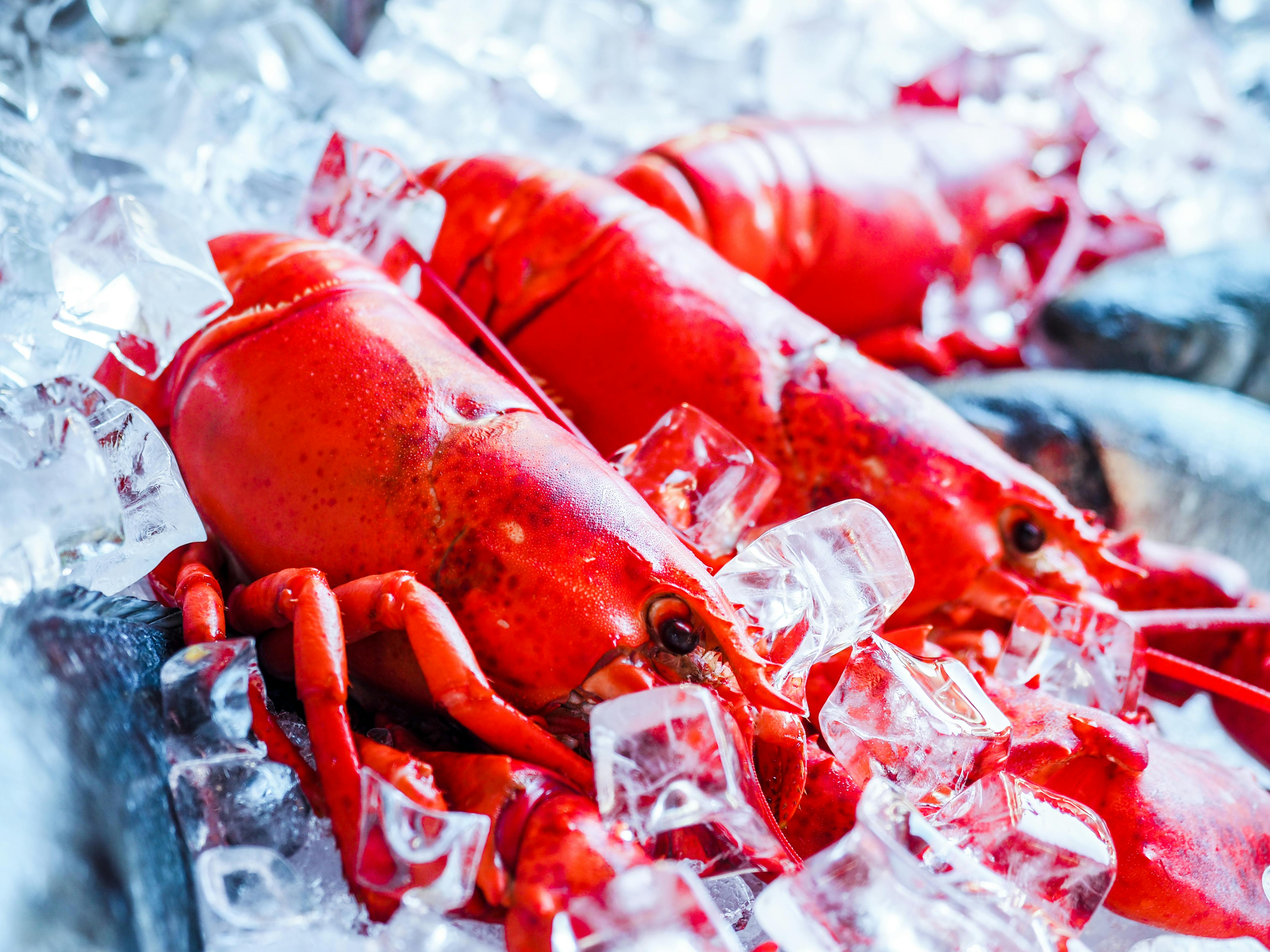
The first thing to understand is that export leadership is measured in dollars, not in public visibility. Salmon is one of Canada's most recognizable seafood products, especially in British Columbia and global grocery aisles, but lobster routinely earns more because each shipment carries a far higher per-kilogram value.
According to recent federal trade reporting, lobster has repeatedly ranked as Canada's top food export by value. Even when salmon exports remain substantial, lobster's premium pricing, especially for live product, often pushes it ahead in total revenue.
That pricing advantage is not accidental. Lobster sits in the luxury seafood category, bought by restaurants, retailers, and celebratory consumers willing to pay more for freshness, size, and quality.
Atlantic geography gives lobster a structural edge

Canada's lobster strength begins on the Atlantic coast. The waters off Nova Scotia, New Brunswick, Prince Edward Island, Quebec, and Newfoundland and Labrador support one of the world's most important lobster industries, with the American lobster fishery forming the backbone of export sales.
This geography matters because it concentrates harvesting, processing, holding capacity, and shipping expertise in one region. Over decades, coastal communities built systems that move lobster quickly from boat to buyer while preserving the premium condition that global markets demand.
Salmon, by contrast, is split between wild and farmed supply chains with different economic pressures. Canada is a major salmon producer, but the category faces stronger competition from Norway, Chile, Scotland, and Alaska, which affects pricing power.
Live export economics change the equation

A major reason lobster leads is that much of the product can be sold live. Live lobster commands a strong premium because buyers in markets such as the United States, China, and parts of Europe associate it with freshness, status, and restaurant quality.
That creates a rare export model where transportation is expensive but still worthwhile. Specialized tanks, airport logistics, temperature control, and rapid customs clearance all add cost, yet the final selling price often more than justifies the effort.
Salmon is valuable, but much of it competes in fresh fillet, frozen, smoked, or farmed commodity-style channels. Lobster's live trade gives Canada access to a premium tier that is less about basic protein and more about occasion-driven consumption.
Global demand keeps lobster near the top

Consumer behavior also helps explain lobster's lead. In many importing countries, lobster is tied to holidays, banquets, weddings, and upscale dining, which gives it strong pricing resilience even when volumes fluctuate.
The United States remains Canada's biggest lobster customer, supported by proximity, long-standing trade relationships, and sophisticated cold-chain networks. China has also been an important buyer, particularly for live lobster, although demand patterns can shift with economic conditions and trade policy.
Because the customer base spans retail, foodservice, and luxury hospitality, the market is diversified in a useful way. Salmon has broad demand too, but broader demand does not always translate into higher aggregate export value when unit prices are lower.
The industry is built around premium handling

Another overlooked factor is operational discipline. Canada's lobster industry has invested heavily in grading, bait systems, wharf infrastructure, storage facilities, and export handling that protect quality from harvest to arrival.
That matters because damaged shellfish lose value quickly. Exporters have become highly skilled at sorting for shell hardness, meat yield, survival rates, and destination requirements, allowing them to match products precisely to market needs.
Processors also create value beyond live shipments. Frozen tails, claw meat, bisque ingredients, and other packaged products help stabilize revenue, but the live premium remains the engine that keeps lobster ahead of salmon in many years.
Risks exist, but lobster still holds the crown
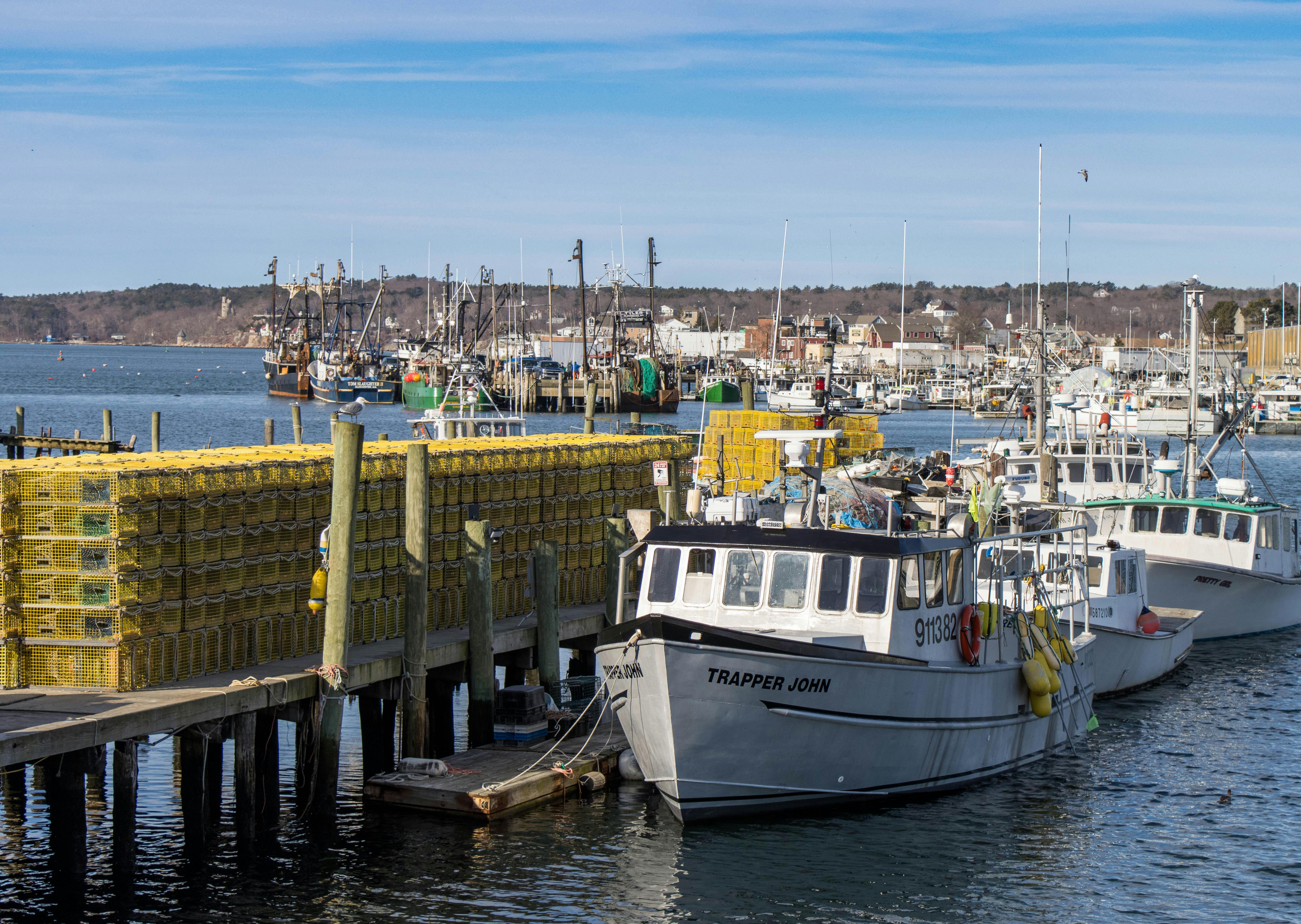
None of this means lobster is guaranteed to stay on top forever. Climate change, changing ocean conditions, bait costs, labor shortages, transportation disruptions, and shifting tariffs all pose real risks to the sector.
Salmon could narrow the gap if prices rise, production expands, or market conditions shift. Aquaculture innovation and changing consumer preferences can reshape export rankings faster than many people expect.
Still, lobster's current lead rests on durable fundamentals: strong global recognition, premium pricing, efficient Atlantic supply chains, and a proven ability to sell Canada's catch as a high-end product rather than a standard commodity. That is why lobster, not salmon, remains Canada's single most valuable food export.




Leave a Reply